" We don't sell the wine without touching the vine "
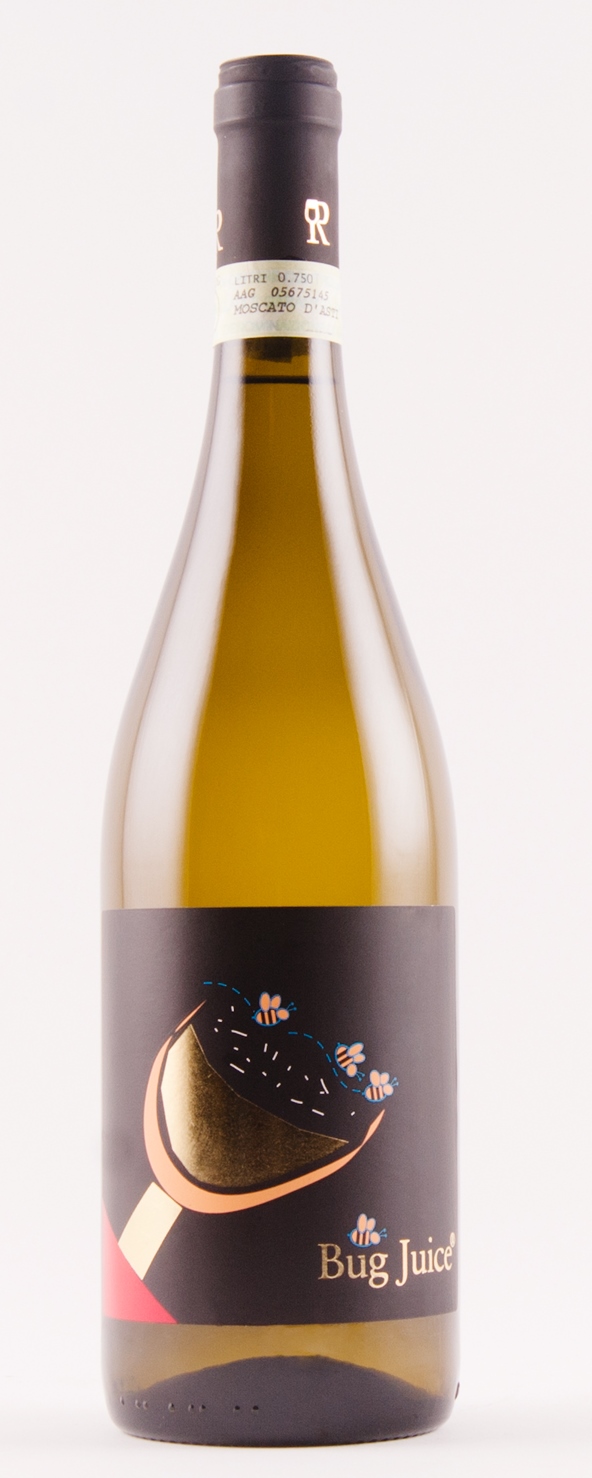
Rinaldi Moscato d'Asti Bug Juice is made from 100 percent Moscato.
Straw-yellow color. The bouquet is delicate and intense with aromas of fruit (apple, peach) and spices (sage). The palate is sweet and smooth with lingering aromatic persistence. A refreshing and pleasant wine, perfect for brunch, picnics or poolside.
The training system used is Guyot with a density of 2500-3000 vines per hectare Manual harvest into crates. Soft pressing. Settling in steel vats to allow natural clearing of musts. Racking, increase in temperature. Temperature and pressure controlled fermentation until bottling.
Dessert, ideal with hazelnut cake. Original with "strong" cheese such as Robiola of Roccaverano and Gorgonzola.
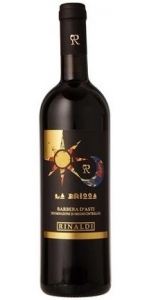
Rinaldi Barbera d' Asti La Bricca is made from 100% Barbera d'Asti.
"Bricca" means the top part of the hill. (see picture of the vineyards)
La Bricca is a deep, ruby-red colored wine with violet hues. The bouquet is vinous and intense with ethereal aromas (typical of the Barbera grape) and scents of ripe fruit and spices. The wine is full-bodied with very pleasant silky tannins. Long and harmonious with a good aging potential.
Enjoy it with meat dishes, rich pasta, risotto and well-aged cheeses. To appreciate the wine at its best, the bottle should be left at least 24 hours at room temperature and opened 1 hour before serving.
Rinaldi Brachetto d' Acqui is made from 100% Brachetto d'Acqui
The skin gives the wine its particular scent and flavor.
Light ruby red color. The bouquet is musky and delicate with scents of ripe red fruit (strawberry, blackberry) and roses. Sweet and smooth flavors with lingering aromatic persistence. There is a good balance between the sweetness and the freshness, which makes this wine very pleasant.
The training system used is Guyot with a density of 2500-3000 vines per hectare. Manual harvest. Temperature controlled maceration for approximately seven days with mechanic plunging of the cap and pumping over to increase extraction of substances from the skins. This is the most important part of the vinification. Soft pressing.
SALE
Palacio de Bornos Verdejo Rueda is made from 100% Verdejo.
Mechanical and manual harvest. Fermentation takes place in stainless steel tanks at controlled temperature of 15-16º C for 18 to 20 days. Cold stabilization, filtration. Clay and limestone with small round stones.
Straw-like yellow color with fresh green tones.
Hugely aromatic, with tropical fruit, tangerine, lemongrass and lemon thyme. Fruity notes with anise and minerals, typical of the Verdejo grape. Full in the mouth, well structured, dense and persistent with a lingering aftertaste. The wine has great length and a delicious mouth-filling richness, and finished with a precise acid cut.
As a light aperitif, ideal at any time of the day, with a tapas or small snack, with Pasta al Pesto, Mousse of Tuna fish and lime..
Enjoy with everything from sushi to spicy Cajun shrimp!
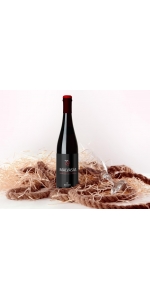
Rinaldi Malvasia di Castelnuovo Don Bosco Tasting notes: Frizzante style, with hints of black pepper, cherries and red fruit notes. A frothy, & slightly sweet aperitif…
Vines are planted on limestone soils. Only 63 hectares exist of this very small DOC of Malvasia di Castelnuovo Don Bosco. Grape varietal is Malvasia di Schierano.
Pairs well with dessert and Asian food.
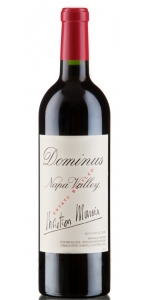
Dominus Napa Valley Christian Moueix Red Blend is made from 87% Cabernet Sauvignon, 9% Cabernet Franc, 4% Petit Verdot.
Dominus Estate is the Napa Valley property of Bordeaux producer Christian Moueix. The wine is bottled from the historic Napanook Vineyard. Located at the foothills of the Mayacamas, the vineyard was planted in 1838 and continues to evolve under the stewardship of Christian Moueix. The estate's Bordeaux varietals benefit from the Yountville microclimate where temperatures are moderated by cool breezes from the San Pablo Bay. The resulting wine is a uniquely refined expression of this special terroir. The 2023 vintage is seductive and deep with notes of cedar, oriental spices, wild berry, and cocoa, followed by a finely etched finish.
Reviews:
Black currant, pencil shaving, subtle sandalwood, wet earth, forest floor and violet aromas follow through to a medium- to full-bodied palate with ultra-fine tannins that integrate perfectly at the end. A polished and caressing texture that goes on for minutes. The balance and drinkability of this Dominus is terrific, and it will age beautifully. A blend of 87% cabernet sauvignon, 9% cabernet franc and 4% petit verdot. From organically grown grapes. Very drinkable now, but will age beautifully.
James Suckling 99 Points
Rinaldi Moscato d'Asti Bug Juice is made from 100 percent Moscato.
Straw-yellow color. The bouquet is delicate and intense with aromas of fruit (apple, peach) and spices (sage). The palate is sweet and smooth with lingering aromatic persistence. A refreshing and pleasant wine, perfect for brunch, picnics or poolside.
The training system used is Guyot with a density of 2500-3000 vines per hectare Manual harvest into crates. Soft pressing. Settling in steel vats to allow natural clearing of musts. Racking, increase in temperature. Temperature and pressure controlled fermentation until bottling.
Dessert, ideal with hazelnut cake. Original with "strong" cheese such as Robiola of Roccaverano and Gorgonzola.
The Rinaldi Estate
The winery is located on the hills of Alto Monferrato, close to Acqui Terme, in the heart of one of the most precious areas of south Piedmont. The family business was founded in 1961 by Oreste Rinaldi. It is run today by his son Andrea and his daughter Paola. The family has been producing wine for 40 years from their vineyards located on a particularly privileged area with a favorable microclimate and a perfect southwestern exposure
The Rinaldi Vineyard
Currently Rinaldi has 20 hectares of vines (49.6 acres), 19hectares owned, 1 hectares rented. Their single vineyard Bricco Cardogno, planted to Moscato, is a vineyard that measures 2.5 hectares (6.75 acres) and was planted 40 years ago by Andrea Rinaldi’s grandfather. It is located 240- 300 m above sea level. The soil type in this vineyard is limestone (tufa). All grapes are hands harvested with extreme care. Quality starts in the vineyard. The single vineyard Bricco Rioglio is planted with Brachetto grapes, limestone based with 15-year-old vines. (Bricco is a tea cup in local dialect).
Charles Heidsieck Vintage Brut is made from 57% Pinot Noir, 43% Chardonnay.
A beautiful golden robe offers glints of green accentuated by a delicate, dynamic effervescence. The initial nose introduces intense toasted and smoky notes along with ripe fruit. When swirled in the glass, the nose takes on a heartier dimension with touches of apricot and vineyard peaches. The aromatic concentration, due to a heat wave of several weeks, is reminiscent of the summer sun. The attack is taut and decisive. the creamy texture, the crisp fruitiness and spiced notes of cinnamon, licorice and pepper are the hallmark of the House style.
Review:
Aged for eight years on the lees before disgorgement, the Champagne is deliciously toasty with acidity and fine dryness.
-Wine Enthusiast 96 Points
Disgorged in January of 2023, the 2013 Champagne Millésime Brut was the last vintage from the cellar master for Heidsieck prior to Cyril Brun. The 2013 Champagne Millésime Brut is a bright straw yellow color and is based on the crus of Les Mesnil, Avize, Averney, and Aÿ. It’s fresh with aromas of wet stones, fresh quince, and fresh jasmine flowers. It has a chalky and focused texture, with ripeness to balance it out, and a long, graceful finish. At this stage, it feels more forward with 57% Pinot Noir and the rest Chardonnay. A more mineral-tinged expression, it has a lot of charm and the promise of longevity over the coming two decades. Drink 2024-2044. It will be interesting to see how the Pinot shows itself over time. 8 grams per liter dosage.
-Jeb Dunnuck 95 Points
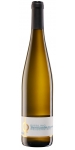
Bastgen Berncastel-Cueser Weisenstein Riesling Spatlese Trocken is made from 100 percent Riesling.
Bright, clean, fresh and zesty. Grapefruit like flavors. Fruity aromas and a nice minerality, typical of the Riesling grape grown on blue slate soil. Round, rich and a very long finish. The grapes for this wine are vigorously selected. Botrytis is not tolerated. At harvest the grapes are fully ripened, have a golden color, and a soft tartness. After a long spontaneous fermentation in a traditional 1000L barrel, the wine just reaches the dry stage. This gives the wine a creamy structure that interplays with ripe yellow and exotic fruit aromas.
They meticulously tend 4.5 ha (11.11 acres) of which 80% is Riesling. The soil is made of slate. Their vineyards are located in Kesten and Brauneberg, on a steep terrace, and planted to 50-year old vines. Fortunately for Bastgen, they own part of the famous Brauneberger Juffer Sonnenuhr. The vines produce very small, ripe berries that are very tasty.