
" We don't sell the wine without touching the vine "

| Country: | Portugal |
| Region: | Douro |
| Winery: | Romariz Port |
| Grape Type: | Port Blend |
| Vintage: | 1997 |
| Bottle Size: | 375 ml |
The Romariz Port Estate
The port house of Romariz was founded in 1850 by Manoel (Manuel) da Rocha Romariz. Manoel was a descendant from a well known Oporto family.
Over the years, Romariz developed business dealings in Brazil and other Portuguese Colonies (Africa and China), and to a lesser extent England. Historically, Romariz was known for wood ports, like Colheitas (single vintage Tawnies) and in top years vintage ports.
In 1966, the Romariz family sold their brand and business to Guimaraens & Co. (who own Fonsecca) and the business continued on. Some years passed by and eventually Fonsecca and Taylor’s joined forces. Today, Fonsecca, Talyor and Romariz share the same winemaker and facility in Vila Nova de Gaia.
Today, Romariz offers a wide range of Ports: wood, vintage, LBV’s and Colheitas. Their main markets are Portugal, Denmark and France. All grapes come from region #2, Cima Corgo, the heart of the best growing area along the Douro River. Romariz being a “Portuguese” port firm, adheres to a rich warm style of port wines.
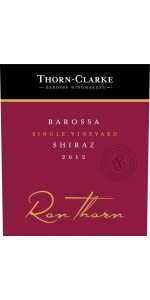
Deep red with a slight purple hue on release. The wine has a rich mix of dark chocolate infused with coffee bean and black liquorice, then scents of tar, aniseed, raw (pure) soy and black olive on the nose. The palate is expansive, and yet balanced and finessed. An amalgam of dark berried flavors and textural sensations. The 100% new oak is completely absorbed, meshed with ripe tannins, completing a palate of impressive length and youthfulness.
Parcels of fruit for this wine were identified in the vineyard by the winemakers. Daily fruit inspection led to the fruit being harvested at optimum flavor ripeness. The fruit was harvested at night and quickly transported to the winery. The fruit was destemmed to 6T open fermenters for fermentation. A Shiraz specific yeast was selected to ferment the wine and fermentation was carried out at a maximum of 28°C. The fermenter was manually pumped over twice daily in the first half of fermentation to give the winemakers control of color, flavor and tannin extraction. Pump over regimes were adjusted toward the end of fermentation to suit the tannin and flavor extraction of the wine. The cap was completely broken up on each pump over. The wine remained in fermenters for 6-8 days (dependent on parcel) before being pressed, inoculated with malolactic bacteria and filled to American oak (100% new barrels). The wine was racked post malolactic fermentation and returned to the same barrels. The wine was topped every month and after six months racked and returned to the same barrels again. Prior to bottling the parcels were emptied from oak and blended. Minimal fining and filtration was carried out prior to bottling.
Review:
Only made in top vintages, the 2019 Shiraz Ron Thorn is 100% Shiraz from the St. Kitts Vineyard in Barossa. Killer notes of blackberries, black cherries, smoked tobacco, chocolate, and subtle menthol all define the aromatics, and it hits the palate with full-bodied richness, a round, layered mouthfeel, huge mid-palate depth, and a salty, decadent style on the finish. This monster of a Shiraz stays balanced and light on its feet and is beautifully done.
-Jeb Dunnuck 96 Points

Argot Bastard Tongue Pinot Noir is made from 100 percent Sonoma Pinot Noir.
Inheriting an unbroken string of success, the “Bastard Tongue” arrives fully-formed and ready to impress. Always a blend from multiple Pinot Noir vineyards, this iteration of “BT” was selected from three distinct sites, each making their own unique contribution of Sonoma County terroir to the wine’s character.
Exploding forth on a tidal wave of high-toned, intense red and black fruits, this is a Pinot Noir that no stemware can contain. The palate’s profound depth is balanced by an inherent freshness, allowing the wine to crackle with brambly energy, while sustained by bass notes of underbrush, black tea, pie spice and baker’s chocolate. A formidable rendition of “Bastard Tongue”, and a deserving successor to its line.
Night harvested by hand throughout September, cluster and berry sorted by hand, de-stemmed, no crushing. 7-day cold soaks, followed by native fermentation in open-top bins. Average time on the skins, 14 days. Aging 20 months in French oak, 100% new. Never racked prior to bottling. Bottled unfined, unfiltered.
Very versatile for pairing. Goes well with grilled meat, vegetable, fish, poultry and cheese.
Review:
"The 2022 'Bastard Tongue' Pinot Noir from Argot is utterly mind-blowing. It immediately draws you in with its seductive aromatic of fresh black raspberries, wild strawberries and even a touch of blueberry all woven together with sweet spices, cinnamon, crushed violets and earthy undertones. On the palate, the wine is both rich and graceful, with a lively acidity that elevates the sweet red fruit notes of red currant and black raspberries. Fine, polished tannins provide a round, silky texture that leads into a supple finish that lingers with sweet berries and sweet spices. This Pinot Noir offers a beautiful balance of elegance and complexity, drinking beautifully now, with a depth that promises further enjoyment. This is one of the most delicious bottles of Pinot Noir I can recall." - 98 Points, International Wine Report
Flowering in the Duoro occurred in the last 10 days of May. The weather conditions provided for a perfect flowering season. The Romariz Vintage Port 2003 yielded wines of great color and supple tannins, with a vintage stamp being evident in most wines. Production: 8,000 cases. "Another bright and fruity young Vintage Port with plum, grape and blackberry aromas with just a hint of stems. Serious nose here. Full-bodied, with soft, round tannins and a long, caressing finish. A beauty."
- J.S., Wine Spectator, 89-91 pts
"Bright dark ruby. Deep, perfumed aromas of cassis, licorice, violet and minerals. Lush and high-toned in the mouth but with very good vinosity and spine. Lovely fruit-driven flavors of black cherry, blackberry and dark chocolate. Little sign of the roasted side of 2003. Not hugely concentrated but suave, supple, minerally and sweet. Finishes with ripe tannins and very good spicy persistence. A very good showing. Accessible already but balanced for medium-term aging."
- Stephen Tanzer's International Wine Cellar, 89 pts
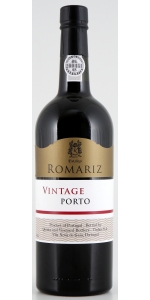
Romariz Vintage Port is made from Touriga Nacional, Touriga Franca, Tinto Cão, Tinta Roriz, Tinta Barroca
Deep inky purple color. Intricate nose with aromas of blackberries and logan berries, subtle hints of amber and spring blossom and delicate spice. A tight, well-formed palate with an abundance of dark berry fruit, rich chocolate and liquorice, culminating in a long finish. Firm, closely woven tannins that give the wine great structure and body. An elegant finely constituted Vintage Port which will drink beautifully now or age quietly in the cellar.
A vintage port is made from blended grapes, all from the same vintage year. Vintage ports are historically only declared every 3 out of 10 years. Romariz vintage ports age for up to two years in oak, then go unfiltered into the bottle for further aging.
"Opaque ruby. A complex, beautifully structured wine from Europe’s hot summer of 2003. Lively spicy, toasted aromas and a ripe and generous palate with layers of rich, dense flavors of dark fruit, chocolate, tobacco, spice box and a hint of marmalade. Finishes dry and long with still firm tannins. A delicious Port that should be paired with Roquefort and other blue cheeses."
- International Wine Review (Succulent Sweet Wines for the Holidays: The Best of 2018), 92 pts

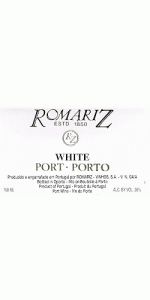
Romariz White Port is a blend of wines from the Arinto, Boal, Codega, Esagna CAO, Folgasao, Gouveio, Viosinho, and Rabigato grapes grown in the Douro. This is aged in oak for three years. Aromas of fruit cocktail, round and full, orange-nutty undertone, strong flavored and sweet. Refreshing summertime drink on ice.
FOOD MATCH: Served alone for after-dinner sipping.
Smith Woodhouse Vintage Port 1991 has been pulled from a Gentleman's cellar, all wines from this cellar have been purchased by the owner either from the importer or direct from winery. They stayed in his cellar until being moved to the Timeless Wines warehouse.
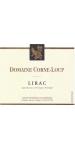
Corne Loup Lirac Rouge is made from 50% Grenache, 40% Syrah and 10% Mourvedre
Dry - less than 4 grams/liter
Color: dark red ruby.
Aromas: red berries, truffles and spices.
Flavors: complex and rich. It shows red and black fruits, with an herbal spice type of aromas coming from the surrounding vegetation (Garrigue).
The average age of the vines is 40 years. (The oldest vines are 80 years old).
The soil is mainly sandy marl and small pebble stones.
Pairs with lamb, duck, turkey, red meat, game and cheese.

Garnet red in the glass. The nose is full of red cherry, raspberry, and black currant, backed by rose pedal, cinnamon, clove, porcini, toasted vanilla, rosemary blossom and thyme. Ripe strawberry, sour cherry, and damson plum, give way to an airy, and velvety texture reigned in by a firm acidic backbone. The long finish is full of floral character, backed by sweet earth and loads more spice.
Alcohol:12.9%
Acid TA: 5.7 g/L
pH: 3.45



