
" We don't sell the wine without touching the vine "
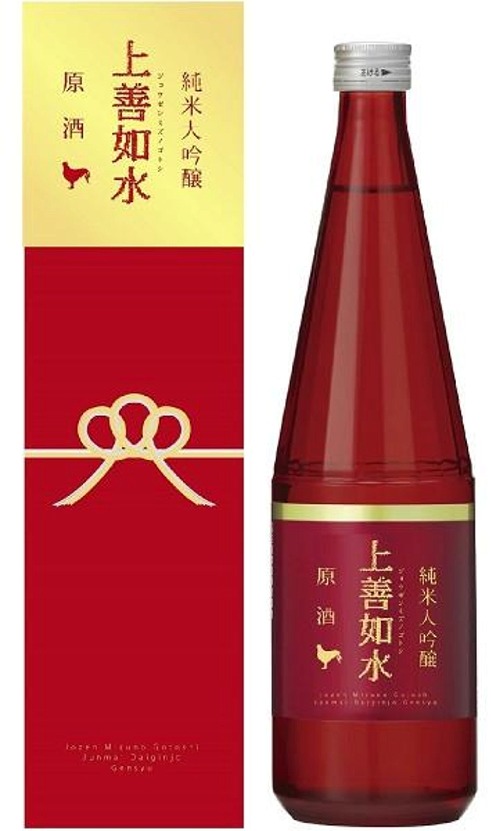

Hiyaoroshi is a general term referring to sake that has been pasteurized once in the winter and then allowed to mature over the summer before distribution in autumn. The Japan Sake Brewers Association designates September 9th as the official start for Hiyaoroshi sales. (Essentially aged Namazume)
September 9th is known as Kiku-no-Sekku (“Chrysanthemum Festival”), where hundreds of chrysanthemums are displayed around various venues and chrysanthemum sake is served. The chrysanthemum (kiku) was brought to Japan from China during the Nara period. In 1183, it was adopted as the Imperial Seal of Japan, and during the Meiji period no one but the Emperor could use it. Nowadays it still represents the authority of the emperor and you can see it everywhere in Japan.
Aromas are forward, fresh, and fruity in the nose with notes of sweet melon, cherries, and hints of vanilla. Flavors on the palate evoke feelings of the season with pumpkin pie, roasted nuts, and stewed plums. This sake is medium-bodied and accented by medium acidity, showing classic Jozen minerality and a lingering dry finish. Additional 7 months of aging adds depth and roundness.
{Pairs with roasted poultry, baked ham, butternut squash ravioli, BBQ, and dishes with sweet spice.
Aged Gouda, triple cream, fresh chevre .
Hiyaoroshi is a general term referring to sake that has been pasteurized once in the winter and then allowed to mature over the summer before distribution in autumn. The Japan Sake Brewers Association designates September 9th as the official start for Hiyaoroshi sales. (Essentially aged Namazume)
September 9th is known as Kiku-no-Sekku (“Chrysanthemum Festival”), where hundreds of chrysanthemums are displayed around various venues and chrysanthemum sake is served. The chrysanthemum (kiku) was brought to Japan from China during the Nara period. In 1183, it was adopted as the Imperial Seal of Japan, and during the Meiji period no one but the Emperor could use it. Nowadays it still represents the authority of the emperor and you can see it everywhere in Japan.
Aromas are forward, fresh, and fruity in the nose with notes of sweet melon, cherries, and hints of vanilla. Flavors on the palate evoke feelings of the season with pumpkin pie, roasted nuts, and stewed plums. This sake is medium-bodied and accented by medium acidity, showing classic Jozen minerality and a lingering dry finish. Additional 7 months of aging adds depth and roundness.
{Pairs with roasted poultry, baked ham, butternut squash ravioli, BBQ, and dishes with sweet spice.
Aged Gouda, triple cream, fresh chevre .

Inviting aromas of mint, marshmallow and Asian pear pull you into this drink. Surprisingly dry, this Nigori (cloudy) style sake has a rich, chewy texture. The intriguing mid palate features mint, white chocolate, and tart cherries. The finish belies our expectations with an elegant, softness of minerals that settles in a dry finish.
Pair with roast duck, dry-rub ribs, full flavored country pate, and fruit and nut desserts of light sweetness.
Mildly ripe Coulommiers or Brie, Italian Raschera.

This Junmai Daiginjo has a beautiful nose full of banana, melon and star anise. The all natural brewing process gives this sake a bright fresh palate of plum, lime and minerality with a clean dry finish. A very food friendly sake, and is thought to be best after the meal with a light, smooth, rich cow's milk cheese.
POLISHING RATIO: 40%
ALCOHOL: 16-17%
SMV +/-: +1.0
ACIDITY: 1.2
RICE KOJI: HATTANISHIKI
RICE KAKE: HATTANISHIKI
YEAST STRAIN: PROPRIETARY YEAST
FOOD PAIRINGS: Poached Lobster, Seared Scallops, Tofu, Steamed Dumplings
CHEESE PAIRINGS: Brillat Savarin, Cambozola, Dulce Latte Gorgonzola, Mimolette

Sake Eikun Junmai Ginjo Water Lords 12/720ml is made with Iwai rice.
Eikun sake uses water from a source called "Fusui", rated as one of the top 100 sources of water in Japan. This water source is located just south of the ancient Japanese, and still cultural capital of Japan, Kyoto.
Aromas of macadamia oatmeal cookie, spicy zucchini bread, and vanilla cream with a satiny fruity-yet-dry medium-to-full body and a layered, banana custard, jicama, salted whole nut, apple, and radish nuanced finish. A Wonderfully vibrant and flavorful sake.-Beverage Tasting Institute 94 points (Exceptional)
RATING: 94 points (Exceptional)
CATEGORY: Junmai Ginjo Sake, Sake
ALCOHOL BY VOLUME: 15.3%
TASTING LOCATION: In Our Chicago Tasting Room
TASTING DATE: Dec-05-2012
WINE ID: 200768
Made with Iwai rice.
Eikun sake uses water from a source called "Fusui", rated as one of the top 100 sources of water in Japan. This water source is located just south of the ancient Japanese, and still cultural capital of Japan, Kyoto.
Rice milling: 60%

Sake Eikun Junmai Ginjo Water Lords is made with Iwai rice.
Eikun sake uses water from a source called "Fusui", rated as one of the top 100 sources of water in Japan. This water source is located just south of the ancient Japanese, and still cultural capital of Japan, Kyoto.
Aromas of macadamia oatmeal cookie, spicy zucchini bread, and vanilla cream with a satiny fruity-yet-dry medium-to-full body and a layered, banana custard, jicama, salted whole nut, apple, and radish nuanced finish. A Wonderfully vibrant and flavorful sake.-Beverage Tasting Institute 94 points (Exceptional)
RATING: 94 points (Exceptional)
CATEGORY: Junmai Ginjo Sake, Sake
ALCOHOL BY VOLUME: 15.3%
TASTING LOCATION: In Our Chicago Tasting Room
TASTING DATE: Dec-05-2012
WINE ID: 200768
Light, fluid, fruity
An icon among Niigata sakes, one of the most famous in Japan. A sake with fluidity, lightness, with a fruity nose (white fruits flesh). In mouth, it is clear and fine flavors on that slide as a source water to finish on pure and crystalline notes.
His name Jozen Mizuno Gotoshi, alone evokes the purity of water in mountains of Niigata. It goes wonderfully oysters, salmon tartare, the steamed white fish (sake, why not!). On a sashimi or carpaccio and crunchy pickled or cooked vegetables. Recommended serving temperature between 8°C to room temperature.
Hiyaoroshi is a general term referring to sake that has been pasteurized once in the winter and then allowed to mature over the summer before distribution in autumn. The Japan Sake Brewers Association designates September 9th as the official start for Hiyaoroshi sales. (Essentially aged Namazume)
September 9th is known as Kiku-no-Sekku (“Chrysanthemum Festival”), where hundreds of chrysanthemums are displayed around various venues and chrysanthemum sake is served. The chrysanthemum (kiku) was brought to Japan from China during the Nara period. In 1183, it was adopted as the Imperial Seal of Japan, and during the Meiji period no one but the Emperor could use it. Nowadays it still represents the authority of the emperor and you can see it everywhere in Japan.
Aromas are forward, fresh, and fruity in the nose with notes of sweet melon, cherries, and hints of vanilla. Flavors on the palate evoke feelings of the season with pumpkin pie, roasted nuts, and stewed plums. This sake is medium-bodied and accented by medium acidity, showing classic Jozen minerality and a lingering dry finish. Additional 7 months of aging adds depth and roundness.
{Pairs with roasted poultry, baked ham, butternut squash ravioli, BBQ, and dishes with sweet spice.
Aged Gouda, triple cream, fresh chevre .

Dark crimson in color, with deep garnet hues. A concentrated array of aromas of mulberry, blackberry and dark plum indicate the richness to come, while savory and complex notes of charcuterie, cedar, sage and five spice tease the senses. Plush and velvety on the palate, the wine has intense fruit concentration with plum, red currant, blackberry and anise flavors, yet an enchantingly elegant and refined structure. Layers of silky tannins reveal the impressive depth of the wine before giving way to an incredibly long finish.
Review:
This has a very complex nose, offering so many facets of spices and fragrance with florals and orange peel, as well as crushed stones, ripe black cherries, blackberries and dark cherries, earth, chocolate and more. The intensity and power here is very tightly held and it has a build of such precise tannins, which carry very intense and assertively ripe blackberries, dark cherries, ripe plums and blueberries. So much on offer here. This has a very bold, intense feel. Exceptional vintage. One of their finest. Try from 2028.
-James Suckling 100 Points

Boussey Aloxe Corton Les Valozieres is made from 100 percent Pinot Noir.
The Aloxe Corton appellation is located right between the Cotes de Nuits and Cotes de Beaune, at the bottom of the Hill of Corton. The old vines planted in the village of "Valozieres" enjoy a perfect location and a specific terroir made of red/brown colored soils with a few silica veins and silex, limestone components, leading to solid and structured wines.
The wine displays a dark ruby and garnet color. The aromas are classic of the appellation with small red fruits, developping peony, jasmine, leather, truffle aromas with age. A firm structure, rich and chewy tannins, and a great length.



