" We don't sell the wine without touching the vine "
| Country: | France |
| Region: | Rhone |
| Winery: | Segries (Chateau) |
| Grape Type: | Grenache |
| Organic: | Yes |
| Vintage: | 2019 |
| Bottle Size: | 750 ml |
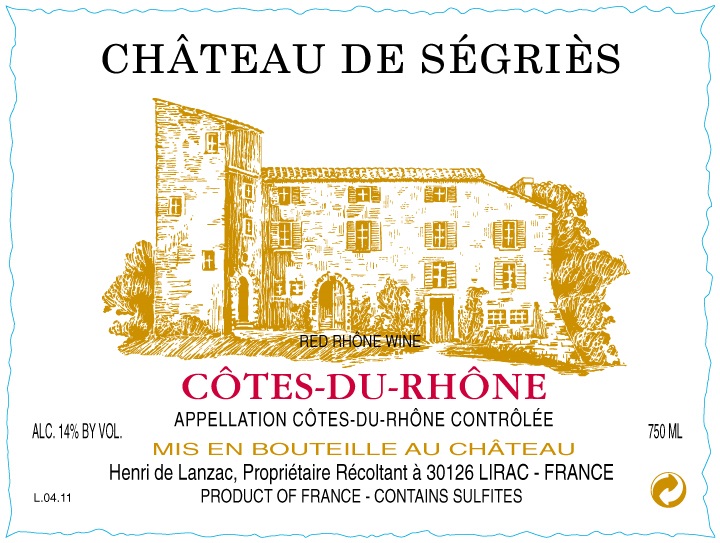
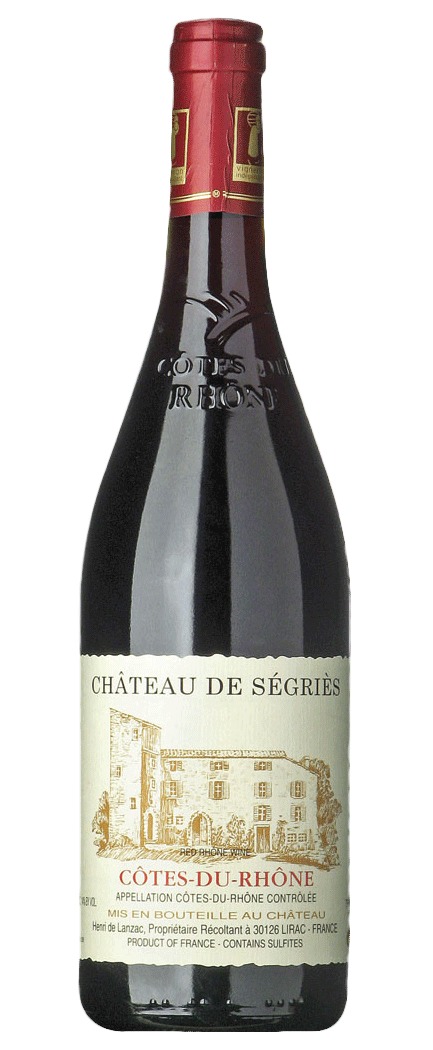
Segries Cotes du Rhone Rouge is made from 50% Grenache, 30% Syrah, 10% Cinsault, 10% Carignan
The wine is ripe, rich and round, with black raspberry, white pepper and spice flavors. True Cotes du Rhone in a Bistro style.
Segries Cotes du Rhone Rouge is made from 50% Grenache, 30% Syrah, 10% Cinsault, 10% Carignan
Segries Clos Jean Alesi Cotes du Rhone Rouge is made from 1/3 each of Grenache, Syrah and Mourvèdre.
This wine was originally called Segries Lanzac Clos Hermitage Cotes du Rhone Rouge
This 3.5 hectare vineyard, located in the famous “Quartier de la Chartreuse de Villeneuve-les-Avignon”, has been owned by the Formula 1 race car driver Jean Alesi since 1995. It is managed by Château de Ségriès.
This wine is a blend of 33% Grenache, 33% Syrah, and 33% Mourvedre sourced from 40-year-old vines. It was fermented in concrete vats then aged for nine months in 5% new oak barrels. The wine is a very grapey color in the glass. There is a light nose of tightly packed black fruit, dried herbs, pepper, and licorice. In the mouth there are tight-grained blue fruit, fine, powerful tannins, and a little strawberry flavor breaking loose. With air the wine reveals pencil and pepper flavors along with the structure for aging.
Yield: 40 hl/ha
Age of the vines: 40 years.
Vinification: 21 days skin maceration in temperature controlled concrete vats
Ageing: 9 months oak aging -5% new French oak from Seguin Moreau cooper and 95% of 1 year old barrels.
Delicious with roast meat, grilled vegetables, strong cheese and chocolate desserts.
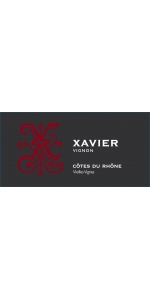
Xavier Vignon Cotes du Rhone Rouge Vieilles Vignes is made from 70% Grenache, 15% Mourvèdre and 15% Syrah
Grenaches are almost hundred years old, Mourvèdres more than 60 years old and Syrahs are 45 years old in average.
There's a spicy, green peppercorn edge to the Cotes du Rhone Vieilles Vignes. It's medium to full-bodied, with svelte, supple tannins and plenty of plummy fruit that exhibits more savory notes and spice on the long finish.
Review:
"The deep black-cherry and ripe-blackberry fruit, plus the full, soft body push this to the edge of sweetness on the palate. However, the gentle dry tannins at the velvety finish just keep it on track. A style that now seems a bit dated, but plenty of wine drinkers love this. Drink now."
- James Suckling (March 2022), 90 pts
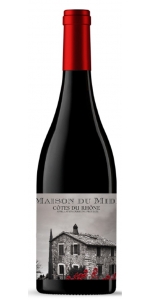
Maison du Midi Cotes-du-Rhone Rouge Vielles Vignes is 80% Grenache, 10% Syrah and 10% Mourvedre.
This ruby red colored wine with purple glints develops red fruits aromas and spicy overtones. In the mouth, this wine is smooth and its supple structure emphasizes aromas. Fruitforward and easy drinking wine showing light spices and silky tannins. A perfect everyday wine.
This delicious juicy wine can be enjoyed now with steak frites, any Mediterranean dishes, pizzas, grilled chicken and cheese.
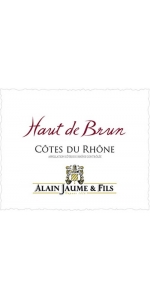
Alain Jaume Cotes Du Rhone Rouge Haut de Brun is made from 60% Grenache, 30% Syrah, 10% Cinsault
The colour is purple-tinged garnet.The aromatic range of the nose goes from fresh berries (wild raspberry, blackcurrant, blackberry) to spices.The palate is big and full-flavoured, with silky-smooth tannins and aromas of the fruit already mentioned. The finish introduces touches of liquorice and pepper. A Côtes du Rhône with great complexity for an every day drinking.
A classic Rhône to drink between 1 and 4 years. Best poured at 17°C.
Traditional wine making and ageing is performed in vats only. Bottling after 10-12 months.
Ideal throughout the meal, but particularly with poultry and other white meats, as well as mild cheeses.
Segries Cotes du Rhone Rouge is made from 50% Grenache, 30% Syrah, 10% Cinsault, 10% Carignan
The Chateau de Segries Estate
In 1994, Henri de Lanzac, cousin of Christophe Delorme from Domaine de la Mordoree, purchased the Domaine and began to improve the quality of the wine. "Segries" in provencal means "water spring". This family owned and operated winery is located in Lirac and produces some of the best values in my portfolio. They produce the following A.O.C. wines:
* Tavel Rose
* Cotes du Rhone Rouge
* Lirac Rouge
* Lirac Blanc
"An old Lirac estate with recent signs of revival under the new owners; the reds are medium weight, good to drink inside six years; charming Tavel." - Anthony Dias Blue's pocket guide to wine 2006
"A super value treasure trove in the southern Rhone, Segries is a large estate of 109 acres brought back to life over the last decade by Henri de Lanzac. The wines continue to go from strength to strength."- Wine Advocate (#178, Aug. 2008)
"Over the last fifteen years, this property has been transformed into one of the better value producers in the Cotes du Rhone. The old, oxidized, vegetal offerings have been replaced with classic examples of Provencal wines that are fresh and fruity with ripe tannins." - Wine Advocate (#190, Aug. 2010)
"The new releases from proprietor Henri de Lanzac are all impressive." - Wine Advocate (#195, June 2011)
"This has been a reliable producer of terrific values in the Cotes du Rhone (and for their Tavel rose) for a number of years, and they have once again done an admirable job." - Wine Advocate (#201, June 2012)
The Chateau de Segries Vineyard
The Domaine Chateau de Segries owns 44.5 hectares of vineyard land (108.91 acres), all in old vines, 30 hectares in one piece alone:
- 7 ha (17.30 acres) in Tavel, on limestone, pebble stone, sand and clay based soils.
- 30 ha (74.10 acres) in Lirac, on clay and limestone based soils.
- 4 ha (9.88 acres) in Cotes du Rhone.
- 3.5 other ha (8.65 acres) in Cotes du Rhone for the "Clos de l'Hermitage"
Many of the vines date back to 1925, and were planted by the former owner Count de
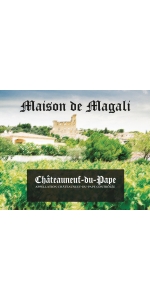
Maison de Magali Chateauneuf-du-Pape Rouge is made from 84% Grenache, 11% Syrah and 5% Mourvèdre.
Maison de Magali Chateauneuf-du-Pape is designed to be a very fruity and fresh CDP with structure. Different flavors of red and black fruits with a hint of pepper and spice notes.
Pair with grilled meat and vegetables. Also excellent with cheese and dark chocolate dessert.

Zombie Zin Zinfandel is made from 95% Zinfandel and 5% Syrah
Be careful if you go out at night. The Zombie Zin is designed to be consumed in hiding with the only friends you have left... post apocalypse.
The Zombie Zin is sporting a new label design with a torn look, that suggests a window into another world. The colors are more vibrant earth-tones and the capsule is a deep red.
The Zombie Zinfandel is very dark in color, almost a black-purple. The aromas are of ripe, dense black fruits and a hint of dried herbs. The flavors are complex and rich, sporting succulent blackberries, powdered cinnamon, cola and cherry jam. Just a hint of black pepper in the long finish.
The grapes for the Zombie are sourced throughout California, mostly from the dry, hot sandy soils of the Delta region and the Central Valley. The final blend benefitted from some inky Syrah grapes that came from the Central Coast. The wine was fermented in Stainless Steel and aged for about a half a year in American oak.
Pairs well with bloody BBQ meats, sinister soups with eye of newt, bubbly caldron of fleshy stew.
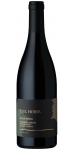
In the far northwest corner of the Sonoma Coast appellation, near the town of Annapolis, the vineyard sits just five miles from the Pacific Ocean, and provides a poignant setting for producing pinot noir with elegance, great precision, and intensity.
Review:
The 2021 Pinot Noir Goldrock Estate is deep, rich and explosive. Dark red cherry, pomegranate, blood orange, menthol, spice and rose petals are all amplified in this dramatic Sonoma Coast Pinot. The complexity and intensity here are simply unreal. Give this time, there's a lot of wine in the glass.
-Vinous 96 Points
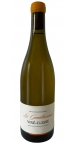
Gentilhommes Vire-Clesse is made from 100% Chardonnay.
A gentilhomme is a gentleman characterized by his delicacy, thoughtfulness, and courtesy. "Les Gentilhommes" was created by brothers Richard and Stephane Martin as brand embodying the gentleman's character combined with Burgundian know-how.
From the work in the vineyard to the vinification in barrel, they are inspired to share these noble values. Quality, authenticity and long family tradition are the foundation of these wines.
This single-vineyard Chardonnay is produced in the village of Clessé, in the heart of the Mâconnais region in Burgundy, from 45 year-old vines planted on the limestone based soils of the Mount Epin.
Brillant robe with golden reflections. A nose with pear and white peach notes. Fresh, ample and full-bodied, a great balance in the mouth, with tension and subtle wooden notes. The elegance of this pure wine lingers on the palate.
Harvest is made by machine on non-irrigated vineyard. The wine has been aged on fine lees for 10 months with the major part in a stainless steel vat and the remaining in new oak barrels made out of French oak of a high quality.
No use of sulfites during harvest and vinification.
Fresh, ample and full-bodied on the palate, the wine is perfect by itself as an aperitif and delicious during the meal with grilled fish tacos or a Pad Thaï.