
" We don't sell the wine without touching the vine "
| BUY MORE! SAVE MORE! | ||||||||||||||||||||
|
Senia Ti Cuntu Frappato Rosato is made from 100% Frappato.
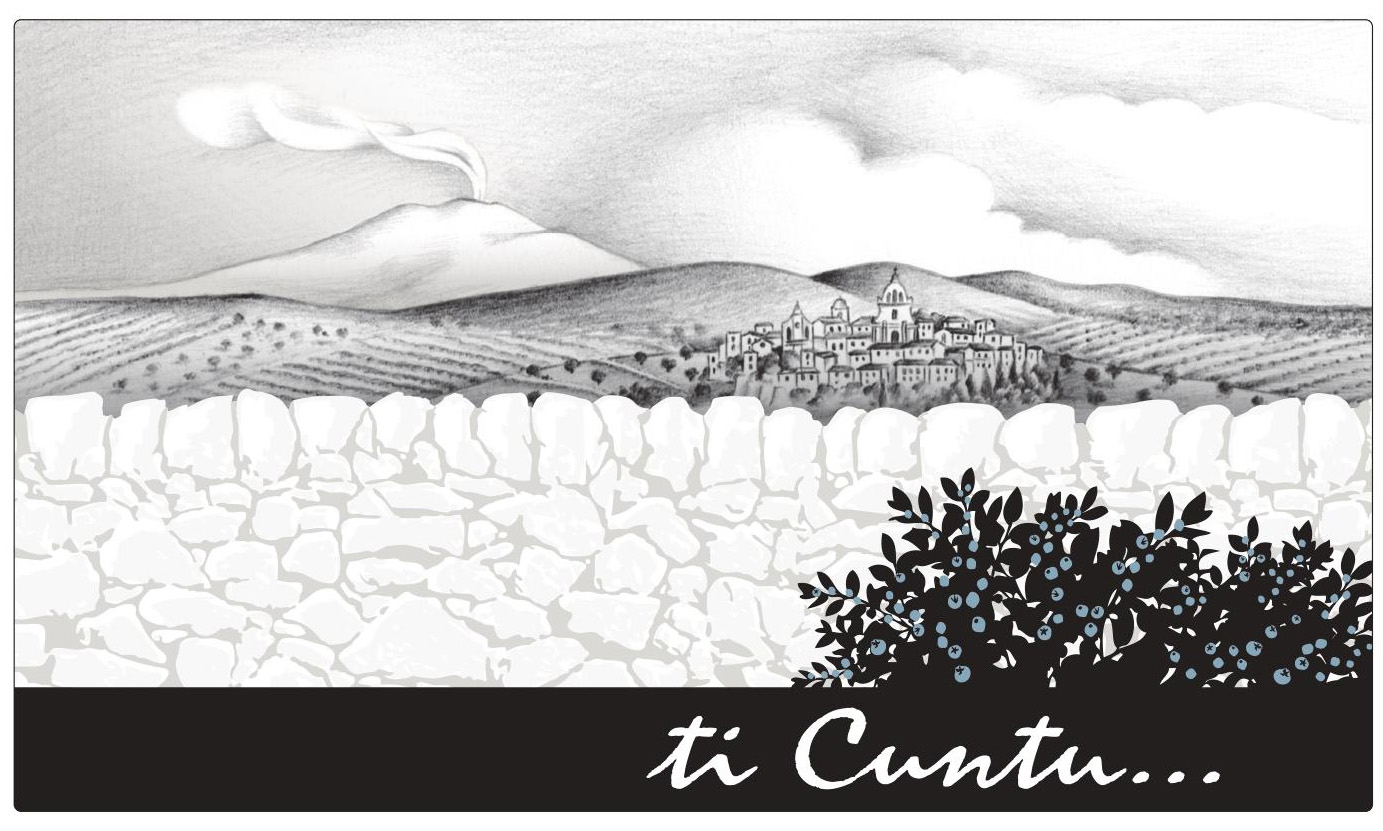
Ti Cuntu… means “I will tell you a story…” in Sicilian dialect and it refers to the ability of the wines made from these native grapes to tell the story of their terroir and of their history. The label shows the dry stone walls and the wild myrtle which characterize their territory.
Frappato is a rare native grape of Vittoria and is almost exclusively grown in Eastern Sicily. The vineyards lie on the sides of Mont Iblei at 300 meters above sea level on a south-west exposure. The relatively infertile terrain encourages the concentrated structure with a light color and beautiful aromatics. Irrigation is generally avoided. There are 4,000 plants per hectare. Agriculture is sustainable and no herbicides or pesticides are used and wild herbs fill the vineyard rows.
Color: Bright salmon pink with garnet reflections
Bouquet: A ripe strawberry, berries, pomegranate, roses and violets fill the bouquet.
Taste: Fresh and berry-filled. The tannins are refined and the acidity lively. The finish is notable and long.
The estate of Tenute Senia was founded in 1850 by the family Nicosia in the Senia district of the province of Ragusa and now consists of 17 hectares total. The vineyards lie on the sides of Mont Iblei at 300 meters above sea level on a southwest exposure. The red soil is clay and sand mixed with stones. The relatively infertile terrain encourages the concentrated structure with a light color and beautiful aromatics. There are 4,000 plants per hectare. The estate prides itself on its sustainable agriculture. Wild fennel, myrtle and mustard along with other wild herbs grow spontaneously between the vineyard rows.
Cerasuolo di Vittoria is Sicily’s first and only DOCG. The name Cerasuolo, it is said, refers to its beautiful cherry red color. Legend goes that the viticultural heritage of the area is due in large part to Vittoria Colonna, Contessa of Modica who founded the city of Vittoria in 1606 and offered the first 75 settlers a hector of land if they promised to produce another hectare of vineyard. The main grapes planted were Nero d’Avola, also known as Nero Calabrese, and Frappato. Frappato is an indigenous grape grown only in Sicily. Its special floral, ripe cherry and ginger qualities are what give Cerasuolo di Vittoria its uniqueness. The rich red soil of sand and small stones together with the warm microclimate of Southern Sicily combine to produce a wine of finesse and enticing fragrance with a fresh, lengthy finish. The marriage of Nero d’Avola and Frappato is a union blessed by Bacchus but both grapes are also spectacular as monovarietals. The Nicosios make Cerasuolo di Vittoria DOCG, Vittoria Nero d’Avola DOC and Vittoria Frappato DOC. They also make exceptional IGT versions just outside the Vittoria area.
Generations of Nicosios have researched the indigenous clones of Nero d’Avola, Frappato, Grillo and Insolia to ensure a production that is genuine and which uses only original clones. The 7th generation, the sisters, Valentina and Angela, now run the estate and they are no less fanatical than their predecessors in the protecting the purity of their wines. In a time when most Sicilian producers are busily planting international varietals such as Cabernet, Merlot, Chardonnay and Syrah, traditionalists such as Valentina and Angela Nicosio are all too few. From the time of the Greeks and Romans, this area of Southern Sicily has been known for its exceptional wine production. Valentina and Angela are working hard to keep this venerable tradition alive.
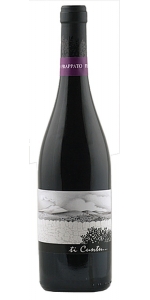
Ti Cuntu… means “I will tell you a story…” in Sicilian dialect and it refers to the ability of the wines made from these native grapes to tell the story of their terroir and of their history. The label shows the dry stone walls and the wild myrtle which characterize their territory.
Frappato is a rare native grape of Vittoria and is almost exclusively grown in Eastern Sicily. The vineyards lie on the sides of Mont Iblei at 300 meters above sea level on a south-west exposure. The relatively infertile terrain encourages the concentrated structure with a light color and beautiful aromatics. Irrigation is generally avoided. There are 4,000 plants per hectare. Agriculture is sustainable and no herbicides or pesticides are used and wild herbs fill the vineyard rows.
Color: Light cherry red with garnet reflections.
Bouquet: A ripe strawberry, black cherry, roses and violets fill the bouquet along with notes of blackberries, raspberries and blueberries.
Taste: Fresh and berry-filled with an intriguing root beer note. The tannins are refined and the acidity lively. The finish is notable and long.
Excellent with cold meats and salamis, seafood and light pasta dishes.
Tinel Blondelet Pouilly-Fume Genetin is made from 100 percent Sauvignon Blanc.
The soil is made of "caillottes" (limestone stones).
"Genetin" is a name given in homage to the original name for Sauvignon Blanc: Muscat Genetin. The Genetin bottling is normally reserved for the most powerful Cuvées in the winery. No oak.
Produced from 25 year-old vines coming from the Villiers limestone terroir, situated in Bouchot.
Traditional vinification in thermo-regulated stainless steel tanks. Following a gentle pressing the juice is then fermented at controlled temperatures before being left to mature on its fine lees to gain extra depth and concentration before bottling in the next spring.
Matured on fine lees bringing finesse to the wine and bottled late in order to let all its roundness evolve.
Yield: 55 hl/ha
A golden colored and mineral wine with elegance and finesse. Can be cellared for 2-3 years.
A mineral-laced smoky accent and citrus aromas. Elegant and powerful on the palate.
Food pairing: shellfish, goat cheese such as “Crottin de Chavignol”. Perfect also as an aperitif.

El Cortijillo Tempranillo La Mancha is made from 100% Tempranillo
Up front aromas of raspberry and cherry fruit, medium to light weight, Rhône wine in character, cherry fruit flavors, followed by bright acidity. Reminds of a mythical cross between a Pinot Noir and a Côtes-du-Rhône. Pleasant and fun, bistro red.
Made from 30 year old vine.
Delicious with Paella, hamburger or pasta. But also great with grilled vegetables. (bell pepper, eggplant, etc)

Finca del Castillo Tempranillo La Mancha is made from 30 year old vine Tempranillo (100%).
This pretty little red has a flavor reminiscent of good Cotes du Rhone. Medium bodied, flavorful; hints of raspberry and strawberry. Shows best with picnic fare and grilled meats. Perfect summer red.
Gambellara Soave I Basalti is made from 100 percent Garganega
Soave DOC (Denominazione di Origine Controllata)
Production area: Soave hills
Vineyard training system: Open pergola
Vinification: Destemming, maceration of the grapes in the must for 12 hours, racking and long fermentation at 18 °C
The color is a brilliant straw yellow with a fresh fruit perfumes, especially apple and pear, and floral notes such as elder and bloom. The taste is very fresh and light, with a very interesting acidity. There is an important presence of mineral salts due to the volcanic origin of the soil. Ideal as aperitif, light main courses such as pasta and risotto, shell fish and fish, soups and vegetables.
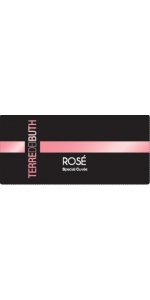
Terre dei Buth Frizzante Rose Special Cuvee NV is made from 90% Glera and 10% Raboso.
Fresh, fruity with hints of gooseberry and redcurrant.
On top of being "Certified Organic", this is also "Vegan Approved".
Glera and Raboso are blended before foaming process into what we call "Special Cuvée", for its outstanding drinkability and delicate scents. Glera, which is the variety used to make Prosecco, brings the liveliness of the most famous Italian sparkling wine to this cuvée, which reaches perfection thanks to Raboso, which is an indigenous red grape of the Venetian region, well-known for its hints of red berries and smooth taste.
The grapes are coming from vines planted on gravelly soils.
Average age of the vines is about 10 years old.
Grapes are machine-harvested, so that the grapes are pressed about 10 minutes after picking,allowing to preserve the freshness of the fruit, and avoiding micro-fermentation that would take place by leaving the grapes for too much time in the vineyard after picking.
Each grape variety is harvested and vinified individually.
After picking, grapes are soft-pressed, and the primary fermentation is completed in about 10 days. Then fermentation takes place for 5-6 months, where the cuvée reaches the appropriate level of acidity for foaming, which is performed in stainless steel tanks, thermo-conditioned, for about 20-25 days.
Pasta, pizza and summer salads.
Review:
medium-length finish displaying accents of peach gummi bear, edible flowers, dole fruit cup juice, and gooseberry. A more serious take on Glera with the body and richness to pair with diverse cuisines."
- Beverage Testing Institute 90 pts - Gold Medal - Best Buy
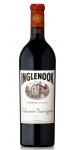
Inglenook Rutherford Cabernet Sauvignon is made from 96% Cabernet Sauvignon, 4% Cabernet Franc.
Stunningly deep ruby in color, the 2019 Cabernet Sauvignon opens with heady aromas of brambly black cherry, vanilla, warm brioche, and crème de cassis. As the wine warms on the palate, notes of red cherry, graphite and fennel emerge, as very polished, refined tannins carry the wine into a long, fragrant finish. Layered flavors, good tension, and a perfect integration of wine and oak interact to create this classic expression of Inglenook Cabernet Sauvignon.
Review:
This shows notes of ripe blackberries and blackcurrants with hints of licorice, cloves, walnuts and chocolate. It has full body and a velvety tannin structure. Juicy and vibrant fruit on the palate with a touch of earthiness. Smooth and delicious. Long, fruity finish. Very pure fruit. Try after 2024.
-James Suckling 95 points
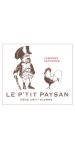
Ptit Paysan Cabernet Sauvignon is made from 91% Cabernet Sauvignon, 6% Petite Verdot, 3% Cabernet Pfeffer.
Oak: 11 months on lees in neutral barrels
The Cabernet Sauvignon is sourced from a vineyard at the foot of the Santa Cruz Mountains west of Morgan Hill, which grows in a mix of granitic and volcanic soils, and a 25-year-old vineyard east of Gilroy, which grows in deep, extremely sandy soils against the foothills of the Diablo Range. The Petite Verdot is sourced from the Paicines AVA and grows in rocky alluvial deposits above the Tres Piños Arroyo. All three vineyards experience the warm days and cold nights typical of the Central Coast, allowing these late ripening Bordeaux varieties to be picked at high acidity and moderate sugars.
Le P'tit Paysan offers intense blackberry, dark cherry aromas, chocolate, herbaceous and toasty notes on the palate. Medium-bodied, well-balanced with moderate and integrated tannins that give structure and liveliness to the wine.
Pairs well with steak, duck, game, hearty stews, ribs, and dark, rich sauces.



