
" We don't sell the wine without touching the vine "
| BUY MORE! SAVE MORE! | ||||||||||||||||||||
|
Senia Ti Cuntu Frappato Rosato is made from 100% Frappato.
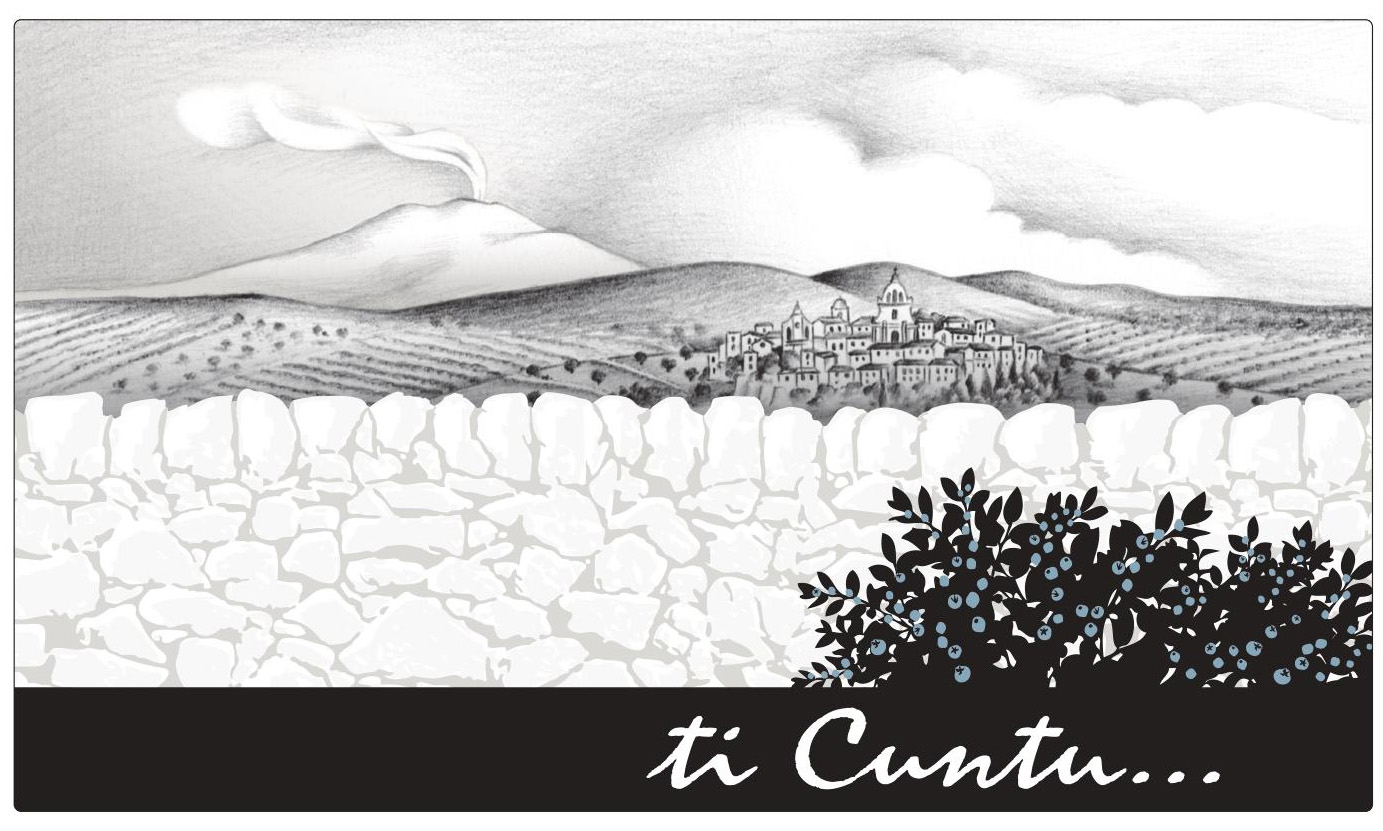
Ti Cuntu… means “I will tell you a story…” in Sicilian dialect and it refers to the ability of the wines made from these native grapes to tell the story of their terroir and of their history. The label shows the dry stone walls and the wild myrtle which characterize their territory.
Frappato is a rare native grape of Vittoria and is almost exclusively grown in Eastern Sicily. The vineyards lie on the sides of Mont Iblei at 300 meters above sea level on a south-west exposure. The relatively infertile terrain encourages the concentrated structure with a light color and beautiful aromatics. Irrigation is generally avoided. There are 4,000 plants per hectare. Agriculture is sustainable and no herbicides or pesticides are used and wild herbs fill the vineyard rows.
Color: Bright salmon pink with garnet reflections
Bouquet: A ripe strawberry, berries, pomegranate, roses and violets fill the bouquet.
Taste: Fresh and berry-filled. The tannins are refined and the acidity lively. The finish is notable and long.
The estate of Tenute Senia was founded in 1850 by the family Nicosia in the Senia district of the province of Ragusa and now consists of 17 hectares total. The vineyards lie on the sides of Mont Iblei at 300 meters above sea level on a southwest exposure. The red soil is clay and sand mixed with stones. The relatively infertile terrain encourages the concentrated structure with a light color and beautiful aromatics. There are 4,000 plants per hectare. The estate prides itself on its sustainable agriculture. Wild fennel, myrtle and mustard along with other wild herbs grow spontaneously between the vineyard rows.
Cerasuolo di Vittoria is Sicily’s first and only DOCG. The name Cerasuolo, it is said, refers to its beautiful cherry red color. Legend goes that the viticultural heritage of the area is due in large part to Vittoria Colonna, Contessa of Modica who founded the city of Vittoria in 1606 and offered the first 75 settlers a hector of land if they promised to produce another hectare of vineyard. The main grapes planted were Nero d’Avola, also known as Nero Calabrese, and Frappato. Frappato is an indigenous grape grown only in Sicily. Its special floral, ripe cherry and ginger qualities are what give Cerasuolo di Vittoria its uniqueness. The rich red soil of sand and small stones together with the warm microclimate of Southern Sicily combine to produce a wine of finesse and enticing fragrance with a fresh, lengthy finish. The marriage of Nero d’Avola and Frappato is a union blessed by Bacchus but both grapes are also spectacular as monovarietals. The Nicosios make Cerasuolo di Vittoria DOCG, Vittoria Nero d’Avola DOC and Vittoria Frappato DOC. They also make exceptional IGT versions just outside the Vittoria area.
Generations of Nicosios have researched the indigenous clones of Nero d’Avola, Frappato, Grillo and Insolia to ensure a production that is genuine and which uses only original clones. The 7th generation, the sisters, Valentina and Angela, now run the estate and they are no less fanatical than their predecessors in the protecting the purity of their wines. In a time when most Sicilian producers are busily planting international varietals such as Cabernet, Merlot, Chardonnay and Syrah, traditionalists such as Valentina and Angela Nicosio are all too few. From the time of the Greeks and Romans, this area of Southern Sicily has been known for its exceptional wine production. Valentina and Angela are working hard to keep this venerable tradition alive.

Ti Cuntu… means “I will tell you a story…” in Sicilian dialect and it refers to the ability of the wines made from these native grapes to tell the story of their terroir and of their history. The label shows the dry stone walls and the wild myrtle which characterize their territory.
Frappato is a rare native grape of Vittoria and is almost exclusively grown in Eastern Sicily. The vineyards lie on the sides of Mont Iblei at 300 meters above sea level on a south-west exposure. The relatively infertile terrain encourages the concentrated structure with a light color and beautiful aromatics. Irrigation is generally avoided. There are 4,000 plants per hectare. Agriculture is sustainable and no herbicides or pesticides are used and wild herbs fill the vineyard rows.
Color: Light cherry red with garnet reflections.
Bouquet: A ripe strawberry, black cherry, roses and violets fill the bouquet along with notes of blackberries, raspberries and blueberries.
Taste: Fresh and berry-filled with an intriguing root beer note. The tannins are refined and the acidity lively. The finish is notable and long.
Excellent with cold meats and salamis, seafood and light pasta dishes.

Tinel Blondelet Pouilly-Fume Genetin is made from 100 percent Sauvignon Blanc.
The soil is made of "caillottes" (limestone stones).
"Genetin" is a name given in homage to the original name for Sauvignon Blanc: Muscat Genetin. The Genetin bottling is normally reserved for the most powerful Cuvées in the winery. No oak.
Produced from 25 year-old vines coming from the Villiers limestone terroir, situated in Bouchot.
Traditional vinification in thermo-regulated stainless steel tanks. Following a gentle pressing the juice is then fermented at controlled temperatures before being left to mature on its fine lees to gain extra depth and concentration before bottling in the next spring.
Matured on fine lees bringing finesse to the wine and bottled late in order to let all its roundness evolve.
Yield: 55 hl/ha
A golden colored and mineral wine with elegance and finesse. Can be cellared for 2-3 years.
A mineral-laced smoky accent and citrus aromas. Elegant and powerful on the palate.
Food pairing: shellfish, goat cheese such as “Crottin de Chavignol”. Perfect also as an aperitif.

El Cortijillo Tempranillo La Mancha is made from 100% Tempranillo
Up front aromas of raspberry and cherry fruit, medium to light weight, Rhône wine in character, cherry fruit flavors, followed by bright acidity. Reminds of a mythical cross between a Pinot Noir and a Côtes-du-Rhône. Pleasant and fun, bistro red.
Made from 30 year old vine.
Delicious with Paella, hamburger or pasta. But also great with grilled vegetables. (bell pepper, eggplant, etc)

Finca del Castillo Tempranillo La Mancha is made from 30 year old vine Tempranillo (100%).
This pretty little red has a flavor reminiscent of good Cotes du Rhone. Medium bodied, flavorful; hints of raspberry and strawberry. Shows best with picnic fare and grilled meats. Perfect summer red.

Gentilhommes Macon-Peronne is made from 100 percent Chardonnay.
A gentilhomme is a gentleman characterized by his delicacy, thoughtfulness, and courtesy. "Les Gentilhommes" was created by brothers Richard and Stephane Martin as brand embodying the gentleman's character combined with Burgundian know-how.
From the work in the vineyard to the vinification in barrel, they are inspired to share these noble values. Quality, authenticity and long family tradition are the foundation of these wines.
This single-vineyard Chardonnay is produced in the village of Péronne, in the heart of the Maconnais region in Burgundy, from 40 year-old vines planted on the limestone based soils of the Mount Epin.
A beautiful golden color with green reflections, delicate toasty notes and attractive aromas of citrus and ripe summer fruits combine with floral and honey nuances that are typical of the old vines.
Fresh, ample and full-bodied on the palate, the wine is perfect by itself as an aperitif and delicious during the meal.

Gentilhommes Vire-Clesse is made from 100% Chardonnay.
A gentilhomme is a gentleman characterized by his delicacy, thoughtfulness, and courtesy. "Les Gentilhommes" was created by brothers Richard and Stephane Martin as brand embodying the gentleman's character combined with Burgundian know-how.
From the work in the vineyard to the vinification in barrel, they are inspired to share these noble values. Quality, authenticity and long family tradition are the foundation of these wines.
This single-vineyard Chardonnay is produced in the village of Clessé, in the heart of the Mâconnais region in Burgundy, from 45 year-old vines planted on the limestone based soils of the Mount Epin.
Brillant robe with golden reflections. A nose with pear and white peach notes. Fresh, ample and full-bodied, a great balance in the mouth, with tension and subtle wooden notes. The elegance of this pure wine lingers on the palate.
Harvest is made by machine on non-irrigated vineyard. The wine has been aged on fine lees for 10 months with the major part in a stainless steel vat and the remaining in new oak barrels made out of French oak of a high quality.
No use of sulfites during harvest and vinification.
Fresh, ample and full-bodied on the palate, the wine is perfect by itself as an aperitif and delicious during the meal with grilled fish tacos or a Pad Thaï.

The Peumo Vineyard is located 170 m above sea level and extended along the Cachapoal River, on terraces of hills of the Coastal Mountains. The vines come from pre-phylloxera cuttings and are trellised to vertical shoot position and cordon pruned. The soils are deep with an upper layer of clay that retains moisture, which controls the vines’ vigor and growth and allows them to remain active through late May, when the Carmenere is picked.
Deep, dark red with hints of violet. Elegant and mineral on the nose, with notes of blackberry and a touch of blackcurrant. It fills the palate with underlying mature tannins. Deep, concentrated, with a long aftertaste and distinctive hints of the Peumo terroir. This 2018 vintage is characterized by its elegance and freshness; it is a wine with a lot of Carmenere character. Pairs best with elegant but simply prepared dishes such as juicy, rare roast beef, veal, pork tenderloin with roasted beets and cranberries, duck (con t or magret). Also delightful with squash-stuffed pasta with morel mushrooms or aged goat cheese with figs.
Review:
Carmín made its debut with the 2003 vintage, and since then it has come from a selection from Block 32, a sector of the vineyard in Peumo, on the banks of the Rapel River. Of its 28 hectares, seven are actually used and usually produce about 18,000 liters. The vineyards were planted in 1983 on stony clay soils on the hills that flank the Cachapoal River on its way to Lake Rapel. This was a cool year, and that's evident in the herbal notes and red fruits that fill the nose. The palate is generous in ripe red fruits, as well as in the herbal tones that refresh and add complexity at the same time. The texture is friendly, although it leaves room for a layer of very fine, sharp tannins that contribute tension, while the fruits and herbs continue their private party. We think this is the best version of Carmín that we have tried—far from the first Carmíns, which were tremendously ripe and extracted and far from this balance and elegance. Carmenere at the highest level.
-Patricio Tapia - Descorchados 98 Points

Green & Social Rueda Organic Verdejo is made from 100 percent Verdejo.
The launch of green & social is a step forward in pursuit of the sustainability by Cuatro Rayas and the starting point of new environmental initiatives in support of the social economy that the Cooperative launched. Lightweight recycled glass to reduce emissions. Aluminum capsule free of plastics and 100% recyclable. Sugar cane cap with zero carbon footprint.
Green and social Rueda offers a straw yellow color with bright green hues and exhibits fresh, citrus fruit and balsamic aromas that are typical of the Verdejo variety. Its simplicity and purity find a dynamic and seductive path between fresh flavors, finesse, and minerality. It is a fresh and crisp wine.



