" We don't sell the wine without touching the vine "
| Country: | United States |
| Regions: | California California (Lodi) |
| Winery: | Uvaggio |
| Grape Type: | Primitivo |
| Vintage: | 2015 |
| Bottle Size: | 750 ml |

Blending Detail:
Grenache speaks loudly in the Bésoleil with notes of pomegranate, red raspberry, and strawberry leaf. The Counoise and Cinsualt bring bing cherry fruit and blueberry notes to the table, complicated by pepper and garrique. Mourvedre donates a wild meatiness to the blend, and a purple hue. Syrah rounds things out, adding texture, and flesh to the palate.
Review:
The first vintage where they’ve pushed the bottling back to give the cuvee 16-18 months in barrel, the 2015 Besoleil is a dead ringer for a high-quality Chateauneuf du Pape and offers perfumed notes of herbes de Provence, kirsch, licorice and sweet spice. It’s medium to full-bodied, textured and fruit-forward, with a hedonistic yet elegant profile that’s going to evolve gracefully.
Robert Parker 91-93 Points

Cortenova Primitivo is made from 100% Primitivo
The grapes are harvested and immediately pressed at controlled temperature. Fermentation is carried out with maceration on the skins for 10-12 days; daily remontages; malolactic fermentation.
Dark, ruby-red color with violet highlights. Intense and fragrant bouquet with a rich array of red and black fruit aromas and flavors. Harmonious and velvety on the palate. Great balance and structure.
Excellent with grilled or roasted meats, game and cheeses.

Grace Town Old Vine Zinfandel Lodi is amde from 98% Old VIne Zinfandel + 2% Cabernet Sauvignon.
Ruby red in color, with red fruit, raspberry, and spice on the nose. This wine is medium in body, with notes of ripe cherry, cedar box, cinnamon, anise, black pepper, and hint of smoke on the palate. It has a long, silky finish.

La Rioja Alta Gran Reserva 904 is made from 90% Tempranillo, 10% Graciano
The 2015 Gran Reserva 904 Tinto offers great aromatic complexity, with notes of wild strawberry, red cherry, plum, blackberry and cranberry combined with aromas of tobacco, brioche, ground coffee, caramel, cedar and cinnamon blossom. The alcohol and acidity are elegantly balanced on the palate and its polished, gentle tannins and freshness provide a smooth and refined mouthfeel. Fine, delicate and very long aftertaste, that will continue to be rounded with time in the bottle, making this new Gran Reserva 904 a wine with great cellaring potential.
Especially recommended with all kinds of meat and stews, seasoned fish and desserts with chocolate or red fruit toppings. Perfect as an after-dinner drink.
Review:
A perfumed nose of plums, mulberries, mushrooms, caramel, sweet tobacco and sweet spices. Full-bodied with velvety, fine tannins and lively acidity. Balanced and supple with a creamy texture. Delicate and precise with a long, polished finish.
- James Suckling 97 Points

Salmon hue with bright red tints. Fine and energetic bubbles. A ripe, complex and youthful bouquet of slightly tangy red fruit (redcurrants, blackcurrants), ripe citrus (blood orange) and roasted cocoa beans. After some time in the glass, the wine reveals sappier, floral and sweet notes with a saline, almost briny, core. The first impression of the wine is of a generosity, softness and concentration. One has the sensation of biting into juicy, ripe fruit and blood orange, it is a fabulous aromatic explosion with luscious and slightly tangy overtones. The concentrated and dense body takes over and reinforces the impression of substance, of concentrated liqueur on the mid-palate. The finish stretches out, perfectly-honed, gradually revealing umami notes thanks to the precise and crisp mineral freshness.
Reviews:
The 2015 Brut Vintage Rosé is generous and demonstrative, bursting with aromas of peach, orange and pear mingled with hints of red berries, fresh bread and ginger. Full-bodied, layered and vinous, it's rich and enveloping, its textural attack segueing into an ample, fleshy core that's girdled by bright acids and enlivened by a pillowy mousse. Long and expansive, it's more generous and gourmand than its racier 2014 predecessor, but just as good.
-Wine Advocate 94 Points
This shows lots of cotton candy and peach, together with strawberries and cream. But not overpowering. Some cranberry, too. It’s medium-to full-bodied with fine bubbles and a lively finish. Dosage 8g/L. Drink now or hold.
-James Suckling 94 Points

Paradigm Cabernet Sauvignon is made from 90% Cabernet Sauvignon, 8% Merlot, 1% Petit Verdot, 1% Cabernet Franc
20 months in French oak (only about a third of that is new oak) and for 20 more months in bottle before release
Our winemaking "style" is solely determined by this place or terrior we call "Paradigm." Winemaking is agriculture when you own your vineyards and are able to farm them to promote the very best Earth will give you. All of our selections of wines are made from five varietals on the estate. Every wine is 100% farmed and grown by us.
Complexity in our wines supported by luscious fruit and acidity is our hallmark. Our efforts during harvest and barrel cellaring concentrate on maintaining the freshness from the first day we handpicked each vineyard block. Simple winemaking protocols are employed while crucial “timing” oriented winemaking decisions rule each day.
The 2015 vintage produced delicious concentrated wines in smaller quantity than normal. This black raspberry colored Cabernet has lovely open aromatics of black cherry, berry, and plum layered with a perfect balance of new and used French Oak.
Reviews:
"Owned and managed by the Harris family, Paradigm winery produced its first vintage in 1991 in Oakville with winemaker Heidi Barrett. A self-contained winery estate with 50 acres of vineyards, Paradigm maintains a hands-on approach to all winemaking and vineyard operations. The 2015 Cabernet Sauvignon consists of 89% Cabernet Sauvignon, 6% Merlot, 3% Petit Verdot and 2% Cabernet Franc, and is aged in both new and used French oak for 20 months, then aged a further 20 months in bottle before release. The total production for this vintage was 5,544 bottles." Blind tasted by Dave Allen, Stephen Brook, Terry Kandylis (at Decanter Magazine's December 2019 Californian Cabernet 2015 Panel Tasting, London, 17 Sep 2019) - Decanter 95 Points
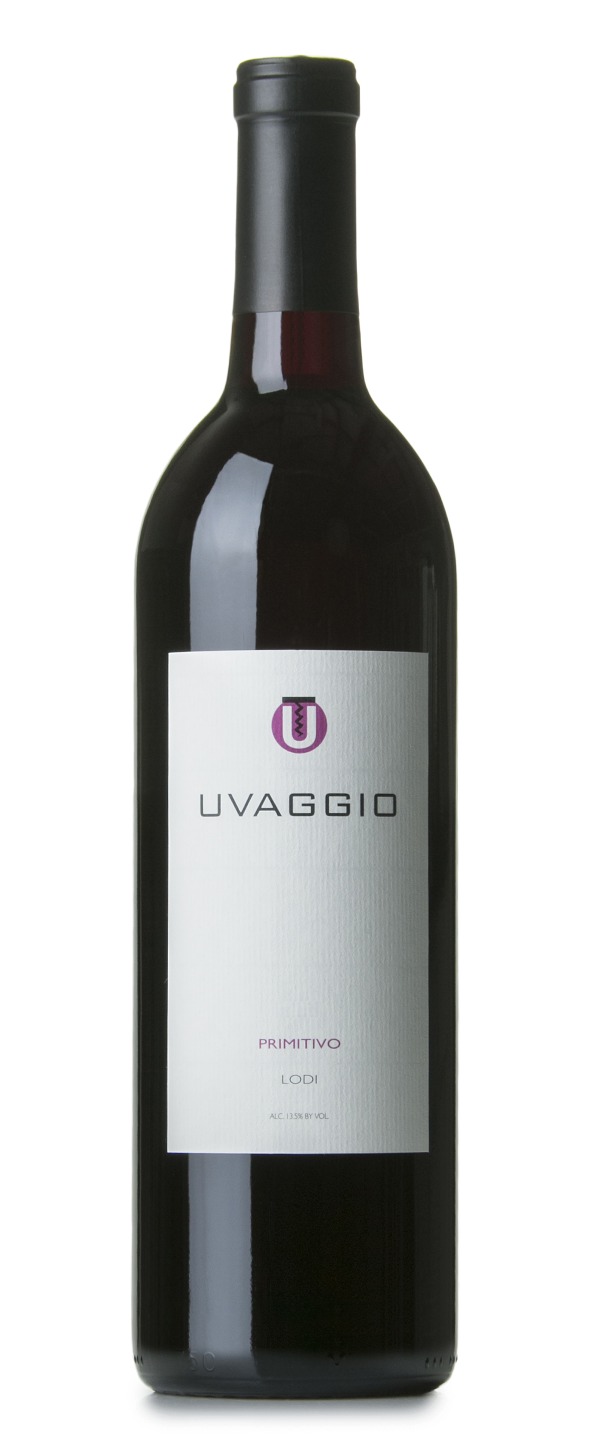
Uvaggio Primitivo Lodi is made from 87% Primitivo, 13% Barbera
As we traverse the highways and byways of the wine world, the number-one question we encounter is “are Primitivo and Zinfandel really the same wine?” Well, yes and no. After years of genetic research, ampelographers discovered both are clones of a Croatian grape called Crljenak Kaštelanski (aka: Tribidrag). This means they’re not exactly the same (but oh so very close). It’s lively and fruity, generally offering a brighter expression than typical Zin (think fresh blueberries, not blackberry preserves). Neither Croatian or Pugliese, ours is a perfect complement with America's farm-to-table cuisine.
Decades ago we helped pioneer an 'old vine' Zin revial in the Napa AVA, plus planted Napa's first Primitivo. We have moved-on to a more cost effective AVA, sourcing from a vineyard planted for the Prisoner program.
Fruity and engaging; having a briary aroma of blackberry, floral notes like violet and a hint of spices like clove; with berry and cherry flavors, it has a bold and firm finish.
Harvest in mid Sept was followed by several days of cold maceration, after which the must was inoculated with a fruit enhancing strain of yeast. Immediately following the primary fermentation and pressing, the wine went into older neutral barrels for a malo-lactic conversion. While only minimally handled, late spring of the following year it was racked and we blended in a small percentage of Barbera, to enhance its expression and add complexity. Aging continued for another three months in neutral oak cooperage.
Bottled in Aug 2016; 14.9% alcohol, pH 3.58 & TA 6.0 g/l
Review:
"A wine for grown-ups, this is big but balanced and dry in style. It matches impressive layers of just-ripe blackberry and black-plum flavors with a sturdy structure of fine-grained tannins that clean the palate easily. It has considerable depth and focus, indicated by how the dark fruits seem to keep increasing in intensity even on the finish. - JIM GORDON"
- Wine Enthusiast (October 2017), 92 pts - Editors' Choice
Uvaggio makes wine in California from grape varieties indigenous to Italy and the south of France.
Our theory is that if California has a climate which is great for growing Mediterranean varietals, why not take advantage of it? Since we have been on this path for a couple of decades now, we think we have found the right places, for growing these cultivar, primarily in Lodi So we urge you to discover this for yourself and try our wines.
Our expressions are steeped in California's traditions, with a nod towards Europe’s restraint, so you will our wines to be a contemporary synthesis of these two approaches. We produce white wines that are fresh, aromatic, dry and rarely exceed 12.5% alcohol. None of our barrel-aged reds are rarely exceed 14.5% alcohol. The only sweet wines we offer are purposely crafted to be sweet.
We are passionate about wine and food affinities, the magic that occurs when they resonant.
In By 1979 Jim had joined the Robert Mondavi Winery in Oakville and spent two decadess at what was then perhaps California’s most renowned, if not iconic, winery. Working for such an innovative and dynamic winery lead by a truly inspirational founder, afforded many benefits. In conjunction with course work in winemaking and wine business at UC Davis, his efforts resulted in several career milestones. Among them, he envisioned and developed La Famiglia di Robert Mondavi in California, while helping to launch Luce and Lucente from Tuscany - a collaborative effort with the Frescobaldi family of Florence.
Some of his other accomplishments included developing two vineyard trial blocks to evaluate the performance of Italian and Rhône varieties. He also helped to develop the company’s Burgundian-inspired, Carneros appellation Chardonnay and Pinot Noir. Jim reintroduced Zinfandel to the portfolio (from Napa Valley’s miniscule old vine sources) and totally revamped the style and packaging for Moscato d’Oro. His efforts earned many accolades, including three Wine Spectator Top 100 Wines of the Year, as well as a coveted “tre bicchiere” from Gambero Rosso, Italy’s pre-eminent wine guide. After being promoted to Assistant Winemaker, he was tasked with helping to elevate the quality of Mondavi’s entire Napa Valley portfolio and planned cellar renovations.
In 1998, Moore left Mondavi to develop l’Uvaggio di Giacomo, which translates as “the Blends of James” (or in other words “Jim’s Wine”) which he had begun with the 1997 vintage. He also served as the consulting winemaker for several new Napa Valley start-up ventures, along with helping revive the fortunes of a small, family winery in St Helena. Seeking a break from Napa Valley, in early 2003 he became Director of Winemaking for Bonny Doon Vineyard/Ca’ del Solo, only leaving to devote himself full time to revitalizing his Uvaggio project.
Today the Uvaggio label is a vinous statement four decades in the making. The diverse portfolio consists of a range of wines, though focuses on Vermentino and Primitivo. Emphasizing attributes like vibrant flavors, moderate pricing, lower levels of alcohol, and balanced expressions, these are wines crafted for food affinity and daily enjoyment, bringing an Italian sensibility to the American table. With a belief that wine’s primary role is to accompany a meal, the success of the Uvaggio rests on three important attributes - their accessibility, harmony and value.
Jim Moore is a graduate of UCLA and has traveled extensively in northern and central Italy and for several years worked side-by-side with winemakers in Tuscany. Valuable time was also spent during repeat visits to France’s Burgundy and Bordeaux regions. Jim resides in Napa, endeavoring to explore new vinous horizons daily.
Jim Moore’s creation and development of his own wine label - Uvaggio - is a gratifying personal achievement. His approach to winemaking seeks to optimize each vineyard’s potential by using rather basic and straightforward techniques to craft distinctive wines from lesser known grape varieties grown in the New World.
His winemaking style is as much Mediterranean as it is Californian Tasted blind, one might actually imagine they come from regions bounded by the Adriatic or Tyrrhenian Seas, not the Pacific Ocean. These are not typical wines from a typical winemaker. With a career spanning four decades and having vinified grapes from most of California’s diverse regions (and in several parts of Italy) and across a broad range of cultivars (everything from Arneis to Zinfandel), his winemaking experience is prodigious, differentiating the Uvaggio wines from California’s typical, Franco-centric offerings.
Jim’s interest in Italian grape varieties began long before Pinot Grigio became ubiquitous in the market. While working in restaurants during college, followed by managing a fine wine retailer, his exposure to a vast spectrum of the world of wine inspired taking up a career in winemaking.
Mel Knox’s insight, knowledge, curiosity, and connections were ultimately parlayed into a successful business importing and selling wine barrels. Taransaud and François Frères are among the French cooperages he helped establish as the go-to barrel manufacturers for winemakers in the USA. He has subsequently had wine cuvées (and children) named after him, and although presently immersed in a state of semi-retirement, he staves off senescence with his involvement in Uvaggio.

Pierre Olivier Sparkling Rose NV is a value sparkling rosé, made with Tempranillo grapes from around the French/Spanish border (next to the Pyrenees). This is a new Kysela Project.
This wine is aromatized with a very little amount of Raspberry flavor, giving a nice mouthfeel, with an extra aromatic boost.
The bubbles are obtained using the Charmat method, named after Eugene Charmat, where the second fermentation takes places in a large, closed pressurized tank. It is different from the Methode Champanoise as the secondary fermentation doesn't take place in the bottle.
"Pale pink salmon. Just a touch off-dry, this is a very pleasant sparkler that reveals aromas of spicy red apple with a hint of cinnamon that carry through to the palate. Well made and exceedingly pleasant to drink."
- International Wine Review (Annual Rosé Report / April 2013), 89 pts

Baron Aime Cremant de Bourgogne Brut Rose NV is made from 85% Pinot Noir & 15% Chardonnay.
Light pink color with coppery shades. The citrus notes blend subtly with aromas of strawberry, forming a fresh and delicate bouquet. The palate is lively, with notes of grapefruit and fresh bread. Together they form a rich, fresh and vibrant wine.
Review:
"Steely amber color. Aromas and flavors of strawberry, green apple, toasted oats, and creme fraiche with a satiny, lively, finely carbonated, dry light-to-medium body and a tingling, intricate, medium-length finish that presents overtones of slightly under ripe wild strawberries, apricot, warm bread dough, and lemon zest. Lively and bright for a perfect apéritif yet with just enough richness and body to carry you in seamlessly to the first course."
- Beverage Testing Institute (November 2022), 94 pts - GOLD MEDAL - BEST BUY

Toza Crianza Jumilla is made from 100% Monastrell (Mourvedre). Toza Crianza is a classic example of the Monastrell variety from the Mediterranean region, made from hand harvested old vines and aged 12 months in oak barrels. This Spanish red is rich, toasty, round and velvety.
Review:
Review:
"Opaque ruby. Dark berries, coconut and a hint of spiciness on the powerfully scented nose. In a round and generous style, showing very good depth and appealing sweetness to the blackberry and cherry cola flavors. Soft, even tannins add gentle grip to a long, smooth finish that leaves hints of vanilla and dark fruits behind. Raised in a combination of French and American oak barrels. - Josh Raynolds"
- Antonio Galloni's Vinous (March 2021), 90 pts

Mt Monster Chardonnay is made from 100 percent Chardonnay.
Gentle pressing and free run juices create the base of this wine.
Traditionally Mt Monster Chardonnay is 100% fermented and matured in stainless steel, this receives some lees contact to add texture and complexity to the palate, but essentially this wine is pure Chardonnay fruit.
Review & Tasting notes:
Bright straw color, with hints of lime green. Fresh figs and melon, with vibrant lemon citrus fruit. The nose also shows some yeast complexity from extended lees contact. Fresh tangy melon fruit flavors, & a clean acid finish. Although it may benefit from up to 2 years maturation in bottle, this wine is best consumed when young and fresh.
- Australian Wine Showcase (December 2016), 94 pts

Vintage Unknown
All older vintage wines have been purchased from a single collectors cellar. Pictures can be requested before shipment.

Luis XIV Lo de Pepitin is made from 80% Monastrell,14% Giro, 3% Arcos and 3% Bobal.
"Wine from a historic plot, named after Mr. Pepitin, the farmer who looked after these vines throughout his life."
Old vines (1980) planted in a bush style and dry land. 610 metres above sea level in the town of Biar. Sandy clay loam soil, with a high presence of limestone. Historic plot, reproduced by massal selection and with a wide variety of old clones of traditional Alicante varieties.
Production: Indigenous yeasts in our 19th century winery.
Fermentation: 50% in stainless steel, and 50% fermentation in vats.
70% Grapes crushed by foot and destemmed manually.
30% whole bunches.
Low extraction.
Aging : 50% of the wine was aged for 8 months in 500-liter French oak barrels ; and the other 50% were aged for 8 months in century-old 500-litre Amphora from Villarrobledo, considered the finest in Spain and which allows the wine to be stored inside without any coating: just pure clay.