
" We don't sell the wine without touching the vine "
.jpg)
| BUY MORE! SAVE MORE! | ||||||||||||||||||||
|
| Country: | Spain |
| Region: | Rias Baixas |
| Winery: | Valminor |
| Grape Type: | Albarino |
| Vintage: | 2024 |
| Bottle Size: | 750 ml |
Valminor Albarino Rias Baixas is made from 100 percent Albarino.
Albariño is a Portuguese grape, native to the Miño River region, which separates Galicia & the Rias Baixas DO from Portugal. Albariño has a characteristic citrus aroma & high acidity.
Valminor Albarino presents a yellow straw color. On the nose, the wine shows a wide fruity range of aromas, with notes of fresh grapefruit, apricot and melon. In the mouth, Valminor combines fruity flavors and freshness with a rounded acidity, resulting in a balanced wine that boasts an opulent taste and slight spritziness.
Review:
"Elaborate swirls of lime, lemon, passionfruit and white peach entice the nose whilst the pristine purity of acidity and mineral freshness disarms the terroir-driven palate. Salty, linear and tangy, demonstrating Atlantic style at its best."
- Decanter World Wine Awards 2025, 97 pts and Platinum Medal
The Valminor Estate
One of the newcomers, Adegas Valmiñor was founded in 1997 and is based in Rosal and boasts a new, ultramodern winery that produces 25,000 cases yearly of 100% Albariño "Valmiñor". (Note: “Adegas” means “bodegas” [winery] in the local Galician dialect). Owner, Carlos Gomez, makes about 3 different white wines, but Albariño is his speciality.
Carlos Gómez started Valmiñor in 1997 and headed up the project to build and open the new facilities in 2001. A trained executive with extensive experience in the wine business, Carlos founded Valmiñor and has since continued to expand the group's capacity to include Bodegas Ebano in Ribera del Duero in 2004, and more recently acquired a second Rías Baixas producer, Viñas o Torroxal. Today the group also includes a distribution company, as well as an agricultural services organization.
he winemaker Cristina Mantilla has been working as Valminor's winemaker since the very beginning in 1997. She obtained a Chemical Degree at the prestigious University of Santiago de Compostela and post-graduated in Oenology and Viticulture in Madrid. She started working in Rías Baixas but as her experience grows she also works beyond the Galician borders. In 97 Carlos Gómez founded the winery and Cristina Mantilla decided to join and give birth to a new and dynamic project with a very clear idea in mind.
Cristina has been the sole winemaker from the very first vintage of all the wines elaborated at Valminor and the bodega in Ribera del Duero, EBANO.
Cristina has furthered her carreer by producing white wine from 100% Loureiro grapes (skin contact versions) and she made the first ever Rosé style wine in Galicia. She is definitely a pioneer in making unique wines in Galicia.
The Valminor Vineyards
Galicia has a mild climate without dramatic changes in the weather, a soil rich in minerals and excellent conditions for maturing and it makes this valley the perfect place for growing quality varieties like Albariño, Loureiro and Treixadura.
Adegas Valmiñor owns 34 hectares in O Rosal, and uses purchased fruit from two prime growing areas: 40% Cambados and 60% Arbo fruit (a unique micro-climate that is a touch warmer than other areas). The Cambados region is located on the coast and provides acidity and freshness to the wine. Together the two fruit sources make a superb blend. Valmiñor means "minor valley" and today Valmiñor has built a new winery in O Rosal.
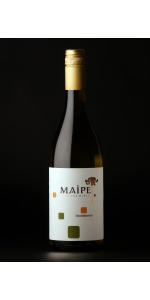
Maipe Chardonnay 2013 is made from 85% Chardonnay, 15% Viognier.
Manual harvest.
5 hour maceration on skins in temperature controlled steel vats; fermentation with selected yeasts at 14°-16°C; 30% malolactic fermentation.
30% was aged in French oak barrels.
Brilliant yellow golden color with green hints.
The wine is crisp and filled with white peach, pear, green apples flavors, toasty vanilla. Elegant and luscious wine, well balanced. Crisp and long finish.
Pairs well with creamy soups, pork, veal, vegetables.
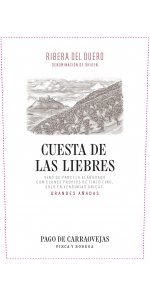
Pago de Carraovejas Cuesta Liebres is made from 100% Tinto Fino. The plot is located on a terraced hillside located at 900 m above sea level with slopes that range between inclines of 30% and 40%. Red cherry color with purple hues. Ripe fruit aromas, vanilla notes. Suave and unctuous in the mouth. A strong and noble character.
The harvest is carried out by hand using small crates and after passing through a refrigerated container it is transferred into tanks via gravity. The alcoholic and malolatic fermentation is carried out in small French “Haute Futaie” Oak casks with unique and original local yeasts and fermenting bacteria from the vineyard itself, to bring out the very best of the terroir, respecting the uniqueness of each and every vintage. Clarified with egg whites and bottled by gravity with natural cork stoppers.
Review:
"From the vineyard of the same name, the 2021 Cuesta De Las Liebres is a knockout, from a hillside vineyard of terraced vines. Aged 24 months in French oak, the first year in new, the second in second-use, all fine-grained, and bottled in June 2024, the tannins are well-integrated and dusty, nearly chalky. It’s truly a beautiful expression of variety, vintage, and site, reaching perfection in its fine-tuned, full-bodied layers of rich cassis, oak spice, and even a touch of garrigue. There’s lovely acidity throughout that brightens the palate, with beguiling notes of violet that never fade away. It’s a seamless, polished, gorgeous wine that will be hard to resist, though aging will continue to see it melt into one over the next 15-18 years. - Virginie BOONE"
- Jeb DUNNUCK (August 2025), 100 pts
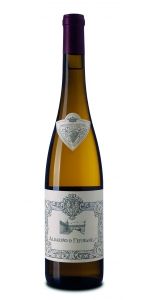
Fefinanes Albarino de Albarino is 100 percent Albarino
Fresh fruit aromas of apricot and peach slices with notes of lemon and green apple. Pretty notes of honey and wet nutmeg, and the mouth is round, clean, and pleasant with baked apple, honey, and lemon.
This is a classic Albariño which is good young, but actually improves over two to three years and remains quite drinkable for up to five years. Owner Juan Gil comments that the wine really starts to come into its own in June/July, and he actually prefers it 18 or more months after it's made. A Fefiñanes "vertical" of three or four vintages can provide some most interesting surprises.
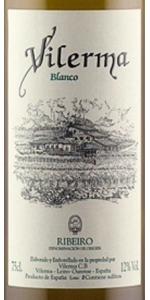
Vilerma Blanco Ribeiro is made from 80% Treixadura, 6% Torrontes, 4% Godello, 4% Albariño, 3% Loureira and 3% Lado
Ribeiro blanco is produced from estate-grown grapes using traditional winemaking.
Pale yellow color with green highlights.
Intense white fruit aromas when young, it develops complex nuances after a few years in the bottle.
In the mouth it is ample, full and pleasant with a long and fruity finish.
Fermentation in Stainless Steel tank at controlled temperature.
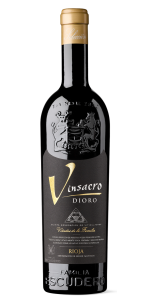
Vinsacro Dioro Seleccion is made from 100% Vidau (Blend of the de varietals Tempranillo, Graciano and Mazuelo with predominance of 70+ years old Garnacha).
A wine to enjoy.Vinsacro Dioro, a wine inspired by the Egyptian, Greek and Roman cultures that worshipped wine and gave it a sacred meaning associated with joy and festivity. It is the fruit of our best vineyards, living witnesses to the work and passion of the four generations that preceded us.
Pair with Roast lamb or pork, game, beef steaks, stewed meats. During the aperitive, it will accompany as well with aged and blue cheese.
14% Vol.
Grapes selected manually from our vineyards located on the southern slopes of Monte Yerga in the “Cuesta la Reina” estate. Grapes that are harvested with the utmost care, transported at low temperature in fruit boxes to the winery to avoid any damage to the fruit.
Fermentation is carried out with indigenous yeasts and the wine is kept in maceration for 30 days while breaking the cap daily. Afterwards, the wine is transferred to oak barrels where it remains for 17 months before bottling.
"Really sophisticated and polished with vanilla, coffee, earth and spice scents and oaky flavours. Long, brooding finish."
- Decanter World Wine Award (April 2022), 94 pts
"The 2019 Vinsacro Dioro Selección is a Vidau field blend sourced from Monte Yerga in Rioja Oriental. Aged for 18 months in French and Eastern European oak barrels, it is only released after five years in the cellar. Dark garnet in color, time in the glass reveals soy sauce, bay leaf and thyme notes, along with black fruit and chutney-like undertones. Dry and rich on the palate, it flows with softened tannins and a clingy mouthfeel, lingering long with an impression of tomato leaf. This is a complex, nuanced and solar red that will warmly captivate your palate. - Joaquin HIDALGO"
- Antonio Galloni's Vinous (April 2024), 94 pts
James Goddard was an ancestor of the Clarke family. Born in West Sussex, England in 1823, James spent his 74 years as a sailor, a whaler, a bullock driver, farmer, prospector, miner and hotel keeper. From an illiterate runaway living rough on the streets of London, he became a rich, successful and admired pillar of South Australian society.
James arrived in Adelaide in 1839 as a 16-year-old sailor. Twelve years later, his life changed forever with the news of gold findings. For the next 20 years, James roamed the country learning the geology that improved his chances of prospecting.
James Goddard Shiraz is made from 100 percent Shiraz.
In 1870, he tried his luck near his farm in the Barossa Valley and discovered the region’s first gold deposits, creating the prosperous Lady Alice Mine. The Lady Alice Mine, though it is no longer operational, was & still is the most successful gold mine in South Australia. From these roots, the Thorn-Clarke family has been connected to the region for the last 150 years.
James Goddard Shiraz is a blend Shiraz sourced from the Milton Park vineyard in the north of Eden Valley, and the St Kitts vineyard in the far northern area of the Barossa. Fruit is harvested in the cool of the night to maintain maximum flavour and freshness and it is fermented for 8 days. The ferment is pumped over twice daily to extract the colour and flavour from the fruit. Once finished fermentation the wine was then matured in a blend of French and American oak for a period of 10 to 12 months depending on the vintage.
Deep vibrant red with purple hues to the rim. The nose shows lifted plums, vibrant purple berries and a delicate spice note. The palate has concentrated satsuma plum, blackberry with lovely charry oak in the background. Long, juicy and even with plush fruit on the finish.
Review:
“Blended from two estate vineyards, St. Kitts and Milton Park, this shiraz offers its richness without any aggression or overt perfume. It’s just lush and delicious, a friendly embrace of firm tannins and purple-red fruit. The texture and flavor combine in a saturated meatiness, for Korean barbecue.”
- Wine & Spirits Magazine, 92 points
Fefinanes Albarino de 1583 Albarino is made from 100% Albarino.
Aged for 5 months in oak barrels (a combination of fine-grained American and French Allier barrels).
1583 is the birth date of the Viscount of Fefinanes, Gonzalo Sarmiento Valladares, builder of the Castle of Fefinanes, in Cambados.
They wanted to pay tribute to their ancestor with this wine that managed to reach a perfect harmony between the fruitiness of the Albarino grape and the complexity brought by the oak aging.
Lovely straw yellow color, clean and bright. The nose is reminiscent of ripe crystallized fruit and spices. The palate is elegant, round and well balanced, with a silky texture.
Excellent with shellfish, grilled or stewed fish, white meats, poultry.
Fefinanes Albarino de Albarino is 100 percent Albarino
Fresh fruit aromas of apricot and peach slices with notes of lemon and green apple. Pretty notes of honey and wet nutmeg, and the mouth is round, clean, and pleasant with baked apple, honey, and lemon.
This is a classic Albariño which is good young, but actually improves over two to three years and remains quite drinkable for up to five years. Owner Juan Gil comments that the wine really starts to come into its own in June/July, and he actually prefers it 18 or more months after it's made. A Fefiñanes "vertical" of three or four vintages can provide some most interesting surprises.
Fefinanes Albarino de Albarino is 100 percent Albarino
Fresh fruit aromas of apricot and peach slices with notes of lemon and green apple. Pretty notes of honey and wet nutmeg, and the mouth is round, clean, and pleasant with baked apple, honey, and lemon.
This is a classic Albariño which is good young, but actually improves over two to three years and remains quite drinkable for up to five years. Owner Juan Gil comments that the wine really starts to come into its own in June/July, and he actually prefers it 18 or more months after it's made. A Fefiñanes "vertical" of three or four vintages can provide some most interesting surprises.
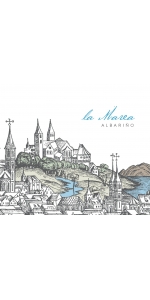
Marea Albarino is made from 100% Albariño
This 100% Albarino is produced from fruits grown in Kristy Vineyard, on the western bench overlooking the Salinas River on broken sediment of ancient sea beds. Kristy is special because Albarino in the vineyard reaches full phenological ripeness at low potential alcohol and natural, bright acidity. Cold fermented in stainless steel for aromatic intensity.
Bright, fresh and crisp with notes of lemon curd and tangerine. On the palate it shows elegant texture and bright acidity on the finish.
Picked under 22 brix, 2/3 whole cluster pressed, 1/3 destemmed and left on skins for two days. Aged on the lees for four months and then sterile filtered.
Pairs with oysters, grilled fish, spicy cuisines.
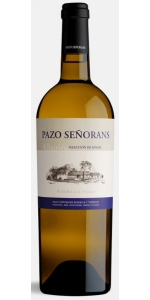
Pazo de Senorans Seleccion de Anada Albarino is made from 100 percent Albarino.
Straw yellow with greenish tints, vivid and brilliant. High intensity and very expressive. Profusion of aromas with traces of mineral. Great volume and ample body leaving a lasting impression from beginning to end.
Reviews:
The 2015 Albariño Selección de Añada is nothing short of phenomenal. For some reason, I hadn't tasted the young 2015 Albariño at the time it was released. It comes from the Los Bancales vineyard planted some 50 years ago and fermented with indigenous yeasts but without malolactic fermentation. It has a bright, almost fluorescent color and a complex, subtle and nuanced, elegant and expressive nose, with notes of sea shells and sea breeze, grass and white flowers. It's very clean, and the palate shows great balance and even feels a bit young. It has remarkable acidity and freshness (seven grams of tartaric acid) with good ripeness and 13% alcohol. This matured in tank with lees for over 30 months and was bottled in June 2024. It feels more serious and less exotic than earlier vintages. 18,000 bottles produced. This is the finest vintage that I can remember. Bravo!
-Wine Advocate 97 Points
Tech:
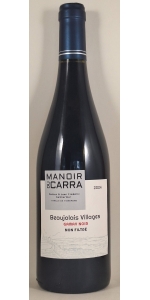
Carra Beaujolais-Villages Gamay Noir Non filtré is a new project for 2024.
We wanted a very fruity style of Beaujolais Villages using a good amount of carbonic maceration during the vinification.
The wine has a very nice ruby red color and a very pure and delicate nose of pure strawberries and cream that is very defined and seductive.
The palate is medium-bodied with crisp tannins, lively red cherry fruit and pleasing weight on the finish.
Excellent with charcuterie (garlic sausage, dry sausage, boudin noir), but also delicious with Coq au vin (Chicken cooked in a red wine sauce).
The wine will also goes well with fresh fruit and a splash of Crémant de Bourgogne for a Burgundian Sangria.
Redigaffi has an intense color that arouses enthusiasm and satisfy the sight, it highlights great complexity characterized by the fruity attack in the mouth leaving then “room” to tobacco and liquorice notes. Good concentration given by the pre-harvesting activity, three passages and perfect maturation reached by our grapes.
Outstanding complexity. Floral notes typical of our “Macchia Mediterranea” are intense and persistent. The elegance of tannins is enhanced by the great structure and balance. Considerable extraction and good acidity.
Review:
Wow. The aromas are really something else with red fruits, black olives, spices like cardamon and nutmeg, as well as hints of tar and meat. It’s full-bodied yet in check and focus with fine, fine tannins that roll over the palate and create beautiful motion. Chewy yet silky and endless. A great young merlot and one of the best for a number of years.
- James Suckling 99 Points
Michel Thomas Sancerre Blanc is 100% Sauvignon Blanc (40% Caillottes, 40% Grosses Terres, 20% Silex)
The wine displays an exotic nose with a touch of smoke and licorice. On the palate, peach and watermelon dominate with citrus zest and chalk notes.



