
" We don't sell the wine without touching the vine "
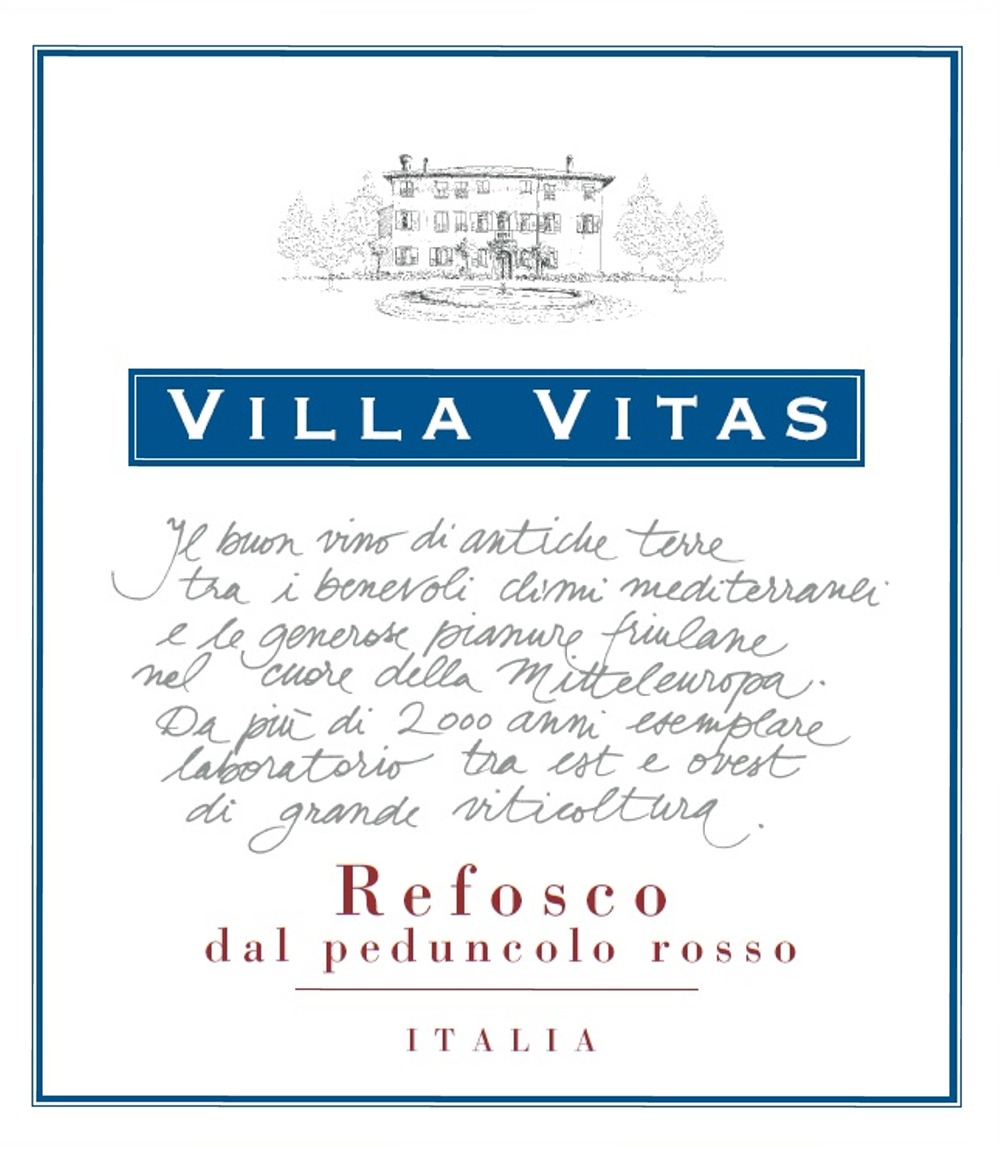
| Country: | Italy |
| Region: | Friuli |
| Winery: | Vitas |
| Grape Type: | Refosco dal Peduncolo Rosso |
| Vintage: | 2013 |
| Bottle Size: | 750 ml |
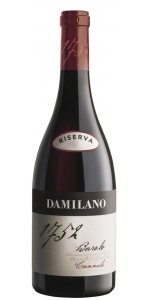
“1752” is the name of the Damilano Barolo Cannubi Riserva, in honor of the year in which the historic bottle was first marked “Cannubi”. It still exists today perfectly conserved by the Manzone family in Bra, close to Barolo. The bottle is clearly marked as being of “1752” vintage, indicating that Cannubi historically precedes Barolo.
About the Vineyard:
The Cannubi Cru is in found within one of the 6 core zones which comprise a UNESCO heritage site in Italy. A mixture of Tortonian and Helvetian calcareous marl gives the grapes intense aromas of cherry, plum and tobacco, rose and violet in sequence. Its low potassium and high calcium/magnesium content offer the wine a fine and polished touch. The vineyard is located at about 270 m. a.s.l. and has a south-east sun exposure. Barolo Riserva Cannubi 1752 It is a small plot of about 2 hectares of Nebbiolo vines, currently between 30 and 50 years of age.
Tasting Notes:
Garnet ruby red in color, the bouquet is intense and balanced, with notes of violet, red fruit, cherry and plum, spices, liquorice, cocoa, leather and tobacco. Dry, robust, full-bodied, very persistent, rich and velvety
Food Pairing:
This wine is excellent with typical piedmontes pasta (tajarin, ravioli); perfect with red meat, braised and roast meat, game and absolutely ideal with all types of cheeses.
Review:
The purity of this wine is pretty phenomenal with blackberries, strawberries, fresh flowers and licorice. Hints of tar. It’s full-bodied, yet composed and compact with ultra fine tannins and a long, flavorful finish. Very structured. Try after 2024.
-James Suckling 97 Points
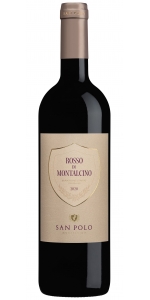
Bright and glossy ruby red in color. On the nose it reveals aromas of small fresh berries and a trace of sour cherry, melded with hints of blackberries and black cherries, followed by a hint of vanilla. A fragrant wine with satisfying intensity. On the palate it is warm, smooth and a medium-bodied with finely-balanced tannins. Dry and sinewy yet fresh with a persistent, aromatic finish.
It naturally accompanies dishes that are typical of Tuscan cuisine with its bold, authentic flavors, such as pasta and risottos made with mushrooms or truffles, pork, grilled meats and medium-matured cheeses.
Review:
Notes of ripe cherries, dried flowers and walnuts with hints of anisette and licorice. Medium- to full-bodied, compact and dense with creamy tannins and steady acidity. Weighty and structured. Drink or hold.
-James Suckling 91 Points
Codirosso Chianti is made from 90% Sangiovese, 7% Canaiolo, 3% Colorino.
Vinification: fermentation in stainless steel at controlled temperatures for 7 to 8 days with an additional 7 to 8 days on the skins. The juice is pumped over daily for 10 days at the beginning of the fermentation. The wine is then racked and goes through malolactic.
Ruby red color with purple reflections. Intense vinous bouquet with hints of violets and dark cherry fruit.The flavor is full of ripe fruit and a hint of spice. It is well balanced and dry. The finish is persistent and satisfying.
Food pairing: grilled, braised or roasted meats
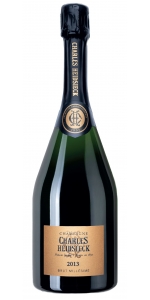
Charles Heidsieck Vintage Brut is made from 57% Pinot Noir, 43% Chardonnay.
A beautiful golden robe offers glints of green accentuated by a delicate, dynamic effervescence. The initial nose introduces intense toasted and smoky notes along with ripe fruit. When swirled in the glass, the nose takes on a heartier dimension with touches of apricot and vineyard peaches. The aromatic concentration, due to a heat wave of several weeks, is reminiscent of the summer sun. The attack is taut and decisive. the creamy texture, the crisp fruitiness and spiced notes of cinnamon, licorice and pepper are the hallmark of the House style.
Review:
Aged for eight years on the lees before disgorgement, the Champagne is deliciously toasty with acidity and fine dryness.
-Wine Enthusiast 96 Points
Disgorged in January of 2023, the 2013 Champagne Millésime Brut was the last vintage from the cellar master for Heidsieck prior to Cyril Brun. The 2013 Champagne Millésime Brut is a bright straw yellow color and is based on the crus of Les Mesnil, Avize, Averney, and Aÿ. It’s fresh with aromas of wet stones, fresh quince, and fresh jasmine flowers. It has a chalky and focused texture, with ripeness to balance it out, and a long, graceful finish. At this stage, it feels more forward with 57% Pinot Noir and the rest Chardonnay. A more mineral-tinged expression, it has a lot of charm and the promise of longevity over the coming two decades. Drink 2024-2044. It will be interesting to see how the Pinot shows itself over time. 8 grams per liter dosage.
-Jeb Dunnuck 95 Points
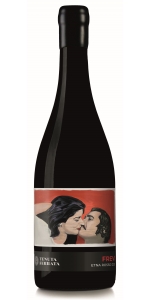
Ferrata Frevi Reserve Etna Rosso is made from 100% Nerello Mascalese.
Intense ruby red witth great structure, silky tannins, soft and elegant.
Pairs well with strong cheeses.
No irrigation. Harvest absolutely by hand as the tradition wants. Best grapes selected by hand from the oldest vines of the vineyard growed with the alberello training system only. Grapes are destemmed and not totally crushed, then kept in thermo-controlled fermentation vats where they macerate for 10/12 days at a temperature ranging between 18 and 22°C. After alcoholic fermentation the grapes are racked with soft presses. This wine is aged for about 24 months in French oak tonneau of 550 LT.
After bottled is aged minimum 10 months in the bottle.
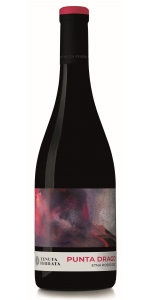
Ferrata Punta Drago Etna Rosso is made from 100% Nerello Mascalese.
Pale ruby red color, elegant bouquet of red berries, spicy notes and underbrush. Great structure, silky tannins, soft and elegant.
Suitable with hors d'oeuvres of cured meats, aged cheese, meat dishes but also fish recipes.
Refosco dal Peduncolo Rosso: This grape was well-known in antiquity under the name of Puccinum and it was praised by the Roman writer Pliny The Elder who, in his his encyclopedia Naturalis Historia, describes its northern Adriatic origins.
Intense ruby colour with lively violet reflexes, rich and full bouquet offering a wide variety of sensations like berries and sweet spices. Full taste and great structure, marked freshness and tannic strenght.
20% of the wine is aged 12 months in small Oak barrels, the other 80% are stainless steel.
The grapes are harvested between the end of September and the beginning of October and, after destemming and crushing, fermented on their skins for some weeks at controlled temperature of 22°C. After pressing, the wine undergoes spontaneous malolactic fermentation and is then transferred to a combination of small oak barrels (20%) and stainless steel tanks (80%). After spending several months on lees, the lots are blended, the wine is bottled and laid down for some months before release.
Pairs with game, poultry, sausages, ham.
The Vitas Estate
The winery has been in the family since 1935, for four generations. It is located in the wine-producing area of DOC Friuli Aquileia, on a clayey-marly and sandy-calcareous soil (the so-called Magredi), one of the ingredients which, together with the influence of the sea, a friendly sun, an average temperature of 14° and the absence of night frosts, create a perfect microclimate for vine-growing.

Review:
A fabulous wine of focus and polish with very fine tannins that caress your palate and give great length to the finish. Medium to full body. The aromas of violets and currants are so beautiful. Dreamy. Best ever? A blend of 92% cabernet sauvignon, 4% cabernet franc, 2% merlot, 1% malbec and 1% petit verdot.
-James Suckling 99 Points
Grand Veneur Cotes Du Rhone Blanc is made from 50% Viognier, 30% Clairette, 20% Roussanne.
Pale yellow colour, brilliant with a gold tinge. Primary aroma of flowers and stone fruit. On the palate, the fruit is immediately present with touches of almond and white peach. A slight liveliness appears in the finish, which creates a perfect balance for the natural generosity of this wine.
To consume young in order to preserve the fruitness typicity. Could age 2-3 years
Direct press, fermentation in temperature controlled stainless-steel vats. Early bottling 6 months after harvest.
Excellent with fish, seafood.



