
" We don't sell the wine without touching the vine "
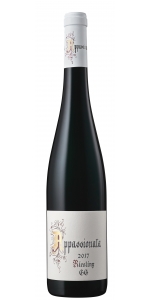
Inspired by the historical winemaking techniques of Erni Loosen’s great-grandfather, the Appassionata Riesling GG is made in the same way as the Dr. Loosen Grosses Gewächs (“Great Growth”) Rieslings he produces in Germany. The GG designation indicates a dry-style wine from a vineyard of special distinction — in this case, the old-vine Medici vineyard, planted in 1976. We farm this exceptional site, which is just a few miles east on the Chehalem Mountain ridge.
The fruit for this wine was harvested from old Rieslng vines (planted in 1976) in the Medici Vineyard, which is also in the Chehalem Mountains AVA, just a few miles from the winery. We lease this vineyard and have been farming it organically since 2015. The wine was fermented in a 3,000-liter German oak cask, and rests on the full lees for 12 months before bottling. The extended lees contact allows the wine to clarify and find its own harmonious balance naturally.
Production notes:
Whole-cluster pressing; natural fermentation in a neutral 3,000-liter oak cask; matured on the full lees for 12 months; no bâtonnage.
Review:
If you prefer a thinking person's wine you'll run out of superlatives to describe this Riesling from Dr Loosen's Oregon project with J Christopher Wines. From a personal favourite, the old vines of the Medici Vineyard, the winemaking shows serious patience and determination. Fermented in a 3,000-liter, neutral oak German Fuder cask. It rests on the full lees for two years and is then held in bottle for three to five years before release. Aged, savoury and delicious. Aromas are savoury and saline. Lanolin, dandelion, seafoam, and beeswax with hints of fresh herbs and dried lemon peel. The palate is brilliant, savoury and bright and complex. Energetic flavours of wet slate, savoury bee pollen, white tea and lanolin notes. The finish offers crushed stone vibrancy.
-Decanter 93 Points
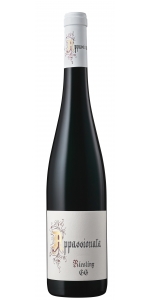
Inspired by the historical winemaking techniques of Erni Loosen’s great-grandfather, the Appassionata Riesling GG is made in the same way as the Dr. Loosen Grosses Gewächs (“Great Growth”) Rieslings he produces in Germany. The GG designation indicates a dry-style wine from a vineyard of special distinction — in this case, the old-vine Medici vineyard, planted in 1976. We farm this exceptional site, which is just a few miles east on the Chehalem Mountain ridge.
The fruit for this wine was harvested from old Rieslng vines (planted in 1976) in the Medici Vineyard, which is also in the Chehalem Mountains AVA, just a few miles from the winery. We lease this vineyard and have been farming it organically since 2015. The wine was fermented in a 3,000-liter German oak cask, and rests on the full lees for 12 months before bottling. The extended lees contact allows the wine to clarify and find its own harmonious balance naturally.
Production notes:
Whole-cluster pressing; natural fermentation in a neutral 3,000-liter oak cask; matured on the full lees for 12 months; no bâtonnage.
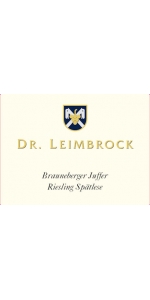
A late harvest Riesling with fruity sweetness and great aging potential, aromatic bouquet of honey, melon, ripe fruits. Grapes come from Brauneberger Juffer and Juffer-Sonnenuhr - one of the most prestigious vineyards in the Mosel winegrowing region. The vineyard faces south and provides the best conditions for growing Riesling.
Pairs well with pâté, Asian cuisine.
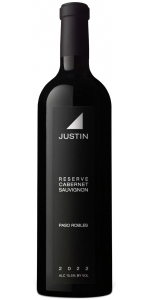
Clear and deep ruby in color, lightening at the rim, with light staining in the glassand moderately thick tears. Medium intensity on the nose with rich red plum, blackberry jam, cocoa powder, and savory tea leaf. A vein of earthy minerality brings complexity to juicy fruit and autumn spice. Oak lends warm vanilla, caramel, and allspice. Dry and full-bodied with intense, youthful red fruit on the palate. Bing cherry and blackberry notes are layered with leather, espresso, and nutmeg, and the long finish is accented with well-integrated tannin and an element of acidity that keeps the wine from being heavy.
The bold fruit and spice character of this 2022 Reserve Cabernet Sauvignon would pair perfectly with balsamic braised beef with creamy parmesan polenta, or an earthy, complex dish such as eggplant moussaka.
Review:
Here is a big, powerful Cabernet that pushes the envelope. The 2022 vintage was another drought year, and Paso Robles experienced late season heat waves. Made from 100% Cabernet that was aged for 21 months in French oak, 50% of it new, it clocks in at 15.5 % alcohol. However, when tasted blind, it offers an aroma of ultra-ripe black berries, chocolate, and spices that by the final swirl is absolutely gorgeous. Full-bodied with very juicy black fruit flavors and spice backed up by toasty oak, it all holds together seamlessly thanks to integrated tannins. The finish ends on a light toasty oak note. The real challenge is to pair it with a comparably robust main course.
-Wine Review Online 93 Points
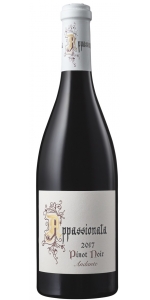
Appasionata Andante Pinot Noir Willamette Valley is made from 100 percent Pinot Noir.
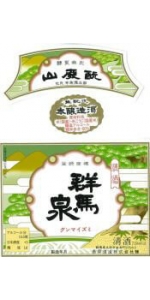
TASTING NOTES:
This is a classic, delicious Honjozo with crimini mushroom, almonds and lilac aromas. The first sip of this sake is full of stone fruit and minerals complimented by notes of caramel, cocoa and almond and finishes with plenty of umami.
POLISHING RATIO: 60%
ALCOHOL: 16-17%
SMV +/-: +3.0
ACIDITY: 1.6
RICE KOJI: JAPANESE RICE 100%
RICE KAKE: JAPANESE RICE 100%
YEAST STRAIN: KYOKAI
FOOD PAIRINGS: Chinese Food, One Pot dishes like Beef Stew.
CHEESE PAIRINGS: Foggy Morning, Prima Donna, Domaine de Village
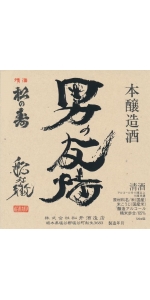
TASTING NOTES: This fresh, subtle Honjozo has a lovely nose of cantaloupe, leek, fresh clay and pear. With just a hint of sweetness, the palate is light bodied with alluring flavors of burnt caramel, chalk and marsh-mallow and a classic Honjozo clean, dry finish.
The fanciful name "Otoko no Yujyo", represents a feeling for which the sake was made, to honor brotherly love, between comrades.
PREFECTURE: TOCHIGI
POLISHING RATIO: 65%
ALCOHOL: 15.0 - 16.0%
SMV +/-: +8.0
ACIDITY: 1.4
RICE KOJI: HITOGOKOCHI
RICE KAKE: TOCHIGI 14
YEAST STRAIN: KYOKAI 901
FOOD PAIRINGS: Versatile with all foods, Grilled Fish, Paella, Smoked Fish, Fried Fish or Fried Chicken
CHEESE PAIRINGS: Foggy Morning, Prima Donna, Domaine de Village
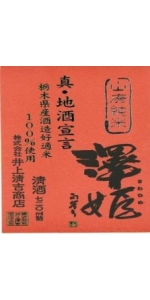
From the Tochigi Prefecture.
This sake has aromas of gardenia, ripe kiwi, papaya, green peppercorn, aged comte cheese and notes of nutmeg, mushroom, toasted oat and yeast. This sake is bright, dry and lively with medium plus acidity, and full bodied on the palate with a long finish.
Rice Koji: Hitogokochi
Rice Kake: Hitogokochi
Yeast Strain: KT-901
FOOD PAIRINGS: Smoked or oily fish, fried Calamari and Fish Tempura, Fried Chicken
CHEESE PAIRINGS: Foggy morning, slight ripe Brie, Raschera
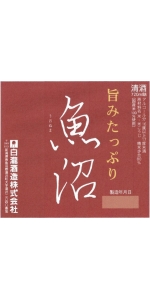
Dry and lean in the nose with hints of celery, pear puree and anise. On the palate this junmai is soft and creamy on the palate with rich, savory flavors of mocha, hazelnut, spicy vanilla, ending with crisp acidity.
POLISHING RATIO: 80%
ALCOHOL: 16-17%
SMV +/-: +2.0%
ACIDITY: 2.10%
RICE KOJI: Yamadanishiki
RICE KAKE: Yamadanishiki
YEAST STRAIN: Koshi Ibuki
FOOD PAIRINGS: Ideal with rustic Italian food, cheese and tomato centric or creamy pasta dishes
CHEESE PAIRINGS: Italian Raschera, Pecoria Reggiano
Dry and lean in the nose with hints of celery, pear puree and anise. On the palate this junmai is soft and creamy on the palate with rich, savory flavors of mocha, hazelnut, spicy vanilla, ending with crisp acidity.
POLISHING RATIO: 80%
ALCOHOL: 16-17%
SMV +/-: +2.0%
ACIDITY: 2.10%
RICE KOJI: Yamadanishiki
RICE KAKE: Yamadanishiki
YEAST STRAIN: Koshi Ibuki
FOOD PAIRINGS: Ideal with rustic Italian food, cheese and tomato centric or creamy pasta dishes
CHEESE PAIRINGS: Italian Raschera, Pecoria Reggiano

All older vintage wines have been purchased from a single collectors cellar. Pictures can be requested before shipment.
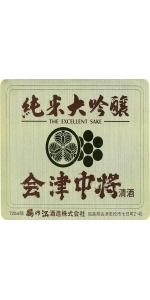
This Junmai Daiginjo has a beautiful nose full of banana, melon and star anise. The all natural brewing process gives this sake a bright fresh palate of plum, lime and minerality with a clean dry finish. A very food friendly sake, and is thought to be best after the meal with a light, smooth, rich cow's milk cheese.
POLISHING RATIO: 40%
ALCOHOL: 16-17%
SMV +/-: +1.0
ACIDITY: 1.2
RICE KOJI: HATTANISHIKI
RICE KAKE: HATTANISHIKI
YEAST STRAIN: PROPRIETARY YEAST
FOOD PAIRINGS: Poached Lobster, Seared Scallops, Tofu, Steamed Dumplings
CHEESE PAIRINGS: Brillat Savarin, Cambozola, Dulce Latte Gorgonzola, Mimolette
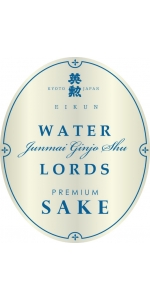
Sake Eikun Junmai Ginjo Water Lords 12/720ml is made with Iwai rice.
Eikun sake uses water from a source called "Fusui", rated as one of the top 100 sources of water in Japan. This water source is located just south of the ancient Japanese, and still cultural capital of Japan, Kyoto.
Aromas of macadamia oatmeal cookie, spicy zucchini bread, and vanilla cream with a satiny fruity-yet-dry medium-to-full body and a layered, banana custard, jicama, salted whole nut, apple, and radish nuanced finish. A Wonderfully vibrant and flavorful sake.-Beverage Tasting Institute 94 points (Exceptional)
RATING: 94 points (Exceptional)
CATEGORY: Junmai Ginjo Sake, Sake
ALCOHOL BY VOLUME: 15.3%
TASTING LOCATION: In Our Chicago Tasting Room
TASTING DATE: Dec-05-2012
WINE ID: 200768
Made with Iwai rice.
Eikun sake uses water from a source called "Fusui", rated as one of the top 100 sources of water in Japan. This water source is located just south of the ancient Japanese, and still cultural capital of Japan, Kyoto.
Rice milling: 60%
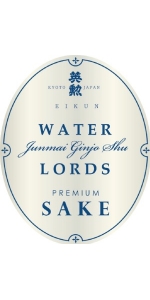
Sake Eikun Junmai Ginjo Water Lords is made with Iwai rice.
Eikun sake uses water from a source called "Fusui", rated as one of the top 100 sources of water in Japan. This water source is located just south of the ancient Japanese, and still cultural capital of Japan, Kyoto.
Aromas of macadamia oatmeal cookie, spicy zucchini bread, and vanilla cream with a satiny fruity-yet-dry medium-to-full body and a layered, banana custard, jicama, salted whole nut, apple, and radish nuanced finish. A Wonderfully vibrant and flavorful sake.-Beverage Tasting Institute 94 points (Exceptional)
RATING: 94 points (Exceptional)
CATEGORY: Junmai Ginjo Sake, Sake
ALCOHOL BY VOLUME: 15.3%
TASTING LOCATION: In Our Chicago Tasting Room
TASTING DATE: Dec-05-2012
WINE ID: 200768
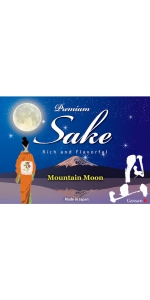
Woodsy honeycomb, nutshell, and mushroom patch aromas with a satiny fruity-yet-dry medium-to-full body and a delicate savory mushroom stock, chestnut, and golden beet driven finish. A fine choice for tempura. 91 Points -Beverage Tasting Institute
RATING: 91 points (Exceptional)
CATEGORY: Junmai Ginjo Sake, Sake
ALCOHOL BY VOLUME: 15.4%
TASTING LOCATION: In Our Chicago Tasting Room
TASTING DATE: Dec-05-2012
WINE ID: 200767
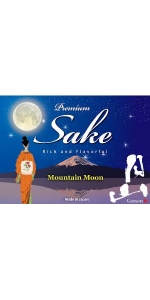
Woodsy honeycomb, nutshell, and mushroom patch aromas with a satiny fruity-yet-dry medium-to-full body and a delicate savory mushroom stock, chestnut, and golden beet driven finish. A fine choice for tempura. 91 Points -Beverage Tasting Institute
RATING: 91 points (Exceptional)
CATEGORY: Junmai Ginjo Sake, Sake
ALCOHOL BY VOLUME: 15.4%
TASTING LOCATION: In Our Chicago Tasting Room
TASTING DATE: Dec-05-2012
WINE ID: 200767
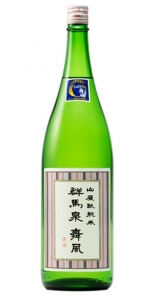
Savory nuances of toasted quinoa, banana bread, and nutmeg are present in the nose. On the palate, this sake is layered, lifted and complex, with flavors of plantain, dried cranberry, nougat, white Mushroom and almond.
POLISHING RATIO: 60%
ALCOHOL: 15-16%
SMV +/-: +3.0
RICE KAKE: 50% WAKAMIZU 50% LOCALLY FARMED JAPANESE RICE
YEAST STRAIN: PROPRIETARY
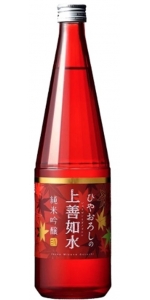
Hiyaoroshi is a general term referring to sake that has been pasteurized once in the winter and then allowed to mature over the summer before distribution in autumn. The Japan Sake Brewers Association designates September 9th as the official start for Hiyaoroshi sales. (Essentially aged Namazume)
September 9th is known as Kiku-no-Sekku (“Chrysanthemum Festival”), where hundreds of chrysanthemums are displayed around various venues and chrysanthemum sake is served. The chrysanthemum (kiku) was brought to Japan from China during the Nara period. In 1183, it was adopted as the Imperial Seal of Japan, and during the Meiji period no one but the Emperor could use it. Nowadays it still represents the authority of the emperor and you can see it everywhere in Japan.
Aromas are forward, fresh, and fruity in the nose with notes of sweet melon, cherries, and hints of vanilla. Flavors on the palate evoke feelings of the season with pumpkin pie, roasted nuts, and stewed plums. This sake is medium-bodied and accented by medium acidity, showing classic Jozen minerality and a lingering dry finish. Additional 7 months of aging adds depth and roundness.
{Pairs with roasted poultry, baked ham, butternut squash ravioli, BBQ, and dishes with sweet spice.
Aged Gouda, triple cream, fresh chevre .
Hiyaoroshi is a general term referring to sake that has been pasteurized once in the winter and then allowed to mature over the summer before distribution in autumn. The Japan Sake Brewers Association designates September 9th as the official start for Hiyaoroshi sales. (Essentially aged Namazume)
September 9th is known as Kiku-no-Sekku (“Chrysanthemum Festival”), where hundreds of chrysanthemums are displayed around various venues and chrysanthemum sake is served. The chrysanthemum (kiku) was brought to Japan from China during the Nara period. In 1183, it was adopted as the Imperial Seal of Japan, and during the Meiji period no one but the Emperor could use it. Nowadays it still represents the authority of the emperor and you can see it everywhere in Japan.
Aromas are forward, fresh, and fruity in the nose with notes of sweet melon, cherries, and hints of vanilla. Flavors on the palate evoke feelings of the season with pumpkin pie, roasted nuts, and stewed plums. This sake is medium-bodied and accented by medium acidity, showing classic Jozen minerality and a lingering dry finish. Additional 7 months of aging adds depth and roundness.
{Pairs with roasted poultry, baked ham, butternut squash ravioli, BBQ, and dishes with sweet spice.
Aged Gouda, triple cream, fresh chevre .
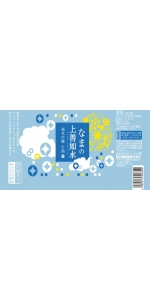
This unpasteurized sake is exciting and lively with a nose full of citrus, apple blossom and shizo. The palate is equally as bold featuring fresh persimmons, marshmallow and slightly underipe stone fruit. The finish is clean showing soft minerality.
POLISHING RATIO: 60%
ALCOHOL: 15.5
SMV +/-: +5.0
ACIDITY: 1.6
RICE KOJI: GOHYAKUMANGOKU
RICE KAKE: KOSHI IBUKI
YEAST STRAIN: K1801
FOOD PAIRINGS: Sushi Nigiri with fatty fish, oysters, omelettes, Lighter Italian, Chinese or French dishes
CHEESE PAIRINGS: Mildly ripe Coulommiers or Brie, Italian Raschera
This unpasteurized sake is exciting and lively with a nose full of citrus, apple blossom and shizo. The palate is equally as bold featuring fresh persimmons, marshmallow and slightly underipe stone fruit. The finish is clean showing soft minerality.
POLISHING RATIO: 60%
ALCOHOL: 15.5
SMV +/-: +5.0
ACIDITY: 1.6
RICE KOJI: GOHYAKUMANGOKU
RICE KAKE: KOSHI IBUKI
YEAST STRAIN: K1801
FOOD PAIRINGS: Sushi Nigiri with fatty fish, oysters, omelettes, Lighter Italian, Chinese or French dishes
CHEESE PAIRINGS: Mildly ripe Coulommiers or Brie, Italian Raschera
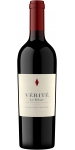
Verite Le Desir Red is made from 83% Cabernet Franc, 8% Merlot, 5% Malbec, 4% Cabernet Sauvignon.
2019 Le Désir has a rich violet hue, ringed by a slender rim of incandescent purple-ruby color. Beautifully characteristic of Cabernet Franc, the aromatics of this wine are expressive and exotic, showing fresh rose petal perfume, fresh cherry blossom, California bay laurel, crushed pomegranate, blackberry coulis, and well-integrated French oak aromas of ground cinnamon, and brown buttered toast. On the palate, a robust structure defined by powdery tannins and lively acidity delivers a very fine balance, with an exceptionally long finish.
Review:
Sublime cabernet franc aromas of currants, flowers and citrus. Full-bodied with incredible purity of fruit and length. You don’t feel the tannins, but they are there. The acidity gives you dynamic reality and perfect length. A truly great wine. 83% cabernet franc, 8% merlot, 5% malbec, and 4% cabernet sauvignon. Best from 2026.
-James Suckling 100 Points
The 2019 Le Désir is just as stunning as the first time I tasted it from bottle. It's pure and layered, with alluring scents of Morello cherries, dried mushrooms, cigars, sage and aniseed wafting from the glass. The palate strikes a fine balance of concentrated fruit, loads of powdery tannins, and energetic bursts of fresh acidity. It has a deep core of concentrated, perfumed fruit with the first faint touches of umami character and a long finish driven by floral and iron tones. I can't get enough of this wine!
Robert Parker's Wine Advocate 100 Points
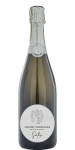
Monzio Compagnoni Franciacorta Saten Brut Millesimato
Color: very deep golden yellow, often, with very abundant froth and persistent perlage of great finesse.
Scent: it has a rich spectrum of scents, it is enveloping and almost greasy without any cloyingness; there are sensations of vanilla, biscuit, licorice, anise.
Taste: in perfect correspondence with the nose, even the taste is full, rich, generous, juicy; all well balanced by an acid base that allows the sweet sensations (of ripe fruit) to express themselves without tiring the palate
The name "Saten" means Silk.
The name "Franciacorta" comes from a phrase in the 1100-1200’s for tax exempt. The phrase is "Franzacurta”….referring to tax exempt status of some local towns in Lombardy, Italy. Franziacorta became a DOC in 1967 and was granted the DOCG status in 1995. There are 2000+ hectares (5,400 acres) total for the appellation with over 100 producers. Total production for the DOCG is around 550,000 cases.



