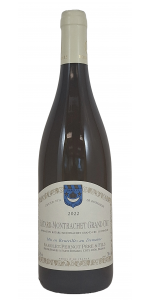
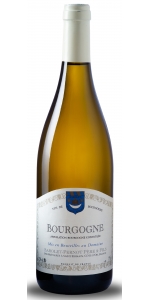
" We don't sell the wine without touching the vine "
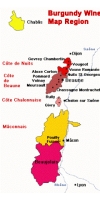
Burgundy is a region in France that is located 100 kilometers from Paris, stretching another 360 kilometers to Lyon. The tiny vineyards are dotted along the narrow valley and divided into the Chablis, Cote d'Or (divided in Côte de Nuits and Cote de Beaune), and Cote Chalonnaise, Maconnais, and Beaujolais districts. The region has many different soil types and microclimates and has been identified into 400 separate classifications. The soils are predominately clay-limestone, limestone, and marl. The vineyards cover 25,000 hectares and are divided into 99 wine appellations that are made up of 5,200 wine growers. 85% of the vineyards are no larger than 10 hectares. 180 million bottles of wine are produced annually. The Pinot Noir grape produces 90% of the wine that is grown in the region. The most common white grape grown in the region is Chardonnay. The Cote d’Or is where Burgundy's most famous and most expensive wines are found, and is split into two parts: the Cote de Nuits, which starts just south of Dijon and extends to a few kilometers south of the town of Nuits-Saint-Georges, and the Cote de Beaune, which starts at Ladoix and ends at Dezize-les-Maranges. The region is 40 kilometers long, and in some places, less than 2 kilometers wide.
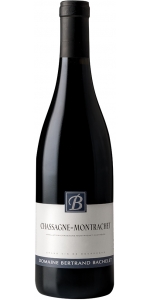
Bachelet Bertrand Chassagne Montrachet Rouge is made from 100 percent Pinot Noir.
The Chassagne-Montrachet appellation is originally better known for its white wines, but also produces high quality red wines. The complexity of the terroir allows both varieties to thrive side by side.
The wine is produced from vineyards located in the villages of Les Lombardes and Les Benoites that benefit from iron rich clay soils. A ruby garnet color, and an expressive nose of spices and red fruits that echo on the palate.
Pairs well with a nice cut of red meat.
-150x300.jpg "Bachelet Bertrand Maranges Blanc Premier Cru Fussiere 2023")
Bertrand Bachelet Maranges Blanc 1er Cru La Fussiere is made from 100 percent Chardonnay.
The Maranges appellation is the youngest of the Côte de Beaune family, making its debut in May 1989. It spans three villages, namely Dezize-lès-Maranges, Cheilly-les-Maranges and Sampigny-les-Maranges. Several hills and slopes make up this appellation, all south/south-east-facing, at an altitude of between 200 and 400 metres. The Maranges 1ers Crus are spread over seven distinct villages.
'La Fussière' is the main village of the Maranges appellation and is located in the Cheilly and Dezize-les-Maranges areas.
This wine has a pale gold robe, with plenty of sparkle. At first, the nose evokes notes of white flowers, like acacias, then the second nose delivers a flinty, slightly buttery aspect. Plenty of versatility and subtlety on the palate, with floral notes.
A good accompaniment to a cold starter or fish. Try with a slightly sharp hard cheese, such as Cantal or Gouda, to draw out its natural vivacity.
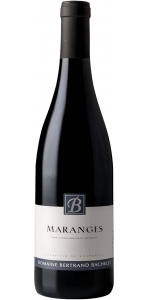
Bertrand Bachelet Maranges Rouge is made from 100 percent Pinot Noir.
The Maranges appellation is the youngest of the Côte de Beaune family, making its debut in May 1989. It spans three villages: Dezize-les-Maranges, Cheilly-les-Maranges and Sampigny-les-Maranges. Several hills and slopes make up this appellation, that are south/south-east-facing. This appellation produces mainly red wines comprising 95% of total production.
Bertrand Bachelet Maranges is produced from two villages, Aux Artaux and En Crevèches, both situated in the Cheilly-les-Maranges area. The vineyards spreads over 1.42 hectare (3.50 acres).
The wine offers a deep red color with purplish highlights, a powerful nose with aromas of raspberries, blackcurrants, and small red candied fruits. A silky texture, fresh and elegant on the palate.
Ideally paired with red meat or a more exotic dish, such as nems, grilled ribs or braised pork.
Bertrand Bachelet Maranges Rouge is made from 100 percent Pinot Noir.
The Maranges appellation is the youngest of the Côte de Beaune family, making its debut in May 1989. It spans three villages: Dezize-les-Maranges, Cheilly-les-Maranges and Sampigny-les-Maranges. Several hills and slopes make up this appellation, that are south/south-east-facing. This appellation produces mainly red wines comprising 95% of total production.
Bertrand Bachelet Maranges is produced from two villages, Aux Artaux and En Crevèches, both situated in the Cheilly-les-Maranges area. The vineyards spreads over 1.42 hectare (3.50 acres).
The wine offers a deep red color with purplish highlights, a powerful nose with aromas of raspberries, blackcurrants, and small red candied fruits. A silky texture, fresh and elegant on the palate.
Ideally paired with red meat or a more exotic dish, such as nems, grilled ribs or braised pork.
Bertrand Bachelet Maranges Rouge is made from 100 percent Pinot Noir.
The Maranges appellation is the youngest of the Côte de Beaune family, making its debut in May 1989. It spans three villages: Dezize-les-Maranges, Cheilly-les-Maranges and Sampigny-les-Maranges. Several hills and slopes make up this appellation, that are south/south-east-facing. This appellation produces mainly red wines comprising 95% of total production.
Bertrand Bachelet Maranges is produced from two villages, Aux Artaux and En Crevèches, both situated in the Cheilly-les-Maranges area. The vineyards spreads over 1.42 hectare (3.50 acres).
The wine offers a deep red color with purplish highlights, a powerful nose with aromas of raspberries, blackcurrants, and small red candied fruits. A silky texture, fresh and elegant on the palate.
Ideally paired with red meat or a more exotic dish, such as nems, grilled ribs or braised pork.
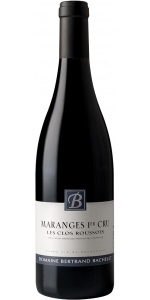
Bertrand Bachelet Maranges Rouge 1er Cru Les Clos Roussots is made from 100 percent Pinot Noir.
The Maranges appellation is the youngest of the Côte de Beaune family, making its debut in May 1989. It spans three villages: Dezize-lès-Maranges, Cheilly-les-Maranges and Sampigny-les-Maranges. Several hills and slopes make up the appellation; they face south/south-east, at an altitude of between 200 and 400 meters. This appellation produces mainly red wines comprising 95% of total production.
The Maranges 1ers Crus are spread over seven distinct terroirs: "Les Clos Roussots", which represents the second largest terroir of the appellation, spans the Cheilly-les-Maranges and Sampigny-les-Maranges areas.
The wine boasts a beautiful bright red color. The nose provides subtle harmony between red and black fruits, spices and vanilla. On the palate, this wine is both solid and fresh, harmonious and bold.
Enjoy with a veal roast and sweet potatoes or matured cheeses.
Bertrand Bachelet Maranges Rouge is made from 100 percent Pinot Noir.
The Maranges appellation is the youngest of the Côte de Beaune family, making its debut in May 1989. It spans three villages, namely Dezize-lès-Maranges, Cheilly-les-Maranges and Sampigny-les-Maranges. Several hills and slopes make up this appellation, all south/south-east-facing, at an altitude of between 200 and 400 metres. The Maranges 1ers Crus are spread over seven distinct villages.
'La Fussière' is the main village of the Maranges appellation and is located in the Cheilly and Dezize-les-Maranges areas.
When young, ideal with meat such as a rib of beef or filet mignon; when aged, it pairs wonderfully with dishes in spicy sauces.
Bertrand Bachelet Maranges Rouge is made from 100 percent Pinot Noir.
The Maranges appellation is the youngest of the Côte de Beaune family, making its debut in May 1989. It spans three villages, namely Dezize-lès-Maranges, Cheilly-les-Maranges and Sampigny-les-Maranges. Several hills and slopes make up this appellation, all south/south-east-facing, at an altitude of between 200 and 400 metres. The Maranges 1ers Crus are spread over seven distinct villages.
'La Fussière' is the main village of the Maranges appellation and is located in the Cheilly and Dezize-les-Maranges areas.
When young, ideal with meat such as a rib of beef or filet mignon; when aged, it pairs wonderfully with dishes in spicy sauces.
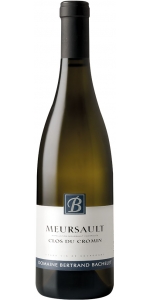
Bertrand Bachelet Meursault Clos du Cromin is made from 100 percent Chardonnay.
Meursault, the world-renowned appellation, has produced mostly fine white wines for centuries.
Meursault Clos du Cromin takes its name from the village "Le Cromin", situated in the north-east of the appellation, close to the Volnay vineyard, in rich, clay soil.
The wine reveals a beautifully transparent and brilliant color, a subtle nose of citrus fruits, butter and honey, and a long finish.
Pairs with a noble fish, or white meat in sauce.
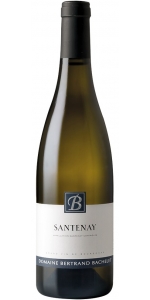
Bachelet Bertrand Santenay Blanc is made from 100 percent Chardonnay.
Tasting Notes:
The Santenay Blanc comes from a parcel that is 1.2 hectares in size (3 acres) in the village called “En Charron”, at around 300 meters above sea level, with excellent sunshine and thin limestone soil, guaranteeing great aromatic finesse.
The wine shows a beautiful golden color, a fresh and slightly roasted nose combining lemon and lime aromas with a hint of vanilla. On the palate, almond and toasted hazelnut flavors, along with notes of white flowers and vanilla nuances.
Bachelet Bertrand Santenay Blanc is made from 100 percent Chardonnay.
Tasting Notes:
The Santenay Blanc comes from a parcel that is 1.2 hectares in size (3 acres) in the village called “En Charron”, at around 300 meters above sea level, with excellent sunshine and thin limestone soil, guaranteeing great aromatic finesse.
The wine shows a beautiful golden color, a fresh and slightly roasted nose combining lemon and lime aromas with a hint of vanilla. On the palate, almond and toasted hazelnut flavors, along with notes of white flowers and vanilla nuances.
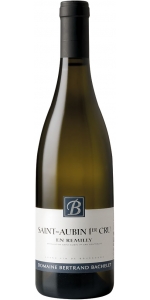
Bertrand Bachelet Saint-Aubin 1er Cru En Remilly is made from 100 percent Chardonnay.
Saint-Aubin is situated in the heart of the Côte des Blancs, between Chassagne-Montrachet and Puligny-Montrachet; both white and red wines are produced here but Chardonnay remains predominant. The Saint-Aubin appellation covers a wide area, with an altitude ranging from 300 to 450 meters, and with very varied expositions and soils, which makes each climat unique.
Saint-Aubin En Remilly is located in the south-east of Gamay, a hamlet near the village of Saint Aubin and next to the Puligny-Montrachet et Chassagne-Montrachet appellations. This area benefits from a south-western exposition.
The wine offers a pale yellow color, with gold nuances; a mineral nose, a dense texture on the palate, bringing together substance and tension.
Perfect as an aperitif, pairs very well with firm-textured fish or with shellfish.
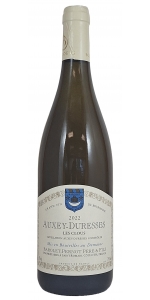
Barolet-Pernot Auxey-Duresses Blanc Les Clous is 100% Chardonnay.
A very bright color with some green reflections. On the nose we find a fresh and elegant wine with aromas of fruit and wood.
On the palate we have a round wine with a beautiful freshness and minerality.
Domaine Barolet-Pernot Pere et Fils is a small Estate located in Saint Romain. They currently have 14 hectares (34 acres).
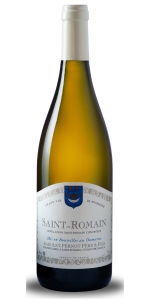
A blend of fruit from estate-owned, small parcels in the high altitude village of Saint-Romain.
Aromas of crushed stones, lemon zest, crisp apricot, wildflowers. Medium-bodied, fresh, lively.
A blend of fruit from estate-owned, small parcels in the high altitude village of Saint-Romain.
Aromas of crushed stones, lemon zest, crisp apricot, wildflowers. Medium-bodied, fresh, lively.
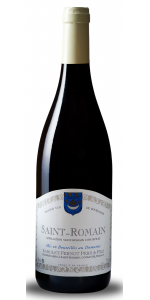
A blend of fruit from estate-owned small parcels in the high altitude village of Saint-Romain.
Aromas of cherry blossom and wild strawberry, red plum, crushed stones. Medium-bodied and lively, fresh
Pairs with Dry saucisson; pork sausages with herbs. Aged French cheeses.
A blend of fruit from estate-owned small parcels in the high altitude village of Saint-Romain.
Aromas of cherry blossom and wild strawberry, red plum, crushed stones. Medium-bodied and lively, fresh
Pairs with Dry saucisson; pork sausages with herbs. Aged French cheeses.
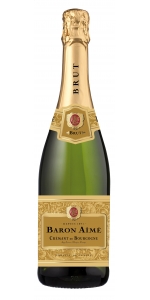
Baron Aime Cremant de Bourgogne Brut is made from 40% Chardonnay, 30% Pinot Noir, 30% Aligote.
Light yellow with bright reflections. The nose is fresh and lemony with subtle floral aromas, apple and citrus fruits. The mouth is fresh, delicate, tight and precise with fine bubbles that stimulate the palate nicely.
A delicious aperitif and a great match with shellfish.
Review:
Golden straw color. Aromas and flavors of brioche, green and yellow apple, dried pineapple, and lemon oil with a supple, vibrant, finely carbonated, dry medium body and a smooth, engaging, medium-long finish displaying impressions of croissant with salted butter and tart pear jam, white tea, and grapefruit peel with no oak flavor. A lovely and racy apéritif that will pair splendidly with a cheese and bread course."
- Beverage Testing Institute 93 pts - GOLD MEDAL - BEST BUY
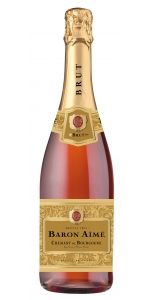
Baron Aime Cremant de Bourgogne Brut Rose NV is made from 85% Pinot Noir & 15% Chardonnay.
Light pink color with coppery shades. The citrus notes blend subtly with aromas of strawberry, forming a fresh and delicate bouquet. The palate is lively, with notes of grapefruit and fresh bread. Together they form a rich, fresh and vibrant wine.
Review:
"Steely amber color. Aromas and flavors of strawberry, green apple, toasted oats, and creme fraiche with a satiny, lively, finely carbonated, dry light-to-medium body and a tingling, intricate, medium-length finish that presents overtones of slightly under ripe wild strawberries, apricot, warm bread dough, and lemon zest. Lively and bright for a perfect apéritif yet with just enough richness and body to carry you in seamlessly to the first course."
- Beverage Testing Institute (November 2022), 94 pts - GOLD MEDAL - BEST BUY
Kinsella Estates Jersey Boys Cabernet Sauvignon is made from 100 percent Cabernet Sauvignon.
Winemaker: Thomas Rivers Brown
Pure 100% cabernet Sauvignon, this vineyard continually astonishes. Loads of loamy soil notes followed by blue and black fruits give this cabernet massive depth and beautiful integrated tannins. Milk chocolate, crème de cassis and tobacco give this massive wine the depth you come to expect with Napa cabs, but it is all Sonoma County, all from our magnificent little private valley which sees sun all day! We buy no fruit; we sell no fruit.
Jersey Boys Vineyard (Kevin Kinsella is the largest individual investor in the hit Broadway show "Jersey Boys")
Jersey Boys is a six-acre vineyard that was replanted in 2008 with four different clones of Cabernet Sauvignon, handpicked by winemaker Thomas Rivers Brown.
Wow…just Wow!! This wine has it all. Not as “big” as past vintages this wine is gangbusters right out of the gate. Ripe blackberry, juicy and rich with a wonderful chocolate core. Has a dusky quality that we have seen in this vineyard in the past that tricks your brain into thinking the wine is older than it is. It’s pure. It’s rich. It’s delicious! Winemaker Thomas Rivers Brown
Any vegetable or meat in the grill. Delicious with Chocolate as well.
Marco Capra Langhe Nascetta is made from 100% Nascetta - 15 years old - 1.73 acres
Aged 6 months in stainless steel vats
The name "CONNA" is a sweet nickname after his wife Monica.
Bright straw yellow with greenish hues, with an intense and interesting perfume of grapefruit, apple and aromatic herbs. Floral, fresh, focused, good acidity. Refreshing and bright, full bodied with an aromatic persistence, it is savory and tasty on the palate with a smoothness that enhances the rich character of the wine
Altitude: 400 m above sea level.
Soil composition: lime and sand.
Plant density: 5000 vines / hectare.
Cultivation system: traditional Guyot.
Yield per hectare: 6 tons.
After a short period of maceration on skins, the grapes are soft pressed. The clear must obtained ferments slowly in stainless steel vats at a controlled temperature of 16-17°C. The wine spends a long period of time on the fine lees, with frequent “batonnage”
Ideal with apetizers, shellfish and other fish dishes.