" We don't sell the wine without touching the vine "
| BUY MORE! SAVE MORE! | ||||||||||||||||||||
|
| Country: | France |
| Region: | Bordeaux |
| Winery: | Larriaut |
| Grape Types: | Semillion Sauvignon Blanc |
| Vintage: | 2022 |
| Bottle Size: | 750 ml |
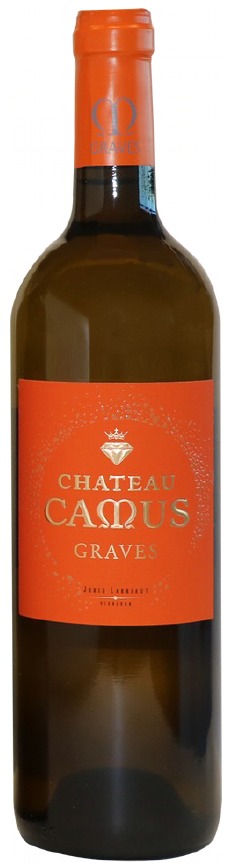
Camus Graves Blanc is made from 50% Sauvignon Blanc and 50% Semillon.
A beautiful, brilliant color, this wine offers a great aromatic balance with complex and mineral notes, Offering white fruit (peach and pear), citrus (grapefruit and lemon), and a toasty finish with a delicate oak presence. The mouthfeel is rich and complex with a great minerality, freshness, structure, and a good length to the finish.
Pairs with poultry, fish, and shellfish.
The estate has been operated by the Larriaut family since 1890, and Château Camus itself since 1923. Today, it is run by Joris Larriaut who represents the 4th generation.
The family used to practice polyculture, a mixed farming of vines, pear trees, and tobacco plants, but in the 1960s, Jean-Pierre Larriaut decided to convert his gravelly and silico-gravel soils into a single landscape: vineyards. For the reds, he planted Merlot and Cabernet Sauvignon, and for the whites, Sauvignon and Semillon. Today, the estate spreads over 11 hectares (27 acres).
The gravel and pebble-based soils give birth to a racy red wine with great aromatic power (blackcurrant, cherry, cinnamon) and great aging potential and a dry white wine with lively and crisp aromas of citrus fruit and white flowers.
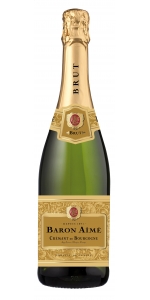
Baron Aime Cremant de Bourgogne Brut is made from 40% Chardonnay, 30% Pinot Noir, 30% Aligote.
Light yellow with bright reflections. The nose is fresh and lemony with subtle floral aromas, apple and citrus fruits. The mouth is fresh, delicate, tight and precise with fine bubbles that stimulate the palate nicely.
A delicious aperitif and a great match with shellfish.
Review:
Golden straw color. Aromas and flavors of brioche, green and yellow apple, dried pineapple, and lemon oil with a supple, vibrant, finely carbonated, dry medium body and a smooth, engaging, medium-long finish displaying impressions of croissant with salted butter and tart pear jam, white tea, and grapefruit peel with no oak flavor. A lovely and racy apéritif that will pair splendidly with a cheese and bread course."
- Beverage Testing Institute 93 pts - GOLD MEDAL - BEST BUY
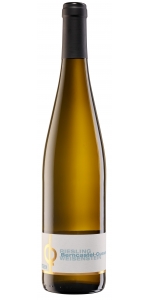
Bastgen Berncastel-Cueser Weisenstein Riesling Spatlese Trocken is made from 100 percent Riesling.
Bright, clean, fresh and zesty. Grapefruit like flavors. Fruity aromas and a nice minerality, typical of the Riesling grape grown on blue slate soil. Round, rich and a very long finish. The grapes for this wine are vigorously selected. Botrytis is not tolerated. At harvest the grapes are fully ripened, have a golden color, and a soft tartness. After a long spontaneous fermentation in a traditional 1000L barrel, the wine just reaches the dry stage. This gives the wine a creamy structure that interplays with ripe yellow and exotic fruit aromas.
They meticulously tend 4.5 ha (11.11 acres) of which 80% is Riesling. The soil is made of slate. Their vineyards are located in Kesten and Brauneberg, on a steep terrace, and planted to 50-year old vines. Fortunately for Bastgen, they own part of the famous Brauneberger Juffer Sonnenuhr. The vines produce very small, ripe berries that are very tasty.
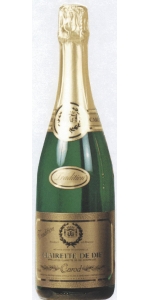
Cave Carod Clairette de Die is made from 75% Muscat Petits Grains and 25% Clairette. Clairette de Die is produced with the ancestral dioise method.
The grapes are rapidly pressed after the harvest and then placed in vats at low temperatures (replicating the process used by the Voconces in ancient times who kept the jars in the icy waters of their local rivers). The half-fermented must is bottled and fermentation continues in the bottle, giving a naturally sparkling wine. Disgorging occurs at least six months after bottling, while the wine still contains sugar and has reached an alcohol content of 7 to 9 %.
This is a sparkling wine with very fine bubbles, light in alcohol (8°), and containing residual sugar (incomplete fermentation). Clairette de Die has been known since ancient times (dates back to 77 A.D.). Clairette brings delicacy and lightness to the wine whereas Muscat gives its typical sweet flavor. The wine displays intense aromas, a refreshing balance of fruit and acidity with peach, orange and white flowers flavors.
This is an ideal wine for all desserts and ice creams, and is very interesting with foie gras. It is especially suitable for daytime meetings and cocktail parties. A great breakfast wine!
Wine to be consumed young, to conserve the full fruity and floral flavors. To be stored flat in a cool room away from light.
GOLD MEDAL - Effervescents du Monde 2010
GOLD MEDAL - Concours General Agricole de Paris 2012
SILVER MEDAL - Concours General Agricole de Paris 2011
Xavier Vignon Cotes du Rhone Rouge Cuvee Vieilles Vignes Organic is made from 50% Grenache, 40% Mourvèdre, 5% Syrah and 5% Cinsault.
The diversity of terroirs used in this blend allows this wine to combine freshness and balance.
We used Clay and limestone plots located on the hillside where old Grenache naturally express roasted hints. We could obtain in this wine empyreumatical hints without the use of barrels. These plots particular soils and orientation allowed grapes to reach an optimal level of ripeness while conserving a good acidity level.
We also integrated grapes coming from plots located on red rocky clay soils also named “garrigues”. These big red stone are restituting heat coming from the sun at night and bring power and structure to the wine.
Also the blend features vines coming from sandy clays, which are light and rather fresh soils: this allowed the wine to maintain a freshness and vivacity.
Bouquet of cassis, blueberries, lavender, cured meats, and graphite. It's deep, rich, medium to full-bodied, and has a great finish. The Mourvèdre keeps this tight and fresh.
Pairs with grilled beef rib - Veal Columbo - Pork ribs slightly spiced
Review:
"The spicy nose with a slew of red-fruit aromas pulls you into this full-bodied but lively and very well-balanced Cote-du-Rhone. Lovely, creamy texture that’s neatly supported by fine tannins. Long, supple finish. From organically grown grapes. Drink or hold."
- James Suckling (March 2022), 92 pts
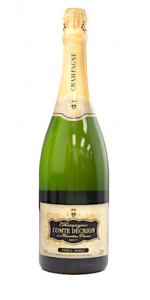
Trouillard Comte Decrion Brut is made from 50% Pinot Meunier, 30% Pinot Noir, 20% Chardonnay.
The Comte Decrion is clear gold in color, offering fine and attractive bubbles. Elegant and fruit-diven. Supple, ample and well-balanced with good length and freshness.
This Champagne is ideal as an aperitif and throughout the meal.
Review:
Straw green color. Aromas and flavors of peach jam on toast, lemon marmalade, and praline with a supple, vibrant, effervescent, dry-yet-fruity medium-full body and a sleek, appealing, medium-long finish that shows accents of creme brulee and spiced citrus salad. A nutty, juicy, vanilla-kissed Champagne that is sure to please.
-Tastings.com 93 Points
Arzuaga Ribera del Duero Crianza 95% Tempranillo and 5% Cabernet Sauvignon.
Dark cherry color with purple highlights. Powerful nose and high aromatic diversity of ripe red and black fruits, spicy and balsamic notes, and a roasted finish. Soft and mellow in the mouth with a great fruitiness and length.
Review:
This is a big wine with alluring aromas of cedary oak and black fruit. Ripe palate of black berries, some dark chocolate and integrated, polished oak. Long spicy finish. Classy Ribera. -Decanter 95 Points
Camus Graves Blanc is made from 50% Sauvignon Blanc and 50% Semillon.
A beautiful, brilliant color, this wine offers a great aromatic balance with complex and mineral notes, Offering white fruit (peach and pear), citrus (grapefruit and lemon), and a toasty finish with a delicate oak presence. The mouthfeel is rich and complex with a great minerality, freshness, structure, and a good length to the finish.
Pairs with poultry, fish, and shellfish.
Chateau Camus Graves Rouge is made from 50% Merlot and 50% Cabernet Sauvignon
A dark purple color, this wine exhibits some delicate oak aromas, well-integrated with notes of red fruits and spices. The mouthfeel is fresh and fruity, with soft and elegant tannins. The wine is ready to drink but can also be aged for a few years to develop some secondary aromas with truffles and mushroom components
Pairs with red meat, poultry, and cheese.
Chateau Crabitey Graves Blanc is made from 70% Sauvignon Blanc and 30% Semillon.
The finish is long and distinguishes itself by nice and light woody and citrus fruit aromas.In the mouth, the wine is fully developed and complex, with a nice volume as well as a light acidity for the freshness. Its nose is fine and complex - even lemony with its pomelo scent - with some smoky notes. Chateau Crabitey Graves Blanc displays a fine, light yellow color and a nice brilliance.
Pairs with bisque, smoked fish, roasted chicken and vegetables with fresh herbs
Review:
"Fresh, pretty nose of gooseberries, lime zest, lemon and green apple. Light to medium body with sharp acidity. Tangy and citrusy. 70% sauvignon blanc and 30% semillon. Vegan. Drink now."
- James Suckling (January 2022) 90 pts
Larroque Bordeaux Blanc is made from 73% Sauvignon Blanc and 27% Colombard.
No oak.
Color : Pale yellow with green tints.
Nose : Complex aromas of white flowers, exotic fruits, citrus and boxwood, with a touch of minerality.
Mouth : Aromatic, with a nice richness and freshness. Predominant flavors of tart, crisp fruit.
Marie-Christine, the daughter of Henri Ducourt, purchased this prestigious left-bank property in 1979, which lies on the border of the Graves appellation.
The 60-hectare vineyard was rapidly replanted and the château building, which dates from 1348, was restored.
Our family now produces three different-colored wines there: red, white and rosé.
Grown on loamy-clay soil.
Harvest : Machine harvesting in the cool, early morning
Maceration : Skin-contact maceration for several hours, depending on ripeness, and pressing
Fermentation : Beginning of the cold alcoholic fermentation (12°C / 53°F) then an increase in temperature to finish the fermentation at 20°C / 68°F.
Enjoy this wine as an aperitif or during the meal with fish, seafood or chicken salad.
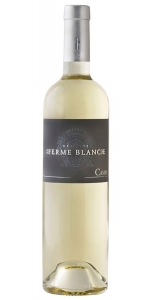
Ferme Blanche Cassis Blanc Excellence is made from 50% Marsanne and 50% Clairette.
On the nose, white fruits, citrus zest, hint of vanilla. Velvety well balanced mouth of ripe fruits and minerality.
Pair with trout, Scallop, or better yet lobster would complement this wine perfectly.
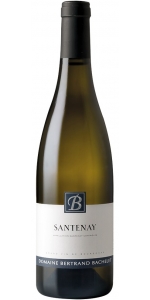
Bachelet Bertrand Santenay Blanc is made from 100 percent Chardonnay.
Tasting Notes:
The Santenay Blanc comes from a parcel that is 1.2 hectares in size (3 acres) in the village called “En Charron”, at around 300 meters above sea level, with excellent sunshine and thin limestone soil, guaranteeing great aromatic finesse.
The wine shows a beautiful golden color, a fresh and slightly roasted nose combining lemon and lime aromas with a hint of vanilla. On the palate, almond and toasted hazelnut flavors, along with notes of white flowers and vanilla nuances.
The Prisoner Wine Company Sonoma Coast Pinot Noir is made from 100 percent Pinot Noir.
From the most recognized Napa Valley red blend comes a bold, new wine. Made in the same iconic style as The Prisoner Red Blend, we proudly introduce The Prisoner Pinot Noir. Redefining taste once again.
A mix of Russian River and Carneros AVAs produces this classic Sonoma Coast Pinot Noir with notes of ripe cranberry, pomegranate, and cherry with clove spice. The palate is driven by rhubarb and cherry with an underlying minerality and spice, which culminates with soft tannins and an elegant, balanced acidity.
Chef Brett recommends pairing The Prisoner Pinot Noir with Mushroom Risotto or Grilled Salmon.
Tres Ojos Rosado Calatayud is fresh, crisp and juicy Rose made of 50% Garnacha and 50% Tempranillo displaying beautiful strawberry and raspberry fruits.
Enjoy with salads, chicken or simply with a glass. Serve chilled.