
" We don't sell the wine without touching the vine "
| BUY MORE! SAVE MORE! | ||||||||||||||||||||
|
| Country: | Italy |
| Region: | Tuscany |
| Winery: | Capanna |
| Grape Type: | Sangiovese |
| Organic: | Yes |
| Vintage: | 2018 |
| Bottle Size: | 750 ml |
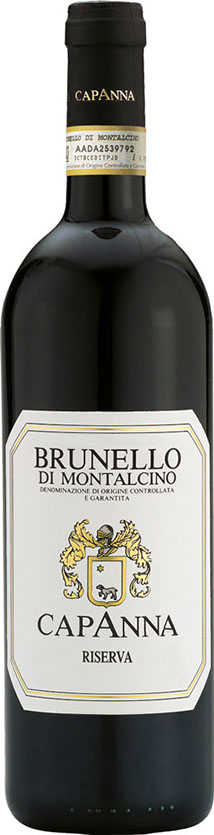
Capanna Brunello di Montalcino Riserva is made from 100 percent Sangiovese.
TYPE: DOCG
BLEND: 100% Sangiovese carefully selected in the oldest vineyards and only of the best harvests.
VINIFICATION:
Alcoholic fermentation with maceration of the skins (30-35 days) at a controlled temperature and spontaneous malolactic fermentation, both in truncated cone-shaped Slavonian oak vats.
AGEING:
In Slavonian oak casks of 10 to 25 hl for over 40 months; followed by ageing in bottles for at least 15 months.
NOTES:
Colour: deep ruby red, strong, lively.
Bouquet: very intense and complex, fruity and spicy, with red fruit, jam and liquorice shades; great prospects of future development.
Taste: great structure in the acid-tannin components, well supported by the soft ones; extremely persistent.
Food pairings: roast red meats, game and very aged cheeses.
Review:
Bright ruby in the glass. First impact is low key, with red cherry, leather, tobacco, fresh violet and balsamic notes. The attack is velvety, with a full body, lifted acidity and dense, ripe tannins. Character emerges from the glass, meaty and bloody. Thick, dry finish that’s fierce. Drink or hold
-James Suckling 95 Points
The Capanna farm, owned by the Cencioni family since 1957, is situated in the Montosoli area, to the north of Montalcino. It was founded by Giuseppe Cencioni and, helped by his sons Benito and Franco, it was one of the first farms of the modern period of Brunello. They started bottling their own wines in the 1960's and after Brunello di Montalcino was granted DOC status in 1966, Giuseppe was one of the 25 founders of the Consorzio del Vino Brunello di Montalcino. Production, initially only a few thousand bottles, then increased when new vineyards were planted. In 1975 they began exporting Brunello di Montalcino DOC – Capanna 1970 – to Germany and then new markets were reached in subsequent years: United States of America, Canada, Switzerland, Belgium, Holland, Japan, Austria, Poland, Denmark and others (about 20 overall). The Capanna farm is still family run from both a farming and winemaking viewpoint, furthermore, it is Amedeo Cencioni himself, Patrizio's son and representative of the fourth generation, who supervises the oenological and agronomic parts of the cellar.
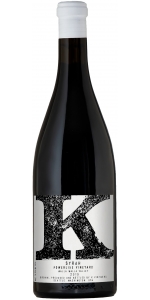
Charles Smith K Vintners Powerline Estate Syrah is made from 100 percent Syrah.
Friendly, approachable and vivacious, yet also dark and mysterious. Black cherry, allspice, black ash, and orange blossom. Thyme and flint with ark fruit, cedar, kelp, black pepper, juniper, crushed rock, and tons of complex floral notes. Fear not, embrace it.
While just bottled a week before this tasting, the 2019 Syrah Powerline Vineyard certainly wasn't showing any worse for it, offering a stunning bouquet of ripe red and black fruits as well as white pepper, sandalwood, tobacco, and new leather. Pure, medium to full-bodied, and vibrant, with supple, polished tannins, this brilliant Syrah is going to keep for 10-12 years, if not longer.
-Jeb Dunnuck 97 Points
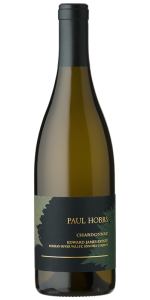
Paul Hobbs Edward James Estate Chardonnay Russian River Valley is made from 100 percent Chardonnay.
This small five-acre estate named after Paul's great-grandfather, Edward James, rewards us with a chardonnay that is pale straw in color with inviting aromas of lemon zest, red apple skin, gardenia, and honeysuckle. A creamy mouthfeel on the palate evolves into poached pear, ginger spice, and brioche that come together with a crunchy acidity and lively finish.
Review:
The 2022 Chardonnay Edward James Estate was named after Paul’s grandparents on his father’s side and originates in a vineyard planted entirely to Hyde Wente clone of Chardonnay. It was raised in French oak for 18 months on the lees. In the glass, it’s highly expressive and layered with aromas of toasted spice, incense, honeysuckle, quince, and preserved citrus. Medium to full-bodied, it has a fantastic, long, supple texture with a linear, crystalline feel, great, evenly fresh acidity, and a salty, mouthwatering finish. This is my favorite of the white wines at this tasting. Drink 2025-2037.
-Jeb Dunnuck 97 Points
K Vintners The Beautiful Syrah 2018 is made from 97% Syrah, 3% Viognier.
A multi-layered beauty; perfumed, lovely. Super dark rose. Broken, unfiltered cigarette, Amaro. Densely colored with a shimmering red rim. Giving, yet just an inch at a time. One to ponder. One to enjoy.
Review:
The 2018 Syrah The Beautiful Powerline Vineyard comes from a vineyard outside of Walla Walla, in the foothills of the Blue Mountains. It was not destemmed and was brought up in neutral, larger barrels. An exotic nose of ripe blue and black fruits, lavender, sappy flowers, and herbes de Provence-like nuances give way to a medium to full-bodied, richly textured, structured wine with a mouth-filling, layered, meaty style that builds nicely with time in the glass. There's always a sappy, almost herbal edge to this beauty, and it ages beautifully. Feel free to open bottles any time over the coming 15-20 years. It would certainly be hard to pick out in a lineup of top Northern Rhône Syrahs.
-Jeb Dunnuck 97 Points
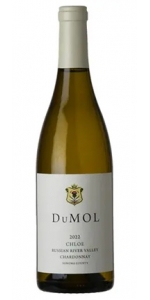
DuMOL 'Chloe' Chardonnay is made from 100 percent Chardonnay.
Our first vintage of Chloe was 2000, and although the vineyard mix has changed over the years, the wine has always focused on the central Russian River Valley district to represent the richest side of DuMOL Chardonnay. The wine has lower acidity than our coastal wines, making it more approachable in its youth, and the flavors focus more on orchard fruits than citrus. The neighboring El Diablo and Flora Marie vineyards sit overlooking the river on gravelly loam soils and provide the wine's deep fruit generosity. These are the first vineyards we harvest each year as the lean soils really advance their crop’s ripening. We offset this fruit richness with grapes from our Green Valley Bressay Estate, which overflow with tense structure and coastal acidity. It’s a seamless combination that produces a thrilling result, and Chloe is the first of our designate Chardonnays you should open each vintage.
The wine’s aromas and flavors are akin to peach, apricot, oatmeal and anise. Fresh thyme and honey notes combine with tangerine and lemon curd. It’s a deeply textural and expansive wine that gently glides along the palate. Lively acidity and spicy notes of ginger and white pepper provide lift and energy to the finish. A beautiful, layered, and richer style to enjoy soon after release. Drink between late-2024 and 2029 and serve no cooler than 55º F.
Review:
A Central Russian River Blend, the 2022 Chardonnay Chloe is a bright yellow hue and captures a wide spectrum of citrus with notes of orange, Meyer lemon, fresh pineapple, toasted spice, and a hint of almond through the mid-palate as well as a nice lift of citrus on the finish. It’s a beautiful wine offering a richer tone through the range. Drink 2024-2034.
-Jeb Dunnuck 96 Points
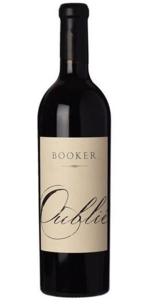
Booker Vineyard Oublie Red is made from 33% Syrah, 30% Grenache, 28% Mourvèdre, 5% Tannat, 4% Petite Sirah
Oublié's blend is always Grenache, Syrah and Mourvèdre – the California version of a Châteauneuf du Pape. The namesake is a play on the French term for "forgotten." Rhône varietals grow beautifully on the estate and Booker believes that they are far-too-often forgotten when you think of a California wine. Deep ruby/purple in color, this hearty expression of a Paso GSM boasts confident notes of boysenberry, licorice and cedar on the nose. On the palate, the taster is rewarded with lively flavors of raspberry coulis mingled with blonde roast coffee and chocolate ganache. For lovers of Mourvèdre, this vintage of Oublié will show off. It drinks bolder than prior vintages, mostly because the Mourvèdre was so special in '19.
Oublié is traditionally one of Booker's most food-friendly wines and should pair well with most dishes.
Review:
The 2019 Oublié is a blend of Syrah, Mourvèdre, Tannat and Petite Sirah with a medium ruby-purple color. The nose offers gregarious mixed berry preserves and accents of potpourri, mint and fragrant earth. The palate offers juicy appeal and powerful fruit with loads of spice and floral perfume, bursts of freshness and firm, pleasantly rustic tannins, finishing very long.
-Wine Advocate 97 Points
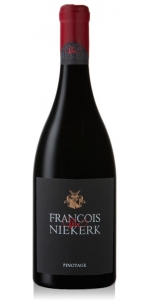
Dense purple hues, with evocative aromas of black cherries, ripe plums, nectarines, boysenberry, wild bramble and exotic oak spice. The juicy and sweet-fruited palate entry, combined with crunchy tannins, lures one into a sense of overtness, yet the wine is sublimely elegant and poised. The complex layers of fruit is in perfect harmony with the oak, all bound together by a lively seam of acidity. The finish is pleasantly dry and savory, with lingering notes of Christmas cake and vanilla pod.
Pair with barbequed meats, especially venison and beef / bobotie / lamb curry / seared tuna / spicy Asian-styled cuisine / aromatic curries / duck with sweet plum sauce / beef or lamb burgers / pizza
Review:
"A full-bodied and brooding wine. Precisely balanced with red cherries, blueberries, coffee, and chocolate with silky tannins and refreshing sour cherry acidity. Serious pedigree here."
- Decanter WWA 2021, 96 points and Gold Medal
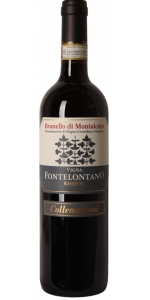
Collemattoni Brunello di Montalcino Riserva is made from 100 percent Sangiovese.
Intense ruby red with brilliant burgundy reflects in color. Reminiscent of wild black fruits, vanilla and spices on the nose and dry, warm, slightly austere but velvety in the palate.
This wine comes from the oldest vineyard of Collemattoni: Fontelontano. Less than half hectare. It's one of the few Single Vineyard Brunello di Montalcino riserva.
Coming from a parcel with 15-18 year old vines planted in sandy clay and marl soils.
Harvest is 100% destemmed with a soft pressing, fermentation in stainless steel tanks at controlled temperature of 28-30°C, pumping over for the first week of maceration following by skin-contact maceration for 20-25 days with rack and return technique (delestage).
Malolactic fermentation completed. The delestage and the pumping over are then spaced out along the process.
Wine is slightly filtered before bottling.
Review:
This is intense with aromas of dried cherries, sweet licorice, cloves, crushed walnuts and hints of chocolate and undergrowth. Full-bodied, deep and structured with taut, tightly packed tannins. Long and persistent. Drink or hold.
-James Suckling 94 Points
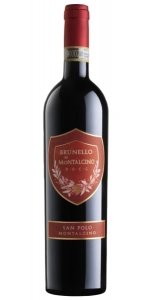
Poggio San Polo Podernovi Brunello di Montalcino is made from Sangiovese.
Intense ruby red in color with garnet hues, clear and glossy. The bouquet exhibits typical aromas of violets and small red berries. Subtle nuances of forest undergrowth, aromatic wood, a touch of vanilla and jammy mixed fruit then give way to subtle hints of coffee. This Brunello is intense, persistent, broad and heady. Full-bodied and warm on the palate, with a densely-woven texture and robust body, it has a persistent finish with well-rounded tannins. The particular features of the terroir at San Polo produce a Brunello with a capacity for lengthy aging, while patient cellaring enhances the wine during ageing in the bottle.
Review:
Lovely purity of fruit with ultra fine tannins and depth, finesse and complexity. Black cherries, cedar and some flowers. It’s full-bodied with very fine tannins that drive the finish. Give it a year or two to open more, but already so enticing. Drink or hold.
-James Suckling 96 Points
The San Polo 2015 Brunello di Montalcino Riserva (with 8,000 bottles produced) is a textured wine with hearty fruit and touches of smoked meat and spice. At its core, the wine offers dark fruit, blackberry and ripe plum. The rich fruitiness of the wine cedes to campfire ash, mahogany and furniture wax. These results are sultry and even a bit flashy, with distant background tones of teriyaki and plum sauce. The wine is fermented in cylindrical oak fermenters and aged in oak for three years. We'll see this bottle hitting the market sometime after February 2021.
-Wine Advocate 95 Points
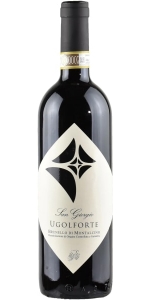
San Giorgio Ugolforte presents a dark core of red and black berry fruit layered with earth, leather, smoke, and herbs. Complex and elegant, the wine is full on the palate and firm in tannin structure. Refreshing acidity frames a graceful finish. Classic Brunello di Montalcino.
This red is marked by cherry, plum, thyme, sage and loam aromas and flavors. Lively and firmly structured, featuring a saline undercurrent. An open-knit version, with nice equilibrium, fine energy and a long, resonant finish.
-Jeb Dunnuck 94 Points
-Wine Spectator 94 Points
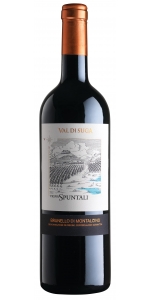
This is a 6 pack with 2 bottles each from vintages from 2013, 2015, and 2016.
***Tenimenti Angelini Val di Suga Vigna Spuntali Brunello di Montalcino 2016:
The 2016 Vigna Spuntali Brunello di Montalcino is the most brooding of the lineup from Val di Suga and is sourced from the southwest of the region on sandy soils. There are aromatics of black raspberry, licorice, menthol, sage, cinnamon, and iron-rich earth. Its Mediterranean influence is felt on the palate with ripe black cherry, dried herbs, and sun-baked earth. This is the fullest bodied and most savory of the Val di Suga lineup, with more roundness and grip. Its structure will benefit from cellaring for several years and will be great drinking over the next 20 years or more. 2026-2040.
-Jeb Dunnuck 96 Points
***Tenimenti Angelini Val di Suga Vigna Spuntali Brunello di Montalcino 2015:
The 2015 Vigna Spuntali Brunello di Montalcino is more introverted on first opening, with notes of black plum, licorice, dried Mediterranean herb, and sun-baked earth. On the palate, it offers a tart dried fruit character, with a building tannin structure that finishes with tomato leaf, and bitter herbs. The most rustic and burly of the wines in the lineup of the 2015 Val di Suga vintage, it will benefit from allowing some time in cellar to see how this matures and its tarriness develops. Drink 2026-2036
-Jeb Dunnuck 94 Points
***Tenimenti Angelini Val di Suga Vigna Spuntali Brunello di Montalcino 2013:
Plenty of spices and fresh herbs on the nose, such as dried rosemary and nutmeg, to match the underlying dried redcurrants and cranberries. Full-bodied with plenty of concentration, but still shows a very sturdy, tannin backbone and punchy acidity, to drive this through to a long finish. Drink in 2021.
-James Suckling 94 Points
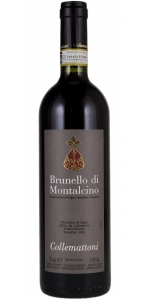
Collemattoni Brunello di Montalcino is made from 100 percent Sangiovese.
Color: brilliant red with burgundy reflects; Bouquet: penetrating with memories of wild black fruits, black cherry and noble wood; Taste: warm, dry and persistent
Coming from a parcel with 10-15 year old vines planted in sandy clay and marl soils.
Harvest is 100% destemmed with a soft pressing, fermentation in stainless steel tanks at controlled temperature of 28-30°C, pumping over for the first week of maceration followed by skin-contact maceration for 20-25 days with rack and return technique (delestage).
Malolactic fermentation completed.
Wine is slightly filtered before bottling.
Review:
This is a really balanced and pretty young Brunello with dark-cherry and citrus character on both the nose and palate. It’s medium-bodied with integrated tannins and a beautiful, succulent finish. Nicely done. Drinkable now, but better in two or three years.
-James Suckling 95 Points
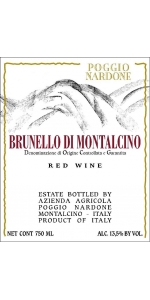
Poggio Nardone Brunello di Montalcino is made from 100 percent Sangiovese Grosso.
The rich nose displays scents of spices combined with aromas of small red ripe fruits, blackberry and blueberry.
Well structured, determined and elegant, with round and silky tannins. Very nice finish.
Alcoholic fermentation was done in tank, malolactic fermentation in oak barrels. Wine was then aged for 3 years in French oak barrels.
Review:
Powerful and classic, it alternates in the best way the floral features of magnolias, gardenias and hawthorn with fruity notes reminiscent of plums, pressed blueberries and lemon juice. Medium-full body, smooth and relaxed in the sip, it closes harmonious and balanced. How beautiful! Better from 2024.
Raffaele Vecchione - WinesCritic.com 94 Points
Wachau Riesling is dry and often defined by high levels of dry extract (due to a lengthy ripening period) and a pleasing freshness (due to dramatic temperature swings between day and night). Sedimentary soils of sand and stone give Kirchweg Riesling a dense mineral texture and fine fruity flavors.
Review:
Welcome to the dark side of Wachau dry riesling! Deep and delicately spicy nose that’s full of mystery. Incredible concentration and massive wet stone character on the very precise medium-bodied palate. Radical mineral energy and garden herb freshness at the enormously long and tightly-focused finish.
-James Suckling 98 Points
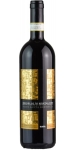
On the nose, it opens with mineral hints of flint, followed by sweet spices such as nutmeg. Citrusy notes of bergamot then emerge, together with delicate floral nuances and hints of rosehip. On the palate, it shows a sweet and juicy entry, with a medium to full body. It is warm and spicy, with a slightly piquant edge. Freshness balances the structure nicely, while the fruity finish, recalling ripe plums, is savory and persistent. It displays good softness and an overall sense of balance and harmony
Review:
-James Suckling 96 Points



