
" We don't sell the wine without touching the vine "
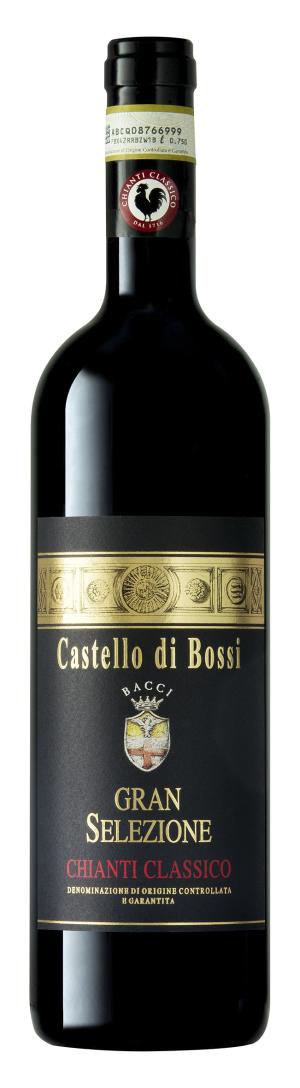
| Country: | Italy |
| Region: | Tuscany |
| Winery: | Castello di Bossi |
| Grape Type: | Sangiovese |
| Organic: | Yes |
| Vintage: | 2020 |
| Bottle Size: | 750 ml |

Ruffino Romitorio di Santedame Chianti Classico Gran Selezione DOCG is made from 90% Sangiovese, 10% Colorino.
Romitorio di Santedame, a limited-production Gran Selezione from Castellina in Chianti, pays homage to a rich history while embracing a bright future. It originates from a single vineyard within the Chianti Classico's "golden basin" (Conca d'Oro) and is crafted from an exclusive blend of Sangiovese and Colorino. The latter is a native Tuscan grape variety that was nearly extinct but has experienced a revival through dedicated research and promotion efforts.
Fruity aromas typical of Sangiovese, including black cherry and ripe plum, with violet and complex chocolate and black pepper notes. The palate offers sweet tobacco and balsamic hints, while its balanced structure with refined tannins and lively acidity makes it suitable for extended aging.
Review:
You feel the oak here, suggesting vanilla and clove character, but it’s very well complemented by the dark fruit, ranging from blackberries to mulberries to dark cherries. Full-bodied, dense and decadent with a regal structure and muscular tannin backbone. The acidity cuts nicely through on the long finish and provides freshness. Drink from 2024.
-James Suckling 94 Points

Tenuta di Nozzole La Forra Chianti Classico Riserva is made from 100% Sangiovese.
Located north of the village of Greve in the heart of the Chianti Classico region, the Nozzole estate covers a striking, rugged, mountainous area of about 1,000 acres at 984 feet in elevation. In order to obtain concentration and complexity in the wine, yields are kept low. The grapes are hand harvested, destemmed and crushed. Fermentation is initiated on the skins in temperature-controlled stainless steel tanks, followed by a maceration period to draw out color and tannins. The wine is racked into stainless steel tanks for malolactic fermentation before aging in oak vats and in bottle before release. The wine is bottled on the estate.
The 2020 vintage was characterized by a basically cold period between April and May and by a generally warm and dry climate until July. The initial slight delay of the vegetative cycle has been recovered since the summer. The sudden increase in temperatures, especially for the later varieties where the fruit set had not yet ended, has favored a production characterized by sparse and light bunches. The stable and sunny climate of the months of August and September allowed the grapes to complete ripening in optimal conditions.
Review:
Attractive on the nose with cherries, red berries, dried herbs and baking spices. It’s medium-bodied with fine tannins. Harmonious and poised with a refined character. Weightless and agile. Polished and succulent finish.
-Wine Enthusiast 93 Points

Ricudda Chianti Classico Riserva 100% Sangiovese.
Deep ruby red color.
The wine shows an intense and persistent bouquet, with notes of berries and spices such as licorice and black pepper. Well-harmonized hints of oak.
In the mouth, it is well structured and balanced, complex, persistent with notes of red fruits and spices such as black pepper and licorice.
Pair with grilled red meats, steak, game of hair and feather, stewed and roasted, aged cheeses hard like pecorino.

Familia Zuccardi 'Finca Piedra Infinita' Supercal is made from
Appellation: Finca Piedra Infinita, IG Paraje Altamira,Valle de Uco, Mendoze
Vinification: Manually selected grapes, filling of tanks by gravity. Fermentation with native yeasts in concrete vessels without epoxy. Aging in concrete vessels. The 2020 was a very particular vintage, characterized by limited yields and a high speed of maturity, which made it one of the fastest and most challenging on record.
In the search for the purest expression of the identity of Finca Piedra Infinita vineyard, we reached this small plot of 0.73 hectares. Located on its north-east side, it shows the typical facet of Paraje Altamira soil, with large gravels and granite stones covered with calcareous material at a depth of 50 cm.
Altitude: 3,609 feet above sea level
Soil Type: Short alluvial soil covered with calcareous materials
Alcohol: 14% Total Acidity: 5.6g/l
TASTING NOTES:
Color: Bright ruby color
Aroma: Dark berries, black olive tapenade, and iron
Flavor: Rich on the palate, with firm tanins
Review:
A very young, beautiful malbec that is still a bit reductive now. Fresh herbs, white pepper, violets, iron and some ripe black cherries to the nose. Full-bodied on the palate with plenty of powerful, fine tannins. Mineral and super fine-grained. Needs time. Better after 2026.
-James Suckling 98 Points

Familia Zuccardi 'Finca Piedra Infinita' Gravascal is made from 100 Malbec.
WINE DATA:
Grape Composition: 100% Malbec
Appellation: Finca Piedra Infinita, IG Paraje Altamira,Valle de Uco, Mendoze
Vinification: Manually selected grapes, filling of tanks by gravity. Fermentation with native yeasts in concrete vessels without epoxy. Aging in concrete vessels. The 2020 was a very particular vintage, characterized by limited yields and a high speed of maturity, which made it one of the fastest and most challenging on record.
In the search for the purest expression of the identity of Finca Piedra Infinita vineyard, we reached this small plot of 0.73 hectares. Located on its north-east side, it shows the typical facet of Paraje Altamira soil, with large gravels and granite stones covered with calcareous material at a depth of 50 cm.
Altitude: 3,609 feet above sea level
Soil Type: Short alluvial soil covered with calcareous materials
Alcohol: 14% Total Acidity: 5.6g/l
TASTING NOTES:
Color: Bright ruby color
Aroma: Dark berries, black olive tapenade, and iron
Flavor: Rich on the palate, with firm tanins

Grand Veneur Chateauneuf-du-Pape Rouge Les Origines is made from 50% Grenache, 30% Mourvedre and 20% Syrah
Matured in vats (grenache) and in oak casks (syrah and mourvèdre).
Deep and brilliant, purple-red colour. An exciting nose with aromas of black fruit (blackcurrant, cherry) spices and vanilla. This great aromatic complexity is found on the palate : the spices and ripe fruit appear with an elegant woodiness and harmonious tannins. The finish has good aromatic length and introduces a touch of liquorice and pepper.
A terrific Châteauneuf du Pape with great concentration and finesse.
Best between 2 and 20 years. Best to decant if young (less than 5 years old).
Soil type Extreme north of Châteauneuf du Pape. This plateau is made with a high quantity of red clay mixed with rocks. This area is considerated to be one of the best to produce rich and powerful red wines. By definition, LES ORIGINES will always deliver a great complexity and ageing potential. Winemaking & ageing Harvest is sorted by hand, destemmed and crushed. Fermentation temperature is controlled at 30°C. Vatting period of 18 to 20 days. Matured in vats (grenache) and in oak casks (syrah and mourvèdre).
Review:
"The huge nose of violet pastilles, mulberries, smoked bacon and a touch of hot asphalt pulls you into this expansive but beautifully balanced Chateauneuf that’s packed with fine, powdery tannin. So much bitter-chocolate character, but this exactly matches the deep fruit and, at the long crescendo finish, there are fascinating balsamic and hot dry-earth touches. Drinkable now, but best from 2025."
- James Suckling (March 2022), 94 pts
Castello di Bossi Gran Selezione is made from 100% Sangiovese.
Gran Selezione is the newest quality designation to have been added to the DOCG classification system in Chianti Classico. Gran Selezione takes quality controls a step further than Riserva-- which previously occupied the top tier-- by banning the use of any purchased, or non-estate-grown fruit, in the inclusion of a wine labeled Gran Selezione. This coupled with longer aging requirements (30 months minimum) and minimum levels of alcohol set to 13% designates a band of wines from Chianti Classico producers representative of the appellation's highest quality potential with often limited availability.
Review:
A juicy and salty red with plums and cedar with light sawdust and hints of dried meat. Medium to full body. Savory. Nice tension at the end. Some chocolate powder. Drink now or hold.
-James Suckling 94 Points
With a history dating back to the 9th century AD, the Castello di Bossi estate has evolved with the times. A dynamic team leads the estate and never shies from technological innovation, while remaining true to the terroir of Chianti. It is this balance that has been a key part of Marco Bacci’s vision as he has brought Castello di Bossi to the highest ranks of international wine. As the mastermind of Castello di Bossi, he oversees all operations, from beginning to end, with careful attention to detail. In the last 10 years, Marco has added two properties to his holdings: Renieri in Montalcino and Terre di Talamo in the Morellino di Scansano appellation.
The Bossi Castle is located in the town of Castelnuovo Berardenga, the southernmost appellation of Chianti Classico, amid evergreen woods and long rows of vines.
Marco owns one of the best collections of estates in Tuscany, and is creating high-quality wines from some of the top Tuscan appellations. Following in his father's footsteps, Marco's son Jacopo joined the company in 2004. First involved on the production side, Jacopo has come to be especially active in sales in the US and Asian markets.

Salvaterra Amarone della Valpolicella Classico is made from 65% Corvina, 20% Corvinone, 10% Rondinella, 5% Oseleta.
Perfume of cherries, cocoa, tobacco and black pepper. On the palate it is complex and deep, elegant and robust at the same time, harmonious and with an excellent tannin.
Amarone della Valpolicella Classico is "the essence of the territory", structured but also fresh at the same time.
Pairs with red meats, aged cheese, dark chocolate, cigars.
Review:
Abundant lively red cherries, plums and mellow milk choolate with a energetic and powerful structure, an elegant frame of velvety tannins and an attractive balsamic finish.
-Decanter 96 Points

Gundián is a local surname & the name of several Galician villages (3 in the area) as well as a famous bridge in Galicia - thus the bridge graphic on the label. The Gundián Bridge, also known as the Gundián Viaduct, is a bridge that spans the Ulla river pass, on the old railway line between Orense and Santiago de Compostela.
Clean and bright wine, straw yellow color with greenish flashes. On the nose, it has fruity and floral aromas of high intensity, especially apple and stone fruits (apricot). In the mouth, the freshness and youth of the Albariño stand out with a well balanced acidity which makes it savory, sweet and glyceric.

Marchesi Di Gresy Barbaresco Martinenga Camp Gros Riserva is made from 100 percent Nebbiolo.
Review:
Gorgeous scents of cherry, raspberry, rose hip and white pepper are augmented by leather, tobacco and chalky, mineral flavors in this detailed, complex red, which starts out fresh and inviting, before the dense matrix of tannins puts a lock on the finish. Nonetheless, this has length, harmony and stellar potential. Best from 2025 through 2043. 663 cases made, 50 cases imported.
-Wine Spectator 96 Points

Schwarz Thiele Road Grenache is made from 80 year old 100% Grenache vines.
Thiele Road is a dusty track that crosses Bethany Creek at the foot of the Barossa Ranges. It is home to Jason Schwarz's family's 70 year old, deep rooted Grenache vines that produce wines with complex flavours and plenty of character.
Bouquet: The nose is floral and expressive with raspberry and pepper.
Palate: Red fruits, spice and earth with beautiful balance and structure. Medium weighted with fine acidity. A wine built on complexity and packed with interest.
Planted in 1941. The gnarled, old vines continue to produce fantastic fruit and the quality out of the 2014 vintage was evident. The vines are handpicked, 10% whole bunch and the remainder de-stemmed and into an open fermenter. Before too long the wild yeast population on the grapes kicks off fermentation and that continues with daily gentle pump overs and hand plunging until fermentation is complete and the flavour profile is just right. The wine is then basket pressed and matured in seasoned French oak for 18 months before bottling. Not filtered or fined.



