" We don't sell the wine without touching the vine "
| Country: | France |
| Region: | Burgundy |
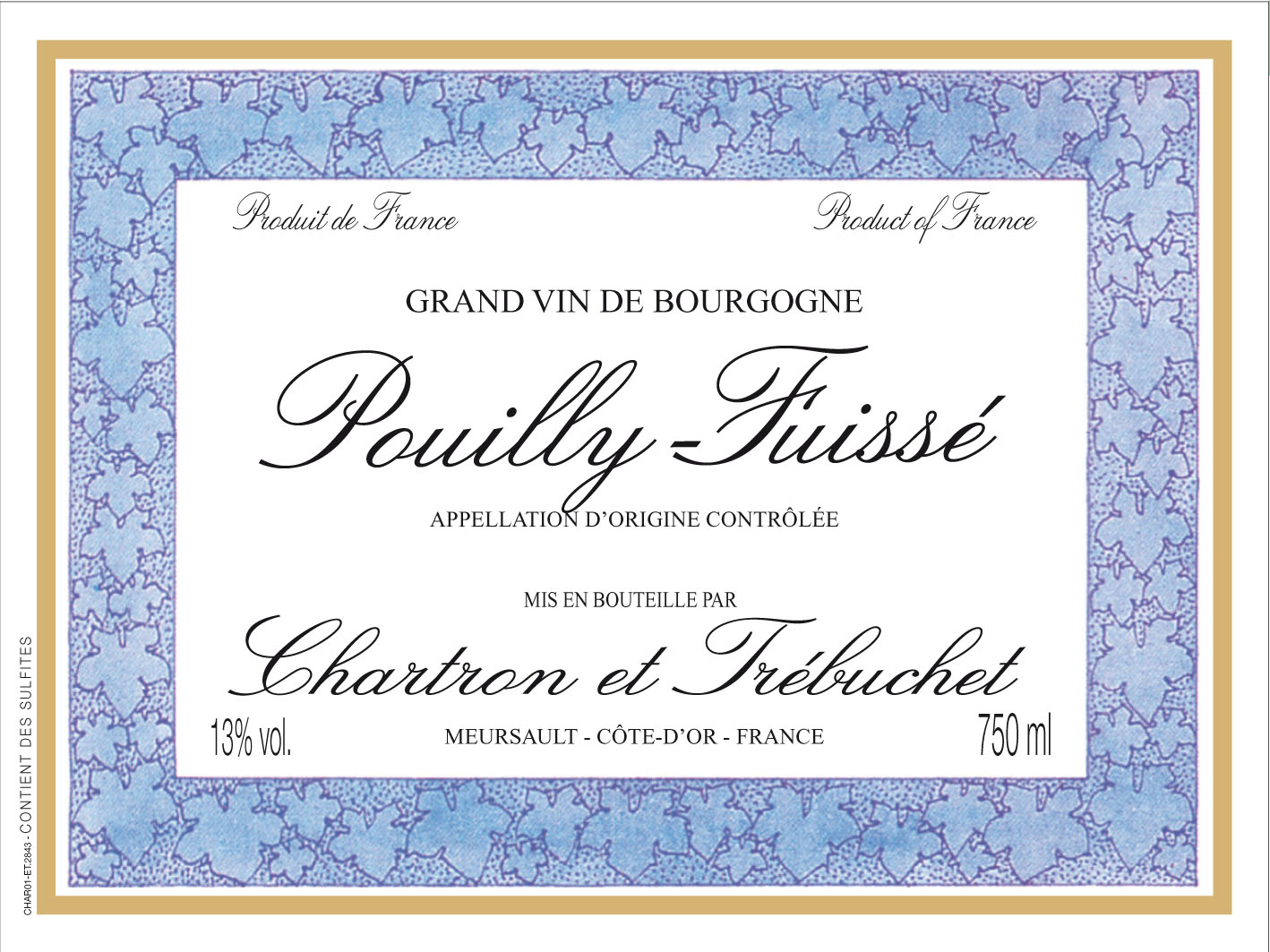
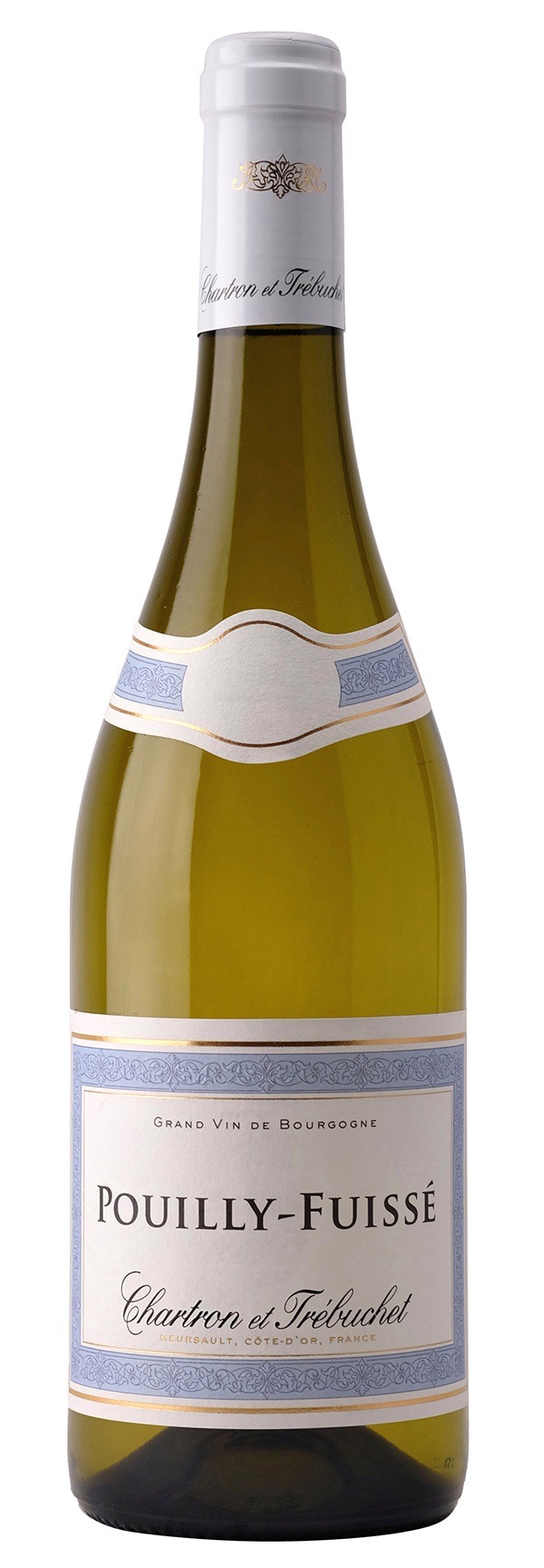
| Winery: | Chartron et Trebuchet |
| Grape Type: | Chardonnay |
| Vintage: | 2013 |
| Bottle Size: | 750 ml |

“1752” is the name of the Damilano Barolo Cannubi Riserva, in honor of the year in which the historic bottle was first marked “Cannubi”. It still exists today perfectly conserved by the Manzone family in Bra, close to Barolo. The bottle is clearly marked as being of “1752” vintage, indicating that Cannubi historically precedes Barolo.
About the Vineyard:
The Cannubi Cru is in found within one of the 6 core zones which comprise a UNESCO heritage site in Italy. A mixture of Tortonian and Helvetian calcareous marl gives the grapes intense aromas of cherry, plum and tobacco, rose and violet in sequence. Its low potassium and high calcium/magnesium content offer the wine a fine and polished touch. The vineyard is located at about 270 m. a.s.l. and has a south-east sun exposure. Barolo Riserva Cannubi 1752 It is a small plot of about 2 hectares of Nebbiolo vines, currently between 30 and 50 years of age.
Tasting Notes:
Garnet ruby red in color, the bouquet is intense and balanced, with notes of violet, red fruit, cherry and plum, spices, liquorice, cocoa, leather and tobacco. Dry, robust, full-bodied, very persistent, rich and velvety
Food Pairing:
This wine is excellent with typical piedmontes pasta (tajarin, ravioli); perfect with red meat, braised and roast meat, game and absolutely ideal with all types of cheeses.
Review:
The purity of this wine is pretty phenomenal with blackberries, strawberries, fresh flowers and licorice. Hints of tar. It’s full-bodied, yet composed and compact with ultra fine tannins and a long, flavorful finish. Very structured. Try after 2024.
-James Suckling 97 Points

Saumaize Michelin Pouilly Fuisse Marechaude is made from 100 percent Chardonnay.
A beautiful Pouilly-Fuisse from "La Marechaude" parcel that Saumaize-Michelin acquired in 2013. Planted on clay and limestone slopes and hand harvested, this Chardonnay offers fresh and elegant notes of white flowers, crisp, citrus and exotic fruits. Powerful and mineral on the palate with a fantastic balance, finesse and freshness. The exceptional terroir brings minerality and juicy flavors of stone fruits, peach and melon supported by subtle toasty notes.
It is now a Premier Cru.

Charles Heidsieck Vintage Brut is made from 57% Pinot Noir, 43% Chardonnay.
A beautiful golden robe offers glints of green accentuated by a delicate, dynamic effervescence. The initial nose introduces intense toasted and smoky notes along with ripe fruit. When swirled in the glass, the nose takes on a heartier dimension with touches of apricot and vineyard peaches. The aromatic concentration, due to a heat wave of several weeks, is reminiscent of the summer sun. The attack is taut and decisive. the creamy texture, the crisp fruitiness and spiced notes of cinnamon, licorice and pepper are the hallmark of the House style.
Review:
Aged for eight years on the lees before disgorgement, the Champagne is deliciously toasty with acidity and fine dryness.
-Wine Enthusiast 96 Points
Disgorged in January of 2023, the 2013 Champagne Millésime Brut was the last vintage from the cellar master for Heidsieck prior to Cyril Brun. The 2013 Champagne Millésime Brut is a bright straw yellow color and is based on the crus of Les Mesnil, Avize, Averney, and Aÿ. It’s fresh with aromas of wet stones, fresh quince, and fresh jasmine flowers. It has a chalky and focused texture, with ripeness to balance it out, and a long, graceful finish. At this stage, it feels more forward with 57% Pinot Noir and the rest Chardonnay. A more mineral-tinged expression, it has a lot of charm and the promise of longevity over the coming two decades. Drink 2024-2044. It will be interesting to see how the Pinot shows itself over time. 8 grams per liter dosage.
-Jeb Dunnuck 95 Points

The Stone Corral Vineyard is planted on a southeast slope on the west side of the Edna Valley which has an east/west orientation opening up to the Pacific Ocean from Morro Bay and Pismo Beach. Approximately 120 to 300 feet above sea level, the climate is strongly influenced by the ocean providing ideal temperate growing conditions for Pinot Noir. Early spring warming, mild summer temperatures and late arriving cold fall temperatures and rain provide a long growing season for the development of rich color, concentrated and complex flavors. Soil profiles vary between blocks from sand, sandy loam, loamy sand, pebbly sandy clay loam, all fine angular blocky , including decomposing sandstone layers and numerous fossil rocks. The soils are well drained and marine in origin, resulting in an elegant Pinot Noir with extraordinary attributes.
This gem is a blend of a few precious, select barrels hailing from the finest blocks of Stone Corral Vineyard. Offers blue-toned fruit on the nose and a pretty bouquet of black raspberry, sandstone, marzipan and wild lupine flowers. Opulent, yet delicate on the palate, with velvety layers of cola nut, cherry, dried herbs and pecan sandie cookies.
Wine analysis – 13.7% Alcohol, .69 TA, 3.5pH
- A barrel select Stone Corral Vineyard bottling, utilizing the finest blocks and clones of the 2013 vintage
- Blend of clones 115, 777 and 667 on 101-14 and 3309 rootstalks
- Hand harvested, cold fruit from night picks during the month of September 2013
- Yield about 2 tons per acre between 23.8 and 24.5 ° Brix
- Destemmed with nearly 100 % whole berries remaining
- Fermented in small open top tanks
- 4 day cold soak, average 14 day fermentation, peak temperature 83°
- Hand punched down several times daily as needed
- Pressed off just dry, tank settled then racked to barrels
- Aged in small French oak barrels for 18 months
- Once the fresh wine is transferred from the press pan, all moving of the wine is done with inert gas pressure.
When handling the wine, care is taken at all opportunities to avoid shear.
"This bottling comes from the best blocks and barrels from this single vineyard, co-owned by a number of Edna Valley luminaries. The result is stunning, with baked raspberry, strawberry, maple, and peppery bacon aromas comprising a spicy, exotic nose. Black plum fruit melds with white pepper and crushed herbs, diving into tangy strawberry and sandalwood incense notes on the finish. - Matt Kettmann"
- Wine Enthusiast Magazine (April 1st 2017), 95 pts

Maurice Martin Pouilly-Fuisse is made from 100 percent Chardonnay.
Fruity and floral aromas intertwined with vanilla and toasty notes. Harmonious, well balanced and elegant wine.
The grapes for this wine is coming from 2 famous part of the Maconnais' region: Vergisson and Solutré, famous for their Rocks. Hence, the minerality is coming from these rocky soils.
The wine went through malolactic fermentation.
It has been gently filtered before bottling.
Excellent with white meats and fish.

Piper-Heidsieck Rare Brut Champagne is made from 70% Chardonnay, 30% Pinot Noir.
The effervescence of Rare Millésime 2013 is tinged with an intensely bright, light golden color. The nose, at first subtle and clean, emerges in two stages combining tonicity and elegance. It all begins with the delicacy of white flowers, a hint of black tea and touches of citrus, kiwi and kumquat. Then, notes of lime blossom, green tea and fern give way to aromas of white fruits such as greengage plums. Touches of chestnut honey, sweet spices, vanilla and marzipan round off the wine's rich bouquet. The two facets of Rare Millésime 2013 are confirmed in the mouth: smooth and vibrant, indulgent and dynamic. After hints of meringue, whipped cream and marzipan, kumquat, blood orange and kiwi then provide a refreshing tonicity. On the finish, the comforting texture of Rare Millésime 2013 appears as an aromatic and smoky indulgence punctuated by a freshness and a subtle bitterness. Rare Champagne's iconic signature of tropic minerality is expressed differently in Rare Millésime 2013, extended by a plump and prolonged aftertaste.
Reviews:
Originally a part of the legendary Piper-Heidsieck Champagne house, Rare is moving their Champagne Millésime to a new brand and want it to stand alone. (Think Delamotte and Salon.) The 13th vintage for this cuvée, the 2013 Champagne Millésime is a blend is 70% Chardonnay with the rest Pinot Noir, with the majority of the blend coming from the Montagne de Reims Grand Cru and Premier Cru. A bright yellow hue, its aromatics are exquisite and well-balanced, with fresh notes of key lime, candied apple, fresh croissant dough, fresh pineapple, and honeysuckle. Medium to full-bodied, it fills the palate with a rounded and supple texture and a pillowy mousse. It’s long on the palate and has a silky personality as well as a long, pristine finish. It has fantastic balance of decadence and freshness, and I could drink this all day. It’s going to have a long drinking window. Drink 2024-2044 and beyond. Disgorged December 2022.
-Jeb Dunnuck 97 Points
Like a stallion out of the gate, this shows an initial explosion of power, in the form of mouthwatering flavors and fine texture, before quickly settling into an elegant gait. The racy acidity is seamlessly knit, buoying the lacy mousse and flavors of cassis, toasted brioche and tangerine, with accents of candied ginger, hazelnut and fleur de sel lingering on the long, creamy finish.
-Wine Spectator 97 Points
Pale gold color with green highlights. The wine offers an amazing purity of fruit with enticing aromas of citrus (lemon and grapefruit) supported by a mineral character, toasty notes and roasted peanuts. The wine is rich, generous and elegant in the mouth with complex flavors and a mineral finish.
This Pouilly Fuissé is delicious as an aperitif or with mild tasting cheese (camembert, brie, blue, goat, gruyere...).
The Chartron et Trebuchet Estate
Owners of Premiers and Grands Crus in Puligny-Montrachet since 1859 with the Domaine Jean Chartron, Jean-René Chartron founded the Maison Chartron et Trébuchet in 1984 with Louis Trébuchet, manager of a wine trading company.
Vincent Sauvestre acquired the company in 2004. His objective is to continue to promote the great white wines of Burgundy, whilst respecting and perpetuating the quality work achieved by Jean Chartron and Louis Trébuchet.
The Maison Chartron et Trébuchet specialises in producing great white Burgundy wines. The know-how of the winemakers begins with a radical selection of the very best plots: the highest-quality terroirs of the Côte are chosen and the grapes are carefully monitored throughout the ripening period. Grapes are hand-picked when the balance between acidity and sweetness is at its prime: the fruit must not be too ripe so that the full potential of the terroir is maintained, including its acidity, to ensure that the wines age properly. All of the winemaking is done in casks: the alcoholic fermentation is followed by malolactic fermentation. A proportion of 20 to 40% of new barrels is used, depending on the appellations and the vintage. Wines are left to age for 12 to 18 months depending on the appellations.
The Chartron et Trebuchet Vineyards
Chartron et Trébuchet's vineyards are all planted on Limestone and Clay based soils. In average, the age of the vines is 30 years old.

Weingut Robert Weil Kiedricher Grafenberg Riesling Grosses Gewachs is made from 100 percent Riesling.
The Robert Weil Kiedrich Grafenberg GG is always at the head of its class. Deep, brooding, powerful aromas of sea salt, ripe lime, lemon curd and jasmine. Bass notes of moist earth. Explosive flavors of pineapple, honey, peach, apple and spearmint. So much fruit, but bone dry. Aristocratic finish.
A powerful, almost monolithic Riesling, that can stand up to buttered lobster, Eastern scallops, a roast garlic chicken, or just an array of ripe cheeses.
Review:
“This very youthful GG needs some aeration to open up, but with every swirl of the glass more wild herbs, red-fleshed vineyard peaches and exotic floral nuances emerge. Very concentrated, yet cool and focused, with a very precise interplay of tangerine fruit, wet-stone minerality and a hint of oak that echoes down the valleys.”
Founded in 1875, Weingut Robert Weil is considered to be one of the Rheingau’s younger wine estates. It is located in the heart of Kiedrich, a village first documented in the year 950. Kiedrich Turmberg and Kiedrich Gräfenberg, the estate’s top vineyards, are among the finest sites in the Rheingau.
-James Suckling 98 Points

Cabrieres Chateauneuf du Pape Rouge Les Silex is made from 80% Grenache and 20% Syrah .
The vineyard is situated on the high tablelands, which are characteristic of the northern area of Châteauneuf-du-Pape. The terrain consists mainly of alpine diluvium and chalky Miocenian soil, with large flint pebbles covering the surface. These pebbles conserve the heat of the day during the night, thus avoiding too much evaporation.
This 2020 has opened up and is drinking great right now. A blend of 80% Grenache and 20% Syrah. Elegant cherry red color, with expressive notes of red fruits (strawberry and raspberry). Mellow tannins, well-balanced on the palate. I feel I need to point out the freshness, it is bright and lively on the palate, something we don’t see a lot of in this region. This also makes it extremely food friendly as it can hold up to fatty proteins.
Very good with white meat, red meat, charcuterie and cheese.