
" We don't sell the wine without touching the vine "
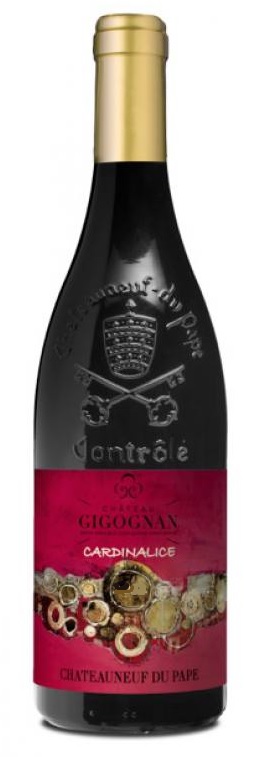
| Country: | France |
| Regions: | Rhone Chateauneuf du Pape |
| Winery: | Chateau Gigognan |
| Grape Type: | Grenache |
| Organic: | Yes |
| Vintage: | 2007 |
| Bottle Size: | 750 ml |

Xavier Vignon Chateauneuf-du-Pape Rouge Cuvee Anonyme 2019 is made from 60% Grenache, 15% Mourvedre, 10% Syrah and the rest is "field blend" with the following grapes : grenache, vaccarese, counoise, mourvèdre, terret noir and muscardin.
One of Xavier Vignon's first almost anonymous blends only in MAGNUMS !
The grapes come from "collection vines", where many grape varieties are planted together, making it difficult to identify the exact share of each variety: grenache, vaccarese, counoise, mourvèdre, terret noir and muscardin.
Partially destemmed and vinified in a mix of demi-muids and tank, it offers a beautifully pure, vibrant bouquet of black raspberries, white and black pepper, candied orange, and violets. Complex, layered, and nuanced, this beauty is medium to full-bodied, has a seamless texture, and a great finish. It has both elegance and richness, and will keep for 15+ years.
Pairing: Duck in sauce with olives. Ravioli with porcini mushrooms, cream of parsnip and bacon crisps. Partridge leg confit with olive oil.
Review:
"The flagship from Xavier is the 2019 Châteauneuf Du Pape Cuvee Anonyme, and in 2019 it’s 60% Grenache, 15% Mourvèdre, 10% Syrah, and the balance a mix of permitted varieties. Partially destemmed and brought up in a mix of demi-muids and tank, it offers a beautifully pure, vibrant bouquet of black raspberries, white and black pepper, candied orange, and violets. Complex, layered, and nuanced, this beauty is medium to full-bodied, has a seamless texture, and a great finish. It has both elegance and richness, and will keep for 15+ years."
- Jeb Dunnuck (October 2020), 95-97 pt

Chateau La Nerthe Chateauneuf-du-Pape Rouge is made from Grenache 39%, Mourvédre 33%, Syrah 25%, Cinsault 2%, Others 1%.
Château La Nerthe is one of the oldest estates in Châteauneuf-du-Pape and dates from 1560. Château La Nerthe has 227 acres of vineyards that surround the château and top the renowned La Crau plateau. The terroir is typical of the region. Vineyards run along a slope and grow in sandy-clay soils. The ground is covered by a layer of ‘galets’ – large, round, well-worn stones that were carried down from the Alps by glaciers during the last ice age. All the 13 permitted primary varietals are planted here. Grenache dominates 62% of the vineyards and the average vine age is over 40 years old. The grapes are hand harvested and sorted on tables. The grapes are then put into vats for almost 4 weeks with regular pump overs and punch downs. The must is tasted every day during fermentation to ensure the best extraction of the berry compounds. At the end, the wines are racked into oak vats for malolactic fermentation. The cuvée is then aged in large French oak casks and barrels for 12 months before blending. Bottling takes place 6 months later.
The dark, deep, inky color of the wine shows immediately, stemming from the concentration of the vintage. Nose of blackcurrants, black tea and dried flowers stands out. The mouth is rich, fruity and velvety with an incredibly layered tannic structure. The wine is balanced and pure with strong intense and incredibly long aging potential.
Review:
A focused expression, this wine delivers pure red and black fruits unfolding against a delicate rose-petal backdrop. Silky yet chewy tannins gradually reveal layers of red cherry, pomegranate, spice, violets, and a hint of clove. Its elegance is underscored by fine tannins, suggesting a wine that, while quiet now, holds the promise of revealing its full beauty with time in the bottle. Cellaring through 2028+ before revisiting should prove to be rewarding.
-Wine Enthusiast 93 Points

Chateau de Beaucastel Chateauneuf-du-Pape Rouge is made from 30% each Grenache and Mourvèdre, with 10% each Counoise and Syrah, plus 20% other permitted varieties, including a healthy proportion of white grapes.
The story :
Château de Beaucastel has long been considered one of the great wines of France. It is unanimously renowned for its balance, elegance and ageing potential. Beaucastel has an extraordinary terroir at the Northern end of the appellation with heavy exposure to the Mistral. All 13 varieties of the appellation have been organically grown here since the sixties.
Location :
Châteauneuf du Pape, between Orange and Avignon, Château de Beaucastel red is a 70-hectare vineyard.
Terroir :
Château de Beaucastel is 110 hectares, with one single plot at the north of the appellation. The terroir is archetypal of the best terroirs in Châteauneuf: rolled pebbles on the surface, sand, clay and limestone deeper down. The vines are old and have been organically grown for 50 years, which has allowed the roots to grow exceptionally deep.
Beaucastel grows all thirteen grape varieties authorised by the appellation.
Ageing :
Each variety is harvested manually and separately. Vinification is completed in truncated oak barrels for the reductive grapes (Mourvèdre and Syrah) and in traditional tiled cement tanks for the oxidative grapes (such as Grenache). After the malolactic fermentations, the family blends the different varieties and then the wine ages in oak Foudres for a year before bottling.
Review:
deep, quite herbal expression, with liquorice and crushed blueberries to the cassis fruit. Full-bodied, powerfully fruited, dense and deep. Really mouthcoating, intense fruit. The tannins are ripe, fine and plentiful, all saturated in blackberry juice on a long finish. Certainly one of the more successful Châteauneufs this year. Will age well. A Mourvèdre-led expression of Beaucastel - it contains more than usual, at least 35% and probably more. Grenache and Cinsault fermented in cement, Syrah and Mourvèdre fermented in foudre. (MW) (9/2022)
-Decanter 96 Points

Grand Veneur Chateauneuf du Pape Rouge Le Miocene is made from 70% Grenache, 20% Syrah, 10% Mourvèdre .
An intense dark-ruby color. The nose develop aromas of ripe black fruit (such as blackberry), cherry and spice box. The palate reveals the presence of tannins, in high quantity and elegant. The finish is long and luxurious. This is the Châteauneuf du Pape expression, displaying all the characteristics of the terroir.
Soil type: Plots are located northern part of Châteauneuf du Pape and the vines are grown under organic process.The soil is marked by the violence wrought by the Rhone river. It consists of a layer of marine molasses of the Miocene period covered by alpine alluvium. The presence of a great number of rounded stones known as "galets" in the earth is evidence of the time when the Rhone, then a torrent, tore fragments of rock from the Alps and deposited them on the plain. The GRAND VENEUR cuvee will express year after year a great power and aromatic complexity.
Winemaking & ageing: Harvest is sorted by hand, destemmed and crushed. Fermentation temperature is controlled at 30°C. Vatting period of 18 to 20 days. Matured in vats and oak casks.
Review:
The 2022 Châteauneuf du Pape Le Miocene checks in as 70% Grenache, 20% Syrah, and the rest Mourvèdre, all destemmed, that was raised mostly in tank, with the Syrah and Mourvèdre in oak. It has a beautiful nose of ripe red and black fruits that give way to more licorice, black olive, peppery garrigue, and spices. Medium to full-bodied on the palate, it's balanced and has ripe, building tannins and a great finish. It's going to evolve gracefully for 10-12+ years.
-Jeb Dunnuck 93 Points
Grand Veneur Chateauneuf du Pape Rouge Le Miocene is made from 70% Grenache, 20% Syrah, 10% Mourvèdre .
An intense dark-ruby color. The nose develop aromas of ripe black fruit (such as blackberry), cherry and spice box. The palate reveals the presence of tannins, in high quantity and elegant. The finish is long and luxurious. This is the Châteauneuf du Pape expression, displaying all the characteristics of the terroir.
Soil type: Plots are located northern part of Châteauneuf du Pape and the vines are grown under organic process.The soil is marked by the violence wrought by the Rhone river. It consists of a layer of marine molasses of the Miocene period covered by alpine alluvium. The presence of a great number of rounded stones known as "galets" in the earth is evidence of the time when the Rhone, then a torrent, tore fragments of rock from the Alps and deposited them on the plain. The GRAND VENEUR cuvee will express year after year a great power and aromatic complexity.
Winemaking & ageing: Harvest is sorted by hand, destemmed and crushed. Fermentation temperature is controlled at 30°C. Vatting period of 18 to 20 days. Matured in vats and oak casks.
Review:
"The 2022 Châteauneuf du Pape Le Miocene checks in as 70% Grenache, 20% Syrah, and the rest Mourvèdre, all destemmed, that was raised mostly in tank, with the Syrah and Mourvèdre in oak. It has a beautiful nose of ripe red and black fruits that give way to more licorice, black olive, peppery garrigue, and spices. Medium to full-bodied on the palate, it's balanced and has ripe, building tannins and a great finish. It's going to evolve gracefully for 10-12+ years."
- Jeb Dunnuck (Importer Highlight: Fran Kysela ; July 2024), 93 pts

Grand Veneur Chateauneuf Du Pape Vieilles Vignes is made from 50% Grenache, 40% Mourvedre, 10% Syrah
Matured in concrete vats (40%) and oak casks (60%)
It boasts an inky/purple color in addition to a gorgeous perfume of crushed rocks, jammy black fruits, charcoal and graphite. Blackberry aroma with an air of dates pressed in alongside – this is sweet-noted. It is easy to appreciate, a sleek and stylish start. The palate holds excellent fruit that runs well and has kick. Its tannins move round freely and a minted finale comes forward. Its dark fruit is tasty, darkens on the finish, where tar and char from its oak enter. It is all very much together, a bundle of harmony, and will gain local attributes as it ages.
An outstanding Chateauneuf du Pape which display the best of its terroir.
The vines are 50 to 100+ year old. They are planted on red clay soils covered with pebble stones.
Harvest is destemmed and crushed. Fermentation temperature is controlled at 30°C. Vatting period of 18 to 20 days. Matured in concrete vats (40%) and oak casks (60%).
The vines are 50 to 100+ year old. They are planted on red clay soils covered with pebble stones.
Harvest is destemmed and crushed. Fermentation temperature is controlled at 30°C. Vatting period of 18 to 20 days. Matured in concrete vats (40%) and oak casks (60%).
The vineyards are located in the north of Châteauneuf du Pape. GRAND VENEUR «Vieilles Vignes» cuvee is produced from the older vines. Thanks to time and an organic growing, roots go very deep in the soil. Yields are naturally low and grapes highly concentrated.
Winemaking and aging
Pair with venisson, duck, braised lamb or strong cheese.
Review:
"The 2021 Châteauneuf Du Pape Vieilles Vignes is even more powerful, with a dense purple color as well as serious notes of blackberries, currants, ground pepper, graphite, chocolate, and violets. I love its mid-palate density, it's medium to full-bodied, has building tannins, and a great finish. It's going to need short-term cellaring, but it’s one heck of an impressive 2021."
- Jeb Dunnuck (November 2021),94-96 pts
This exceptional cuvee is only developed during very good years from the best plots of old Grenaches
Reviews:
(100% grenache) Bright red. Expressive aromas of raspberry, cherry, potpourri and blood orange, with a smoky quality that gaining strength with air. Very fresh and juicy, offering open-knit red fruit flavors and exotic notes of candied flowers and spicecake. Attractively sweet and focused wine with impressive persistence-and delicious right now. (Was Tanzer) Vinous Internation Wine Cellar 91 Points
Since 1996, we have been looking after the estate : Having become “wine-growers per chance”, we have come to love our destiny and have endeavoured to give the Chateau Gigognan back its letters of nobility.
As owners of an estate boasting great potential, we have surrounded ourselves with a team that is efficient and loyal.
Fully convinced of the quality of the estate’s wines and the exceptional beauty of the place, we have great ambitions for Gigognan:
Renovation and restoration works have been carried out since the acquisition of the vineyard and the castle. In 2007, work was undertaken in the south wing. This project has resulted in the refined and sophisticated construction of private apartments and a bed-and-breakfast since January 2011.
The opportunity to combine wine with tourism, offering pleasure to all.
Chateau Gigognan History:
At the heart of the Valley of the Rhone, 10 minutes from Châteauneuf du Pape, Château Gigognan is the heir of a deeply rooted history that dates back to the time of roman colonisation.
A spiritual and temporal lordship: The estate quickly becomes a fiefdom which formed a principality with Châteauneuf du Pape and Bédarrides, one governed by the archbishops of Avignon.
During the 17th and 18th century, the administration of Gigognan was entrusted to Lords from Provence by the archbishops of Avignon. Its prosperity gave it the title of a village with the rank of a municipality.
Since 1996, the castle knows a true rebirth thanks to Jacques Callet. Having been completely renovated, it was given back the charm of the great manors of Provence.
In 2012, a new team of expert professionals is brought together. The vineyard knows an unprecedented renewal and is the object of investments to reinforce the excellence of the estate’s wines.
Know How:To produce great wines on exceptional terroirs means to continue writing a few pages of an illustrious wealth, an almost mystical responsibility towards the work of our ancestors, and one we prepare for generations to come.
It is in this spirit that the teams have worked, inspired by the dynamism of our young Maître de Chai, the expertise of Mr Bouachon, a great specialist of blends and Mr. Philippe Cambie, who was awarded the title of "best oenologist in the world" in 2010 by Robert Parker. The vinification process is entirely dedicated to revealing the secret relationship between the terroir and the wine grape varietals.
"Offering the quintessence of our vineyards, fruit of the full maturity of our grapes for a phenomenal gustative experience” is the remarkable leitmotiv of this team of young demanding and passionate professionals who audaciously advocate the principle of perpetual questioning as a method of progress.
Today, all are intimately committed to this method which relies on apparently contradictory qualities: an ambition to enable the terroir to express all the subtleties of its potential and humility, and an indispensible feature to practice and maintain the philosophy of “constant quality improvement” which drives the Château Gigognan forward.
Chateau Gigognan Vineyards:
Exposed to the weather and particularly to the Mistral for more than 100 days a year, the vineyard is located in one of the driest zones of the Valley of the Rhone, on the southern part of the estate. It benefits from over 2 800 hours of sunshine per year, but it is at night that the "caïau frejaü*" give back the heat stored all day long, just like an oven.
The homogeneity of the Châteauneuf-du-Pape vineyard located on an exceptional terroir is very representative of those who have contributed to the reputation of the estate (a single plot of 25 hectares with several other plots nearby). The Côtes du Rhône vineyard is located in a small valley.
The choice of the Grenache, Syrah, Mourvèdre, Roussane and Viognier varietals has imposed itself given the particularities of the climatic and geologic conditions of the vineyard.
The restructuring of the vineyard undertaken over the past years, which has seen the planting of 20 000 stocks on 30 Châteauneuf du Pape hectares has allowed keep the old grapevines and to develop the aromatic complexities.
Chateau Gigognan Cellar:
2012, the Château Gigognan takes a new important step in its history with the arrival of a new team of directors, the input of Philippe Cambie, internationally renowned oenologist as an advisor and the undertaking of important tasks to make this emblematic territory absolutely sublime; a new direction was taken to adopt wines of great quality.
Organic:
onversion to organic agriculture has been undertaken and the Ecocert certification was awarded for whole estate in 2010.
This recognition underlines the requirements of quality and environmental responsibility which drive the estate. The priority of the teams is to favour the balance and the ecosystems of the different terroirs to enable the vineyard to develop natural defences against different bacterial or climatic aggressions and to support mineralisation of organic material.
The main efforts are concentrated on an essential objective: taking all measures necessary to ensure the organoleptic quality of our grapes, an essential condition in order to ensure the elaboration of great wines.
The manual harvest is done at full maturity according to a double phase, which offers the benefit of optimal richness and concentration.

Pulled from a Gentleman's cellar, all wines from this cellar have been purchased by the owner either from the importer or direct from winery. They stayed in his cellar until being moved to the Timeless Wines warehouse.

Sequentis is a limited-edition Reserve Merlot that advances our devotion to Bordeaux varieties. The remarkable 2021 vintage opens with heady aromas of rose petal, plum, blackberry jam, cooked strawberry, ripe black cherry and baking spice. A medium-bodied mouthfeel floods the senses with extraordinary complexity, including layered flavors of pomegranate, raspberry, blackberry, coconut, tobacco and vanilla. Balanced acidity and fine tannins converge on a smooth, velvety finish.
Review:
The Daou hallmark of toasted pecan and walnut aromas show on the nose of this Merlot, which also offers ripe berry and toasted herb touches. The palate carries the savory, nutty tone as well, with dark cherry providing fruit and firm tannins holding strong. Drink now-2035.
-Wine Enthusiast 93 Points



