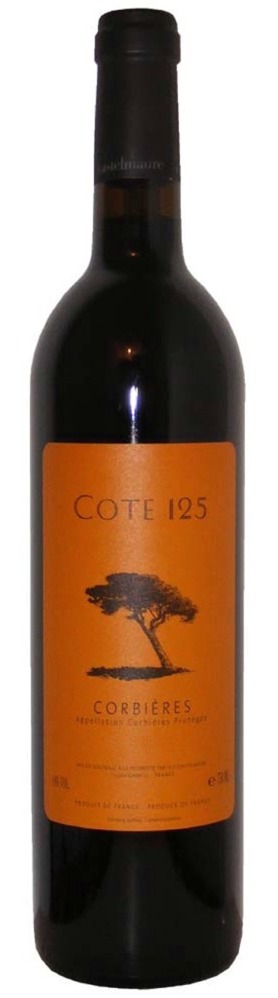
" We don't sell the wine without touching the vine "
| Country: | France |
| Regions: | Corbieres Languedoc |
| Winery: | S.C.V. Castelmaure |
| Grape Type: | Carignan |
| Organic: | Yes |
| Vintage: | 2014 |
| Bottle Size: | 750 ml |
Alain Jaume Cotes Du Rhone Rouge Haut de Brun is made from 60% Grenache, 30% Syrah, 10% Cinsault
The colour is purple-tinged garnet.The aromatic range of the nose goes from fresh berries (wild raspberry, blackcurrant, blackberry) to spices.The palate is big and full-flavoured, with silky-smooth tannins and aromas of the fruit already mentioned. The finish introduces touches of liquorice and pepper. A Côtes du Rhône with great complexity for an every day drinking.
A classic Rhône to drink between 1 and 4 years. Best poured at 17°C.
Traditional wine making and ageing is performed in vats only. Bottling after 10-12 months.
Ideal throughout the meal, but particularly with poultry and other white meats, as well as mild cheeses.
Alain Jaume Cotes Du Rhone Rouge Haut de Brun is made from 60% Grenache, 30% Syrah, 10% Cinsault
The colour is purple-tinged garnet.The aromatic range of the nose goes from fresh berries (wild raspberry, blackcurrant, blackberry) to spices.The palate is big and full-flavoured, with silky-smooth tannins and aromas of the fruit already mentioned. The finish introduces touches of liquorice and pepper. A Côtes du Rhône with great complexity for an every day drinking.
A classic Rhône to drink between 1 and 4 years. Best poured at 17°C.
Traditional wine making and ageing is performed in vats only. Bottling after 10-12 months.
Ideal throughout the meal, but particularly with poultry and other white meats, as well as mild cheeses.
Castelmaure Grande Cuvee Corbieres Rouge is made from 50% Grenache (30 year old) and 50% Syrah (30 year old)..
In the early 1990’s, Castelmaure began experimenting with a Prestige Cuvée of Corbières. This wine has become known as “Grande Cuvée” and is made with the help of the winemaking team of Tardieu-Laurent.
Vinification: destemming, pneumatic press, end of fermentation at 25 degrees C; two racking; aging in tank then in 220 Liter Bordeaux barrels for 10-12 months. Egg fining, slight filtration..
Deep and intense color, powerful aromas of dark berry fruit, prune and coffee nuances, and a persistent finish.
Vineyards: planted on 50% Schist and 50% limestone soils.
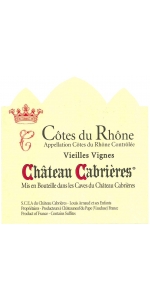
Chateau Cabrieres Cotes du Rhone Rouge Vieilles Vignes is made from 50% Grenache and 50% Syrah.
Château Cabrières’ Côtes du Rhône vineyard is located south of Orange, on the edge of Châteauneuf-du-Pape. The area of the vineyard is 1.53 hectares. The soil is comprised of clay-limestone mixed with pebbles.
Bright cherry red color with an expressive red fruit nose (strawberry and raspberry). Soft tannins in mouth, with freshness and spices. This CDR tastes like a baby Châteauneuf-du-Pape!
Pairs with charcuterie, pizza, pasta and mild cheeses.
Chateau Cabrieres Cotes du Rhone Rouge Vieilles Vignes is made from 50% Grenache and 50% Syrah.
Château Cabrières’ Côtes du Rhône vineyard is located south of Orange, on the edge of Châteauneuf-du-Pape. The area of the vineyard is 1.53 hectares. The soil is comprised of clay-limestone mixed with pebbles.
Bright cherry red color with an expressive red fruit nose (strawberry and raspberry). Soft tannins in mouth, with freshness and spices. This CDR tastes like a baby Châteauneuf-du-Pape!
Pairs with charcuterie, pizza, pasta and mild cheeses.
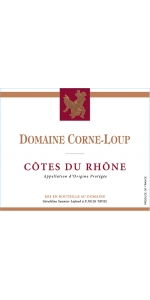
Corne Loup Cotes du Rhone Rouge is made from 50% Grenache, 40% Syrah and 10% Mourvedre.
Color: dark red ruby.
Aromas: red berries, truffles and spices.
Flavors: complex and rich. It shows red and black fruits, with an herbal spice type of aromas coming from the surrounding vegetation (Garrigue).
The average age of the vines is 40 years. (The oldest vines are 80 years old). Yield: 40 hl/ha The soil is mainly sandy marl and small pebble stones.
Lamb, duck, turkey, red meat, game and cheese.
50% Carignan, 35% Grenache, 15% Syrah.
Brambly berry, cherry and raspberry, spices, black pepper … all are present in this authentic French country wine. There are also some aromas of Garrigue (Rosemary, thyme and lavender) giving a minty, herbal notes, that are quite refreshing as well. The wine is a perfect match with a nice rosemary marinated roasted lamb.
The S.C.V Castelmaure Estate
S.C.V. Castelmaure was founded in the 1920’s and today consists of 65 members, of which 15 bring 85% of the production. The winery is located in the unofficial Corbieres cru site of Durban (there are 11 unofficial Cru’s in Corbieres), which will become soon an official Cru together with Boutenac and Alaric. The Serre mountain in the south protects the little plateau of Castelmaure from the off weather patterns of the Mediterranean sea.
Patrick de Marien, the president of the cave, and Bernard Pueyo, the director, work in conjunction with Tardieu/Laurent in trying to produce wines of higher quality each year.
The S.C.V Castelmaure Vineyard
The AOC Corbieres was created in 1985 and measures 23,000 hectares (56,810 acres). The appellation requires a minimum of two grapes in a wine blend.
The co-op farms 350 hectares (868 acres) around the tiny hamlet of Embres et Castelmaure. The 760 parcels are inspected and the characteristics recorded on computer. Each parcel is supervised individually by a technician who dedicates his time to this task. They have re-learned to prune, plough, check yields, sort, select, with a permanent focus on the respect of the environment. All the grapes are harvested by hand. In the cellar, vats hygiene, temperature control, ultramodern pressing contribute to a better expression of the terroir.
Castelmaure produces 90% red wine of which 80% is A.O.C. Corbieres.
The soil is made of schist, limestone, alluvial river wash and argilo-calcaire.
Renato Ratti Rocche dell'Annunziata Barolo is made from 100 percent Nebbiolo. Grapes handpicked in the month of October, de-stemmed and pressed. The alcoholic fermentation takes place in temperature-controlled stainless steel containers. Contact with the skins lasts approximately three to four weeks and includes fermentation and subsequent post-fermentation maceration with the traditional submerged cap system. The malolactic fermentation takes place in steel containers.
The Rocche dell'Annunziata vineyard is historically known as one of the most important in the Barolo zone. In his Barolo Chart, Renato Ratti had already underscored this by entering it in the 1st Category class. Situated at about 300 meters above sea level and with a south-east exposure, it extends over approximately 1 hectare. Rich with typical blue marl interspersed between veins of sand, the earth confers an extraordinary elegance and depth, combined with fine and persistent scents of roses and licorice. A prestigious subzone engenders a Barolo that holds within it suggestions of a radiant future. Warm, persistent, rich: in a word, sumptuous.
The label bears the coat of arms of the local noble family, with a black hawk against a gilt backdrop. The Latin inscription “Probasti me et cogniusti me” means “You tried me, you knew me.”
The Bottle: The Albeisa – named after the city of Alba – is the iconic bottle created by Renato Ratti in 1973, desired as a way of identifying the uniqueness of a territory and its wines.
A garnet red. Delicate and persistent fragrance with trace scents of licorice, rose and violet. Full-flavored, warm, with extremely elegant tannins offering long persistence. A great wine for important dishes, red meats roasted on a spit or grilled, game, dishes of gourmet white and red meats and ripe cheeses.
Review:
Lots of dried flowers here give a perfumed nature to it with berries and citrus. Hibiscus water, too. Full-bodied and chewy with lots of tannins and vivid acidity. Subtle plum and strawberry character. Muscular and formed..
-James Suckling 97 Points
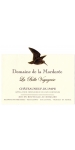
Mordoree Chateauneuf du Pape Rouge Dame Voyageuse Grenache 90 % Mourvèdre 4% Syrah 4 % Counoise 1% Vaccarese 1% .
La Dame Voyageuse - "the traveling lady" - is a more approachable version of the CDP La Reine des Bois. It is meant to be enjoyed early, compared to her sister cuvee which is made for the long run.
Dark ruby red, almost opaque. Aromas of red fruits (strawberry, cherry), violet and liquorice. Nice, fresh body; smooth tannins; long fruity finish.
Color : deep ruby red, opaque.
Aromas : red fruits, changing to touches of leather, black truffles and coffee.
Palate : fat, concentrated and full flavored with a very long liquoriced and fruity finish.
Ageing potential : 6 to 10 years.
Surface : 5 Ha.
Yield : 30 Hl./Ha.
Vineyard age: 60 Years
Terroir : Clay-siliceous on pebble stones
Harvest : by hand
Vinification : 100 % destemmed, long 30 days maceration with a maximum of 34° C temperature.
Estate bottled