" We don't sell the wine without touching the vine "
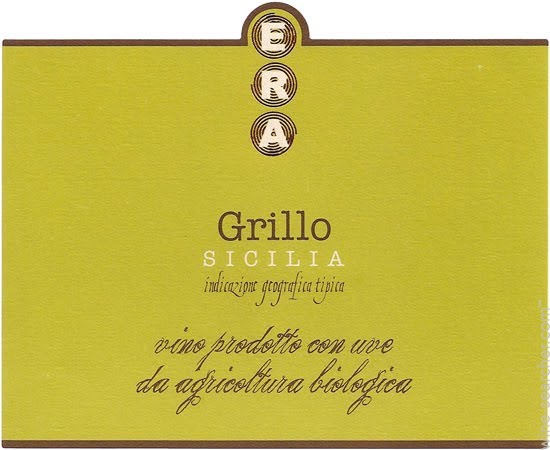
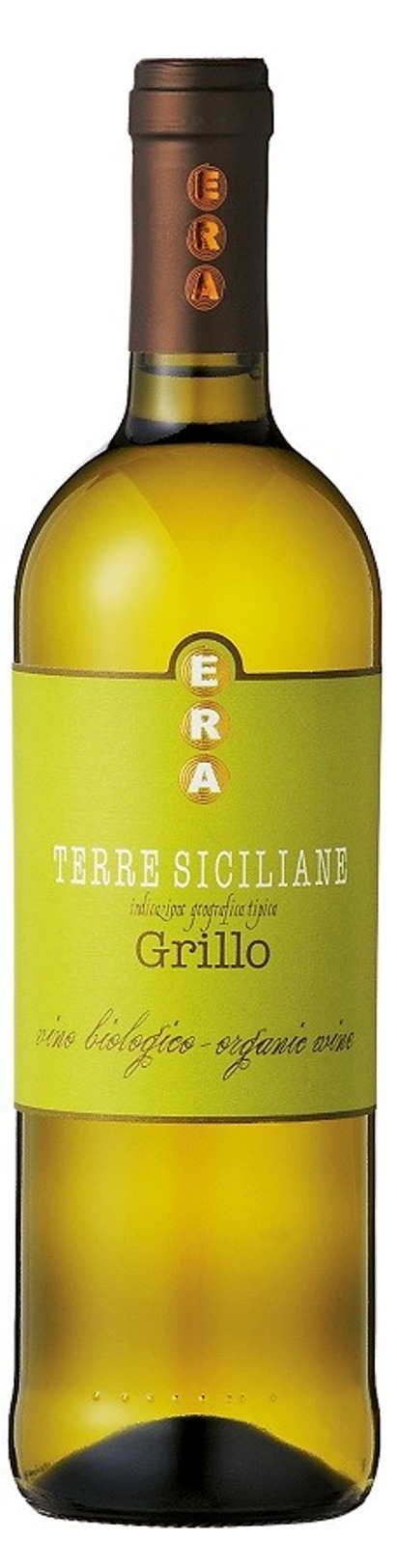
| Country: | Italy |
| Region: | Sicily |
| Winery: | Cantine Volpi |
| Grape Type: | Grillo |
| Organic: | Yes |
| Vintage: | 2016 |
| Bottle Size: | 750 ml |

Terre dei Buth Frizzante Rose Special Cuvee NV is made from 90% Glera and 10% Raboso.
Fresh, fruity with hints of gooseberry and redcurrant.
On top of being "Certified Organic", this is also "Vegan Approved".
Glera and Raboso are blended before foaming process into what we call "Special Cuvée", for its outstanding drinkability and delicate scents. Glera, which is the variety used to make Prosecco, brings the liveliness of the most famous Italian sparkling wine to this cuvée, which reaches perfection thanks to Raboso, which is an indigenous red grape of the Venetian region, well-known for its hints of red berries and smooth taste.
The grapes are coming from vines planted on gravelly soils.
Average age of the vines is about 10 years old.
Grapes are machine-harvested, so that the grapes are pressed about 10 minutes after picking,allowing to preserve the freshness of the fruit, and avoiding micro-fermentation that would take place by leaving the grapes for too much time in the vineyard after picking.
Each grape variety is harvested and vinified individually.
After picking, grapes are soft-pressed, and the primary fermentation is completed in about 10 days. Then fermentation takes place for 5-6 months, where the cuvée reaches the appropriate level of acidity for foaming, which is performed in stainless steel tanks, thermo-conditioned, for about 20-25 days.
Pasta, pizza and summer salads.
Review:
medium-length finish displaying accents of peach gummi bear, edible flowers, dole fruit cup juice, and gooseberry. A more serious take on Glera with the body and richness to pair with diverse cuisines."
- Beverage Testing Institute 90 pts - Gold Medal - Best Buy

Senia Ti Cuntu Frappato Rosato is made from 100% Frappato.
Ti Cuntu… means “I will tell you a story…” in Sicilian dialect and it refers to the ability of the wines made from these native grapes to tell the story of their terroir and of their history. The label shows the dry stone walls and the wild myrtle which characterize their territory.
Frappato is a rare native grape of Vittoria and is almost exclusively grown in Eastern Sicily. The vineyards lie on the sides of Mont Iblei at 300 meters above sea level on a south-west exposure. The relatively infertile terrain encourages the concentrated structure with a light color and beautiful aromatics. Irrigation is generally avoided. There are 4,000 plants per hectare. Agriculture is sustainable and no herbicides or pesticides are used and wild herbs fill the vineyard rows.
Color: Bright salmon pink with garnet reflections
Bouquet: A ripe strawberry, berries, pomegranate, roses and violets fill the bouquet.
Taste: Fresh and berry-filled. The tannins are refined and the acidity lively. The finish is notable and long.

No Syrah terroir in Sonoma County compares with Sonoma Mountain’s northwest crown—cool fog-affected mornings, sun-bathed afternoons, cooled by persistent coastal breezes, and temperate evenings. The soils in Steiner’s Syrah blocks — ashy and moondust-like, littered with decomposing sea bed — further contribute to the unique nature of this site. After a 3-vintage hiatus, I am thrilled to be back working with Steiner Vineyard’s Syrah. By its nature, this slow-to-ripen, cool-climate site produces fabulously deep, intense, structured wines. Now, raising a big, brawny Syrah is no rare act of alchemy. It is the wonder of Steiner’s terroir — a magical elegance and beauty, informing the inherent power, depth and intensity — that makes this bottling so special. 2016 produced a classic wine that deftly balances massive flavors and texture, while retaining vital freshness, and a palpable sense of cool. Production was low, so get it while you can. Simply a “WOW” wine, not to be missed.
VINEYARD: Steiner Vineyard. Located at 1,100 ft, on the northwest crown of Sonoma Mountain. CRUSH: Early morning harvest by hand, October 1st, cluster and berry sorted, destemmed and crushed. FERMENT: 5-day cold soaks, followed by 14 day native fermentation in open-top bins. AGING: 20 months, French oak, 100% new, mixture of 300L hogsheads and barrique shapes. Never racked prior to bottling. Bottled unfined, unfiltered.
Review:
"Refined and stylish, featuring a complex core wrapped in multilayered blackberry and blueberry flavors, laced with bitter chocolate, black licorice and smoky meat notes. Drink now through 2030.- Tim FISH"
- Wine Spectator Insider (January 15th 2020), 93 PTS

Arzuaga Ladera del Norte Ribera del Duero is made from 100% Tempranillo.
The grapes come from organic crops and are harvested from the "Valdesardon" farm, owned by the Arzuaga Navarro family, which is the westernmost vineyard of the Ribera del Duero DO, located at an altitude of 800 meters in the village of Olivares de Duero. Clay-limestone soil on a hillside that will mark the characteristics of the wine.
The wine is of medium high intensity in color, a clear and bright cherry with purple flashes. An array of red fruits such as raspberry and cherry predominates with a high aromatic intensity, combining with balsamic tones, coffee and roasted notes coming from the aging in oak barrels without being overwhelming. This is a fresh and elegant wine, with an easy and balanced entry into the mouth followed by juicy and chewy sensations. Slightly sweet and toasted notes, and a pleasant and balanced aftertaste that is reminiscent of the fruity aromas on the nose.
Ideal companion for red meat, white meat, game and game, roasted or in sauce. Blue fish and soft cheeses.
Review:
"Intense cherry color. Aromas of dried herbs, creamy oak, black fruits and lactic notes. In the mouth, ripe fruits, spices, fine tannins, full-bodied."
- Penin 2022, 92 pts

Avennia Justine Red Blend 56% Grenache, 31% Mourvèdre, 13% Syrah
Justine reflects our belief that Washington is capable of producing world class blends of grape varieties traditional to the Southern Rhone region of France. The name is inspired by one of the great heroines of recent literature, who also sprung from the imagination of the Mediterranean. Dark, seductive, complex, with a chasm of depth: The Justine is a great reflection of Avennia's mission of expression, and Washington's generous terroir.
Tasting Note: Big black cherry, blackberry, hints of orange peel, fresh herbs and loam on the nose. Plush and round on the palate. Dark earthy fruits from the Mourvedre, along with citrus high notes, mountain flowers, jasmine, and savory herbs. Balanced and complex without forgetting its hedonistic roots in the Southern Rhone.
Review:
A blend of 56% Grenache, 31% Mourvèdre, 13% Syrah brought up all in older oak, the 2016 Justine offers a great core of black fruits as well as lots of peppery herbs, earth, and classic meatiness. It looks to be a great vintage for this cuvée."
- Jeb Dunnuck (April 2018), 92-94 pts

Avennia Valery Red Blend is made from 86% Merlot and 14% Cabernet Franc
Valery is named for the patron saint of wine in the St. Emilion region that inspired it.
We started with old vine Merlot from a stony block in the heart of the Yakima Valley and added complex, aromatic Cabernet Franc from the Horse Heaven Hills. The result is a balanced, complex wine with the elegance and ethereal perfume that this blend of two of Washington’s best varietals are known for.
The nose on this wine is very perfumed, almost exotic with notes of fresh violets, red plum, winter mint, fresh herbs and crushed limestone qualities. The palate is poised and balanced, with red fruits and mocha powder encapsulated in limestone. The finish lingers delicately, with the Cabernet Franc asserting a light tobacco and herb note, giving depth. A compelling wine that will continue to unwind for 7-10 years in the cellar.
Review:
"Brought up in 30% new French oak, the 2016 Valery (70/30 Merlot and Cabernet Franc) offers more black cherry and earthy, herbal notes as well as a medium-bodied, seamless, beautifully balanced style. It too shows a vibrant, fresh, yet concentrated style that has a Bordeaux feel in its weight and texture."
- Jeb Dunnuck (April 2019), 93 pts
"Good medium-dark red. Aromas of blueberry, mocha, licorice and violet are a bit darker than those of the 2015 version. Dense and penetrating, with wild flavors of dark berries, licorice and game given lift by rocky minerality and a minty nuance. Chris Peterson slightly acidified his Cabernet Franc from Champoux Vineyard, which he added to the wine for richness. This beauty may yet tighten up in the bottle.- Stephen Tanzer"
- Antonio Galloni's Vinous (November 2018), 92+ pts
The bouquet is fresh and floreal. On the palate there are some lovely citrus and tropical fruit flavors, with a refreshing acidity.
The average age of the vines is 25 years old. The vineyards' soils are made of stoney calcareous, rich in minerals and fossils that gives this wine bright aromatics and a refreshing lift on the palate. After a 12-hour skin maceration to obtain enhanced aromas, the wine is fermented in stainless steel. The finished wine is placed in stainless steel holding tanks until bottled. Aged 3-4 months in stainless steel.
Pairs well with seafood dishes.
Founded in Tortona, in the Province of Alessandria in the far-off 1914, Cantine Volpi today represents a foreground reality in the Italian wine panorama.
With the flowing of the generations, the Company was able to build, step-by-step, a distinctive role in its territory and an image of high quality for its wines, both on the Domestic and International markets. Cortese, Barbera e Dolcetto are then produced with a careful and proper vinification in the winery at Viguzzolo, center of collection and pressing of the grapes for some fifty years.
In Tortona, Volpi produces the "frizzanti" (semi-sparkling) wines and the sweet sparkling wines and also the maturation in French oak barrels or barriques is completed to ensure elegange and roundness to the wines.
Cantine Volpi established its organic portfolio in 1999. The team of agronomists works very close with the growers. They use a form of "clean" agriculture without using any pesticides and chemical substances in accordance with the rules set by the organic bodies. The main objective is to maintain an healthy and biologically active soil. They only use natural fertilizers, such as composted animal manure and encourage natural predators of insect pests. They allow plants to grow in the vineyard in order to promote biodiversity.
The vineyards' soil is not treated with weed killer.
To prevent mildew developing in the crop, they spray with sulphur and copper, two minerals which have good ability to protect the wines against powdery and downy mildew. Vineyard work such as planting, pruning and picking is done by hand.
The team of oenologists is lead by Federico Riolfo following a natural philosophy:
- no use of any sub fining agents except from bentonite that comes from chalk
- no need to add sugar
- only natural yeasts
- minimizing the use of sulfur dioxide as an antioxidant is stringently observed.
The certification of the wines is made by I.C.E.A. (the Italian institute for ethic and environmental certification), which guarantees the observance of European Community standards. I.C.E.A. is also accredited by the USDA in accordance to the National Organic Programme (NOP). Each stage of the production is certified: vineyard, vinification process, storage and bottling.
All the wines are bottled in the state of the art winery in Tortona, Piedmont, for the simple reason that they are committed to guaranteeing the highest quality. The facility in Tortona is logistically the most efficient for stocking and shipping wines that are coming from different areas. The winery benefits from a brand new fully automatic bottling line. All wines are stocked in temperature controlled stainless steel tanks.

J. Lohr Hilltop Cabernet Sauvignon is made from 94% Cabernet Sauvignon, 3% Petit Verdot, 2% Malbec, 1% Cabernet Franc.
Displays blackberry and blueberry compote aromas garnished with crushed violet, cracked pepper, and black tea. Plump fruit on the palate with fine-grained tannins. Juicy layers of black and red currants lead to a bright finish accented by pastry notes from the 16 months aging in French cooperage.
-Tasting Panel 94 Points
-Wine Enthusiast 94 Points

Matthews Winery Columbia Valley Cuvee is made from 65% Merlot, 27% Cabernet Franc, 8% Malbec.
The 2021 Columbia Valley Cuvée sparkles with purple and deep garnet in the glass. Meadow flowers, fresh red berry, black plum, and cocoa powder aromas exhilarate leading to flavors of morello cherry liqueur, cardamom, mountain blackberry, and licorice snaps. This merlot-dominant blend is plush and weighty on the palate with powdery tannins. Dark stone fruits and dusty minerality coat the palate for a long, seamless finish.
Reviews:
A handsome blend, structured and polished, with expressive black cherry flavors accented by tarragon, mocha espresso and toasty spices that sail toward refined tannins. Merlot, Cabernet Franc and Malbec. Drink now through 2031.
-Wine Spectator 93 Points
This Merlot-based blend is a part of the Matthews tradition. Wildly fruity aromatics with whole berries, destemmed aromas driven by red berries, mountain blueberries, and a touch of green peppercorn and mocha dust. A streak of graphite underlines red berries, early season blackberries and a savoury herbal character that mingles complexity with fresh ripe fruits.
-Decanter 93 Points