
" We don't sell the wine without touching the vine "
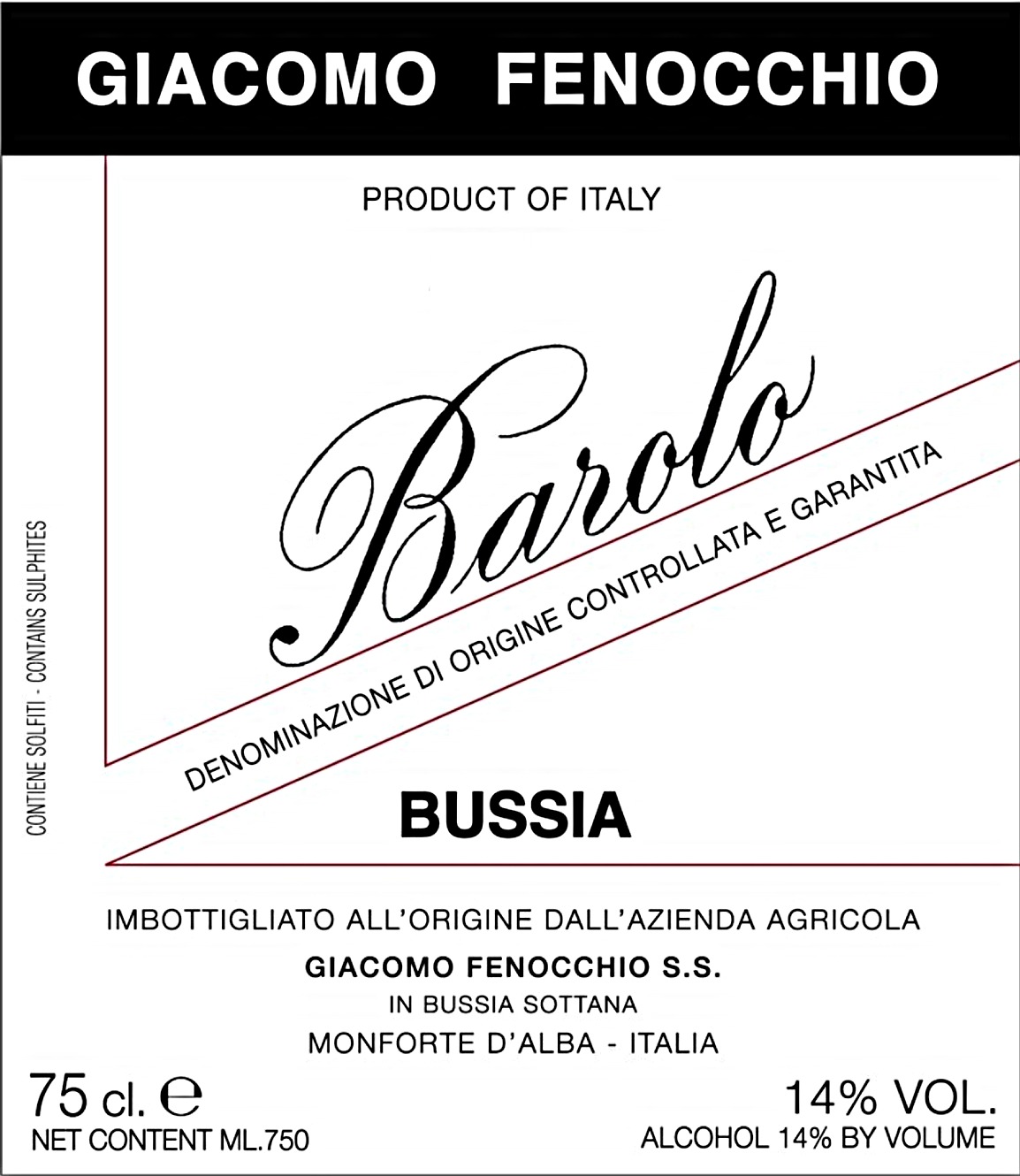
| Country: | Italy |
| Region: | Piemonte |
| Winery: | Giacomo Fenocchio |
| Grape Type: | Nebbiolo |
| Vintage: | 2013 |
| Bottle Size: | 750 ml |
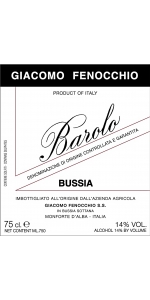
Fenocchio DOCG Bussia Barolo is made from 100 percent Nebbiolo
The color is deep garnet red and the bouquet is fine and pleasing, with intense scents of spiced rose and licorice. The flavor is dry, warm, full bodied and balanced with pronounced tannins and a persistent aftertaste. A wine particularly adapted for aging.
Traditional method of long maceration: natural fermentation without added yeasts for 30 days in stainless steel tanks.
The Barolo Bussia, with its structure and body characteristics, pairs well with dishes of meat, game and aged cheeses, typical dishes of the local cuisine, as well as with many rich international dishes.
Review:
" Pleasant dried-cherry aromas, colored with nutty spice and dried leaves. Full-to medium-bodied with fine, firm and velvety tannins and a long finish of candied-cherry and chocolate. Give it a few years to meld together better. Best from 2025."
- James Suckling (January 2022), 93 pts
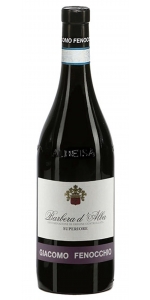
Fenocchio DOC Barbera d'Alba Superiore Bussia is made from 100 percent Barbera.
The color is a deep ruby red with garnet reflections. It has a rather intense bouquet, with scents typical of the vine and a full bodied and dry flavor, with a distinct and pleasing acidity. It becomes mature with aging, acquiring a full and balanced flavor.
Parcel is 2.5 hectares (6.2 acres) planted at 300 meters above sea level.
It pairs well with red and white meats, tagliatelle pasta and cheeses.
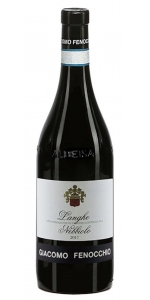
Fenocchio DOC Nebbiolo Langhe Bussia is made from 100 percent Nebbiolo.
The color is a deep ruby red with garnet reflections and an intense and fruity bouquet of plum and cherry. The flavor is dry with good body, well balanced tannins and harmonious with hints of licorice and rose.
Parcel is 2 hectares (5 acres) planted at 300 meters above sea level.
Pairing well with all types of food, from appetizers to cheeses with red and white meat.
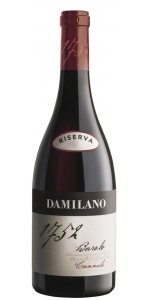
“1752” is the name of the Damilano Barolo Cannubi Riserva, in honor of the year in which the historic bottle was first marked “Cannubi”. It still exists today perfectly conserved by the Manzone family in Bra, close to Barolo. The bottle is clearly marked as being of “1752” vintage, indicating that Cannubi historically precedes Barolo.
About the Vineyard:
The Cannubi Cru is in found within one of the 6 core zones which comprise a UNESCO heritage site in Italy. A mixture of Tortonian and Helvetian calcareous marl gives the grapes intense aromas of cherry, plum and tobacco, rose and violet in sequence. Its low potassium and high calcium/magnesium content offer the wine a fine and polished touch. The vineyard is located at about 270 m. a.s.l. and has a south-east sun exposure. Barolo Riserva Cannubi 1752 It is a small plot of about 2 hectares of Nebbiolo vines, currently between 30 and 50 years of age.
Tasting Notes:
Garnet ruby red in color, the bouquet is intense and balanced, with notes of violet, red fruit, cherry and plum, spices, liquorice, cocoa, leather and tobacco. Dry, robust, full-bodied, very persistent, rich and velvety
Food Pairing:
This wine is excellent with typical piedmontes pasta (tajarin, ravioli); perfect with red meat, braised and roast meat, game and absolutely ideal with all types of cheeses.
Review:
The purity of this wine is pretty phenomenal with blackberries, strawberries, fresh flowers and licorice. Hints of tar. It’s full-bodied, yet composed and compact with ultra fine tannins and a long, flavorful finish. Very structured. Try after 2024.
-James Suckling 97 Points
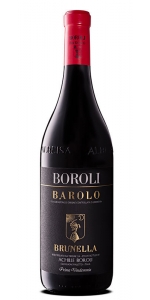
Boroli Barolo Brunella is made from 100 percent Nebbiolo.
A clear ruby red color, with very light orange reflections. A net aroma in which liquorice stands out at first, immediately followed by a fruity scent; the aroma makes you scent it again and again to discover different and pleasant facets. The fruity aroma magnificently prevails after a few minutes in the glass. A very enveloping, fresh and harmonious taste, with a delicate and tasty presence of wood. A long lasting taste that invites to sip it slowly again and again.
Tasting Notes
Brunella is distinguished by a careful selection of grapes, perfect destemming, long macerations with submerged cap. The barrels for Brunella are specifically chosen by the winemaker.
Wine Production
Brunella is one of the most historic single vineyard sites of all of Castiglione Falletto, however it hasn’t ever been bottled singularly under the Menzione Geografica Aggiuntiva BRUNELLA until 2013. The Brunella vineyard occupies the western crest of the Villero hillside and complete surrounds the Boroli winery. The vineyard is a monopole—owned entirely by Boroli and is the most prestigious wine in the lineup. As it occupies the best exposed section of the Villero hillside, La Brunella expresses power, drive, complexity, and extraordinary length and ageability.
About the Vineyard
The Boroli family is a family of entrepreneurs, with roots in Piedmont dating back to 1831. The family started their winemaking business in1997, when Silvano and Elena Boroli felt an ardent desire to step away from the pressures of their publishing business and reconnect to nature. Silvano and Elena grew the company until their son, Achille, stepped in to run the wine-growing and production business in 2012.
With the 2012 grape harvest Achille decided to radically change the methods used in vineyards and wineries, aiming for the highest quality in Barolo and its crus. He cut production levels, updated the winemaking technology, and focused on low intervention methods to raise the quality of the Boroli wines be on par with the finest Barolo wines.
Review:
Ripe red cherries and blood oranges, as well as herbs and roses on the nose, leading to a juicy and flavorful palate that has a swathe of bright, juicy red-fruit flavor. Drinking well now.
-James Suckling 93 Points
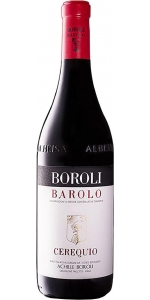
Boroli Cerequio is made from 100 percent Nebbiolo.
The Boroli family is a family of entrepreneurs, with roots in Piedmont dating back to 1831. The family started their winemaking business in1997, when Silvano and Elena Boroli felt an ardent desire to step away from the pressures of their publishing business and reconnect to nature. Silvano and Elena grew the company until their son, Achille, stepped in to run the wine-growing and production business in 2012.
With the 2012 grape harvest Achille decided to radically change the methods used in vineyards and wineries, aiming for the highest quality in Barolo and its crus. He cut production levels, updated the winemaking technology, and focused on low intervention methods to raise the quality of the Boroli wines be on par with the finest Barolo wines.
About the Vineyard
The Cerequio cru lies just across the valley from the Boroli winery in the commune of La Morra and is considered one of the most prestigious sites in the Barolo DOCG zone. It is known to produce Nebbiolo wine of enormous elegance and finesse.
Wine Production
Cerequio is distinguished by a careful selection of grapes, precise destemming, and a long maceration with submerged cap.
Tasting Notes
A clear bright ruby color with very light garnet red reflections; intense and persistent aroma of red fruit with notes of plum and cherry. A pleasant aroma of wood is noticeable after the fruity aroma, anticipating the full taste of a great wine suitable for long lasting life. A succulent, rich, full-bodied and pleasant taste emerges after the woody one, with the presence of slightly ripe red fruit.
Food Pairing
Thanks to its viscosity and body, Barolo is the ideal wine to pair with elaborate dishes and dishes like truffle dishes, meat dishes, pasta with porcini mushrooms, game, and aged cheeses. Cerequio is also perfect with dry pastries or chocolate.
Review:
Precise and essential, it displays notes of lavender, hibiscus, violet, white pepper, lime, jasmine flowers, and elderberry. Medium body, perfectly ripe, fine-grained tannins, and a juicy finish that displays smoothness and relaxation. Beautiful right away, it will only improve from 2024 onwards. One of the best Barolos tasted in the 2019 vintage.
-WineCritics.com 96 Points
The color is deep garnet red and the bouquet is fine and pleasing, with intense scents of spiced rose and licorice. The flavor is dry, warm, full bodied and balanced with pronounced tannins and a persistent aftertaste. A wine particularly adapted for aging.
review:
"Rose, iris, wild berry and baking spice aromas merge with scents of new leather and a balsamic menthol note on this stunning and classically crafted Barolo. The structured polished palate delivers juicy Marasca cherry, crushed raspberry, pipe tobacco and licorice framed in tightly knit noble tannins and bright acidity. It's going to just keep getting better and better over the next few decades. Drink from 2023 through 2053."
- Wine Enthusiast (September 2017), 97 pts + Cellar Selection
The Giacomo Fenocchio Estate
The Fenocchio estate was founded in 1864. For over five generations, with its twelve hectares (thirty acres) of vineyards in the heart of the Barolo production zone, it produces and ages important wines, following in the footsteps of traditions handed down from father to son. In the post-war period, new energy was given to the estate’s work by Giacomo Fenocchio, who began to acquire new vineyard land.
Before the Second World War, the wine was sold principally in local markets: either in bulk or in demijohns, Larger ambitions began only in the early 1960’s, with an eye to foreign markets as well.
Today the sons of Giacomo Fenocchio – Claudio, Albino, and Alberto – export close to eighty per cent of their production, thereby creating a name and reputation for the family and a territory as well as for their wines.
The Giacomo Fenocchio Vineyard
All of the Fenocchio wines are made from the grapes of the estate’s proprietary vineyards located in three different townships: the Bussia in Monforte d’Alba; Villero sub-zone of Castiglione Falletto; and Cannubi in Barolo. All are “grand cru” vineyards and have always been recognized as such for the special microclimates which give them the potential to produce wines of exceptional character and personality and an aristocratic structure. The different characteristics of the soil and, in particular, of the sub-soils of these three subzones give wines which are notably different from one another. The microclimates and the excellent exposures (southeast and southwest) create highly favorable conditions for the ripening of the grapes and create as well special bio-chemical characteristics which produce the outstanding aromas and flavors of the wines made from these grapes.
BUSSIA IN MONFORTE D’ALBA
The soils are of Helvetian origin: compact clay and limestone marls along with tuff in Bussia di Monforte.
CASTIGLIONE FALLETTO – THE VILLERO VINEYARD
Approximately twelve kilometers (seven miles) from Alba, the town of Castiglione Falletto dominates the hillside ridge which runs through the central part of the Barolo appellation. Soils are of Helvetian origin with clay and limestone deposits rich in iron.
THE CANNUBI SUB-ZONE OF BAROLO
Historically eminent among the vineyards and sub-zones with the highest potential for fine Barolo: the oldest bottle of the Langhe district is conserved in the city of Bra and bears the inscription “Cannubi 1752”: the Cannubi name has always been a seal of honor and a true, universally recognized guarantee. Soils are of Tortonian origin, marls and tuff together with a significant presence of sand in the Cannubi vineyard in the township of Barolo, which maintains a soft and dry texture in the soil.
Boroli Cerequio is made from 100 percent Nebbiolo.
The Boroli family is a family of entrepreneurs, with roots in Piedmont dating back to 1831. The family started their winemaking business in1997, when Silvano and Elena Boroli felt an ardent desire to step away from the pressures of their publishing business and reconnect to nature. Silvano and Elena grew the company until their son, Achille, stepped in to run the wine-growing and production business in 2012.
With the 2012 grape harvest Achille decided to radically change the methods used in vineyards and wineries, aiming for the highest quality in Barolo and its crus. He cut production levels, updated the winemaking technology, and focused on low intervention methods to raise the quality of the Boroli wines be on par with the finest Barolo wines.
About the Vineyard
The Cerequio cru lies just across the valley from the Boroli winery in the commune of La Morra and is considered one of the most prestigious sites in the Barolo DOCG zone. It is known to produce Nebbiolo wine of enormous elegance and finesse.
Wine Production
Cerequio is distinguished by a careful selection of grapes, precise destemming, and a long maceration with submerged cap.
Tasting Notes
A clear bright ruby color with very light garnet red reflections; intense and persistent aroma of red fruit with notes of plum and cherry. A pleasant aroma of wood is noticeable after the fruity aroma, anticipating the full taste of a great wine suitable for long lasting life. A succulent, rich, full-bodied and pleasant taste emerges after the woody one, with the presence of slightly ripe red fruit.
Food Pairing
Thanks to its viscosity and body, Barolo is the ideal wine to pair with elaborate dishes and dishes like truffle dishes, meat dishes, pasta with porcini mushrooms, game, and aged cheeses. Cerequio is also perfect with dry pastries or chocolate.
Review:
Precise and essential, it displays notes of lavender, hibiscus, violet, white pepper, lime, jasmine flowers, and elderberry. Medium body, perfectly ripe, fine-grained tannins, and a juicy finish that displays smoothness and relaxation. Beautiful right away, it will only improve from 2024 onwards. One of the best Barolos tasted in the 2019 vintage.
-WineCritics.com 96 Points
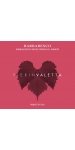
Pierinvaletta Barbaresco is made from 100% Nebbiolo
Rich, Full bodied, Intense.
Pierin Valetta is one of the ancestor of the Family and these wines are dedicated to him as we would like to thank him for giving us vineyards that reach up to 70 years old.
Made from 70 years old vines planted on clay soils.
Aged 30 months in French and Slovanian Oak barrels.
Wine wasn't filtered before bottling.



