" We don't sell the wine without touching the vine "
| Country: | Spain |
| Region: | La Mancha |
| Winery: | Castillo |
| Grape Type: | Tempranillo |
| Vintage: | 2022 |
| Bottle Size: | 750 ml |
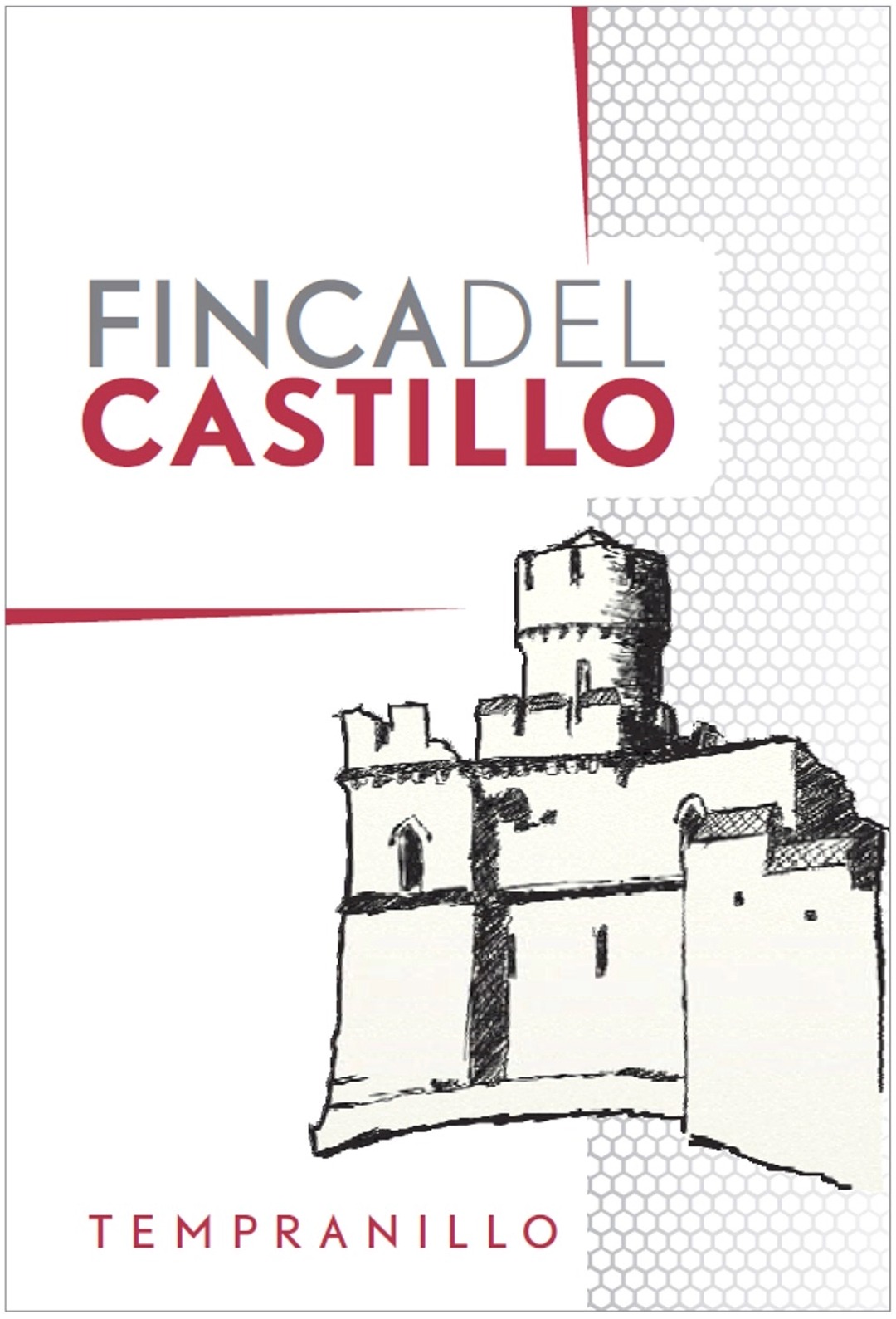
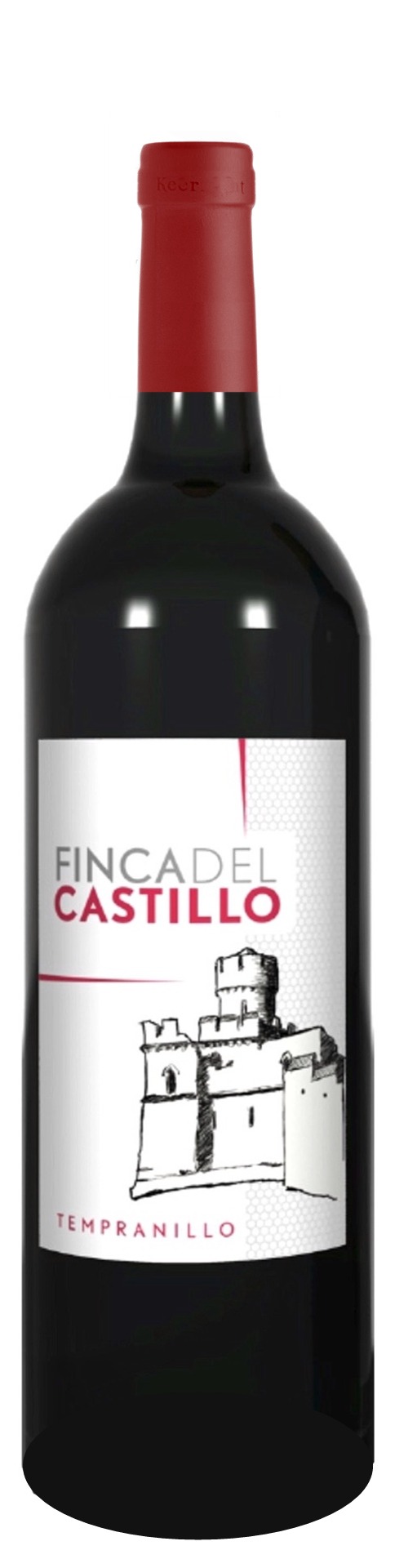
Finca del Castillo Tempranillo La Mancha is made from 30 year old vine Tempranillo (100%).
This pretty little red has a flavor reminiscent of good Cotes du Rhone. Medium bodied, flavorful; hints of raspberry and strawberry. Shows best with picnic fare and grilled meats. Perfect summer red.
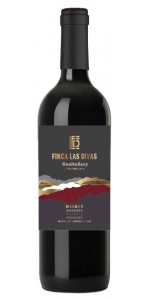
Finca las Divas Malbec Reserve Gualtallary 2022 is 100% Malbec.
Named in honor of different divas because of the detailed attention to each varietal and plot, consequence of the terroir, origin of the Andes slopes.
Deep violet red in color, its aromas are intense and concentrated, with hints of black and red fruits with smoky touches obtained during its oak aging.
In the mouth it is persistent, full of juicy yet firm tannins and balanced acidity. It is frank and expressive, modern and of great personality.
Pairs with red meat, pasta with tomato sauce and hard cheeses.
Review:
"José Hernández Toso only uses grapes from Block Two of his Finca Las Divas to produce this good-value, well-balanced Malbec. Lightly wooded in foudres and older barrels, it has appealing blackberry and blood orange flavours, granular tannins and impressive concentration and underlying grip. 2026-31."
Tim Atkin (April 2025), 91 pt

El Cortijillo Tempranillo La Mancha is made from 100% Tempranillo
Up front aromas of raspberry and cherry fruit, medium to light weight, Rhône wine in character, cherry fruit flavors, followed by bright acidity. Reminds of a mythical cross between a Pinot Noir and a Côtes-du-Rhône. Pleasant and fun, bistro red.
Made from 30 year old vine.
Delicious with Paella, hamburger or pasta. But also great with grilled vegetables. (bell pepper, eggplant, etc)
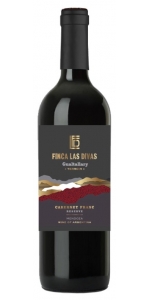
Finca las Divas Cabernet Franc Reserve Gualtallary is 100% Cabernet Franc.
Named in honor of different divas because of the detailed attention to each varietal and plot, consequence of the terroir, origin of the Andes slopes.
Deep violet red in color. Its aromas are intense and concentrated, with hints of black and red fruits with smoky touches obtained during its oak aging.
In the mouth it is persistent, full of juicy yet firm tannins and balanced acidity. It is frank and expressive, modern and of great personality.
Pairs with red meat, pasta with tomato sauce and hard cheeses.
Review:
"It’s worth buying anything with Cabernet Franc on the label from Finca Las Divas, such is the grape’s connection with the terroir here. Matured in foudres and older barrels, this is engagingly scented and refreshing, showing leafy, cut-grass aromas, bramble, plum and black cherry fruit flavours, scented mocha oak and filigree tannins. 2026-32."
Tim Atkin (April 2025), 92 pts
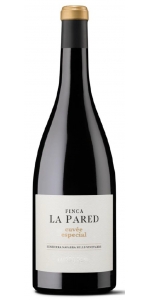
Finca La Pared Cuvee Especial is made from Graciano & Syrah.
The Cuvee Especial is a Graciano and Syrah blend aged in oak barrels that produces a full-bodied, fresh wine of great complexity and long lasting finish.
Review:
"A deep, brooding nose with lots of fine oak spices and hazelnuts that adorn the blackberries and violets. Succulent and bright on the palate, with caressing, silky tannins dialing into the black and blue fruit. Quite long and subtle. Delicious now, but can hold, too."
- James Suckling (June 2022), 94 pts
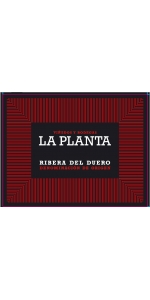
Arzuaga Ribera del Duero La Planta is made from 100% Tempranillo.
Deep violet red. Clean and bright with a range of red fruits (raspberry and cherry) that dominate with a high aromatic intensity, joined by balsamic, cacao, coffee, and roasted tones. Fresh, elegant, easy, and balanced in the mouth with a lightly sweet, toasted, and pleasant aftertaste.
Fried fish, sausage, and white meats such as roasted poultry.
Finca del Castillo Tempranillo La Mancha is made from 30 year old vine Tempranillo (100%).
This pretty little red has a flavor reminiscent of good Cotes du Rhone. Medium bodied, flavorful; hints of raspberry and strawberry. Shows best with picnic fare and grilled meats. Perfect summer red.
The Finca del Castillo Estate
Finca del Castillo means "The Castle's winery" in Spanish. The wine is made by Vinicola de Castilla in Manzanares (Ciudad Real) in an up to date, state of the art winemaking facility (30,000 sq meters/300,000 sq ft) with the capacity of producing 2 million liters and holding 8,000 barrels. Founded in 1976, it's a privately owned corporation (not a co-op). Since its inception, a DO La Mancha pioneer in fruit-driven young wines, barrel-aged reds and varietals. More than 600 international awards for their wines.
Production by type: 65% Red wine, 35% White and Sparkling.
Export sales represent 50% of the production. The winery exports to 22 countries.
Capacity is 20,000,000 liters, currently running at 12,000,000 liters of yearly production.
This Bodega likes to promote their Crianza wines.
The Finca del Castillo Vineyards
The winery and the vineyards are all located in the "La Mancha" DO. Tempranillo is the primary grape varietals and it represents 70% of the total production.
They grow the following 5 red grape varietals:
· Tempranillo
· Cabernet Sauvignon
· Merlot
· Petit Verdot
· Syrah
They also grow the following 6 differents types of White grape varietals:
· Verdejo
· Airén
· Macabeo
· Sauvignon Blanc
· Moscato
· Chardonnay.
The wines are all produced with grapes they only grow themselves. They own 50 hectares, and they currently rent another 550 hectares (long term leasing contract).
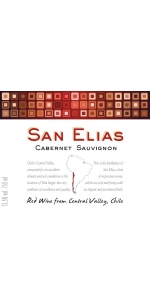
Siegel San Elias Cabernet Sauvignon is made from 100 percent Cabernet Sauvignon.
Fresh and delicate cassis tones, a great structure. Draw the cork half an hour before serving and serve at room temperature.
Smooth and fruity on the palate, the wine goes well with pasta, salads.
Sale price good on website only and wine must be shipped to your home.
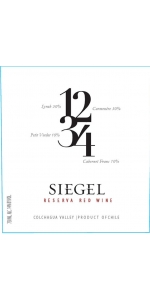
Siegel Reserve Red Blend 1234 is made from 50% Syrah, 30% Carmenère, 10% Cabernet Franc and 10% Petit Verdot.
Deep ruby color. Intense aromas of black fruits, white pepper, spices and a hint of clove. The blend of four varieties gives a complex, deep wine with juicy tannins, good volume and very balanced.
Pre-fermenting cold maceration for five days, alcoholic fermentation at 26-28 C to obtain color and structure. Post fermentation maceration of two to three weeks according wine tasting and then the wine is separated from the skins. The wine ends its malolactic fermentation in tank. Harvest: by hand (30 day harvest window)
Paella, Confit de Canard (duck confit) and pastas.
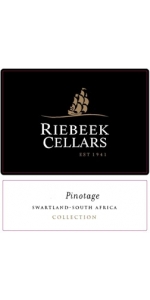
Riebeek Pinotage is made from 100 percent Pinotage.
The color is an attractive bright, ruby red with a purple rim, typical of a young Pinotage. The flavors of this unique South African cultivar are complex and exciting with ripe plum and fruitcake all beautifully integrated and then finished with subtle oak for a lingering aftertaste.
Lovely with rare beef, barbequed lamb and casseroles. This versatile lighter style of Pinotage is also a lovely combination with spicy chicken.
Beatus began with a dream and a friendship. Our dream was to make wine in Châteauneuf du Pape, one of the first regions to inspire the desire to pursue winemaking in general, and of working with Grenache in particular.
We developed a long-standing friendship with Anne-Charlotte Melia-Bachas, Proprietor of Chateau de la Font du Loup, who approached us with the idea to craft a wine together a number of years ago.
This has all come to fruition with Beatus, a wine that we have decided to make ongoing, every year — since tasting the exciting results of the first vintage in barrel.
The vineyard parcel selected for this wine is a single plot of 80-year old Grenache at the top of La Crau in Châteauneuf du Pape, the highest location in the AOC. It sits on a north-facing slope that helps guard against the sometimes intense summer heat that can affect the surrounding areas.
This plot is called “Le Poteau” and has been generously granted to us by Anne-Charlotte as the core of this wine, with supplementation of Syrah and Mourvèdre from surrounding parcels also grown on the Chateau de la Font du Loup estate, to round out the blend.
The winemaking is directed by myself and carried out by Anne-Charlotte, Stéphane Dupuy d’Angeac and their team. It is our hope to bring you one of the finest expressions of Grenache from this special region each and every vintage.
Yields from this block are very small due to the age of the vines, therefore only up to 100 cases of Beatus will be produced each year, depending on the conditions of the vintage.
Our first release was in November of 2022.
– Winemaker Todd Alexander
Review:
Made in collaboration with Chateau de la Font Du Loup, the 2020 Beatus is an extraordinary bottling that rivals some of the top wines of this region. The nose is hugely perfumed with red rose petals, potpourri, sage and shades of red currants. The palate displays the same level of concentration as it does on the bouquet. Beautiful guava and ripe strawberry fruits parade with copious minerals and a sinfully good texture on the palate. Fresh and vibrant, this is just sensational stuff to enjoy in its heady youth.
Owen Bargreen 97 Points
Siegel Gran Reserva Cabernet Sauvignon is made from 100 percent Cabernet Sauvignon.
Pre-fermentative cold maceration for 5 days, with alcoholic fermentation occurring at 27-29 degrees C to better extract polyphenols from the wine. Post-fermentative maceration for 2 to 3 weeks. Once the wine has been blended it is smoothly clarified. Aged in French oak barrels for 10 to 12 months.
The grapes for the Gran Reserva wines are the product of a careful selection of Siegel's best vineyards in the Colchagua Valley, harvested by hand, and revealing a strong expression of the land.
Deep ruby red with aromas of cassis, red fruits, black pepper, black cherries, tobacco, cinnamon and chocolate. On the palate it is highly concentrated with juicy notes of red fruits and spices. Structured & complex from the oak aging.
Serve with red meat, braised stews, grilled pork and flavorful cheeses.