
" We don't sell the wine without touching the vine "
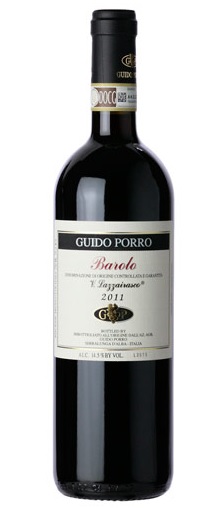
| Country: | Italy |
| Region: | Piemonte |
| Winery: | Guido Porro |
| Grape Type: | Nebbiolo |
| Vintage: | 2011 |
| Bottle Size: | 750 ml |

All older vintage wines have been purchased from a single collectors cellar. Pictures can be requested before shipment.
All older vintage wines have been purchased from a single collectors cellar. Pictures can be requested before shipment.

Boroli Barolo Brunella is made from 100 percent Nebbiolo.
A clear ruby red color, with very light orange reflections. A net aroma in which liquorice stands out at first, immediately followed by a fruity scent; the aroma makes you scent it again and again to discover different and pleasant facets. The fruity aroma magnificently prevails after a few minutes in the glass. A very enveloping, fresh and harmonious taste, with a delicate and tasty presence of wood. A long lasting taste that invites to sip it slowly again and again.
Tasting Notes
Brunella is distinguished by a careful selection of grapes, perfect destemming, long macerations with submerged cap. The barrels for Brunella are specifically chosen by the winemaker.
Wine Production
Brunella is one of the most historic single vineyard sites of all of Castiglione Falletto, however it hasn’t ever been bottled singularly under the Menzione Geografica Aggiuntiva BRUNELLA until 2013. The Brunella vineyard occupies the western crest of the Villero hillside and complete surrounds the Boroli winery. The vineyard is a monopole—owned entirely by Boroli and is the most prestigious wine in the lineup. As it occupies the best exposed section of the Villero hillside, La Brunella expresses power, drive, complexity, and extraordinary length and ageability.
About the Vineyard
The Boroli family is a family of entrepreneurs, with roots in Piedmont dating back to 1831. The family started their winemaking business in1997, when Silvano and Elena Boroli felt an ardent desire to step away from the pressures of their publishing business and reconnect to nature. Silvano and Elena grew the company until their son, Achille, stepped in to run the wine-growing and production business in 2012.
With the 2012 grape harvest Achille decided to radically change the methods used in vineyards and wineries, aiming for the highest quality in Barolo and its crus. He cut production levels, updated the winemaking technology, and focused on low intervention methods to raise the quality of the Boroli wines be on par with the finest Barolo wines.
Review:
Ripe red cherries and blood oranges, as well as herbs and roses on the nose, leading to a juicy and flavorful palate that has a swathe of bright, juicy red-fruit flavor. Drinking well now.
-James Suckling 93 Points

Boroli Cerequio is made from 100 percent Nebbiolo.
The Boroli family is a family of entrepreneurs, with roots in Piedmont dating back to 1831. The family started their winemaking business in1997, when Silvano and Elena Boroli felt an ardent desire to step away from the pressures of their publishing business and reconnect to nature. Silvano and Elena grew the company until their son, Achille, stepped in to run the wine-growing and production business in 2012.
With the 2012 grape harvest Achille decided to radically change the methods used in vineyards and wineries, aiming for the highest quality in Barolo and its crus. He cut production levels, updated the winemaking technology, and focused on low intervention methods to raise the quality of the Boroli wines be on par with the finest Barolo wines.
About the Vineyard
The Cerequio cru lies just across the valley from the Boroli winery in the commune of La Morra and is considered one of the most prestigious sites in the Barolo DOCG zone. It is known to produce Nebbiolo wine of enormous elegance and finesse.
Wine Production
Cerequio is distinguished by a careful selection of grapes, precise destemming, and a long maceration with submerged cap.
Tasting Notes
A clear bright ruby color with very light garnet red reflections; intense and persistent aroma of red fruit with notes of plum and cherry. A pleasant aroma of wood is noticeable after the fruity aroma, anticipating the full taste of a great wine suitable for long lasting life. A succulent, rich, full-bodied and pleasant taste emerges after the woody one, with the presence of slightly ripe red fruit.
Food Pairing
Thanks to its viscosity and body, Barolo is the ideal wine to pair with elaborate dishes and dishes like truffle dishes, meat dishes, pasta with porcini mushrooms, game, and aged cheeses. Cerequio is also perfect with dry pastries or chocolate.
Review:
Elegant bright ruby red. Fragrant and inviting nose of strawberries with whipped cream, icing sugar, elderflower and roses. Flattering palate with clear fruit and appealing acidity, unfolds into a complex style, punchy on the palate with a clear, slightly salty finish.
-Falstaff 95 Points

Damilano Barolo Cannubi is made from 100 percent Nebbiolo.
Garnet ruby red in color with orange reflections. The bouquet is ample and embracing, with pronounced fruity notes of cherry and plum and notes of tobacco, licorice and cocoa. On the palate, the wine is harmonious, pleasantly dry with soft tannins, broad and full-bodied. Persistent finish.
Cannubi is a sumptuous wine, perfect with the full-flavored Piedmontese cuisine such as white truffle -based dishes and braised meat. Ideal with the refined dishes of the great international gastronomy.
Review:
Sweet berries, tar and hazelnuts on the nose with some iodine and dry earth. Full-bodied with a solid center palate of juicy fruit and powerful, fine tannins. It’s racy and very long. Needs time to soften. Better after 2023.
-James Suckling 96 Points

“1752” is the name of the Damilano Barolo Cannubi Riserva, in honor of the year in which the historic bottle was first marked “Cannubi”. It still exists today perfectly conserved by the Manzone family in Bra, close to Barolo. The bottle is clearly marked as being of “1752” vintage, indicating that Cannubi historically precedes Barolo.
About the Vineyard:
The Cannubi Cru is in found within one of the 6 core zones which comprise a UNESCO heritage site in Italy. A mixture of Tortonian and Helvetian calcareous marl gives the grapes intense aromas of cherry, plum and tobacco, rose and violet in sequence. Its low potassium and high calcium/magnesium content offer the wine a fine and polished touch. The vineyard is located at about 270 m. a.s.l. and has a south-east sun exposure. Barolo Riserva Cannubi 1752 It is a small plot of about 2 hectares of Nebbiolo vines, currently between 30 and 50 years of age.
Tasting Notes:
Garnet ruby red in color, the bouquet is intense and balanced, with notes of violet, red fruit, cherry and plum, spices, liquorice, cocoa, leather and tobacco. Dry, robust, full-bodied, very persistent, rich and velvety
Food Pairing:
This wine is excellent with typical piedmontes pasta (tajarin, ravioli); perfect with red meat, braised and roast meat, game and absolutely ideal with all types of cheeses.
Review:
The purity of this wine is pretty phenomenal with blackberries, strawberries, fresh flowers and licorice. Hints of tar. It’s full-bodied, yet composed and compact with ultra fine tannins and a long, flavorful finish. Very structured. Try after 2024.
-James Suckling 97 Points
#31 in Wine Enthusiast Top 100
Fresh scents of just-picked rose, bright red berry, baking spice, leather and an earthy hint of game unfold on this stunning wine. The full-bodied palate offers juicy mature cherry, crushed raspberry, licorice, carob, chopped wild mint and clove alongside firm, velvety tannins and bright acidity. -Wine Enthusisat 95 Points
Guido Porro:
Reviews and notes on Guido Porro regularly refer to him as “under the radar”: the wines he makes are worthy of a stellar reputation, but he is too easygoing and unassuming to worry about whether the general wine-drinking public recognizes his name. He rarely bothers to send samples to wine writers. Guido is the fourth generation at an estate that has always been passed from father to son, and although fifth-generation Fabio hasn’t reached middle school, he is already showing a keen curiosity in the family business. The Porros continue to work just as their predecessors did—the only major change over the last few decades has been the decision to bottle at the estate instead of selling the wine in demijohns or barrels—and they like to keep things simple and down to earth. The door is always open, and Guido’s wife Giovanna never looks quite as happy as when she’s serving enormous platters of classic local dishes to a full table of guests.
The limestone-heavy soils of Serralunga d’Alba are known for providing the most long-lived and full-bodied Barolos. Porro’s vineyards are located here in the Lazzarito cru, a gorgeous amphitheatre that faces south-southwest and offers the grapes full sun exposure and protection from the wind. The sub-zones of Lazzairascoand Santa Caterina are both monopoli and share the same soil; however, different exposition and altitude bring distinct traits to each wine. Lazzairasco, a very hot site home to Guido’s oldest Nebbiolo, gives a more powerful, masculine wine, while the cooler, breezier Santa Caterina brings out the delicacy and elegance of Nebbiolo. Even Porro’s Barbera, a grape that is usually planted in lesser vineyards, enjoys a privileged place inSanta Caterina. Guido sticks to traditional methods in the vineyards and cellar, and he never gets in the way of the grapes’ natural expression.
• Vines are sustainably farmed, the equivalent of lutte raisonnée in France.
• Only indigenous yeasts are used
• Almost all barrels used (barriques, tonneaux, and botti) are at least 5th passage; new barrels are introduced occasionally as needed
• The Lazzairasco, Santa Caterina, and l’Pari vineyards are all monopolies
Langhe Nebbiolo “Camilu”:
• Maceration in cement vats lasts 20-25 days; pumping over 3-4 times daily
• Six or seven months in 500-L tonneaux
• Vines are located in the Serralunga within the Barolo DOCG
Langhe Rosso “Paesan”:
• Nebbiolo and Barbera vinified and matured separately
• Maceration in cement vats lasts 20-25 days; pumping over 3-4 times daily
• Nebbiolo: 1 year in tonneaux
• Barbera: 1 year in barriques
Dolcetto, Barbera:
• Maceration in cement vats lasts 7-12 days; pumping over 3-4 times daily
• Dolcetto: 2 months in botti then 10-12 months in cement vats before bottling
• Barbera: 4-6 months in botti then about 6 months in stainless steel before bottling
Barolos:
• Maceration in cement vats lasts 20-25 days; pumping over 3-4 times daily
• Three years in 15- to 25-hl Slavonian oak botti
Lazzairasco and Santa Caterina:
• Both vineyards in the Lazzarito cru of Barolo
• Lazzairasco: 300-350 m altitude; S/SE exposure
• Santa Caterina: 340-390 m altitude; SW exposure

Morlet Family Vineyards Mon Chevalier Cabernet Sauvignon is made from 94% Cabernet Sauvignon, 4% Cabernet Franc, 1% Malbec and 1% Petit Verdot .
Located on the hillsides of Knights Valley, near Calistoga, this vineyard benefits from its proximity to Mount St. Helena, whose warm and windy climate is ideal for the long ripening of the Bordeaux red varietals. Handcrafted by using classical winemaking techniques, this special wine is dedicated to our son, Paul Morlet.
Dark red with a hue of purple. Intense and complex bouquet of red, black and blue berries intermixed with notes of blueberries, minerals (graphite, wet river rocks) licorice, fresh blond tobacco and a hint of lavender. Full bodied, the palate is reminiscent of the nose, with a richly tannic yet round frame and a great intensity. The hillside tannins and the classical aromatic complexity create a harmonious ensemble, leading to a very long and elegant finish. Built to age for decades, this collectible wine opens up after a few years of cellaring and is particularly representative of this special vineyard from the hillside of Knights Valley. Mon Chevalier features the interaction of the loamy, well drained and rocky volcanic soil, the typical sunny mountain climate and the low-interventionistic Morlet winemaking approach.
Propietary Name Mon Chevalier
Name Meaning My Knight Named after our son, Paul Morlet
Type of wine Vineyard designated
Appellation Knights Valley
Vineyard singularity Morlet Family Estate Hillside 1100-1200 feet elevation Rhyolitic, loam & volcanic ash
Typical harvest date End of October
Picking Manual, small lugs, refer truck
Sorting Cluster by cluster, berry per berry
Fermentation Through native yeast Tank and Puncheons
Upbringing 16 months French oak from artisan coopers
Bottling Unfiltered
Cellaring time Decades
Serving Room temperature
Decanting recommended
Review:
The estate-grown 2016 Cabernet Sauvignon Mon Chevalier is a blend of 94% Cabernet Sauvignon, 4% Cabernet Franc, 1% Malbec and 1% Petit Verdot. Very deep purple-black in color, it charges forth with intense notes of crushed black cherries, black berry preserves and cassis scents with touches of spearmint, Indian spices, espresso and dried lavender plus a waft of roses. Full-bodied, the palate reveals incredible restraint, slowly revealing earth and black fruit layers framed by firm, grainy tannins and just enough freshness, finishing very long and spicy.
-Wine Advocate 96+ Points
Moving to the top releases, the 2016 Cabernet Sauvignon Mon Chevalier comes from Knights Valley and was brought up in puncheons. A gorgeous bouquet of sandalwood, violets, loamy earth, and incense as well as some iron-laced black and blue fruits flow to a rounded, supple, incredibly textured Cabernet that has sweet tannins, a stacked mid-palate, and a great finish. It’s already terrific yet will keep for 20-25 years or more.
-Jeb Dunnuck 96 Points

Jean Reverdy Sancerre Blanc is 100% Sauvignon Blanc
Single vineyard. Vinification: cold fermentation in stainless steel tank, no oak, no malolactic fermentation.
Sweet, fruity and clean. White flowers (acacia, jasmine) and citrus fruits aromas. Perfectly balanced.
A delicious wine, perfect with fish dishes, especially salmon, and a local goat cheese Crottin de Chavignol.



