
" We don't sell the wine without touching the vine "
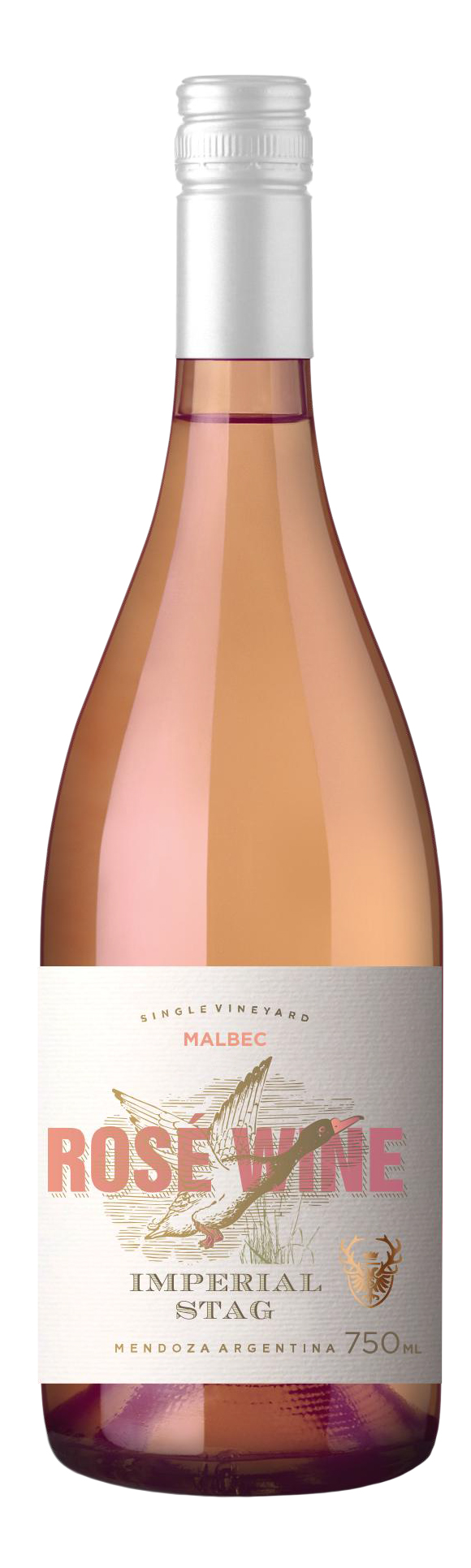
| Country: | Argentina |
| Region: | Mendoza |
| Winery: | Imperial Stag Wines |
| Grape Type: | Malbec |
| Vintage: | 2022 |
| Bottle Size: | 750 ml |
Imperial Stag Reserva Iconic Red Mendoza is made from 55% Malbec and 45% Syrah.
This is a single vineyard planted with Malbec and Syrah with low yields (2.5 ton per acre for the Malbec and 3.5 ton per acre for the Syrah).
Bright and intense, full bodied red wine with violet hues at the lips. Elegant and savory, with silky persistence. Captivating aromas of currants, raspberries and other red fruits. Distinct tobacco and chocolate aroma melded with honey and amalgamated notes of pepper and nuts from its passage through French oak barrels.
Pair with venison of course ! but also duck, lamb and strong cheeses.
Imperial Stag Malbec is made from 100 percent Malbec.
Intense and bright ruby red color. Aromas of ripe fruit with spicy notes of eucalyptus and licorice. Vanilla and tobacco aromas contributed by the ageing in French oak barrels. Good volume on the palate, balanced, intense with great concentration, sweet flavors, with rotund tannins polished with elegance and sophistication.
Perfect companion for red and game meats, pasta, stews, rice and a variety of winter cuisine dishes.
Bright deep ruby color, with spicy aromas reminiscent of red pepper, pepper and slight sensations of licorice.
In the mouth we can again find the typicity in its spicy flavors, balanced tannins, fresh, vibrant acidity and good volume.
Persistent, complex finish, with the authentic characteristics of a great Cabernet Franc.
Perfect companion for red and game meats, pasta, stews, rice and a variety of winter cuisine dishes.
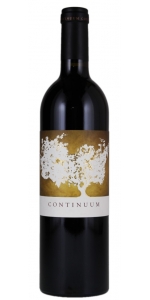
Continuum Red Blend 2022 is made from 45% Cabernet Sauvignon, 43% Cabernet Franc, 8% Petit Verdot, 4% Merlot.
2022 tells a story of subtle drama of the seasons. Aromatically effusive, 2022 Continuum is a seductive wine with an upright and regal core. Elegantly interwoven notes of black plum, black cherry, cacao, forest floor and tobacco leaf mingle with our sage mountain garrigue and volcanic minerality. Energetic and expressive, 2022 Continuum is a harmoniously integrated wine with structural complexity wrapped in a velvet robe.
WINEGROWING- Continuum is estate grown on our Sage Mountain Vineyard. It’s location, high on Pritchard Hill along the eastern ridge above Oakville, overlooks Napa Valley and the San Francisco Bay. The rocky, volcanic soils of the site focus the vine’s energy keeping yields low yielding fruit of depth and complexity. 38 acres of mature estate vineyard, planted in 1991 and 1996, with additional plantings in 2004, 2010, together comprise 38 distinct vineyard blocks. Cabernet Sauvignon, Cabernet Franc, Petit Verdot, and Merlot are grown from 1300 to 1600 feet in elevation, on western and southern facing aspects with slight northern and eastern slopes in places. This diversity of plantings on our volcanic soils are the essence of the complexity of Continuum.
PRODUCTION- Continuum is 100% estate grown, produced and bottled. All fruit is selectively hand-harvested at night. The fruit is then sorted before and after de-stemming, and gravity fed into French oak or concrete tanks. A threeday cold soak is followed by fermentation, receiving three to four pumpovers daily, and délestage two to three times in total during the most active period. The wine remains on skins in tank for 20 to 40 days. All lots are then drained, basket pressed, and transferred with lees for malolactic fermentation and aging. Continuum spent 22 months in barrel. 63 percent of French oak barrels were new and 35 percent were once used. A single concrete amphora was also used for aging. The wine clarified slowly and settled naturally in our cold barrel room, was racked sparingly and bottled without fining or filtration. Each vineyard lot was tasted and carefully considered many times to assemble the blend.
Review:
Perfumed aromas of subtle currants, roses, lavender and sage, following through to a medium body with super-fine tannins that caress the palate and leave it fresh and inspired.
- James Suckling 99 Points
Despite its relative youth, Zweigelt is actually an Austrian classic. This variety was created in 1922, when Dr. Fritz Zweigelt crossed two grapes - St Laurent and Blaufränkisch. Originally, it was intended for the new variety to be called Rotburger, referring to the place where it was born, Klosterneuburg. But this name never took hold, and instead, Zweigelt was named after the man who was the key in its development.
Today, Zweigelt is the most widely planted red variety in Austria, growing in nearly 9% of this country's vineyards. It is a robust grape, highly resistant to dryness, frost and various diseases.
The wine boasts a pale rosé color, it has plenty of fruity aromas, with red cherry and wild strawberry flavors. It is medium-bodied, but it still have a nice long and pleasant finish with a light cinnamon type of spice to it.
Only the best grapes are harvested with a lot of experience and know-how and further processed. The grapes are fermented directly gently pressed and cooled. The fermentation takes place exclusively in stainless steel tanks.
Perfectly at home on any picnic, delicious with fried chicken, and tames the heat when paired with spicy dishes. There is also a slight watermelon note that makes it perfect for spring and summer. A great pairing with barbecued shrimp.
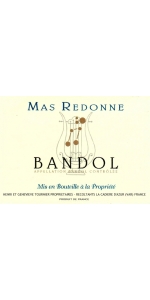
Mas Redonne Bandol Rose is made from 55% Mourvèdre, 35% Cinsault, 10% Grenache.
Nice light salmon color, typical of Bandol.
The wine expresses some citrus, Pomelos (a delicious type of grapefruit) and lots of white fruit aromas and minerality.
The flavors are fresh, fruity and very aromatic with tons of apricot and mango.
Grilled salmon, chicken dishes as well as salads, sushi and sashimi.
The vineyards are planted on alluvial soil, mainly composed of sand, silt and gravel. This soil presents great permeability and a little proportion of organic material. It is irrigated by the Atuel river, that collects water from the Andes Mountains.
Imperial Stag Malbec rosé boasts a bright pale pink color, intense aromas of red fruits such as sour cherries and cherries with notes of red roses. On the palate, red fruit flavors and balanced acidity.
Imperial Stag Wines was founded in 2010, when two wine passionate American hunters decided to buy a vineyard at over 2400 ft. in elevation near historic San Rafael, part of the world renowned wine region of Mendoza, Argentina. After several years of studying the climate, soil and vines, they determined that the “Dos Cazadores” vineyards would produce high quality red grapes such as Malbec, Cabernet Franc, Syrah and Bonarda. Under prominent winemaker, Fabricio Orlando, in 2019, they crafted the first of what will be a series of exclusive, single vineyard, high-quality wines in limited editions that express the history, beauty, style and excitement of hunting and the highest examples of the Argentine winemaking tradition.
The winery is named after a magnificent stag taken by Archduke of Austria, Royal Prince of Hungary Istvan Von Hapsburg-Lothringen's great grandfather, who shares the same passion for hunting and nature that drives the creation of these wines, whose intention is to be worthy of being enjoyed as a complement of the game.
The vineyards are located in Goudge, a village about 12km (7.5 miles) from San Rafael.
Deep cherry red in color with a garnet rim. On the nose, it is intense and elegant, with a base of ripe fruits that blends with the subtle tertiary aromas of sweet spices and cocoa. On the palate, it is balanced, full-bodied but with sweet and pleasant tannins, with a long and very persistent aftertaste.
Review:
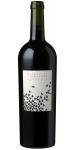
60% Cabernet Franc, 29% Cabernet Sauvignon, 11% Merlot
The 2019 Paramour entices with notes of blueberry, iris, leather, chocolate cake, and cigar on the nose. A rich attack of layers of flavor include cherry, plum, coffee, and chocolate with bright acidity. Soft and silky tannins lead to a long finish, with cherry, blueberry, plum, and currant lingering on the palate.
Review:
A blend of 60% Cabernet Franc, 29% Cabernet Sauvignon and 11% Merlot, the 2019 Paramour Proprietary Red was sourced from the Schifflet, Hudson and Stagecoach Vineyards. Blessed with floral notes, licorice and black cherries on the nose, this looks like the pick of the litter and is one reason why Napa Cabernet Franc prices are what they are. This is full-bodied and rich yet seemingly weightless, despite being concentrated, long and velvety. This is just lovely stuff.
Robert Parker's Wine Advocate 97 Points



