" We don't sell the wine without touching the vine "
| Country: | South Africa |
| Region: | Stellenbosch |
| Winery: | Keermont Vineyards |
| Grape Type: | Syrah |
| Organic: | Yes |
| Vintage: | 2017 |
| Bottle Size: | 750 ml |

Named after the French word for Crow, or Raven, this Syrah is certainly as dark as the name implies. Hailing from Discovery Vineyard, perched high above the Columbia River in the heart of the Horse Heaven Hills, these grapes were grown in a very unique terroir. Avennia's approach of old-world style, minimalist winemaking allows for full expression of the fruit, showcasing the elegant and savory side of Syrah.
"Leads with a nice balance of dark fruits—blackberry and blueberry—with more savory elements, including blackberry leaf, olive, charcuterie, and a hint of shiitake. The palate features snappy fresh black fruits, a hint of smoked meat, and a lively finish with plenty of savory elements that make this wine quite interesting. Give it a year in the cellar and enjoy over the next eight years or so." - Chris Peterson, Winemaker
Review:
-Jeb Dunnuck 94 Points
-Wine Enthusiast 92 Points
-Anthony Mueller (Robert Parker) 91 Points

Kershaw Syrah Deconstructed Lake District Cartref SH22 is made from 100 percent Syrah.
The inspiration for this Syrah stems from my belief that the Elgin region has both a signature grape as well as particular terroirs within its demarcated boundary that reflect regional credentials. This Syrah was selected from a sub-region of Elgin from a specific vineyard and an individual clone.
Sourced from a single parcel in the Western part of Elgin, the 22 clone produces fuller, well-colored yet finely structured wines. They tend to be more concentrated as yields are low with more black fruit, black pepper and meaty notes. The Cartref soils, a mixture of decomposed sandstone, pebbles and quartz, add gracefulness and heighten the fruit intensity.
The grapes were handpicked under autumnal skies into small lug baskets and then manually sorted on a conveyor before the stems were removed. The destemmed berries fell onto a vibrating table in order to remove jacks and substandard berries before dropping uncrushed into a small 500kg conical hopper and forklifted into open-topped fermenters. The grapes underwent a 3-day maceration before spontaneous fermentation began. A gentle pigeage (punch-down of the cap) program was charted and the grapes remained on skins for 26 days. The wine was then racked to barrel under gravity and the remaining pomace basket-pressed. Malolactic then proceeded in barrel followed by a light sulfuring and 17-month maturation. No finings were necessary and the wine was simply racked and bottled unfiltered.
Review:
-Tim Atkin 95 Points
-Antonio Galloni's Vinous 93 Points

Force Majeure Parvata is made from 69% Mourvedre, 21% Syrah, 10% Grenache (2016) / 43% Mourvedre, 25% Grenache, 23% Syrah, 4% Cinsault, 5% Counoise
Parvata means “mountain” in sanskrit, and is the name for this southern Rhône-inspired blend, grown mostly in the sandy, loamy soils of the lower section of the Red Mountain vineyard, which bring to the wine a good degree of finesse and high-toned aromatic notes, white pepper, dried herbs and grapefruit peel.
Review:
-Jeb Dunnuck 95 Points
-Anthony Mueller (Robert Parker) 95 Points

Klipsun Cabernet Sauvignon Red Mountain is made from 84% Cabernet Sauvignon, 4% Merlot, 4% Malbec and 8% Syrah.
The 2017 vintage started out with a cool, wet winter, with significantly above average snowfall in eastern Washington. Red Mountain had a 24% increase in rainfall in 2017 over the 10 year average. Going into spring, the cool trend continued. As a result, bud break at Klipsun was behind the historical average and significantly behind the most recent warm vintages of 2013 2016. Bloom was also slightly delayed. Because of the cool weather, set was lighter than usual which translated into significantly less fruit in 2017.
The early part of the summer saw average temperatures followed by above average temperatures in July and August. As a result, he at accumulation was a bit above average for the season, despite the cool start. And because of the smaller than normal yield, harvest began right on schedule, perhaps even a bit early for some of the whites. In the second half of September, when Klipsun traditionally harvests all the reds, the temperatures cooled considerably, which delayed ripening. This allowed for luxurious amounts of hang time without the threat of increased sugar accumulation, stretching harvest into the first week of October. A s a result, all fruit going into the 2017 Klipsun Cabernet Sauvignon could be picked at perfect sugars levels with great fruit maturity and flavors. Overall, the quality of t he 2017 harvest is as high as the 2016. However, the style is slightly different. The 2017 wine has a firmer structure, more spice & mocha in the nose and will take a few mo re years than the 2016 to reach a perfect balance between fruit and tannin.
Review:
The 2017 Cabernet Sauvignon Red Mountain is composed of 84% Cabernet Sauvignon, 4% Merlot, 4% Malbec and 8% Syrah, which immediately emanates with aromas of dark roasted espresso bean, toasted oak, dried tobacco and dusty black fruit tones of cassis, currant and blackberries covered in dark cocoa powder. Full-bodied, generous in complexity and still tight in the mouth, the wine unpacks layers of cedar and vanilla tones with dusty purple flowers and bitter dark chocolate across the mid-palate, giving way to fine-grained tannins that will loosen with time. As the wine sits on the palate, the 100% French oak regimen is on full display for all to see. The wine lingering long and continues to evolve in the mouth, ending with a drying finish that highlights the oak and terroir. It’s still a baby, and I would keep it in the cellar for another few years before popping the cork—this will effortlessly coast for more than a decade. The 2017 vintage marks the second release of this wine, with 6,300 bottles produced. It comes from its namesake vineyard, first planted in 1984 on Red Mountain. I’m keeping my eye on this producer. I’m impressed, and even though the oak may be a bit much at the moment, it's still delicious. - Wine Advocate 94+ Points
-Jeb Dunnuck 94 Points

Long Shadows Chester Kidder is made from 60% Cabernet Sauvignon, 25% Syrah and 15% Petit Verdot
Allen Shoup named this wine in honor of his mother, Elizabeth Chester, and his grandmother, Maggie Kidder. He selected Long Shadows' director of winemaking and viticulture, Gilles Nicault, to craft this New World blend of Cabernet Sauvignon, Syrah and other classic Bordeaux varieties.
Select Cabernet Sauvignon lots underwent an extended maceration of 40 days to produce supple yet firm tannins that stand up to 30 months of barrel aging in tight-grained French oak barrels (85% new). The extra time in barrel helped to integrate the fruit, enhance the mid-palate with an extra layer of complexity, and provide an appealing earthiness to the finish.
Review:
-Jeb Dunnuck 93 Points

Appasionata Andante Pinot Noir Willamette Valley is made from 100 percent Pinot Noir.
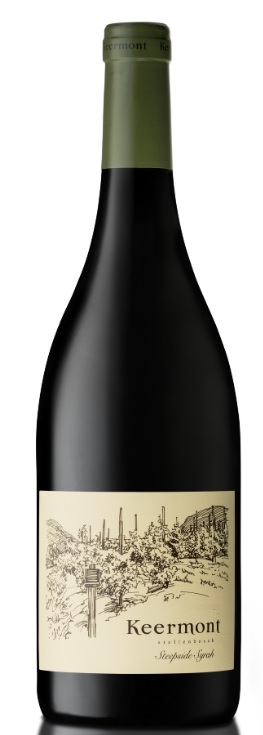
Keermont Steepside Syrah is made from 100 percent Syrah.
Planted in 2005 on the steep midslopes of the Helderberg Mountain range, Steepside Syrah sits at an elevation of 300m. Vines grow in rich red clay loam soils with high levels of iron and quartzite originating from the peaks above. The combination of these deep granitic soils and the intensity of the sunshine on the North facing ridge allows the vineyard to produce wines with power and structure, while the spicy herbal aromatics can be attributed to the elevation and the pristine fynbos flora that surround it.
This is an intense wine with a bright scarlet color. Pure grapey aromas are complimented by red spices, herbs and lavender. The palate has a gentle entry with subtle spicy fruit flavors filling the mid palate. The tight structure gives the wine a succulent dry finish with lingering flavors of red fruit, anise, liquorice and a mineral saltiness.
All grapes used in producing our wines are grown on Keermont Vineyards. Small parcels of grapes are selected according to optimal ripeness and harvested by hand. The grapes are vinified gently and naturally following traditional techniques.
Pair with game or venison. Although any red meat works well.
Review:
-Tim Atkin 96 Points
-Wine Enthusiast 91 Points
-Wine Spectator 92 Points
-Antonio Galloni's Vinous 92 Points
The Keermont Estate and Vineyards
Located just beyond Stellenbosch, Keermont Vineyards is nestled in farm land in the beautiful valleys of South Africa. Keermont uses their name to honor the former farm, Keerweder, that once occupied their land. The word “keerweder” means a dead end in a valley. The literal translation is “blocked again”, which is in reference to the early settlers being blocked by the terrain when trying to pass through the valley.
The Keermont winery building and vineyards actually lie in the shadow of Guardian Peak, or “Suurberg”. This location is ideal for Keermont, as the fruit on this mountain is often compared to the grapes of Napa Valley’s famous Howell Mountain AVA.
In 1694, Jan Jac Van Dyk founded the land in the Blaawklippen Valley that is the location of present day Keermont. Other wineries such as Waterford, Dornier, and Stellenzicht are also on the land once owned by Van Dyk. The earliest account of a European landowner utilizing the area for agricultural use are Van Dyk’s records. Afterwards, the potential and beauty of the Blaawklippen Valley attracted many other landowners to the area and the land was divided into individual farms.
Mark and Monica Wraith bought into this land by purchasing the Fleurfontein and Keerweder III farms in 2003. They combined the two farms into the Keermont Vineyards Estate. The couple still live on the Keermont land with their family. Alex Starey is the Keermont winemaker. In 2005, Keermont began a major vineyard planting program and it now holds 27 ha under vine. In 2007, Keermont releases its first vintage, from a crop of only 5 barrels or 108 cases. In 2010, the physical Keermont winery building, complete with offices, processing facilities, barrel rooms, and a tasting room, was converted from the former spring water bottling plant that had once resided on the Fleurfontein farm. The total farm acreage for Keermont Vineyards is 157 hectares or 388 acres, with 27 hectares under vine. 18 hectares produce red varietals such as Cabernet Savignon, Merlot, and Syrah. 9 hectares hold the white varietals like Chenin Blanc, Chardonnay, and Viognier. Keermont also boasts Chenin Blanc vines that are over forty years old and used by De Trafford winery. Keermont aims to create wines that reflect their beautiful land and the particular year’s vintage condition. Keermont focuses on using minimal chemical fertilizers, few pesticides, and irrigate as little as possible. No fining or filtration is practiced on the Keermont Estate. Keermont desires a natural, harmonious vineyard that will in the long run produce better quality wines.
The goal of this estate is to make superior blends. The wines to be produced, but not written in stone, are:
Keermont Red – 40 % Cabernet Sauvignon, 40% Merlot, 20% Syrah.
Keermont White – 70% Chenin Blanc, 30% Viognier and Chardonnay
Dessert wine in exceptional vintages
Keermont Syrah – Syrah, Mourvedre, Viognier
Some wines from Keermont Winery:
Any Keermont wines we have in stock are listed below, if you don’t see the wine you are looking for please don’t hesitate to ask for it.

Rubus Special Edition Barossa Shiraz is made from 100 percent
The Rubus Project was created by Fran Kysela as a way to source & sell incredible wines at value prices. All wines in this international project are hand-selected by Fran Kysela. Rubus wines are fruit driven, true-to-type values that over deliver - a true representation of quality for the consumer at an excellent price.
Deep red with a slight purple hue on release. The wine has a rich mix of dark chocolate infused with coffee bean and black liquorice, then scents of tar, aniseed, raw (pure) soy and black olive on the nose. The palate is expansive, and yet balanced and finessed. An amalgam of dark berried flavors and textural sensations. The 100% new oak is completely absorbed, meshed with ripe tannins, completing a palate of impressive length and youthfulness.
Sourced from Thorn-Clarke’s St Kitts vineyard (Block 7) in the far north of the Barossa, the Rubus Reserve demonstrates both the strengths of the region and the unique characters of the vineyard.
A thin layer of topsoil over weathered marble, schist and shale mean the vines work hard to source water and nutrients. The result is naturally low yields concentrating the power and density of the fruit. Diurnal temperature variation is another important aspect of St. Kitts. Warm daytime temperatures are followed by cool nights with variations of up to 30°C (55°F) from the peak during the day into the cool night minimums.
Review:
-James Suckling 94 Points

Bihan Le Revelation Touraine Chenonceaux Sauvignon Blanc 2024 is made from 100% Sauvignon Blanc.
From Maison Le Bihan in the heart of the Loire, this Touraine Chenonceaux “Revelation” pours a limpid, brilliant pale gold. The nose is intense and expressive, layered with floral aromatics, and the palate is dry and harmonious with a tangy edge that carries a long, lively finish.
A natural aperitif, it also shines alongside white meats, Loire asparagus and seafood.