" We don't sell the wine without touching the vine "
Mordoree Tavel Rose Plume de Peintre is made from 60% Grenache, 20% Syrah, 20% Clairette.
Deep rosé color. Complex and intense aromas of red fruits. The palate is elegant and offers a great balanced acidity. The wine has a long lasting finish.
Risotto with crayfish and asparagus, duck breast roasted with honey, poultry with morels.
Review:
Mordoree Tavel Rose Reine des Bois is made from Grenache
Nose: Steady rose, brilliant and cristal clear.
Aromas : very complex : from flowers, white fruits and red fruits (strawberries, pomegranate, rapsberry). Slightly mentho-lated
Palate : fresh, classy, elegant, very long.
Aging capacity : 8 to 10 years.
This wine comes from a parcel planted on a pebbled soil covered with stones, whose geology is typical of the grands crus from the Rhone Valley (a base made of marine molasse from the Miocene period covered with an alpine diluvium from the Villafranchian period). 100 % destemming, cold maceration during 48 h., pneumatic pressing, fermentation at 18° C.
To pair with: roasted and or spicy chicken, duck, goose, fish soup, white meat, seafood and a lot of fishes (tuna, John Dorry, red mulet, etc...).Quite all Asian cuisine. Dishes with garlic, dishes with tomatoes.
Review:
Mordoree Tavel Rose Reine des Bois is made from 60% Grenache, 15% Clairette, 10% Syrah, 10% Cinsault, 5% Bourboulenc (biodynamically farmed on a rocky/sandy plateau over clay).
This wine comes from a parcel planted on a pebbled soil covered with stones, whose geology is typical of the grands crus from the Rhone Valley (a base made of marine molasse from the Miocene period covered with an alpine diluvium from the Villafranchian period). 100 % destemming, cold maceration during 48 h., pneumatic pressing, fermentation at 18° C.
To pair with: roasted and or spicy chicken, duck, goose, fish soup, white meat, seafood and a lot of fishes (tuna, John Dorry, red mulet, etc...).Quite all Asian cuisine. Dishes with garlic, dishes with tomatoes.
In the glass the wine is deeply colored pink, almost orange/salmon. Complex aromas of white flowers, raspberry, pomegranate, strawberry, minerals, and citrus rise from the glass. Palate is full-bodied and voluptuous yet retains elegance while delivering great fruit intensity balanced by minerals and citrus. Light tannins appear mid-palate and carry through to the finish, giving it serious structure. Fresh, complex, and very long on the finish. Overall, powerful, textured, and food-driven — a “serious” Tavel that can age 1–5 years. Best enjoyed from June/July 2026 onward.
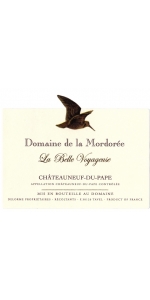
Mordoree Chateauneuf du Pape Rouge Dame Voyageuse is made from Grenache 90 % Mourvèdre 4% Syrah 4 % Counoise 1% Vaccarese 1% .
Mordoree Chateauneuf du Pape Rouge Dame Voyageuse is a more approachable version of the La Reine des Bois. It is meant to be enjoyable early compared to her sister Cuvée which is made for the long run.
Color : deep ruby red, opaque.
Aromas : red fruits, changing to touches of leather, black truffles and coffee.
Palate : fat, concentrated and full flavored with a very long liquoriced and fruity finish.
Ageing potential : 6 to 10 years.
Surface : 5 Ha.
Yield : 30 Hl./Ha.
Vineyard age: 60 Years
Terroir : Clay-siliceous on pebble stones
Harvest : by hand
Vinification : 100 % destemmed, long 30 days maceration with a maximum of 34° C temperature.
Estate bottled
Review:
"Moving to the 2019s from bottle, the Grenache-heavy 2019 Châteauneuf Du Pape La Dame Voyageuse offers a beautiful array of both red and black fruits as well as classic Provençal notes of lavender, peppery garrigue, and flowers. Rich, medium to full-bodied, and beautifully textured on the palate, this is another terrific vintage for this cuvée, which remains an incredible value in the market today. It will drink nicely for 10-12 years if stored correctly."
- Jeb Dunnuck (November 2021), 95 pts
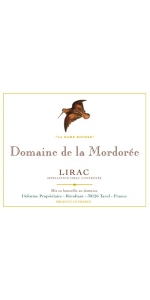
Color: Deep Red
Nose : Red fruits (raspberry, black-current) and flowers (violet).
Palate : Full, rich and ample, long finish, nice concentration.
Aging potential : 7 to 9 years
Surface : 22 Ha. Yield : 40 Hl./Ha. Vineyard age : 40 years Terroir : Clay / chalk, clay / limestone and sandy with pebble stones. Harvest : by hand Vinification : 100% destemmed , long 30 days maceration with a maximum of 34°C temperature
Pairs well with red meats, grilled meats, game and cheeses.
Review:
"Aromas of spiced cherries, forest berries and sweet spices. Medium body with fine tannins. Layered and textured with a velvety mid-palate. Balanced and harmonious with a focused finish and excellent length. From biodynamically grown grapes with Demeter certification. Drink or hold."
- James Suckling (May 2023), 93 pts
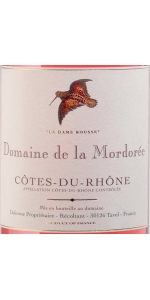
Mordoree Cotes du Rhone Dame Rousse Rose is made from 40% Grenache, 35% Syrah, 15% Cinsault, 5% Carignan, 5% Mourvèdre
Color : rosé, slightly orange (mordorée colour).
Aromas : crystallized oranges and cherries, slightly aniseed.
Palate : very rounded, fresh and long finish.
Ageing potential : 2 to 3 years
Surface : 14 Ha. Yield : 45 Hl./Ha. Vineyard age : 20 years Terroir : clay / chalk,clay / limestone and sandy with pebble stones. Harvest : by hand. Vinification : vat bleeding, temperature control. Estate bottled.
Food pairing: cold meats and delicatessen, fowl, white meats, grilled lamb with Provence herbs, fish soup, fried fish, pastas, pizzas and all Asian dishes.
Review:
"This rosé appears so pretty in the glass with its watermelon hue and presents a refreshing summery nose. Find notes of watermelon slices and yellow peaches sprinkled with sea salt. Think of pairings similar to prosciutto-wrapped melon. This is a solid rosé to enjoy all summer long."
- Wine Enthusiast (May 2023), 91 pts
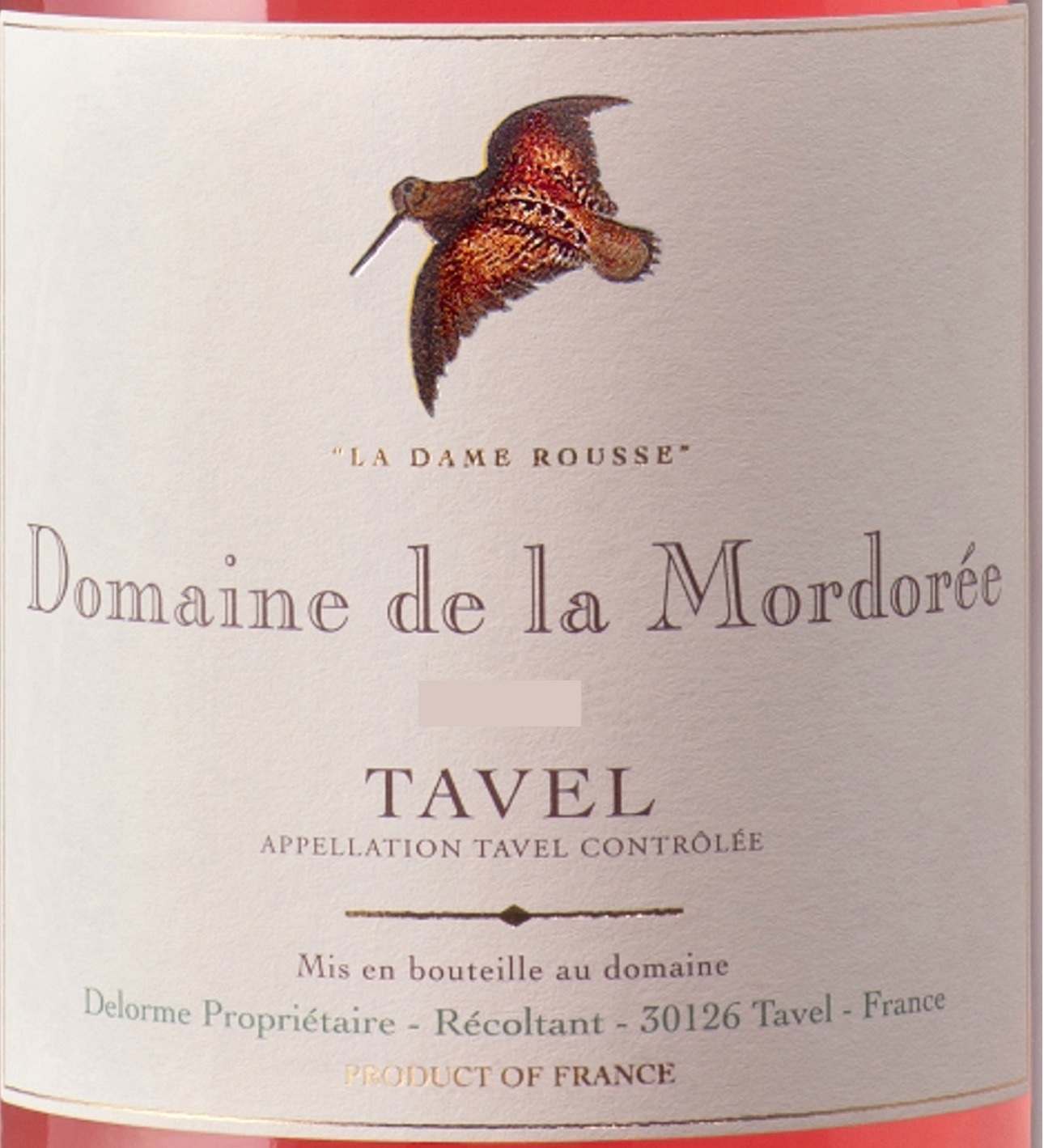
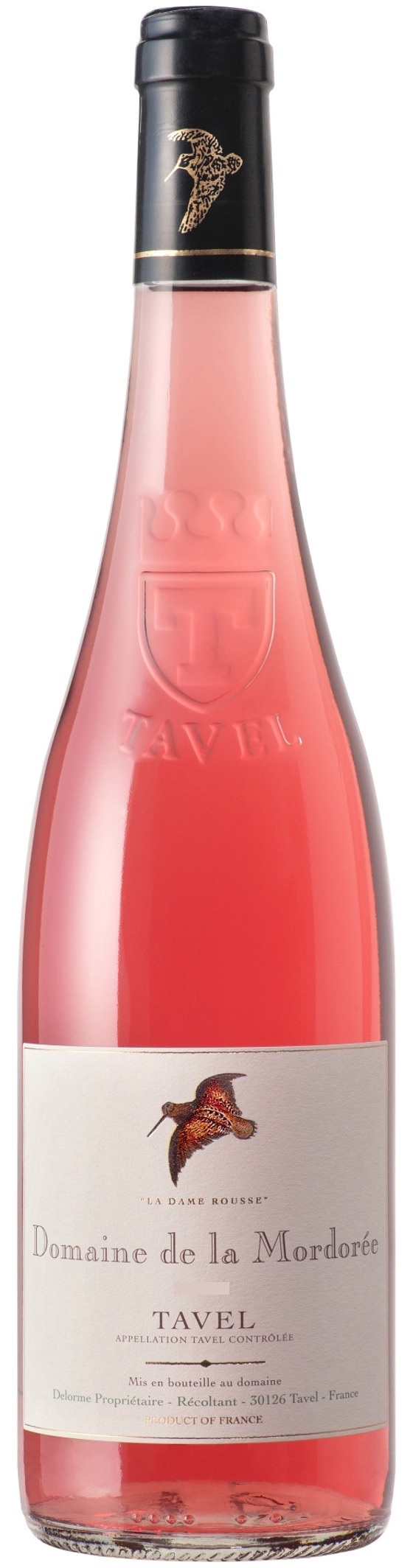
Mordoree Tavel Rose Dame Rousse is made from 40% Grenache, 35% Syrah, 15% Cinsault, 5% Carignan, and 5% Mourvedre
Nose : steady rose, brilliant and limpid.
Aromas : very complex with flowers, red and white fruits aromas.
Palate : rounded, full bodied with a long lasting aniseed and fruity finish.
Ageing potential : 4 to 6 years
Surface : 9 Ha. Yield : 44 Hl./Ha. Vineyard age : 40 years Terroir : Clay / chalk and sandy with pebble stones. Harvest : by hand Vinification : 100% destemming, cold maceration during 48 h., pneumatic pressing, fermentation at 18° C. Estate bottle
Food pairing: cold meat and delicatessen, poultry, white meats, grilled meats, fried fish, fish soup, pastas, pizzas and all Asian cuisine.
Review:
Perfumed notes of fresh boysenberry and black cherry are lifted by a cutting mineral edge in this rosé. Black fruit flavors are intensely ripe and penetrating, accented by shavings of black pepper and a firm, fine-grained grip of tannins. This solidly structured, thrilling wine should improve through 2023.
- Wine Enthusiast (September 2020), 93 pts, Editors' Choice
The Mordoree Estate
This is arguably the top estate in our Portfolio. Domaine de la Mordoree (woodcock), located in the town of Tavel, in the Southern Rhone Valley, is the most consistent producer of top quality wine in my entire selection. In 1986, the brothers Christophe and Fabrice Delorme decided to dedicate themselves to their passion for wine. They started their own estate with the objective to produce the best wines in each appellation while preserving the environment
The Mordoree Vineyard
The vineyard consists of 55 hectares (135 acres), on 38 different parcels, which provide with a rich, wide range of soils and climates. The soil is a mix of clay, chalk and sand with pebble stones. The improvements at the Domaine have been incredible: new pneumatic presses, new stainless steel vats, new destemmer, new vinification and aging plant, and aging in oak barrels for the top wines. All the grapes are raised by culture raisonnée which is very close to organic viticulture (intervention in the vineyard only when necessary). The yield is reduced in the vineyard by ébourgeonnage (de budding in spring) and vendanges vertes in summer (green harvesting). Oak aging for the top wines in special barrels like “jupille” for 10 months. No expense is spared at this Domaine to achieve quality.
For our 2018 Napa Valley Quilt Reserve, we tasted the developing wine throughout the fermentation and aging processes, then set aside the very best 2% for this reserve bottling. Our lot selection was based on intensity, complexity and boldness of expression that could withstand a longer aging cycle and heavier use of new French oak.
Tasting Notes
Deep Ruby Red in color with aromas of black currant, bright cherry, toffee, blackberry, marionberry pie and notes of dark chocolate. Rich and satisfying on the palate with flavors of boysenberry jam, black cherry pie filling, and cocoa layered with notes of vanilla and hazelnut. A full-bodied Cabernet with layers of concentrated black fruit, bright acidity and excellent balance. A long, velvety and satisfying finish, enjoy this stellar vintage now and for years to come!
Powerful and rich tasting, this wine from Joseph Wagner is velvety in texture and spicy in aroma. It drips with jammy Port like flavors that are backed by fine-grained tannins that tightened a bit on the finish for a good grip. Best from 2025.
-Tasting Panel 97 Points
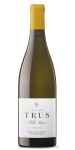
Trus Albillo Mayor Reserva Ribera del Duero is made from 100% Albillo Mayor.
Light straw yellow color despite its age. Aromas of white flowers and grapefruit typical of the variety, along with some very light notes of toasted wood and of long bottle ageing. Very well-balanced on the palate, with the characteristic fullness of the variety and a very refreshing natural acidity which bodes well for the wine's ageing. A wine for ageing which already displays all its complexity and elegance. We recommend consumption at a temperature of between 8 and 12ºC.
Grapes are coming from a Goblet-trained vineyards in Peñaranda de Duero. Dry-farmed, without irrigation. Different orientations and altitudes.
TA: 6 g/l in tartaric acidity.
VA: 0.4g/l.
pH: 3.3.