
" We don't sell the wine without touching the vine "
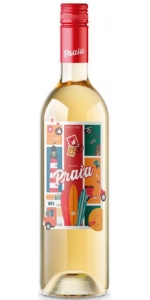
Praia Aveleda Vinho Verde NV is made from 40% Loureiro, 20% Trajadura, 20% Arinto, 20% Azal.
Praia, which means "beach" in Portuguese, is a smooth and fresh wine with delicate and lovely fruity flavors. Slightly spritzy, it is well balanced and very refreshing.
The region is typical for its unique wines that are fresh and light, combined with a very well balanced acidity. These characteristics result from the region's unique soil and climate, with a strong Atlantic influence that you will identify when you taste it.
The wine is ideal as an aperitif or throughout a meal, especially with fish, seafood, white meat and salads. Due to it freshness, it is particularly pleasant in a relaxed and informal ambiance.
Lima Adega Vinho Verde is made from 80% Loureiro and 20% Trajadura
All Vinho Verde (or green wines – meaning young, not green in flavor) are the best in the first 18 months. The wine is fresh, crisp, lively with a touch of spritz. It has some very interesting aromas of stone fruit and lime.
Portuguese Vinho Verde with a screwcap!
Loureiro: Loureiro is a white vine variety grown in the northern region of Portugal that produces an aromatic bay leaf scent. The pale-skinned variety is used to make the Vinho Verde white wine that of the Minho region.Traditionally, Vinho Verde wines include Trajadura and Pederna, but varietal Loureiro wines are becoming increasingly popular. The Loureiro variety is also grown in smaller batches in Galicia, which sits to the north of border of Spain. Loureiro variety grapes are high in acid and is sometimes called "Branco", "Marques", or "Redondo". In this region, the variety is used to create the Rias Baixas white wine, and is typically blended with the variety, Albarino. The wine works perfectly with fish, grilled good, sushi, shellfish, salads or fruits. The wine also pairs nicely with clams and white wine or fresh spring rolls. The variety is high in acidity and is typically bottled with a shot of carbon dioxide to maintain the quality of the wine and to give it a nice, bubbly texture. The taste of the wine includes aromas of citrus, tropical fruits and a mineral tone, and also has hints of floral aromas.
Trajadura: Trajadura is a white grape varietal also known as Treixadura. Trajadura originates from Portugal, particularly the Northern region. Trajadura is most famously used in Portugal's Vinho Verde wine, but Trajadura is also utilized in blends to add fullness and brisk citrus flavor. The low acid content in Trajadura, combined with a higher alcohol content make it an ideal and rare blending component in this particular climate region. When Trajadura is blended with Loureiro and Albarino it is the perfect balance for Vinho Verde. In Spain, Trajadura is called Treixadura and is most commonly found n Rias Baixas and Ribeiro. Spain also takes advantage of the blending characteristics while combining with Albarino, Abillo, Lado, Macabeo, Godello, and Torrontes. The Trajadura vines are recognized by average sized bunches that are dense with moderately sized berries. Trajadura ripens early, so to keep the acidity, it must be harvested rather early. The flavor profile for Trajadura will consist of apricot, peach, apple, lemon, and pear.
With low alcohol, it is best as an aperitif or with seafood. Definitely a summer drink.
Lima Vinho Verde Rose is made from 75% Souzao, 15% Borraçal and 10% Espadeiro.
It is a blend of 75% Souzao (same as Vinhao), 15% Borraçal (which is also known as Caino Tinto) and 10% Espadeiro:
Souzão (or Sousão or Vinhão) is a Portuguese wine grape that is used in the production of port wine. While originating in the Minho regions, it is used primarily in Australia, California and South Africa. In Portugal, it is also an authorized planting in the Douro, and Dão-Lafões area (Vinho do Dão). The grape is known for the deep color it produces in a wine as well as its coarse and raisiny taste.
Caiño tinto (also known as Borraçal) is a red Galician wine grape variety that is also grown in Portugal's Vinho Verde wine region where it is known as Borraçal. In Spain, it is a permitted variety in the Denominación de Origens (DOs) of Rías Baixas and Ribeiro where it produces highly perfumed wines with noticeable tartness and high acidity.
Espadeiro is a red Portuguese wine grape planted primarily in the Minho region for making Vinho Verde. It is also grown across the border, in Spain, in Galicia where it is used to make light bodied wines.
Carmo Vinhos Madeira Verdejo 10 Yr an amber medium dry wine with medium body and acidity. Rich aroma and flavor of dried fruits, nuts and caramel, showing a vibrant character, lengthy and well balanced. An excellent aperitif or as an accompaniment to pates.
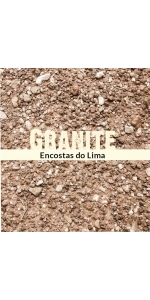
Lima Granite Vinho Verde is made from 100 percent Loureiro.
This special project from the Adega Ponte de Lima highlights the diverse soils of the Vinho Verde region. Made from 100% Loureiro grapes, both the Granite and Schist varieties boast a crisp acidity and expressive minerality.
Lima Vinho Verde Granite displays intense floral aromas with great freshness and more accentuated minerality.
Sushi, fish, seafood, cheeses and salads.
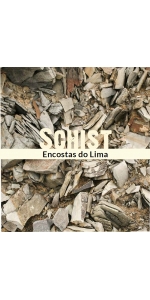
Lima Xisto (Schist) Vinho Verde is made from 100 percent Loureiro.
his special project from the Adega Ponte de Lima highlights the diverse soils of the Vinho Verde region. Made from 100% Loureiro grapes, both the Granite and Schist varieties boast a crisp acidity and expressive minerality.
Lima Schist Vinho Verde displays subtle yet more complex aromas. Full bodied, persistent and engaging.
Sushi, fish, seafood, cheeses and salads.

Vinhão (also known as Souzao or Sousao) is a Portuguese wine grape used in the production of port wine. While originating in the Minho regions, it is used primarily in Australia, California and South Africa. In Portugal, it is also an authorized planting in the Douro, and Dão-Lafões area (Vinho do Dão). The grape is known for the very deep color it produces in a wine as well as its coarse and raisiny taste.
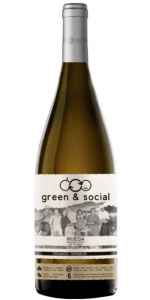
Green & Social Rueda Organic Verdejo is made from 100 percent Verdejo.
The launch of green & social is a step forward in pursuit of the sustainability by Cuatro Rayas and the starting point of new environmental initiatives in support of the social economy that the Cooperative launched. Lightweight recycled glass to reduce emissions. Aluminum capsule free of plastics and 100% recyclable. Sugar cane cap with zero carbon footprint.
Green and social Rueda offers a straw yellow color with bright green hues and exhibits fresh, citrus fruit and balsamic aromas that are typical of the Verdejo variety. Its simplicity and purity find a dynamic and seductive path between fresh flavors, finesse, and minerality. It is a fresh and crisp wine.
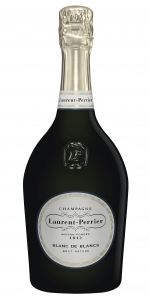
The wine has a white gold color with a fine sparkle. The nose displays minerality and hints of citrus. On the palate the wine is balanced and sustained with a finish that is fresh with notes of lemon.
The Blanc de Blancs is a true wine for gastronomy pairing well with the finest fish: sea bass with salt crust, scallops, grilled marinated squid with lemon, thyme, olive oil as well white meats such as veal tartare with ginger and lemon.
Review:
James Suckling Lots of white flowers with fresh and dried apples plus hints of bread dough. Asian pears. Medium- to full-bodied with density, velvety texture and a very dry finish. Flavorful and slightly bitter with richness, structure and class. 2016 base wine with reserve wine from 2014. Drink or hold.
-James Suckling 95 Points
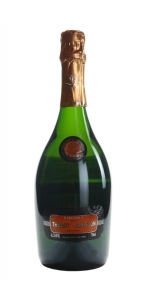
Thibaut-Janisson Blanc de Chardonnay is made from 100% Chardonnay
Appellation 100% Virginia
Winemaking Notes The grapes are handpicked in small baskets late August and are gently pressed as whole clusters. After a settling of 24 hours, the juice is inoculated with selected Champagne yeast and ferments in stainless steel tanks at low temperature. Once the fermentation is over, the wine ages on the fine lees until the spring of the following year. The blend is then put together and cold-stabilized prior to bottling. The bottling occurs in the spring when the cellar temperature is conducive to a second fermentation in the bottle. The now sparkling wine will age on the yeast for over 24 months. At disgorging, a small amount of dosage liquor is added in order to balance the natural acidity.
Clean, crisp and refreshing! With scents of white flowers, apples and pears. This sparkling wine is elegant and complex with vibrant aromas, and fine active streamers. The depth of complexity is elegant and the intricate nuances of the terroir fill the nose and stimulate the palate. It’s full of youthful, bright and alert acidity.
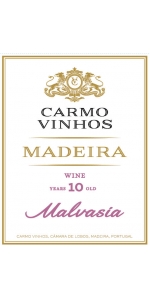
Carmo Vinhos Madeira Malmsey 10 Yr is richest style of Madeira. With a deep amber color, this intense wine has a complex flavor of walnuts, dried fruits, coffee and caramel. Full body hiding the acidity and a very long finish. An excellent accompaniment to coffee.
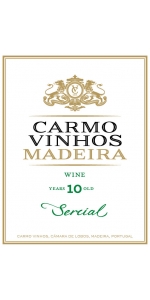
Carmo Vinhos Madeira Sercial 10 Yr is the driest style of Madeira, a light bodied wine with a distinctive nutty nose. An excellent apertif. The concentration at this age has produced a very attractive and interesting wine, with a long finish.
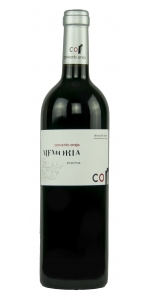
Convento Oreja Memorias Reserva is made from 100 percent 100% Tempranillo.
The wine comes from a special vineyard at 950 meters altitude. The cuvee is called MEMORIA to pay tribute to good friends and great time spent together.
Deep cherry color. On the nose, the wine is elegant and well balanced with black fruits, reminiscent of vanilla and leather. Hints of spices, minerals and coffee. On the palate the wine is also well balanced and pleasant. Round and elegant with a long and pleasing aftertaste.
Pairs well with pastas, creams and soups. Likewise, these wines are ideal for more subtle and elaborate first courses, like a rice with lobster.
Ideal for grilled red meats and stews and game stews and for the typical roast lamb.
Review:
"Deep garnet to the eye, this wine has a nose of black cherry, cocoa powder and aniseed. A sense of fruit brightness permeates the palate alongside blackberry preserve, orange zest, clove, violet and milk chocolate flavors. Lingering brightness and velvety tannins make for a gorgeous, long-lasting finish. - Mike DeSimone"
- Wine Enthusiast (June/July 2023), 94 pts
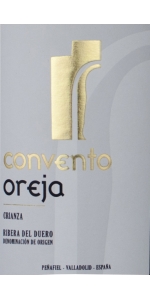
Convento Oreja Ribera del Duero Crianza is made from 100 percent Tempranillo.
Bright cherry color. On the nose you will find plenty of fruit aromas, well balanced as well as some reminiscences of spices that are appreciable. The oak presence gives elegant hints of black chocolate and vanilla. On the palate, the wine is very smooth and well balanced with the right amount of acidity. Fresh, long lasting and elegant.
The wine went through malolactic fermentation. The wine was aged 12 Months in French Oak barrels. Before bottling, the wine was slightly filtered.
Convento Oreja Ribera del Duero Crianza is made from 100 percent Tempranillo.
Bright cherry color. On the nose you will find plenty of fruit aromas, well balanced as well as some reminiscences of spices that are appreciable. The oak presence gives elegant hints of black chocolate and vanilla. On the palate, the wine is very smooth and well balanced with the right amount of acidity. Fresh, long lasting and elegant.
The wine went through malolactic fermentation. The wine was aged 12 Months in French Oak barrels. Before bottling, the wine was slightly filtered.
Review:
A bouquet of Luxardo cherry, blackberry preserves and lavender wafts from the glass. Surprisingly juicy on entry, this wine has flavors of pomegranate, ripe cherry, orange zest, dried thyme, dark chocolate and violet. Opulent tannins build in volume and then recede into a finish that is filled with bright fruit notes. — Mike DeSimone
- Wine Enthusiast (June/July 2023), 94 pts
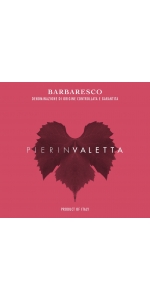
Pierinvaletta Barbaresco is made from 100% Nebbiolo
Rich, Full bodied, Intense.
Pierin Valetta is one of the ancestor of the Family and these wines are dedicated to him as we would like to thank him for giving us vineyards that reach up to 70 years old.
Made from 70 years old vines planted on clay soils.
Aged 30 months in French and Slovanian Oak barrels.
Wine wasn't filtered before bottling.
Pierinvaletta Barbaresco is made from 100% Nebbiolo
Rich, Full bodied, Intense.
Pierin Valetta is one of the ancestor of the Family and these wines are dedicated to him as we would like to thank him for giving us vineyards that reach up to 70 years old.
Made from 70 years old vines planted on clay soils.
Aged 30 months in French and Slovanian Oak barrels.
Wine wasn't filtered before bottling.
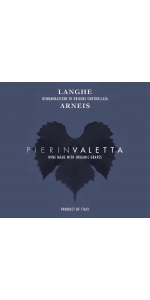
Pierinvaletta Arneis Langhe Hills is made from 100% Arneis
No oak. Aged on the lees for 4 months in Stainless Steel Tan
Fresh, fruity, mineral.
Pierin Valetta is one of the ancestor of the Family and these wines are dedicated to him as we would like to thank him for giving us vineyards that reach up to 70 years old.
Made from 20 years old vines planted on Limestone soils.
No Oak. The wine was aged on the lees for 4 months in Stainless Steel Tanks.
Wine was slightly filtered before bottling.
Pierinvaletta Arneis Langhe Hills is made from 100% Arneis
No oak. Aged on the lees for 4 months in Stainless Steel Tan
Fresh, fruity, mineral.
Pierin Valetta is one of the ancestor of the Family and these wines are dedicated to him as we would like to thank him for giving us vineyards that reach up to 70 years old.
Made from 20 years old vines planted on Limestone soils.
No Oak. The wine was aged on the lees for 4 months in Stainless Steel Tanks.
Wine was slightly filtered before bottling.
Pierinvaletta Arneis Langhe Hills is made from 100% Arneis
No oak. Aged on the lees for 4 months in Stainless Steel Tan
Fresh, fruity, mineral.
Pierin Valetta is one of the ancestor of the Family and these wines are dedicated to him as we would like to thank him for giving us vineyards that reach up to 70 years old.
Made from 20 years old vines planted on Limestone soils.
No Oak. The wine was aged on the lees for 4 months in Stainless Steel Tanks.
Wine was slightly filtered before bottling.
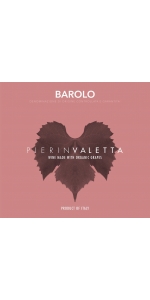
Pierinvaletta Organic Barolo Langhe is made from 100 percent Nebbiolo .
Elegant with a good structure and a long pleasant finish.
No filtration before bottling.Wine was aged in Oak foudre for 24 months.
Average 40 years (oldest vines are 70 years old)
Pair with meat, steak.
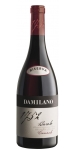
“1752” is the name of the Damilano Barolo Cannubi Riserva, in honor of the year in which the historic bottle was first marked “Cannubi”. It still exists today perfectly conserved by the Manzone family in Bra, close to Barolo. The bottle is clearly marked as being of “1752” vintage, indicating that Cannubi historically precedes Barolo.
About the Vineyard:
The Cannubi Cru is in found within one of the 6 core zones which comprise a UNESCO heritage site in Italy. A mixture of Tortonian and Helvetian calcareous marl gives the grapes intense aromas of cherry, plum and tobacco, rose and violet in sequence. Its low potassium and high calcium/magnesium content offer the wine a fine and polished touch. The vineyard is located at about 270 m. a.s.l. and has a south-east sun exposure. Barolo Riserva Cannubi 1752 It is a small plot of about 2 hectares of Nebbiolo vines, currently between 30 and 50 years of age.
Tasting Notes:
Garnet ruby red in color, the bouquet is intense and balanced, with notes of violet, red fruit, cherry and plum, spices, liquorice, cocoa, leather and tobacco. Dry, robust, full-bodied, very persistent, rich and velvety
Food Pairing:
This wine is excellent with typical piedmontes pasta (tajarin, ravioli); perfect with red meat, braised and roast meat, game and absolutely ideal with all types of cheeses.
Review:
The purity of this wine is pretty phenomenal with blackberries, strawberries, fresh flowers and licorice. Hints of tar. It’s full-bodied, yet composed and compact with ultra fine tannins and a long, flavorful finish. Very structured. Try after 2024.
-James Suckling 97 Points
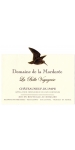
Mordoree Chateauneuf du Pape Rouge Dame Voyageuse Grenache 90 % Mourvèdre 4% Syrah 4 % Counoise 1% Vaccarese 1% .
La Dame Voyageuse - "the traveling lady" - is a more approachable version of the CDP La Reine des Bois. It is meant to be enjoyed early, compared to her sister cuvee which is made for the long run.
Dark ruby red, almost opaque. Aromas of red fruits (strawberry, cherry), violet and liquorice. Nice, fresh body; smooth tannins; long fruity finish.
Color : deep ruby red, opaque.
Aromas : red fruits, changing to touches of leather, black truffles and coffee.
Palate : fat, concentrated and full flavored with a very long liquoriced and fruity finish.
Ageing potential : 6 to 10 years.
Surface : 5 Ha.
Yield : 30 Hl./Ha.
Vineyard age: 60 Years
Terroir : Clay-siliceous on pebble stones
Harvest : by hand
Vinification : 100 % destemmed, long 30 days maceration with a maximum of 34° C temperature.
Estate bottled



