" We don't sell the wine without touching the vine "
| Country: | Italy |
| Region: | Prosecco di Valdobbiadene |
| Winery: | Rebuli |
| Grape Type: | Prosecco Glera |
| Vintage: | NV |
| Bottle Size: | 750 ml |

description: This is a Pét-Nat Prosecco.
Pét-Nat is short for Pétillant Naturel (French for Naturally Sparkling).
It is the same vinification method as "Methode Ancestrale" used in Bugey Cerdon.
The wine is bottled before the end of the first alcoholic fermentation. Unlike Champagne method (in which the base wine completes his first fermentation in tank and only the secondary fermentation takes place in the bottle adding sugar and yeast also known as liqueur de tirage, which will requires the wine to be disgorged), Pét-Nat method doesn't imply the wine will be filtered or disgorged upon fermentation.
This gives Pét-Nat its light and fizzy mouthfeel, generally with a little sweetness and low alcohol. Most of the times, bottles are slightly cloudy from the presence of lees.
The wine is vibrant with complex lemon citrus, pear and verbena. It finishes dry with delicate yeasty notes.
Alcohol 11,0% vol.
Acidity 5,1 g/l.
Residual sugar 0 g/l
PH 3.3
Pressure 2.4 atm
Area of origin: Vittorio Veneto
Soil: calcareous
Varietal: 95% Glera (known as Prosecco)
Harvest: Manual, with selection of the grapes.
Vinification: Soft pressing with bladder membrane press, settling of must, fermentation at controlled temperature
Fermentation: Processed according to the traditional method of fermentation in yeast bottles. Is normal his natural “bottom” deposit in the bottle, which is why it is brilliant or velvety straw yellow if shaken; the bubble development is brilliant.
Extremely digestible wine, suitable for casual moments or tasting the typical sausages of the local tradition such as the sopressa. Great with pizza daisy.
Review:
"Showing orchard fruit aromas, this wine offers exuberant fruit with light lemon and herbal notes. It offers bright acidity and finishes complete dry. One of the best Pet-Nats we’ve had this year. Made of 95% Glera, this is a sparkling wine made the ancestrale method where the wine is bottled before the end of fermentation, resulting in dissolved carbon dioxide that lends a light sparkling quality to the wine."
- International Wine Review (Champagnes & Sparkling Wines for the Holidays: The Best of 2018), 90 pts

Visual aspect: Straw yellow color with persistent mousse.
Aromas: Fruity notes of delicious Golden apple and Kaiser pear with a pleasant citrus background.
Mouthfeel: The wine is well balanced with a nice acidity and minerality, combined with freshness and complexity.
The finish is long and very pleasant.
Area of origin: Valdobbiadene, Conegliano, Vittorio Veneto.
Soil: calcareous clayey
Varietal: Glera (known as Prosecco)
Harvest: manual harvest with grape selection
Winemaking: off skins by gentle pressing.
Primary fermentation with controlled temperature by selected yeats.
Refinement :Stainless Steel tanks
Foaming: secondary fermentation in "autoclave" (cuve close) at a controlled temperature with selected fermentation as long as a 5 bar pressure is reached.
Fining: 60 days
Training system: autochthonous called "capuccina modificata"
Bottling: isobaric bottling after sterile filtration.
It is ideal for important occasions and as an aperitif. It is also excellent with risotto and noble meat.

This pale rosé colored spumante boasts a rich mousse and persistent bubbles. The intense and fruity bouquet of raspberry, wild strawberry, pink grapefruit is intertwined with almond, rose petals and balsamic notes. The palate is fresh, well balanced and harmonious with full flavors of strawberry fruit and a long finish.

Chateau Talbot Saint-Julien Grand Cru Classe is made from 69 % Cabernet Sauvignon, 26 % Merlot, 5 % Petit Verdot.
The wine presents a delicate and captivating nose of black fruits, fresh tobacco, peppermint and floral nuances. Ripe and juicy fruit flavors of black currants on the palate with well integrated velvety tannins and a beautiful refreshing acidity to the long finish.
For the 2018 vintage, a special packaging with a unique silkscreen printing bottle was created to mark the 100th anniversary of the Cordier Family's acquisition of Chateau Talbot
Pair with red meat, roast pork, game meat, poultry, hard cheeses, poached pear.
"Rich aromas of blackcurrant, blackberry, chocolate, tobacco and licorice. Oyster shell, too. It’s full-bodied with firm, well integrated tannins. Polished, silky layers with a long finish. Gorgeous ripe and bright fruit in the center palate. Best in a long time. Try from 2025."
Review:
-James Molesworth (Wine Spectator) 96 Points
-Jeb Dunnuck 95 Points
-James Suckling 95 Points
-La Revue du Vin de France 95 Points

Chateau Talbot Saint-Julien Grand Cru Classe is made from 69 % Cabernet Sauvignon, 26 % Merlot, 5 % Petit Verdot.
The wine presents a delicate and captivating nose of black fruits, fresh tobacco, peppermint and floral nuances. Ripe and juicy fruit flavors of black currants on the palate with well integrated velvety tannins and a beautiful refreshing acidity to the long finish.
For the 2018 vintage, a special packaging with a unique silkscreen printing bottle was created to mark the 100th anniversary of the Cordier Family's acquisition of Chateau Talbot
Pair with red meat, roast pork, game meat, poultry, hard cheeses, poached pear.
"Well-built and rather refined for the vintage, with a deep well of red and black currant paste and plum reduction flavors supported by a deeply inlaid iron note, all of which run the length of the wine. Offers subtle savory, tobacco and singed cedar notes that add range, with a savory echo that leaves a mouthwatering feel in the end. Built to cellar. Cabernet Sauvignon, Merlot and Petit Verdot. Best from 2025 through 2040. - James Molesworth"
- Wine Spectator (March 2022), 95 pts
Review:
-La Revue du Vin de France 96 Points
-Decanter World Wine Awards 95 Points
-Neal Martin (Vinous) 95 Points
-Jane Anson - Inside Bordeaux 95 Points

Domaine Jean Grivot Clos de Vougeot Grand Cru is made from 100 percent Pinot Noir.
Domaine Jean Grivot is among the great names in Burgundian wine. Étienne Grivot and his wife Marielle took over from Étienne’s father Jean Grivot in 1987. The vineyards are densely planted and farmed organically “sans certification” while the aim in the cellar is for balance and clear expression of terroir.
Jean Grivot’s 38.3 acres spread across 22 appellations with vineyards in the communes of Vosne-Romanée, Vougeot, Chambolle-Musigny, and Nuits-Saint-Georges. Besides the three grand crus, there are 8 premier crus including the much lauded Les Beaux Monts and Suchots in Vosne-Romanée. The grapes are completely de-stemmed and fermentation is spontaneous.
About the Vineyard:
Clos de Vougeot grand cru was acquired by Étienne’s grandfather, Gaston Grivot, in 1919. The total holding is 4.6 acres from the middle of the vineyard to the lower wall and the average vine age is 40 years old. A good Clos de Vougeot should be a complete wine without any one feature standing out. It is a perfect balance of power, aroma, and flavor.
Wine Production:
The grapes are destemmed and maceration à froid usually lasts just a day or two. The alcoholic fermentation is spontaneous and malolactic fermentation occurs in barrel. Depending on the vintage, the proportion of new oak is around 40-70% percent for the grands crus.
Tasting Notes:
The wine shows aromas and flavors of red berries, herbs, and purple flowers. The palate is rich with ripe fruit and medium weight with bright acidity and fine tannins. Aging in 40-70% new Burgundian pièce brings notes of vanilla, toast, and baking spices.
Food Pairing:
Red Burgundy might be the world’s most flexible food wine. The wine’s high acidity, medium body, medium alcohol, and low tannins make it very food-friendly. Red Burgundy, with its earthy and sometimes gamey character, is a classic partner to roasted game birds, grilled duck breast, and dishes that feature mushrooms, black truffles, or are rich in umami.
Review:
-Wine Spectator 95 Points
-Jasper Morris MW 97 Points
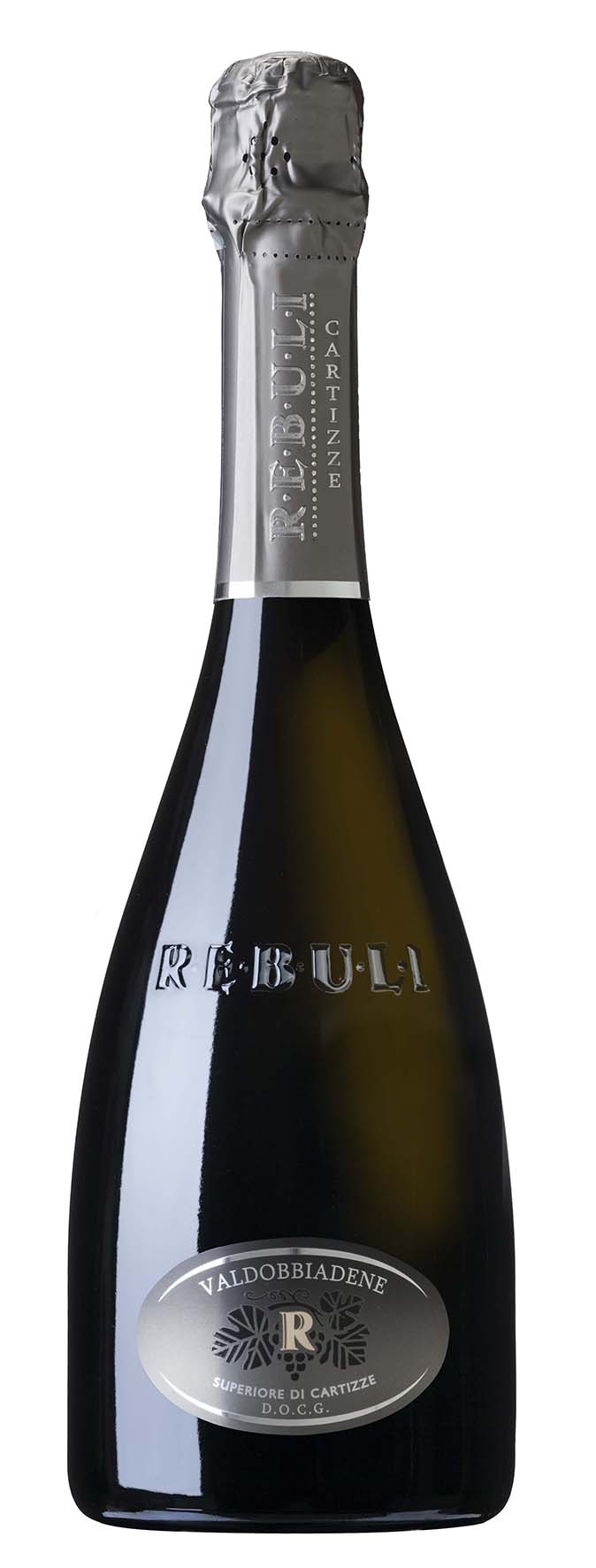
Rebuli Prosecco Cartizze Grand Cru is a noble wine with a clear straw color, it exhibits pleasant and delicate fruity flavors and is a perfect match to desserts.
Review:
-Jeb Dunnuck 93 Points
The Rebuli Estate
This producer has been a grape growers for generations, spumante maker since the 1980’s and has grown larger without losing sight of their origins. Today, the two sons Gianni and Mauro continue the wine making and enological activity which was started with passion by Angelo Rebuli.
The Rebuli Vineyard
The estate is located in the small village of Saccol di Valdobbiadene, at the foot of the Prealpi Trevigiane, where the hills dive into the waters of the River Piave.

Kershaw Smugglers Boot Pinot Noir is made from 100% Pinot Noir made from French clones PN667, PN115 and PN113.
The name derives from the time of trade embargoes in South Africa when growers & winemakers smuggled grapevine material into the country by hiding the cuttings in Wellington boots. The Smuggler’s Boot range celebrates that ingenuity.
Attractive strawberry, savory and star anise spice linger on the nose. Juicy and sumptuous on the mid palate with breadth of flavor offset by a nimbleness of fresh acidity, friable tannins and sinuous mouthfeel, this Pinot unwraps to earthy, fennel, chocolate and a hint of incense to a long supple finish.
Handpicked grapes were first bunch sorted on a conveyor before the stems were removed and the destemmed berries sorted to remove jacks and substandard berries. After a 3-day maceration in 500kg open-topped fermenters, the uncrushed grapes began a spontaneous fermentation. A gentle pigeage program was charted and the grapes remained on skins for 10-16 days.
The free-run wine was racked to a combination of 50% French oak barrels (10% new) and 50% breathable plastic eggs with the remaining pomace basket-pressed. Malolactic then proceeded followed by a light sulphuring after which the wine was racked off Malolactic lees and returned to cleaned barrels for an 11-month maturation. No finings, simply racked and light filtration prior to bottling.
Richard Kershaw’s personal suggestions for dishes include charcuterie, its salt and fat being complemented by the delicate spicy notes and fruit; Pork loin with honey, pepper, and lemon-zest glaze; Carpaccio; duck cassoulet; ovenroasted monkfish with garlic mashed potatoes; seared tuna; wild mushroom risotto; a simple beet salad with some hazelnuts and ricotta cheese; a slice of Brie or Gorgonzola dolce.
Visual aspect: Straw yellow color with persistent mousse.
Aromas: Fruity notes of delicious Golden apple and Kaiser pear with a pleasant citrus background.
Mouthfeel: The wine is well balanced with a nice acidity and minerality, combined with freshness and complexity.
The finish is long and very pleasant.
Area of origin: Valdobbiadene, Conegliano, Vittorio Veneto.
Soil: calcareous clayey
Varietal: Glera (known as Prosecco)
Harvest: manual harvest with grape selection
Winemaking: off skins by gentle pressing.
Primary fermentation with controlled temperature by selected yeats.
Refinement :Stainless Steel tanks
Foaming: secondary fermentation in "autoclave" (cuve close) at a controlled temperature with selected fermentation as long as a 5 bar pressure is reached.
Fining: 60 days
Training system: autochthonous called "capuccina modificata"
Bottling: isobaric bottling after sterile filtration.
It is ideal for important occasions and as an aperitif. It is also excellent with risotto and noble meat.

This wine reveals a complex and elegant bouquet that combines ripe fruit, leather and a fine woodiness. Round and warm on the attack, the palate is supported by solid tannins and a pleasant freshness in this harmonious and well textured wine.
The Merlot bring fruity notes and minerality from the clay-limestone terroir, enhanced by the incredibly expressive and spicy Cabernet Franc.
Review:
-Ella Lister 93 Points
-Neal Martin (Vinous) 93 Points
-Jeb Dunnuck 92 Points
-William Kelley (Robert Parker) 92 Points

Avennia Valery Red Blend is made from 86% Merlot and 14% Cabernet Franc
Valery is named for the patron saint of wine in the St. Emilion region that inspired it.
We started with old vine Merlot from a stony block in the heart of the Yakima Valley and added complex, aromatic Cabernet Franc from the Horse Heaven Hills. The result is a balanced, complex wine with the elegance and ethereal perfume that this blend of two of Washington’s best varietals are known for.
The nose on this wine is very perfumed, almost exotic with notes of fresh violets, red plum, winter mint, fresh herbs and crushed limestone qualities. The palate is poised and balanced, with red fruits and mocha powder encapsulated in limestone. The finish lingers delicately, with the Cabernet Franc asserting a light tobacco and herb note, giving depth. A compelling wine that will continue to unwind for 7-10 years in the cellar.
Review:
-Jeb Dunnuck 93 Points
-Robert Parker's Wine Advocate 92 Points
-Wine Enthusiast 91 Points

Ayni is the quechua name of a principle of reciporcity practised for centuries by the andean cultures, it means in order to receive something you first have to give. Ayni is also the name of our most special vineyard, located in Paraje Altamira one of the best appelations within Uco Valley in Mendoza.
Argentina has a history of sparkling wine production since the early 1960’s.
Tasting Notes: Aged for 18 months on its lees before disgorgement. It’s a creamy with a nice toast aroma. It is made in a well-balanced style, with fine bubbles and a dry, palate-cleansing finish.
Vineyards: 100% Altamira in the Uco Valley subregion
Soil type: Sandy loam over calcium carbonate coated gravels, 30 to 50 cm deep
Grapes: 100% Pinot Noir
Average age of the vines: 10 years
Winemaking: Methode Traditionnelle (Champenoise). Aged sur lattes for 18 months. Made following the tratidional method, fermentation goes until it gets totallay dry. No liquor is added to keep the freshnes, elegance and purity of is clean profile.
A versatile wine, good on its own or paired with any food.
"An impressive first release for this all-Pinot Noir bubbly from Paraje Altamira, aged for 18 months on its lees before disgorgement. It’s a creamy, bready, well-balanced style, with fine bubbles and a dry, palate-cleansing finish. A fizz to watch. 2017-22"
- Tim Atkin (Argentina Special Report 2017), 92 pts
"Perhaps with the same sort of structural power that Altamira reds possess, this sparkling rosé shows something immutable in body, lively texture, bracing acidity. The wine spent 18 months on the lees and this, no doubt, provides flavor complexities well beyond the fruit, but still the fruit predominates with intense aromas, substantial, and crisp, lively acidity. If what you’re looking for is a sparkler for carpaccio or roast beef, this is it."
- Descorchads 2018, 94 pts

Roland Champion Champagne Brut Rose Grand Cru NV is the blend of 33% Chardonnay, 33% Pinot Meunier and 33% Pinot Noir.
The Champagne rose shows an orange salmon color coming from the red wine base. The pinot meunier brings red fruit aromas of strawberry and raspberry with hints of spices. The palate is juicy and harmonious with good depth and minerality. A delicate balance between Chardonnay, Pinot Meunier and Pinot Noir.
It is a blend of 93% White juice (made from 33% Chardonnay, 33% Pinot Meunier and 33% Pinot Noir) and 7% Pinot Noir red wine. The grapes used to produce the Coteaux Champenois red wine are coming from their vineyards near the Village of Verneuil.

Pago de los Capellanes Doroteo is made from 100% Tempranillo.
An intense, very attractive cherry-red. It shows clean, powerful aromas of very ripe black and red forest fruits (blackberry, cherry and blackcurrant) with balsamic nuances of black liquorice, and spicy notes of clove and cinnamon from the extra-fine-grain French oak. The palate is vibrant and very balanced — fresh, silky, long, intense and lively, with highly polished tannins and a real sensation of depth, like a pleasant end to a long journey. A versatile wine that pairs with all types of meat, fish and even rice.
Review:
Cedar, dark fruit, plums and tobacco. The palate is vibrant with polished tannins, medium- to full-bodied, with balanced fruit and a defined vibrant structure from the cool 2021 vintage. Drink or hold.
- James Suckling 93 Points

Setriolo Merlot Toscana 2024 is made from Merlot. Alongside their Chianti Classico, the Soderi family at Castellina in Chianti make a small-production Merlot from their organically farmed hillside — a tiny estate where grapes have been grown since the early 1800s and estate-bottling began in 2005.
A plush, sun-ripened Tuscan take on Merlot, it offers supple black cherry and plum, cocoa and sweet spice, with a round, velvety texture and a warm, savory finish. Approachable young, it is a softer counterpoint to the estate's Sangiovese-based wines.