
" We don't sell the wine without touching the vine "
| Country: | Japan |
| Region: | Yamagata |
| Winery: | Dewazakura Brewing Company |
| Grape Type: | Miyamanishiki (kojimai) (Sake) |
| Vintage: | NV |
| Bottle Size: | 720 ml |

Savory nuances of toasted quinoa, banana bread, and nutmeg are present in the nose. On the palate, this sake is layered, lifted and complex, with flavors of plantain, dried cranberry, nougat, white Mushroom and almond.
POLISHING RATIO: 60%
ALCOHOL: 15-16%
SMV +/-: +3.0
RICE KAKE: 50% WAKAMIZU 50% LOCALLY FARMED JAPANESE RICE
YEAST STRAIN: PROPRIETARY

Sake By Kysela has been a project in the making for three years now. In the end, we selected a Sake made from the famous Yamada Nishiki rice produced in the Southern Prefecture of Shimane. Flavorful, rich, and clean; this sake is best as an aperitif or with seafood like fluke, dover sole or halibut. Kanpai!!!

Rice milling: 60%
Rice varietal: Iwai (Only available in Kyoto)
Alcohol: 15%
Sake meter value: +3.0
Acidity: 1.3
Tasting Notes: --------
Eikun sake uses water from a source called "Fusui", rated as one of the top 100 sources of water in Japan. This water source is located just south of the ancient Japanese, and still cultural capital of Japan, Kyoto.
Review:
"Clear with a platinum blue cast. Aromas of coconut milk, melon, pear and rice pudding with a with a supple, dry-yet-fruity medium body and a vanilla, apple, and pepper accented finish. A robust and lively sake that will sing with spicy Asian cuisine."
- Beverage Testing Institute (July 2nd 2014), 91 pts

Sake Eikun Junmai Ginjo Water Lords is made with Iwai rice.
Eikun sake uses water from a source called "Fusui", rated as one of the top 100 sources of water in Japan. This water source is located just south of the ancient Japanese, and still cultural capital of Japan, Kyoto.
Aromas of macadamia oatmeal cookie, spicy zucchini bread, and vanilla cream with a satiny fruity-yet-dry medium-to-full body and a layered, banana custard, jicama, salted whole nut, apple, and radish nuanced finish. A Wonderfully vibrant and flavorful sake.-Beverage Tasting Institute 94 points (Exceptional)
RATING: 94 points (Exceptional)
CATEGORY: Junmai Ginjo Sake, Sake
ALCOHOL BY VOLUME: 15.3%
TASTING LOCATION: In Our Chicago Tasting Room
TASTING DATE: Dec-05-2012
WINE ID: 200768

Woodsy honeycomb, nutshell, and mushroom patch aromas with a satiny fruity-yet-dry medium-to-full body and a delicate savory mushroom stock, chestnut, and golden beet driven finish. A fine choice for tempura. 91 Points -Beverage Tasting Institute
RATING: 91 points (Exceptional)
CATEGORY: Junmai Ginjo Sake, Sake
ALCOHOL BY VOLUME: 15.4%
TASTING LOCATION: In Our Chicago Tasting Room
TASTING DATE: Dec-05-2012
WINE ID: 200767

Hiyaoroshi is a general term referring to sake that has been pasteurized once in the winter and then allowed to mature over the summer before distribution in autumn. The Japan Sake Brewers Association designates September 9th as the official start for Hiyaoroshi sales. (Essentially aged Namazume)
September 9th is known as Kiku-no-Sekku (“Chrysanthemum Festival”), where hundreds of chrysanthemums are displayed around various venues and chrysanthemum sake is served. The chrysanthemum (kiku) was brought to Japan from China during the Nara period. In 1183, it was adopted as the Imperial Seal of Japan, and during the Meiji period no one but the Emperor could use it. Nowadays it still represents the authority of the emperor and you can see it everywhere in Japan.
Aromas are forward, fresh, and fruity in the nose with notes of sweet melon, cherries, and hints of vanilla. Flavors on the palate evoke feelings of the season with pumpkin pie, roasted nuts, and stewed plums. This sake is medium-bodied and accented by medium acidity, showing classic Jozen minerality and a lingering dry finish. Additional 7 months of aging adds depth and roundness.
{Pairs with roasted poultry, baked ham, butternut squash ravioli, BBQ, and dishes with sweet spice.
Aged Gouda, triple cream, fresh chevre .
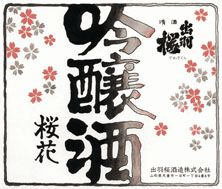
Sake Dewazakura Oka Cherry Bouquet is light, fragrant and delicious, Oka was a tremendous hit when first introduced in 1981 and opened the way for breweries all over Japan to introduce premium labels. It is floral rather than fruity, though there is a touch of pear, and perhaps melon. Though aromatic, Oka is quite dry the perfect companion for clams on the half-shell, lightly dressed salads and white fish sushi or sashimi. A favorite among lady sake enthusiasts due to its delicacy and finesse.
Awards: Gold Medal, Ginjo class, 2001, 2002 and 2003 U.S. National Sake Appraisal
Rice Variety: Miyamanishiki (kojimai), Yukigesho (kakemai)
Polishing Ratio: 50%
Alcohol Percentage: 15.5%
Sake Meter Value: +5.0
Acidity: 1.2
Yeast Type: Ogawa
Dewazakura Brewing Company
Many sake enthusiasts are surprised to learn that twenty-five years ago ginjo labels were hard to find in Japan. In those days, people were still drinking the cloyingly sweet sakes the breweries had been churning out since the ’50s; no one thought that customers would actually pay more for the quality ginjo and daiginjo sakes brewed in limited amounts for competitions.
In 1981, Dewazakura Brewing Company changed that with the release of "Oka," an affordably priced ginjo label with a polishing ratio of 50 percent and a lovely floral aroma. It was light, crisp and delightful. It was made to be drunk cold. Soon other breweries introduced their own ginjo labels. And so began one of the most creative periods in the history of sake, earning for Dewazakura the admiration and respect of even its most ardent competitors.
What made the brewery stand out was a drive for innovation. Dewazakura was not a wealthy brewery, or a long-established one, but they were open to change. When the opportunity arose in the years after the war to invite research technicians in from the National Research Institute of Brewing, they jumped at the chance. Drawing on the knowledge and skill of Hideo Abe, a former Institute research advisor, they put new ideas into practice without hesitation.
By 1991, Dewazakura had perfected its cold storage technique, aging freshly pressed sake at 28 degrees Fahrenheit to keep it as aromatic and flavorful as possible until bottling. In 1996 it introduced "Dewasansan," brewed from a new Yamagata rice strain of the same name, another hit which opened the way for other prefectures to introduce highly specific regional labels. This year, for the first time in history, Yamagata breweries received more gold medals than any other prefecture at the 2004 Japan National Sake Appraisal, an achievement due in no small measure to the pioneering efforts of the Dewazakura Brewing Company.

Sake Eikun Junmai Ginjo Water Lords 12/720ml is made with Iwai rice.
Eikun sake uses water from a source called "Fusui", rated as one of the top 100 sources of water in Japan. This water source is located just south of the ancient Japanese, and still cultural capital of Japan, Kyoto.
Aromas of macadamia oatmeal cookie, spicy zucchini bread, and vanilla cream with a satiny fruity-yet-dry medium-to-full body and a layered, banana custard, jicama, salted whole nut, apple, and radish nuanced finish. A Wonderfully vibrant and flavorful sake.-Beverage Tasting Institute 94 points (Exceptional)
RATING: 94 points (Exceptional)
CATEGORY: Junmai Ginjo Sake, Sake
ALCOHOL BY VOLUME: 15.3%
TASTING LOCATION: In Our Chicago Tasting Room
TASTING DATE: Dec-05-2012
WINE ID: 200768
Made with Iwai rice.
Eikun sake uses water from a source called "Fusui", rated as one of the top 100 sources of water in Japan. This water source is located just south of the ancient Japanese, and still cultural capital of Japan, Kyoto.
Rice milling: 60%

Orin Swift 8 Years In The Desert Napa Valley is a blend of Zinfandel, Petite Sirah, Syrah.
The Eight Years in the Desert pours a dark mauve core with a red amethyst rim and aromatic notes of ripe blackberry and raspberry bramble. Further hints of chocolate covered espresso bean, black pepper and allspice emanate from the glass. The entry is dominated by black plum preserves and freshly baked mixed berry morning bun with an energetic yet concentrated mid-palate. Soft and textured tannins give way to a lifted finish with a touch of pluot and dried tarragon.
BLEND
Zinfandel, Petite Sirah, Syrah
MATURATION
7 months in French Oak, 35% New
ALC/VOL
15.6%

Segla Rauzan Margaux is made from 54% Cabernet Sauvignon, 41% Merlot, 4% Petit Verdot, 1% Cabernet Franc.
Deep ruby in appearance, Segla delivers aromas of blueberry and vanilla on the nose. On the palate it is medium bodied with silky tannins.
Review:
Takes a very fresh approach, with an open-knit feel to the mulled raspberry and red currant fruit. Pretty lilac, incense and singed apple wood notes underscore the fruit, while silky but persistent tannins carry the finish. Shows latent depth and precise balance, so don't let this early charm fool you, as this should unfurl beautifully in the cellar. Best from 2022 through 2040. 10,000 cases made.
-Wine Spectator 95 Points



