
" We don't sell the wine without touching the vine "
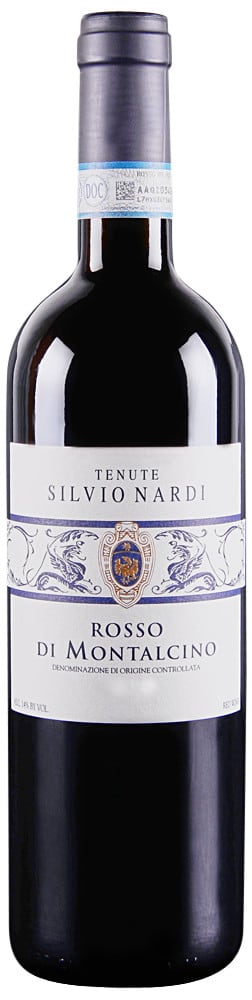
| Country: | Italy |
| Region: | Tuscany |
| Winery: | Nardi |
| Grape Type: | Sangiovese |
| Organic: | Yes |
| Vintage: | 2022 |
| Bottle Size: | 750 ml |
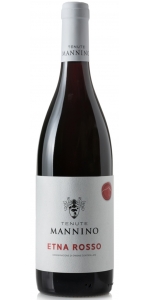
Tenute Mannino Etna Rosso Placo is made from 95% Nerello Mascalese and 5% Nerello Cappuccio. Vines are between 60 and 120 years old.
Nerello Mascalese and Nerello Cappuccio in this classic blend characterized by volcanic minerality. It is a wine with a brilliant ruby red color, an intense aroma with pleasing floral, pomegranate and graphite hints. Elegant tannins and a good juice give off an elegant and sincere tale of one of the best expressions of Sicilian reds.
-150x300.jpg "Bernardins Muscat Beaumes Venise VDN 2022")
Bernardins Muscat Beaumes Venise VDN 100% Muscat petits grains (75% Blanc, 25% Red)
Copper/rose hue and ripe soft aromas of orange, spice and flowers. The wine is full bodied with the texture of silk and flavors of orange custard, white peach, pear, apricot, toffee and orange peel.
The vineyards and their terroir are the essence of our wines. This is where everything starts and where we focus our efforts throughout the year. You can’t make great wine without great grapes.
The viticulture is essentially done by hand. Five people work full-time in the vineyards. They are supplemented by seasonal employees who work during bunch thinning and the harvest in order to bring out the very best in our vines. Working by hand and the attention each vine gets are fundamental. Pruning, de-budding, trellising, leaf removal and picking are thus carried out by hand with the utmost care.
We prepare the soil by using good old-fashioned ploughing. Organic compost is made from grape marc (the discarded stalks and skins).
As a way of protecting the plants, we only use phytosanitary products when necessary and within strict guidelines by staggering the treatments appropriately, to minimise the amount of chemicals used. We prefer to use as much as possible manual and organic techniques . Leaving natural grass cover, removing buds and leaves from the vines, preserving biodiversity around the vineyard: olive, almond and cypress trees, wild rosemary and capers.
In the spirit of respecting traditional techniques and the best elements of modern technology, cellar manager Andrew Hall and his winemaker son Romain Hall take family traditions very seriously.
When making our wines, the Muscat de Beaumes de Venise plays a central role and requires great care. After picking the grapes by hand, we press them straightaway to ferment the juice without skins. We don’t add any yeasts and keep the alcoholic fermentation in check by temperature control. Vin Doux Naturel winemaking involves stopping fermentation to preserve the grapes’ natural sweetness. During vinification, we watch the vats day and night and add the fortifying spirit just at the right moment. At this stage, the wine’s final balance is at stake. The wine is then aged in stainless steel tanks for 6 months before bottling.
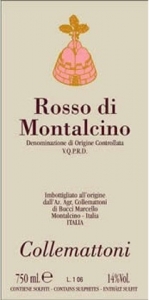
Collemattoni Rosso di Montalcino is 100% Sangiovese.
Color: intense ruby red.
Bouquet:violet flowers, black cherry and wild black fruits.
Taste: warm, dry and with good balance.
Coming from a parcel with 8-13 year old vines planted in sandy clay and marl soils.
Harvest is 100% destemmed with a soft pressing, fermentation in stainless steel tanks at controlled temperature of 28-30°C, pumping over for the first week of maceration followed by skin-contact maceration for 20-25 days with rack and return technique (delestage).
Malolactic fermentation completed.
Wine is slightly filtered before bottling.
Pairs with steak, pheasants and strong cheese.
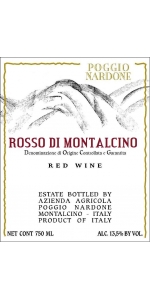
Poggio Nardone Rosso di Montalcino is 100 percent Sangiovese Grosso.
Intense ruby red color with garnet tints.
Intense and delicate aromas of fresh fruits with notes of cherry.
Dry red wine with a good strength and freshness, along with a nice aromatic persistence.
The 5 hectares of specialized vineyards in Montalcino are at an altitude of 350 meters above sea level and are surrounded by woodlands of ilex, oak and arbutus which are characteristic of Montalcino’s hillside habitat. The soil is predominantly composed of marl and limestone which renders this terrain particularly rich in mineral salts.
Pairs well with pasta prepared with meat sauces, mushrooms or truffles; complex rice, main courses of pork or veal with sauces.
Review:
"Aromas of red fruit, rosemary and white smoke. Medium-bodied with bright acidity. Pleasant, savory herbs on the palate. Wet-stone finish. Drink now."
- James Suckling (September 2021), 90 points
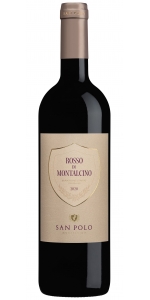
Bright and glossy ruby red in color. On the nose it reveals aromas of small fresh berries and a trace of sour cherry, melded with hints of blackberries and black cherries, followed by a hint of vanilla. A fragrant wine with satisfying intensity. On the palate it is warm, smooth and a medium-bodied with finely-balanced tannins. Dry and sinewy yet fresh with a persistent, aromatic finish.
It naturally accompanies dishes that are typical of Tuscan cuisine with its bold, authentic flavors, such as pasta and risottos made with mushrooms or truffles, pork, grilled meats and medium-matured cheeses.
Review:
Notes of ripe cherries, dried flowers and walnuts with hints of anisette and licorice. Medium- to full-bodied, compact and dense with creamy tannins and steady acidity. Weighty and structured. Drink or hold.
-James Suckling 91 Points
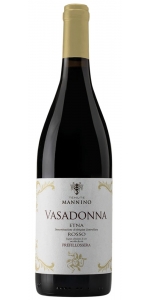
Tenute Mannino Etna Rosso Vasadonna Prefillossera is a red Etna obtained from old vineyards that give life to the typical grapes of the volcano, Nerello Mascalese and Nerello Cappuccio. The wine, with a beautiful light, presents a ruby red color, hints of good finesse with hints of spices and red fruits, aromatic herbs and mineral notes to the nose. The mouthfeel is full, warm and well balanced with tannins that express all the minerality of the volcano, and its freshness that lead to a long and persistent finish.
Then the wine is aged in French Oak barrels for 2 more years.Manual harvest in the second half of October. Spontaneous alcoholic and malolactic fermentation in stainless steel tanks for 6 months.
The vineyards are located in the districts Bragaseggi in the Municipality of Castiglione di Sicilia, on the North side of the volcano at 620 meters above sea level.
.
Intense ruby red color. Aromas characterized by hints of ripe red fruits, and hints of spices. On the palate it is warm, soft, and full with strong but velvety integrated tannins. Good persistence.
Pairs with meat, cheese, and game.
When Silvio Nardi purchased the Casale del Bosco estate in 1950, Montalcino was a little, rural village, the powerful Consorzio del Vino Brunello wasn’t yet an idea, and Nardi was the first "foreigner" to invest in Montalcino (he was from Umbria). Today, Montalcino is a renowned wine community with many international investors, and the 36 vineyard plots of Tenute Silvio Nardi extend east and west of the town on three separate estates. Since 1990, Silvio Nardi’s youngest daughter, Emilia Nardi, has focused on vineyard development and produced wines of depth that are profound expressions of the land they come from.
Silvio Nardi's youngest daughter, Emilia Nardi, has focused on vineyard development and produced wines of depth that are profound expressions of the land they come from.
Silvio Nardi’s father, Francesco Nardi, was a pioneer in the manufacture of agricultural tools in Umbria. In 1950 Silvio Nardi purchased the Casale del Bosco estate in Montalcino, Tuscany, and in 1958 produced his first bottles of Brunello di Montalcino. The family's deep ties to agriculture and the optimistic atmosphere of Montalcino in the late postwar years focused Nardi’s determination to produce a natural product of tradition and excellence. In 1962, he purchased the esteemed Manachiara estate, and in 1972, the Castello di Bibbiano estate.
In 1966, Brunello di Montalcino was among the first eight Italian wine producing zones to be designated a Denominazione di Origine Controllata (DOC). In 1967, Nardi was among the first members of the Consorzio del Vino Brunello, a voluntary association of producers who were determined to sustain and improve the quality of the wines of their zone as they gained prestige. In 1980, Brunello di Montalcino became the first Italian wine to receive Denominazione di Origine Controllata e Garantita (DOCG) status. The producers' awareness of the importance of astute viticultural practices and improved fermentation and maturation techniques led to a revolution in the 80s, with the development of more sophisticated viticultural and winemaking concepts. Brunello began to express its full potential.
Silvio Nardi focused on his vineyards, taking advantage of wine growing and winemaking technology and pursuing his belief in the importance of specific terroir. The result was that in the 1980s, Casale del Bosco and its Brunello were among Montalcino's best. A new generation’s leadership began in 1991 when Silvio’s daughter Emilia Nardi took over winery management and spearhead new projects of clonal research and phenological ripeness. Like her father, Emilia is focused on highlighting terroir in the wines. The exceptional 1995 vintage was the introduction for Manachiara, a "cru" created from a specially-vinified selection of the finest grapes from the single vineyard of that name.
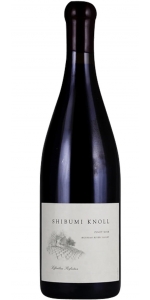
Shibumi Knoll Pinot Noir Sonoma Coast is made from 100 percent Pinot Noir, 20 percent in new French Oak.
Review:
“Moving to the reds, the 2021 Pinot Noir Sonoma Coast comes from the Riddle Vineyard in Sonoma and spent 10 months in 20% new French oak. Black raspberries, sappy herbs, spring flowers, and some black tea notes all give way to a medium-bodied, elegant, vibrant Sonoma Pinot Noir with supple, fine-grained tannins and a great finish. It will age, but it's too good to resist today.”
Jeb Dunnuck, 96 points
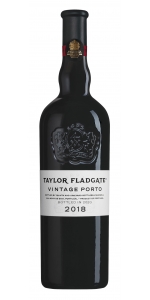
Taylor Fladgate Vintage Port.
On the palate, the wine has beautifully ripe tannins, which integrate perfectly into the mid-palate, providing both structure and volume, and then break out on the finish with a firm wiry, grip. The palate closes with a powerful tide of fresh, complex fruit flowing endlessly through the finish. In the 2018, the Taylor traits of fine fruit and inner power combine seamlessly with the ripeness and depth typical of the vintage.
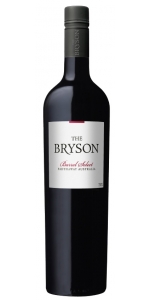
This limited release wine is created from the fusion of two exceptional parcels of 70% Shiraz and 30% Cabernet Sauvignon. This classic blend is matured in the finest oak crafting an intriguing unison that captures the essence of the vineyard and highlights its unique varietal expression.
Vintage Overview
2013 was a very good season with predominantly mild, dry days. Yields were generally low and this did result in some excellent parcels of fruit being harvested. Vine-balance was carefully monitored, resulting in fruit that demonstrates the vibrancy and fruit-derived characters that we strive for in our wines. By all accounts it was a textbook vintage.
Tasting Notes
Deep inky purple in color. Aromas of blackberry, mocha, mint and spices. Lush, ripe palate dominated by black fruits, cherry and chocolate. An expansive palate with black fruits and nicely balanced by oak.
Made with the greatest dedication and care, select parcels were matured in new and seasoned French and American oak for up to 20 months prior to being selected for this blend. Individual barrels from our family estate that best demonstrate the intensity of our fruit, balanced by integrated oak were selected for the final blend, which was then bottled with minimal filtration.
Pairs well with venison, ribeye steak, lamb.
Review:
70% Shiraz and 30% Cabernet Sauvignon. Fruit and oak combine here to produce a powerful, full-bodied red with coffee, toast, blackberry and rick plum flavours pouring through the palate. Tannin taps gently at the brakes: peppercorn and pine notes add lift: creaminess to the texture keeps everything running smoothly. Screwcap. 14.5% alc.
Halliday Wine Companion 2020 94 Points
Colored in pearlescent pale straw tones flecked with gold, our 2022 chardonnay from Russian River Valley’s cool Green Valley opens with a refreshing swirl of clover and fresh-cut alfalfa laced with spring blossoms around hints of white peach and citrus that open to crisp Fuji apple and warm baking spice. Apple notes carry through in the mouth over complex layers of crème caramel and butterscotch, all lifted with the bright energy of juicy acidity and savory oyster shell minerality. The rich, structured finish is touched with sea salt—the briny tension in elegant balance with a touch of new oak.
Green tint to the light yellow color. A very tight 2022 for this hot vintage, showing tension and focus. Medium- to full-bodied with super integrated tannins that show such length and intensity. It gives a beautiful nod to grand cru Burgundies of yesteryear. Love this. Drink or hold.
-James Suckling 97 Points
Technically from Green Valley of the Russian River Valley, the 2022 Chardonnay Ross Station Estate is a bright yellow green hue and comes from the Hudson Vineyard, which sits on pure Goldridge soils and includes some of the later ripening Calera clones. Aged 18 months in barrel, the wine has a Grand Cru-like richness and layered depth. In the glass, it shows off a wonderful bouquet of candied apple, honeysuckle, lemon oils, and almond. The palate is rounded, with a silky texture and great acidity that propels it through the palate to its long finish with notes of almond. This is an exceptional wine to drink over the next 10-12 years. 460 cases were produced. Drink: 2024-2036.
-Jeb Dunnuck 97 Points
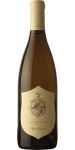
Hyde de Villaine Chardonnay Napa Valley Carneros Hyde Vineyard is made from 100 percent Chardonnay.
Star-bright vibrancy. Chiseled acidity and minerality focus the palate with flavors spanning lemon ice to dried mango and hazelnut. The purity of this wine showcases the coolness of the 2023 vintage. A captivating texture of precision and charm highlights this complexity offering.
Review:
This wine is truly excellent, showing a mineral-edged nose with pure energy and tension. Aromas of struck match, citrus blossoms, crushed stones and salted nuts. The palate is taut, with no hard edges and driving acidity that keeps you salivating for minutes. Closing in on perfection. Drink or hold.
-James Suckling 99 Points



