" We don't sell the wine without touching the vine "
| Country: | Spain |
| Region: | Rias Baixas |
| Winery: | Valminor |
| Grape Type: | Albarino |
| Vintage: | 2018 |
| Bottle Size: | 750 ml |
-150x300.jpg "Valminor Albarino Rias Baixas 2024")
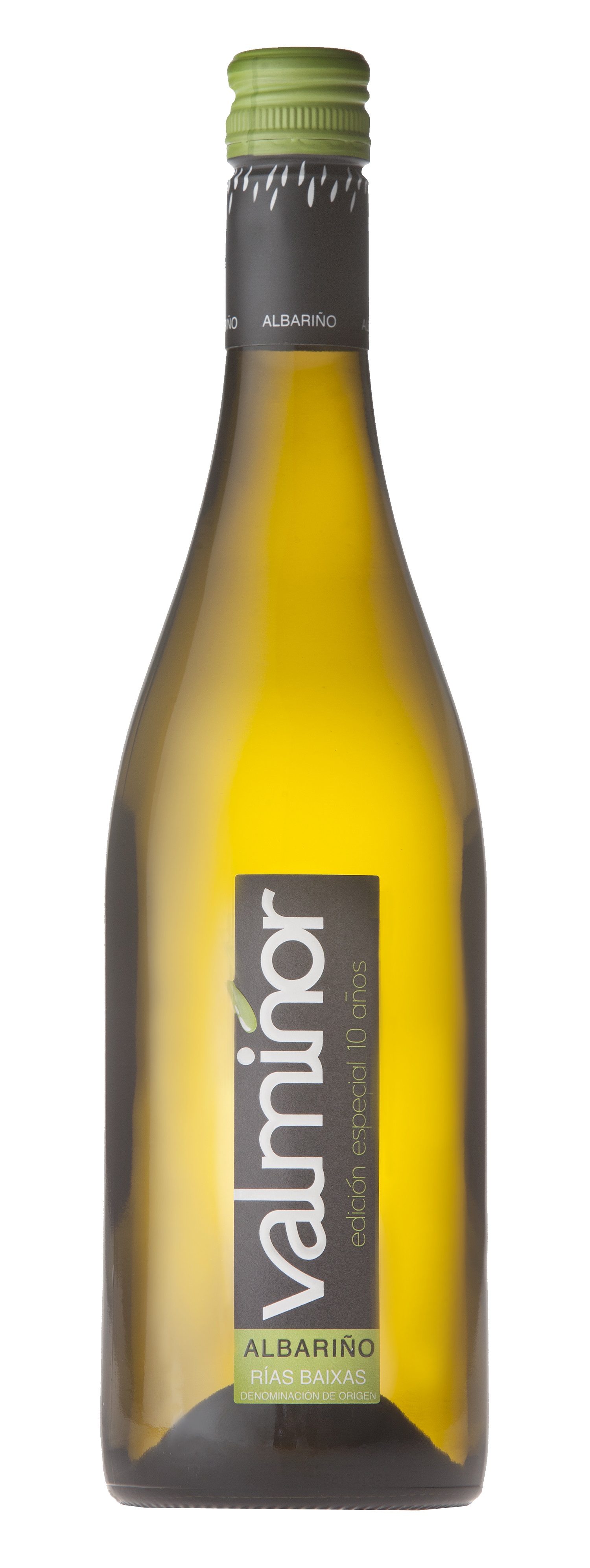
Valminor Albarino Rias Baixas is made from 100 percent Albarino.
Albariño is a Portuguese grape, native to the Miño River region, which separates Galicia & the Rias Baixas DO from Portugal. Albariño has a characteristic citrus aroma & high acidity.
Valminor Albarino presents a yellow straw color. On the nose, the wine shows a wide fruity range of aromas, with notes of fresh grapefruit, apricot and melon. In the mouth, Valminor combines fruity flavors and freshness with a rounded acidity, resulting in a balanced wine that boasts an opulent taste and slight spritziness.

Convento Oreja Memorias Reserva is made from 100 percent 100% Tempranillo.
The wine comes from a special vineyard at 950 meters altitude. The cuvee is called MEMORIA to pay tribute to good friends and great time spent together.
Deep cherry color. On the nose, the wine is elegant and well balanced with black fruits, reminiscent of vanilla and leather. Hints of spices, minerals and coffee. On the palate the wine is also well balanced and pleasant. Round and elegant with a long and pleasing aftertaste.
Pairs well with pastas, creams and soups. Likewise, these wines are ideal for more subtle and elaborate first courses, like a rice with lobster.
Ideal for grilled red meats and stews and game stews and for the typical roast lamb.
Review:
"Deep garnet to the eye, this wine has a nose of black cherry, cocoa powder and aniseed. A sense of fruit brightness permeates the palate alongside blackberry preserve, orange zest, clove, violet and milk chocolate flavors. Lingering brightness and velvety tannins make for a gorgeous, long-lasting finish. - Mike DeSimone"
- Wine Enthusiast (June/July 2023), 94 pts

When the founding fathers of the Napa Valley carved out new sub-AVAs (American Viticultural Areas) in the 1980s, Soda Canyon Ranch was not yet on anyone’s map. The vineyard is neighbored to the northwest and west by the winegrowing districts of Stags Leap District and Oak Knoll District, respectively, which were among the early pioneers of California Cabernet Sauvignon to attain global fame. To the northeast and southeast—and further off the beaten path—were Atlas Peak and Coombsville, thought to be the next frontiers for the emerging wine-producing region.
With richness and depth of flavor, the 2018 Timeless Napa Valley is the embodiment of patience and attention to detail. Decades of experience at Soda Canyon Ranch allow winemaker Nate Weis and team to highlight the individual merits of each block. Combining the strongest lots from each resulted in a refined and harmonious bottling.
In 2018, the diurnal shift at Soda Canyon Ranch produced a darker, lusher fruit profile of Cabernet Sauvignon. Simultaneously, the overnight recovery periods resulted in expressive and refined Merlot, giving the wine a pleasant profile of bright, red fruit. With an extended harvest window, the signature, plush density and structure of Petit Verdot is also prevalent in the final blend. Cabernet Franc thrived in 2018 with its predilection for the cooler soils and the climate of blocks 5, 6, 16, 20 and 21—areas we call the Transition Zone and Hardpan Alley. The variety’s floral and tobacco-like aromatics are accentuated, and its more aggressive nature for back-end tannins tamed.
Once blended, the 2018 vintage rested in French oak barrels for 16 months, developing flavors of vanilla and baking spice. Velvety tannins dance across the palate of bright and lingering cassis. With a smooth finish, this is a comforting wine of elegance and depth—a sophisticated expression of the sedate summer.
Review:
This is a little old-school and shows lots of dark berry, chocolate and dried fruit. It’s full, dense and layered with fleshly sensibility. Velvety texture.
-James Suckling 93 Points

It is hard to imagine with the Lithology range receiving 298 points out of 300 for the three single-vineyard wines, that there could possibly be a wine above them. But there is, and it is our Estate wine. Blended several times very intently by masters of their craft Philippe Melka and Michel Rolland, this is the ultimate expression of our house’s work. Positive, full-bodied, and quite powerful, there’s the expected crème de cassis and blackberry from St. Helena Cabernets, with mineral, herb, subtle tobacco and vanilla, plum skins, and pie crust, purple flowers, forest-conifer notes, and very fine tannic structure. It is a magnificent, and magnificently elegant expression of this house, and when asked recently, Monsieur Rolland stated plainly to me, “oh yes indeed – this is the best one, the best yet…”
Review:
The flagship 2018 Cabernet Sauvignon Alejandro Bulgheroni comes from a selection made by winemakers Philippe Melka and Michel Rolland, mostly from Rutherford and Oakville fruit. Aged 20 months in 78% new French oak, it has incredible aromatics of black and blue fruits, spring flowers, and graphite to go with a massive, full-bodied, concentrated style on the palate that somehow stays graceful, weightless, and elegant. This tour de force in Napa Valley Cabernet Sauvignon is guaranteed to put a smile on your face over the coming 20-25+ years.
-Jeb Dunnuck 99 Points

Alejandro Bulgheroni Lithology Beckstoffer Las Piedras Cabernet Sauvignon is made from 100 percent Cabernet Sauvignon.
From a St. Helena vineyard planted by early Napa settler Edward Bale more than 150 years ago, and later serving as the estate vineyard for the area’s first winery built by Henry Pellet in 1860, the Las Piedras site always gives us our prettiest wine. When placed next to Dr. Crane and To-Kalon wines, the Las Piedras show a certain elegance, with a very graceful entry and finely detailed complexity. We produce it with at least 75% new French oak, so there is a floral, spicy, and vanilla accent to the intense red and black fruits, cassis, and black cherry liqueur. What distinguishes this bottling is the beautifully fine tannins, delicate texture, and stunning purity. (Less than 100 cases made.)
Fermentation 70% Oak, 24% Concrete, 6% Puncheon
Review:
"The 2018 Cabernet Sauvignon Lithology Beckstoffer Las Piedras Vineyard comes from a world-class site outside of St. Helena and is all Cabernet that spent 20 months in 80% new oak. It offers a touch more red fruit as well ample cassis, spring flowers, loamy earth, and spice-like aromas and flavors. It has a wonderful sense of minerality, ultra-fine tannins, a dense, layered texture, and incredibly purity of fruit. It’s another just about off the charts release from this estate."
- Jeb Dunnuck 98 Points

Argot Chardonnay Sonoma County is made from 100 percent Chardonnay.
Pouring a green-tinted gold, our Sonoma County Chardonnay is a beautiful wine from word go. Radiating from within, a blast of apple/pear fruit informs this wine both aromatically, and on the palate. As flavors unfurl, a progression of orange blossom, pineapple, white peach, and hazlenut are followed by a finish dominated by ginger, baked apple, with a trailing kiss of mint’s freshness. A stunning wine — wholly informed by the perfection of 2018’s growing season — defined by its dichotomy of massively intense flavors, and superb acidity and freshness.
Raised by minimalistic methods, often associated with the classic Chardonnay winemaking techniques of Meursault. With a focus on the coolest Chardonnay region in Sonoma County, 2018’s long, even growing season favored our vineyards’ moderate climate, old vines and deep volcanic soils. These grapes were allowed an extended ripening period on the vine, resulting in perfect balance and concentrated flavors.
Valminor Albarino Rias Baixas is made from 100 percent Albarino.
A yellow straw color. On the nose, the wine shows intense fruity aromas of fresh grapefruit, apricot and melon. In the mouth, Valmiñor combines fruity flavors and freshness with a rounded acidity, resulting in a balanced wine that boasts an opulent taste with elegant aromas and slight spritziness.
Review:
"Green apples, green peppercorns, lemon zest and orange blossom. Bright and steely, this is a medium-bodied white which delivers a minerally palate with cutting acidity. Drink now."
- James Suckling (July 2019), 91 pts
The Valminor Estate
One of the newcomers, Adegas Valmiñor was founded in 1997 and is based in Rosal and boasts a new, ultramodern winery that produces 25,000 cases yearly of 100% Albariño "Valmiñor". (Note: “Adegas” means “bodegas” [winery] in the local Galician dialect). Owner, Carlos Gomez, makes about 3 different white wines, but Albariño is his speciality.
Carlos Gómez started Valmiñor in 1997 and headed up the project to build and open the new facilities in 2001. A trained executive with extensive experience in the wine business, Carlos founded Valmiñor and has since continued to expand the group's capacity to include Bodegas Ebano in Ribera del Duero in 2004, and more recently acquired a second Rías Baixas producer, Viñas o Torroxal. Today the group also includes a distribution company, as well as an agricultural services organization.
he winemaker Cristina Mantilla has been working as Valminor's winemaker since the very beginning in 1997. She obtained a Chemical Degree at the prestigious University of Santiago de Compostela and post-graduated in Oenology and Viticulture in Madrid. She started working in Rías Baixas but as her experience grows she also works beyond the Galician borders. In 97 Carlos Gómez founded the winery and Cristina Mantilla decided to join and give birth to a new and dynamic project with a very clear idea in mind.
Cristina has been the sole winemaker from the very first vintage of all the wines elaborated at Valminor and the bodega in Ribera del Duero, EBANO.
Cristina has furthered her carreer by producing white wine from 100% Loureiro grapes (skin contact versions) and she made the first ever Rosé style wine in Galicia. She is definitely a pioneer in making unique wines in Galicia.
The Valminor Vineyards
Galicia has a mild climate without dramatic changes in the weather, a soil rich in minerals and excellent conditions for maturing and it makes this valley the perfect place for growing quality varieties like Albariño, Loureiro and Treixadura.
Adegas Valmiñor owns 34 hectares in O Rosal, and uses purchased fruit from two prime growing areas: 40% Cambados and 60% Arbo fruit (a unique micro-climate that is a touch warmer than other areas). The Cambados region is located on the coast and provides acidity and freshness to the wine. Together the two fruit sources make a superb blend. Valmiñor means "minor valley" and today Valmiñor has built a new winery in O Rosal.

La Jota Vineyard Merlot Howell Mountain is made from 100 percent Merlot.
Sourced from vineyards with pedigrees dating back to the 1800s, this wine continues to carry the torch of Howell Mountain’s greatness. e aromatics are lifted with plum, huckleberry and minerality leading the way. Bittersweet chocolate and dried herbs add the punctuation to an incredibly long balanced finish.
-Wine Spectator 95 Points
In general, 2018 was a great vintage for this variety, and the deep purple-hued 2018 Merlot is stunning stuff. Lots of cassis, candied violets, scorched earth, and graphite notes give way to a medium to full-bodied, beautifully textured, elegant 2018 with polished tannins, no hard edges, and a great finish. It’s going to evolve for 15 years or more.
- Jeb Dunnuck 95 Points
- James Suckling 95 Points

Mortet Bourgogne Passetoutgrain is mae from 60% Gamay and 40% Pinot Noir
Aged 11 months in Neutral French oak barrels.
12% ABV
Malolactic fermentation in barrel.
Slight filtration before bottling.
Bourgogne Passetoutgrains is an Appellation d'origine contrôlée (AOC) for wine from the region of Burgundy.
Most Bourgogne Passetoutgrains is red, although rosé wine may also be produced. Unlike other Burgundy wines, which are
primarily produced from a single grape variety, Bourgogne Passetoutgrains is essentially a cuvée of Gamay and Pinot noir.
This is a quintessential bistro wine. Fresh and fruity, displaying red and black fruit flavors. Well balanced, good structure and silky finish with excellent length. Serve slightly chilled.
Oeufs en Meurette (poached eggs served in a red wine sauce with onions and lardons).
Boeuf Bourguignon (beef cooked in red wine with carrots and patatoes).
Pizza and pasta.