" We don't sell the wine without touching the vine "
Bright and glossy ruby red in color. On the nose it reveals aromas of small fresh berries and a trace of sour cherry, melded with hints of blackberries and black cherries, followed by a hint of vanilla. A fragrant wine with satisfying intensity. On the palate it is warm, smooth and a medium-bodied with finely-balanced tannins. Dry and sinewy yet fresh with a persistent, aromatic finish.
It naturally accompanies dishes that are typical of Tuscan cuisine with its bold, authentic flavors, such as pasta and risottos made with mushrooms or truffles, pork, grilled meats and medium-matured cheeses.
Review:
Notes of ripe cherries, dried flowers and walnuts with hints of anisette and licorice. Medium- to full-bodied, compact and dense with creamy tannins and steady acidity. Weighty and structured. Drink or hold.
-James Suckling 91 Points
On the nose there are fresh and intense aromas of black fruit with spicy notes.
On the palate, the flavor of black fruits (cherries and blackberries) is balanced by ripe, soft tannins with an intense and long finish.
Pair as digestive or pairing with strong cheeses and dark chocolate desserts.
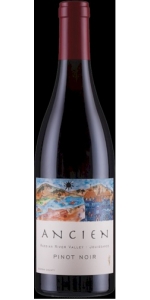
Ancien Pinot Noir Russian River Jouissance is made from 100 percent Pinot Noir.
Jouissance is sourced from the single vineyard established and farmed by Mark Lingenfelder at his home estate. Mark’s decades of experience as a vineyard manager and consulting viticulturalist have provided him the depth of experience to reach the pinnacle at his own property. Having worked with storied wineries over the years, we are grateful our paths have crossed enabling us to work with him for our Russian River designate. He tends the vines himself while relying on neighbor Lee Martinelli to provide additional help at the peak times. We work with a mix of Pommard and Dijon 667 vines from his oldest and youngest blocks – aged wisdom combines with youthful vigor!
The 2021 growing season was a welcome success after a more varied and challenging 2020. The vines came on with aplomb, demonstrating the rich fruit concentration we expect – even if the crop was meager. The ongoing drought in California served to further accentuate the character and concentration of the fruit. While warmer conditions have prevailed in other areas, the coastal areas of California continue to benefit from the maritime influence and moderating influence that it brings.
We fermented in our one ton, open-top tanks after filling by gravity. A warm fermentation with a combination of native and isolated Burgundian yeasts produced excellent and focused flavor extraction, complemented with traditional punch-downs by hand. The wine was aged entirely in Francois Freres cooperage, 40% new, and racked once, gently, prior to bottling. Grapes, must, and wines were moved using gravity through to the barrel and using inert gas through racking and bottling. 151 cases produced.
Bright fruit notes dominate the aromas with bright cherry, plum, and boysenberry underlaid by allspice and clove. On the palate the wine is liquid velvet, it’s silkiness segueing into a burst of fruit and spice that rides high on the palate while gradually opening to deeper berry, tea, and baking spices. It is a refreshing and lively Pinot Noir in its youth that will continue to fill out in depth and complexity over the next 2-5 years.
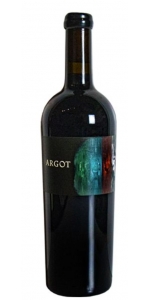
Among the tapestry of historic vineyards in Napa Valley, there are a few standout names, but even fewer sites, if any, involve the rare combination of legendary wine, romance, and a touch of mystery. Bonny’s Vineyard is such a place. This four-acre vineyard in the Oakville District is both a special piece of land and a unique part of Napa history. It was planted in 1974 by Justin Meyer, the winemaker and co-founder of Silver Oak Cellars, as a gift to his wife, Bonny. Ideally situated in a gravelly spot adjacent to Conn Creek on the valley floor, Bonny’s Vineyard was responsible for a memorable string of Silver Oak vintages over the course of two decades.
Justin Meyer stopped producing the Bonny's Vineyard designate after the 1991 vintage. After replanting in 1999, the family has again decided to make a single vineyard bottling. True to the orignal, this is 100% Cabernet Sauvignon aged in 100% American oak barrels for almost 3 full years. The nose exhibits dark fruit aromas of cherry and plum mingling with cedar and cardamom and a hint of eucalyptus. The palate is the heart of this wine, with concentrated fruit on the entry and luscious, silky tannins filling the mouth with an almost endless finish.
As distinct and impressive a terroir as we farm in the Napa Valley. The rocky, gravel-rich soils contribute a distinct sauvage/mineral character, creating a stunning complexity to play off of Cabernet’s natural robust and fruit-driven personality from Oakville. In 2021 Argot added a new vineyard block to our holdings at Bonny’s. Deeper gravel and the famously low-yielding Disney clone conspire towards awesome complexity, and a deeply mysterious, brooding personality. A wholly different Cabernet from its 2021 siblings that you will not want to miss. Only 150 cases produced.
Review:
"Opaque purple-black colored, the 2021 Cabernet Sauvignon Bonny's Vineyard prances out with showy scents of Morello cherries, wild blueberries, and black raspberries, leading to a core of black currant jelly and violets. The full-on, full-bodied palate is densely laden with black and blue berry layers, framed by fine-grained tannins and well-knit freshness, finishing long and earthy."
- 97 Points, Lisa Perrotti Brown, The Wine Independent
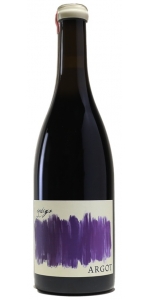
Argot Indigo Syrah is made from 100 percent Syrah.
The color of exaltation, opulence and elusiveness. The Indigo pigment has held sway over the heads and hearts of humans for centuries. Each vintage we honor this legacy by creating a Syrah which captures the might, richness and intrigue of the ‘Indigo’ legend. Profound, captivating and endlessly intriguing. Delicious.
Review:
The single-varietal 2021 Indigo Syrah is deep garnet-purple in color. Notes of plum preserves, fruitcake, and licorice jump from the glass, with nuances of rose oil, cardamom, and cumin seed. The full-bodied palate is concentrated and plush, with bright acidity to balance and a long spicy finish.
-Wine Palate 96 Points
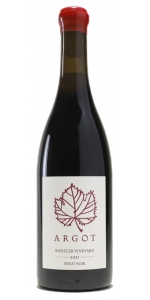
Argot Pinot Noir Kanzler Vineyard is made from 100 percent Kanzler.
Pinot Noir finds its nirvana tucked away in the Goldridge soils and rolling topography of the cool and foggy Sebastopol Hills. Kanzler is one of Sonoma’s undisputed Grand Cru sites. This terroir produces deeply fruited wines with dazzling spice-box complexities, wonderful acidity and undeniable focus and freshness. A masterclass in Pinot Noir.
Review:
The 2021 Pinot Noir Kanzler Vineyard is deep ruby-purple in color. It explodes with bombastic scents of juicy blackberries, black raspberries, and tar with nuances of cracked black pepper, espresso, and crushed rocks. The full-bodied palate is laden with black fruit preserves flavors and savory nuances, framed by fine-grained tannins and lovely freshness, finishing long and spicy.
-Wine Palate 95 Points
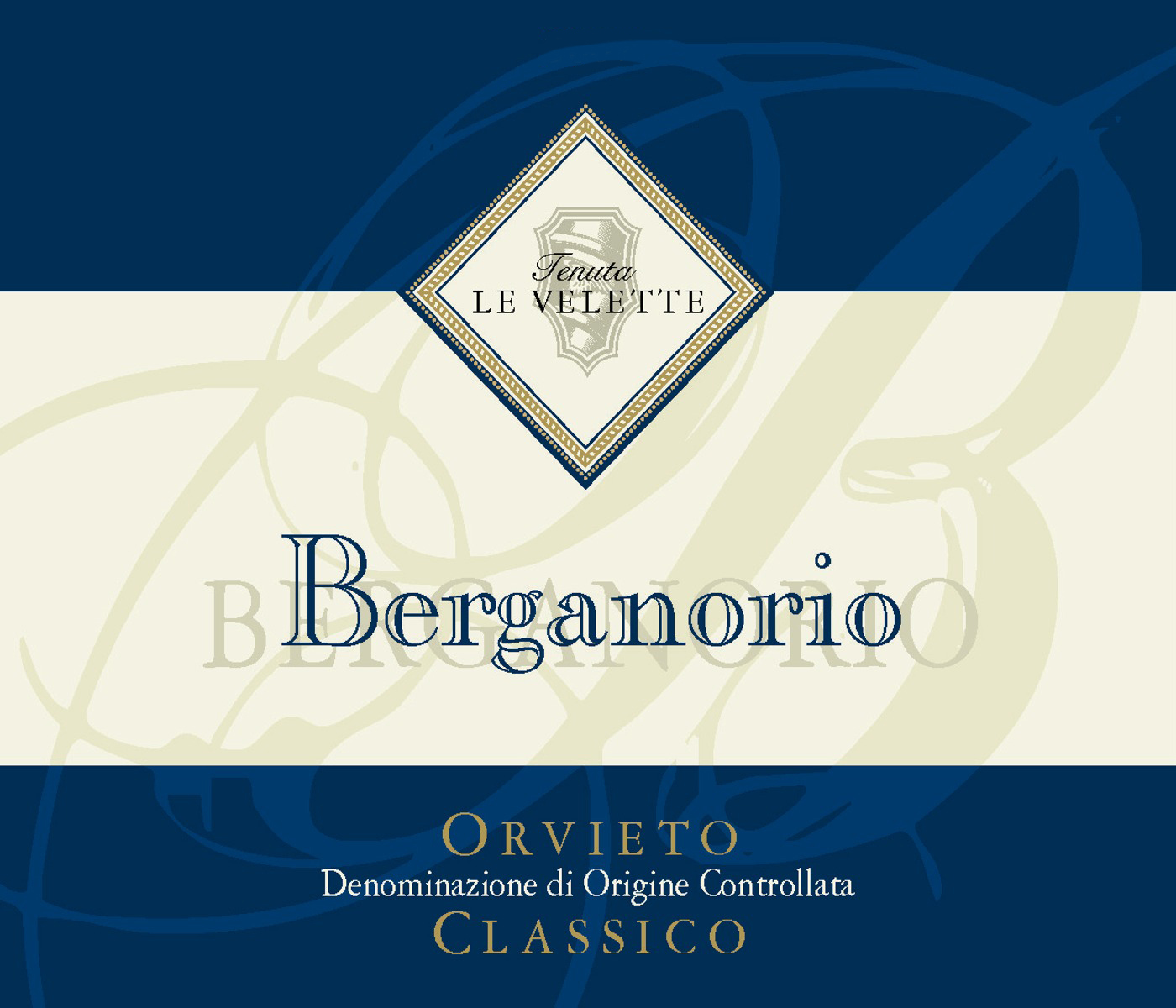
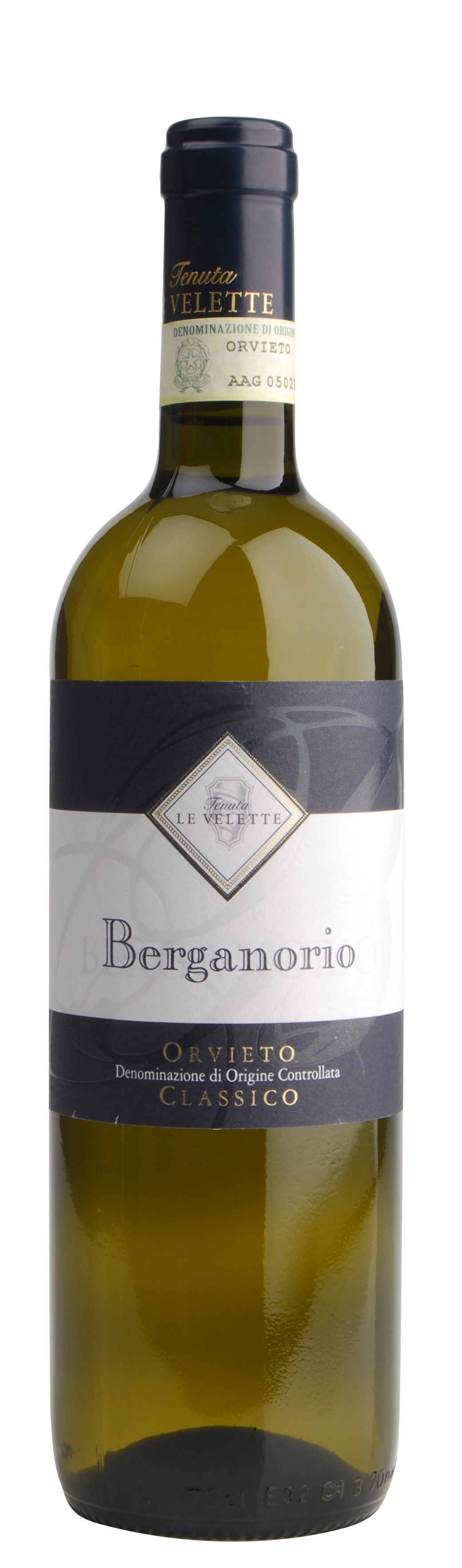
Velette Orvieto Secco is made from 30% Trebbiano, 30% Grechetto, 20% Malvasia, 15% Verdello and 5% Drupeggio.
The result of centuries of devotion, selection and experience, this wine is the taste portrait of this area: cool as the air on the Orvieto rock, soft as the surrounding hills, direct, frank, open and sincere like the local people. Brilliant, pale straw-color with emerald reflections. The bouquet is ntense and filled with fresh fruit and floral nuances. In the palate, complex nuances of lemon, lime and apricots with a beguiling roundness and a fruity finish with a touch of bitter almond.
Origin of the name: A tribute to the three families of workers who were responsible for the farms on this hillside from the early 19th century and who have cultivated the grape varieties of Orvieto D.O.C. for generations.
Pairs with vegetables, fish, seafood, fresh and aged cheeses.
The Tenuta Le Velette Estate
The hill on which the Le Velette estate is situated, to the east of the rock on which stands Orvieto, has always been a point of great agricultural and strategic interest in the course of its three thousand year history. The position, controlling a good part of the valley of Orvieto, the volcanic terrain exposed to the sun from dawn till dusk, and the special microclimate with significant thermal swings between night and day have always been its good fortune.
The first to see its great wine-growing potential were the Etruscans, the people who had already in the 7th century B.C. imported the vine from the Greeks. They certainly used the hill as a rural settlement for its cultivation and dug grottoes in the tufo rock, (just as we still do today), which offered excellent conditions for wine conservation. During Roman times, the hillside kept its wine-making role but developed significantly also as a strategic check point: right in the middle of the present estate, where Villa Felici stands today, a control tower was built and a resting-place for travellers, which led to significant development in the area.
After a difficult period of barbarian and Longobard invasions, the area regained great importance as papal state land. In this period the Etruscan grottoes were extended and became a safe refuge and place of worship for the first monks who settled there soon after.
With the advent of feudalism, the area passed into the hands of the Negroni counts, feudal lords of a nearby village, preserving its wine-making function for centuries before being given in endowment to a monastic order by a descendent who had become an abbot.
At the unification of Italy everything went to the city of Orvieto, which sold the estate to the Felici family. And so began the first experimentations in the vineyard and the cellar which led in very few years to the production of excellent wines, as is testified by the medals won in that period in Roman oenological competitions. The estate's wine went into commerce in the new-born Italy.
The fundamental step towards modern viticulture and oenology was taken in the 1950s when the brilliant Tuscan agronomist, Marcello Bottai, and his wife Giulia, a descendent of the Felici family, chose to make the estate their home and life project. This was the start of a period of development geared to a proper appreciation of the full potential not only of the firm but also of the whole district. The production of high quality wines was established along with the setting up of systems for the development and protection of Orvieto viticulture. A fundamental move was the foundation with other producers of what would become the present consortium for the safeguard of Orvieto wines. An absolutely innovative vision for the times that the young couple not only had had the wit to conceive but which they also had the courage and determination to bring into existence.
The Tenuta Le Velette Vineyard
They carefully and selectively harvest from their own 90 hectares (222 acres) of vineyards. The excellent exposure provides all day sun and the rich tufaceous soil is of volcanic origin.
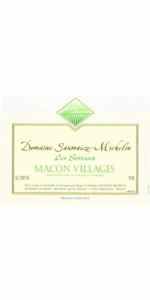
Harmonious, fresh and clean aromas of fresh apple, lemon, orange blossom, white flower. Pure, crisp, silky and fine texture. Ripe fruit flavors and good acidity.
The vines are 40-45 years old of age on average. All of the wines are 100% barrel fermented and 100% M-L fermentation
Excellent with poultry served with a creamy sauce. (The locals enjoy it with Poulet de Bresse / Bresse Chicken).
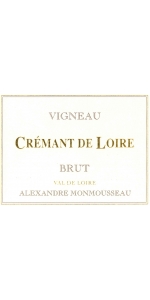
Made from 50% chenin blanc and 50% chardonnay
It is an interesting experience as a sparkling wine for people who want to have a fine and elegant wine comparable to Champagne for a very good price.
This methode traditionnelle sparkling wine is aged for minimum 18-24 months in cave before disgorging. The dosage is 12 g/l residual sugar and the wine is aged for minimum 3 months after disgorging .
Review:
"The two sparkling wines should not be missed. They're both terrific examples of how good sparkling Vouvray can be. Both are 100% Chenin Blanc cuvees. Even better is the slightly richer, more honey and lemon-scented and flavored non-vintage Cremant de Loire. A blend of equal parts Chenin Blanc and Chardonnay aged for a minimum of 18 to 24 months in their cellars before disgorgement, this is a real beauty and a superb wine. Unfortunately, just under 100 cases are imported to the United States." -Wine Advocate 92 pts

Fefinanes Albarino de Albarino is 100 percent Albarino
Fresh fruit aromas of apricot and peach slices with notes of lemon and green apple. Pretty notes of honey and wet nutmeg, and the mouth is round, clean, and pleasant with baked apple, honey, and lemon.
This is a classic Albariño which is good young, but actually improves over two to three years and remains quite drinkable for up to five years. Owner Juan Gil comments that the wine really starts to come into its own in June/July, and he actually prefers it 18 or more months after it's made. A Fefiñanes "vertical" of three or four vintages can provide some most interesting surprises.