
" We don't sell the wine without touching the vine "
| BUY MORE! SAVE MORE! | ||||||||||||||||||||
|
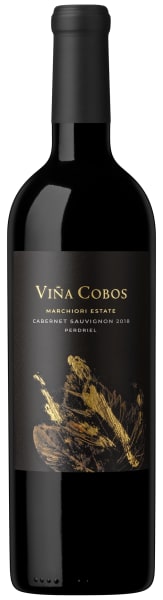
| Country: | Argentina |
| Region: | Mendoza |
| Winery: | Paul Hobbs |
| Grape Type: | Cabernet Sauvignon |
| Organic: | Yes |
| Vintage: | 2018 |
| Bottle Size: | 750 ml |
Deep color of violet and black tones. On the nose, it shows aromas of black tea, violets, blueberries and dark berries. It presents freshness, fine grain tannins and minerality on the palate.
“The true character of a site is only revealed through the work and determination of tending each vineyard with meticulous care and vinifying with minimalist winemaking techniques that fully express the terroir.” – Paul Hobbs
In 1991, pioneering winemaker Paul Hobbs established Paul Hobbs Winery. The Paul Hobbs Katherine Lindsay Estate in Sebastopol, California, purchased in 1998, would later be the site of his Howard Backen designed winery, completed in 2003. The winery exemplifies his vision and dedication to sustainability and his on-going quest to refine the art of winemaking with minimal intervention, yet meticulous care. Our vineyard designate and appellation wines are a pure expression of our interaction with nature and place, featuring Chardonnay (Russian River Valley, Sonoma Mountain), Pinot Noir (Russian River Valley, Sonoma Coast, Carneros) and Cabernet Sauvignon (Napa Valley).
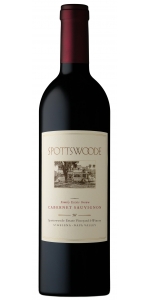
Young and present, this is an energetic and bold expression of violets, lavender, and cassis mixed with dark chocolate, cherry, plum, and graphite. A wine happy to be tucked away in the cellar, and it’s also expressing itself beautifully now.
Review:
Lovely fragrant blackberry and black cherry fruit, cassis, and rich tobacco spices with lovely fresh earth notes and a sweet kiss of new wood cedar. Incredibly concentrated dark berry fruit with fabulously angular tannins with smooth long beams with crisp edges. Purple florals, dried sagebrush, and chocolate shavings with lids of graphite and deep iron-like mineral character. And a finish of dark saturated fruit that goes and goes for days. There are purple floras too. Polished and bright, with vivacious acidity and freshness evident from the sip to the finish. Wow, this wine.
-Decanter 98-100 Points
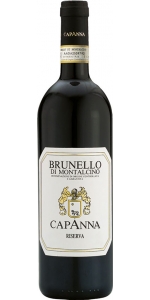
Capanna Brunello di Montalcino Riserva is made from 100 percent Sangiovese.
TYPE: DOCG
BLEND: 100% Sangiovese carefully selected in the oldest vineyards and only of the best harvests.
VINIFICATION:
Alcoholic fermentation with maceration of the skins (30-35 days) at a controlled temperature and spontaneous malolactic fermentation, both in truncated cone-shaped Slavonian oak vats.
AGEING:
In Slavonian oak casks of 10 to 25 hl for over 40 months; followed by ageing in bottles for at least 15 months.
NOTES:
Colour: deep ruby red, strong, lively.
Bouquet: very intense and complex, fruity and spicy, with red fruit, jam and liquorice shades; great prospects of future development.
Taste: great structure in the acid-tannin components, well supported by the soft ones; extremely persistent.
Food pairings: roast red meats, game and very aged cheeses.
Review:
Bright ruby in the glass. First impact is low key, with red cherry, leather, tobacco, fresh violet and balsamic notes. The attack is velvety, with a full body, lifted acidity and dense, ripe tannins. Character emerges from the glass, meaty and bloody. Thick, dry finish that’s fierce. Drink or hold
-James Suckling 95 Points
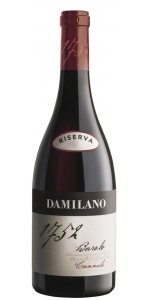
“1752” is the name of the Damilano Barolo Cannubi Riserva, in honor of the year in which the historic bottle was first marked “Cannubi”. It still exists today perfectly conserved by the Manzone family in Bra, close to Barolo. The bottle is clearly marked as being of “1752” vintage, indicating that Cannubi historically precedes Barolo.
About the Vineyard:
The Cannubi Cru is in found within one of the 6 core zones which comprise a UNESCO heritage site in Italy. A mixture of Tortonian and Helvetian calcareous marl gives the grapes intense aromas of cherry, plum and tobacco, rose and violet in sequence. Its low potassium and high calcium/magnesium content offer the wine a fine and polished touch. The vineyard is located at about 270 m. a.s.l. and has a south-east sun exposure. Barolo Riserva Cannubi 1752 It is a small plot of about 2 hectares of Nebbiolo vines, currently between 30 and 50 years of age.
Tasting Notes:
Garnet ruby red in color, the bouquet is intense and balanced, with notes of violet, red fruit, cherry and plum, spices, liquorice, cocoa, leather and tobacco. Dry, robust, full-bodied, very persistent, rich and velvety
Food Pairing:
This wine is excellent with typical piedmontes pasta (tajarin, ravioli); perfect with red meat, braised and roast meat, game and absolutely ideal with all types of cheeses.
Review:
“Incredible, reserved ripeness and depth already evident on the nose after one whiff, offering plum, cedar, rose hip, sandalwood, and licorice. Full-bodied with superb depth of fruit and an abundance of polished tannins that give the wine poise and grace, even though it’s long and powerful. The quality of the tannins are exceptional. Sheer and refined. This comes from the center of Cannubi.”
-James Suckling 99 Points
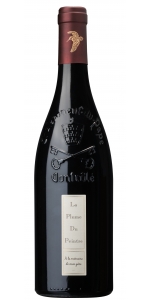
a Plume du Peintre - "feather of the painter" - wines (Lirac, Chateauneuf-du-Pape and Tavel) are only made in select years representing outstanding quality.
Deep ruby red, opaque. Aromas of red fruits, mocha, touches of leather, black truffles and coffee. Fat, very concentrated and full flavored, with an infinitely long liquoriced and fruity finish.
Pairs well with red meats, sauce dishes, game animals (woodcock, wild boar) and semi mature cheeses.
Review:
"Lastly, and a tiny production cuvée based on 100% Grenache brought up in new barrels, the 2019 Châteauneuf Du Pape La Plume Du Peintre reveals a saturated, almost inky purple color as well as a mammoth-sized bouquet of black currants, bloody meats, lead pencil, tobacco, chocolate, and crushed stone, it nevertheless has notable purity, a full-bodied, layered, seamless texture, no hard edges, and a thrilling finish that offers more and more minerality. with time in the glass. You don't see wines like this often today, but this is a singular, heavenly Grenache that's going to need 4-5 years of bottle age and live for 30-40 years if stored correctly given its concentration, structure, and purity. Hats off to the team at Domaine de la Mordorée for continuing to push the envelope and making incredibly singular wines!”
- Jeb Dunnuck (November 2021), 98+ pts
“1752” is the name of the Damilano Barolo Cannubi Riserva, in honor of the year in which the historic bottle was first marked “Cannubi”. It still exists today perfectly conserved by the Manzone family in Bra, close to Barolo. The bottle is clearly marked as being of “1752” vintage, indicating that Cannubi historically precedes Barolo.
About the Vineyard:
The Cannubi Cru is in found within one of the 6 core zones which comprise a UNESCO heritage site in Italy. A mixture of Tortonian and Helvetian calcareous marl gives the grapes intense aromas of cherry, plum and tobacco, rose and violet in sequence. Its low potassium and high calcium/magnesium content offer the wine a fine and polished touch. The vineyard is located at about 270 m. a.s.l. and has a south-east sun exposure. Barolo Riserva Cannubi 1752 It is a small plot of about 2 hectares of Nebbiolo vines, currently between 30 and 50 years of age.
Tasting Notes:
Garnet ruby red in color, the bouquet is intense and balanced, with notes of violet, red fruit, cherry and plum, spices, liquorice, cocoa, leather and tobacco. Dry, robust, full-bodied, very persistent, rich and velvety
Food Pairing:
This wine is excellent with typical piedmontes pasta (tajarin, ravioli); perfect with red meat, braised and roast meat, game and absolutely ideal with all types of cheeses.
Review:
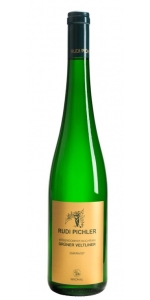
Rudi Pichler is among the elite growers of the Wachau producing wines of precision, power, and longevity. Grüner Veltliner and Riesling make up 95% of the production with the remaining 5% shared between Weißburgunder and Roter Veltliner. Rudi Pichler belongs to the prestigious Vinea Wachau and vinifies under the strict parameters of their codex.
Yields are kept low between 30 and 35 hectoliters per hectare with botrytis carefully removed by hand. Grapes are crushed by foot and receive between three and 36 hours of maceration on the skins. Vinification is entirely in stainless-steel tanks and malolactic fermentation is avoided.
Hochrain, a name meaning "high place," is a southeast-facing terraced vineyard in Wösendorf sitting between 200 and 300 meters of elevation. The vineyard consists of an unusually high content of loess, a mineral-laden soil that produces wines that are especially broad and rich.
Review:
“A stunning wine for this grape that is also rather easy to understand. The Reine Claude plum and peppery nose is complex, but already charming. As exciting as the simultaneously creamy and succulent mid-palate is, what makes this medium- to full-bodied gruner veltliner really stand out is the extremely long, crushed rock finish.”
James Suckling 96 Points
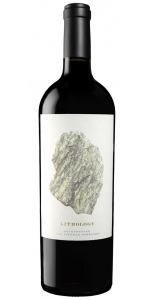
Alejandro Bulgheroni Lithology Beckstoffer Las Piedras Cabernet Sauvignon is made from 100 percent Cabernet Sauvignon.
From a St. Helena vineyard planted by early Napa settler Edward Bale more than 150 years ago, and later serving as the estate vineyard for the area’s first winery built by Henry Pellet in 1860, the Las Piedras site always gives us our prettiest wine. When placed next to Dr. Crane and To-Kalon wines, the Las Piedras show a certain elegance, with a very graceful entry and finely detailed complexity. We produce it with at least 75% new French oak, so there is a floral, spicy, and vanilla accent to the intense red and black fruits, cassis, and black cherry liqueur. What distinguishes this bottling is the beautifully fine tannins, delicate texture, and stunning purity. (Less than 100 cases made.)
Fermentation 70% Oak, 24% Concrete, 6% Puncheon
Review:
"The 2018 Cabernet Sauvignon Lithology Beckstoffer Las Piedras Vineyard comes from a world-class site outside of St. Helena and is all Cabernet that spent 20 months in 80% new oak. It offers a touch more red fruit as well ample cassis, spring flowers, loamy earth, and spice-like aromas and flavors. It has a wonderful sense of minerality, ultra-fine tannins, a dense, layered texture, and incredibly purity of fruit. It’s another just about off the charts release from this estate."
- Jeb Dunnuck 98 Points
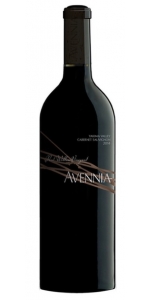
Avennia Red Willow Cabernet Sauvignon is made from 100% Cabernet Sauvignon.
The Red Willow Cabernet is a true blockbuster.
Coming from one specific block of 30 year old vines at this iconic vineyard, then strictly barrel selected, this is the essence of powerful, old vine Washington Cabernet. After all of our efforts promoting the idea of the Bordeaux blend, it would take a pretty compelling argument to suspend that idea and make a 100% varietal Cabernet. In 2016 Red Willow provided us with just that. Each time we tasted it in the barrel, the belief grew that this was something special. Something we can't make every year. In the end we were won over, and decided to make a limited amount of this wine. But don't be fooled, as this too is a blend and a selection. Each year as we are tasting the grapes as harvest approaches, we notice that the vines near the bottom of this long, steep west-facing slope, are a little different. The vines at the bottom are in a little richer soil, and get a little more water, so we pick them separately, sometimes even a week or ten days apart, and keep them separate in barrel.
This wine is all from the top of the vineyard, with its lower yield and poorer soils giving more concentration and interest. Then further, nearly every combination of new and used French oak barrels were trialed to find the best blend. It's not enough just to use the four best barrels, but to trial each combination to see how they complement each other. For a wine with this much mass, 100% new French oak was used for the first time at Avennia. It is a wine that needs a little cellaring to start, but should last a very long time.
Review:
The flagship Cabernet, the 2018 Cabernet Sauvignon Red Willow Vineyard is all varietal, from old vines in a great vineyard in Yakima Valley, that spent 20 months in 80% new French oak. It reveals a deep purple hue as well as a backward, brooding nose of smoked blackcurrants, tobacco, scorched earth, and violets. It has beautiful richness yet takes plenty of coaxing to open up. On the palate, it's medium to full-bodied and has a nicely textured, balanced mouthfeel, plenty of tannins, and outstanding length. It's mostly potential at this point and is going to benefit from at least 4-5 years of bottle age, but my money is on it having 20+ years of prime drinking.
-Jeb Dunnuck 96 Points
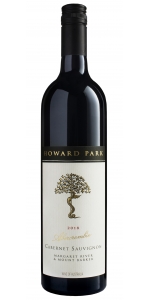
Howard Park Abercrombie Cabernet Sauvignon 100% Cabernet Sauvignon.
The 2018 Abercrombie reflects the highs that can be achieved in a superb vintage when thoughtful and deliberate winemaking combine with exceptional vineyards. The color is a vivid, deep ruby, tingeing purple and betraying the wine's youth. The bouquet evolves in a measured fashion as the wine slowly aerates, filling the glass with textbook Cabernet perfume of powerful dark fruits, rubbed bay leaf, cedar, coffee beans and vanilla. Intensity and purity of fruit is the standout feature, and this transmits seamlessly to the palate, where the profound structure and effortless length also take centre stage. The harmony of rich fruit, clean and vibrant acidity and fine, abiding tannins speak to the beguiling nature of this young wine and the glorious future that awaits its patient custodians in ensuing decades. This is true West Australian Cabernet.
Named for Walter Abercrombie, the much loved Great Grandfather and mentor of Jeff Burch, the owner of Howard Park Wines, this is Howard Park's finest Cabernet Sauvignon.
Howard Park’s winemaking philosophy is to craft elegant, age-worthy wines from our best sites in the Margaret River & Great Southern regions of Western Australia. Critical site selection, meticulous viticultural practice and detailed winemaking underline each Icon wine.
Review:
This is really fine with such polished and manicured fruit and tannins that deliver a thoroughly refined and beautiful palate with sweet dark fruit, from currants to blackberries. Long, long finish. Hard not to drink now. But one for the cellar. Try after 2025.
-James Suckling 97 Points
Laird Cabernet Sauvignon Flat Rock Ranch is made from 100 percent Cabernet Sauvignon.
Laird's Flat Rock Ranch vineyard is located near the north corner of where Yountville Cross Road meets Silverado Trail, on State Lane. This prized, complex fruit from the Yountville Appellation is a result of unique geological and meteorological conditions: volcanic soils similar to the adjacent Stags Leap District, but also display ancient coastal deposits, and sedimentary and alluvial soils that provide beneficial stress for our vines. Marine air currents from San Pablo Bay to the south are caught when they reach the "Yountville Mounts," providing a natural cooling effect that balances warm, sunny days that ripen the rich tannins of our hallmark Cabernet Sauvignon to elegant distinction.
Bold violet-red color introduces a captivating bouquet of blueberries, tea leaf, and vanilla. This full-bodied wine has flavors of cassis, hazelnut and briary undertones with fresh acidity and chewy tannins on the palate
Review:
"The 2018 Cabernet Sauvignon Flat Rock is laced with crème de cassis, menthol, lavender, spice and blueberry jam. Inky and plush, the 2018 also has quite a bit of energy backing it all up. The 2018 is a gorgeous wine from Laird.- Antonio GALLONI"
- Vinous (The 2019 Napa Valley Cabernets: A Deep Dive, January 2022), 93+ pts
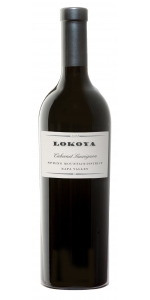
Lokoya Spring Mountain Cabernet Sauvignon is made from Napa Valley Cabernet Sauvignon.
Review:
The 2018 Cabernet Sauvignon Spring Mountain District is a monster of a mountain Cabernet that has a primordial bouquet of blackcurrants, smoked earth, chocolate, and graphite. While Spring Mountain wines tend to be more aromatic and complex right out of the gate, that’s not the case here, and this is going to need bottle age to round into form. Full-bodied on the palate, with a rich, concentrated mouthfeel, it has serious tannins, notable purity of fruit, and a great finish. With air, it picks up more and more classic Spring Mountain floral and exotic notes, and it’s flawlessly balanced, with gorgeous tannins and a great, great finish. This is a brilliant wine in the lineup and unquestionably one of the true gems from Spring Mountain in 2018. Give bottles 4-5 years and enjoy over the following 2-3 decades.
-Jeb Dunnuck 98 Points
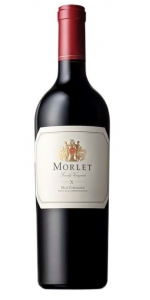
Morlet Family Vineyards Mon Chevalier Cabernet Sauvignon is made from Cabernet Sauvignon (86%) Cabernet Franc (8%) Merlot (3%) Malbec (2%) Petit Verdot (1%) .
Located on the hillsides of Knights Valley, near Calistoga, this vineyard benefits from its proximity to Mount St. Helena, whose warm and windy climate is ideal for the long ripening of the Bordeaux red varietals. Handcrafted by using classical winemaking techniques, this special wine is dedicated to our son, Paul Morlet.
Dark red with a hue of purple. Intense and complex bouquet of red, black and blue berries intermixed with notes of blueberries, minerals (graphite, wet river rocks) licorice, fresh blond tobacco and a hint of lavender. Full bodied, the palate is reminiscent of the nose, with a richly tannic yet round frame and a great intensity. The hillside tannins and the classical aromatic complexity create a harmonious ensemble, leading to a very long and elegant finish. Built to age for decades, this collectible wine opens up after a few years of cellaring and is particularly representative of this special vineyard from the hillside of Knights Valley. Mon Chevalier features the interaction of the loamy, well drained and rocky volcanic soil, the typical sunny mountain climate and the low-interventionistic Morlet winemaking approach.
Property Name: Mon Chevalier
Name Meaning My Knight Named after our son, Paul Morlet
Type of wine Vineyard designated
Appellation Knights Valley
Vineyard singularity Morlet Family Estate Hillside 1100-1200 feet elevation Rhyolitic, loam & volcanic ash
Typical harvest date End of October
Picking Manual, small lugs, refer truck
Sorting Cluster by cluster, berry per berry
Fermentation Through native yeast Tank and Puncheons
Upbringing 16 months French oak from artisan coopers
Bottling Unfiltered
Cellaring time Decades
Serving Room temperature
Decanting recommended
Review:
The 2018 Cabernet Sauvignon Mon Chevalier comes from the Knights Valley, just north of Napa Valley in the larger Sonoma County, and it always seems to me to have one foot in Napa and one foot in Sonoma. Boasting a similar ruby/purple color (as do all of the releases here), it’s slightly more reserved and stately (knightly, if you will), with building aromas and flavors of blackcurrants, toasted bread, dried violets, baking spices, and loamy earth. These carry to a pure, full-bodied, multi-dimensional Cabernet that’s flawlessly balanced, has ripe yet certainly present tannins, a notable sense of minerality, and a great, great finish. It’s just another incredible wine from Luc Morlet that can be drunk today with ample pleasure or cellared for 20-30 years if, for some reason, you feel the need to delay gratification.
-Jeb Dunnuck 99 Points
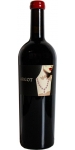
Argot Napa Cabernet Sauvignon Sugarloaf Vineyard is made from 100 percent Cabernet Sauvignon.
Sugarloaf’s terroir continues to impress with its expression of classically-styled Napa Valley Cabernet Sauvignons — impeccably pure black and red fruit character; broad, rich, perfectly ripe tannins; classic Napa Valley notes of cigar leaf, eucalyptus, and freshly-tilled earth; and definitive complexities of clove, all-spice and bay leaf. Having assessed past vintages with a few years of age, we have come to greatly value the significant reward Sugarloaf delivers after a few years in the cellar.
From Block 6, an acre of fiercely steep, ferociously rocky hillside, located in Napa’s far south-eastern foothills, deeply affected by the cooling influences of San Pablo Bay. One of the latest harvests in all of Napa Valley each vintage. Mother Nature was kind to this site in 2019, being our most bountiful year here ever. With perfect set, and vines displaying great health, this normally stingy hillside delivered superlative quality, without restraint of yield. After a slow start in the Spring, 2019’s particularly warm September and October played beautifully to the vineyard’s strengths, and delivered a classic Halloween-time harvest.
Review:
"It is not often that you see a 100% Cabernet Sauvignon coming from this rising star, cooler-climate vineyard in south Napa. This wine comes exclusively from the low-yielding, steep, rocky "Block 6." Deep purple-black in color, the 2019 Cabernet Sauvignon Sugarloaf Vineyard needs a little coaxing to reveal wonderfully pure scents of blackcurrant cordial, juicy blueberries and ripe blackberries, plus suggestions of iris bulb, dark chocolate, molten licorice and cedar chest. The big, rich, seductive, full-on full-bodied palate is laden with ripe, energetic black berry layers, framed by firm, ripe, grainy tannins and seamless freshness, finishing long and perfumed. A stunning, true-blue Napa blockbuster with its own very evocative signature, this comes highly recommended! 175 cases were made. - Lisa Perrotti-Brown"
- Robert Parker's Wine Advocate (November 2021), 97+ pts
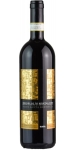
On the nose, it opens with mineral hints of flint, followed by sweet spices such as nutmeg. Citrusy notes of bergamot then emerge, together with delicate floral nuances and hints of rosehip. On the palate, it shows a sweet and juicy entry, with a medium to full body. It is warm and spicy, with a slightly piquant edge. Freshness balances the structure nicely, while the fruity finish, recalling ripe plums, is savory and persistent. It displays good softness and an overall sense of balance and harmony
Review:
-James Suckling 96 Points



