
" We don't sell the wine without touching the vine "
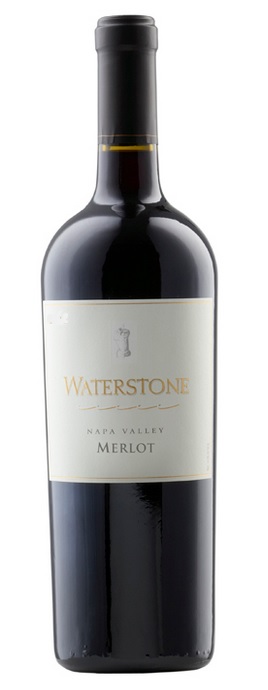
| Country: | United States |
| Regions: | California California (Napa) |
| Winery: | Waterstone |
| Grape Type: | Merlot |
| Vintage: | 2013 |
| Bottle Size: | 750 ml |

The backbone of this Cabernet Sauvignon is derived from a vineyard in the Atlas Peak AVA of Napa Valley where soils are volcanic in origin and have limited water retention. The balance of fruit is sourced from Coombsville and Oak Knoll. The small berry clusters and intense fruit from low-yielding vines create a wine with full flavor and longevity.
This Cabernet delivers multi-layered aromas of ripe black cherries, toasted oak, dark chocolate, cardamom, vanilla bean, and cedar. A rich medium-bodied wine with plush rounded tannins and juicy blackberries and orange zest that linger on the finish.
TA: 0.72 g/100ml
pH: 3.59

The grapes for this wine were grown in the Oak Knoll District of Napa Valley, where soils are transitional from gravel to silty clay loam. The climate is moderate to cool with marine air until mid-morning and frequent late afternoon breezes that maintain cooler temperatures and ensure a longer growing season. Chardonnay from this region showcase flavors of crisp apple, mineral notes and tropical fruit with good acidity.
Aromas of lemon curd, sweet butter, brioche and sun-ripened peach mingle with notes of nutmeg and vanilla bean. The palate is creamy, with zesty lemon overtones and minerality persisting on the finish.

Dominus Napa Valley Red Blend is made from 88% Cabernet Sauvignon, 7% Cabernet Franc, 5% Petit Verdot.
The historic Napanook Vineyard, a 124-acre site west of Yountville, was planted in 1838. This vineyard was the source of fruit for some of the finest Napa Valley wines. Estate-bottled in the spirit of the Bordeaux châteaux, Dominus Estate is dry-farmed to allow natural stress and good concentration of fruit. Grape clusters are crop-thinned to allow sun and air to pass in between, helping to achieve full maturation and soften the tannins. Only 20% to 40% new French oak barrels are used in order to limit the extraction of oak notes. To express the unique terroir, the classic Bordeaux grape varietals of Cabernet Sauvignon, Merlot, Cabernet Franc and Petit Verdot are planted with different root stocks best suited for the varying soil composition of gravel, heavy clay and loam.
Reviews:
One of the legendary Dominus, the 2021 Cabernet Sauvignon is unquestionably in the same league as the 2018, 2016, 2015, 2013, 2010, and 1991, and to my mind, wine simply doesn't get any better. Sporting a dense purple hue as well as an incredible perfume of blackcurrants, crushed stone, cedar pencil, smoke tobacco, and baking spices, it s rich, full-bodied, and voluptuously textured, with ripe yet building tannins. It reminds me slightly of the 2010 (maybe the 2013), and I suspect it will have a similar evolution. Hide bottles for 7-8 years, and it will evolve gracefully for 30+ years. Hats off to the team of Christian Moueix and director Tod Mostero.
Jeb Dunnuck 100 Points

Napa Bench Cabernet Sauvigon Napa Valley is made from 95% Cabernet Sauvignon, 3% Merlot, 2% Petite Verdot.
The wine is aged in French oak barrels for 16 months.
The Bench lands of Napa Valley are where we find Cabernet Sauvignon with Power and Strength. Elegant and supple tannins complete the structure. Bench lands are the geological middle ground that connect the Valley Floor with the Mountain rises, perfectly drained soils!
NAPA BENCH Cabernet Sauvignon is a sophisticated blend of Napa Valley Cabernet Sauvignon. We start with Cabernet Sauvignon 95%, blend Merlot 3%, and finish with Petite Verdot 2%. The wine is aged in French oak barrels for 16 months.
Tasting Notes
NAPA BENCH is rich and flavorful. Red and dark fruits are apparent in the nose with Plum, Currant and Blackberry tones. The aroma is layered and shows the power of Cabernet and of oak nuance. The pallet is fine grained tannin, long and refined with a high degree of Deliciosity! The finish lingers and invites a second glass. Share with your favorite friends, and always with your hottest date.

Cardinale Napa Valley Cabernet Sauvignon is made from 91% Cabernet Sauvignon, 9% Merlot.
Super structured and with minerality to spare, this Cabernet Sauvignon offers a real presence on the palate from start to finish. Generous notes of dark chocolate balance beautifully with a blue and black fruit flavor explosion, finishing with a subtle whisper of rose petal.
Reviews:
- James Suckling 98 Points

Cliff Lede Rhythm Cabernet Sauvignon Stags Leap District Napa Valley is made from 86% Cabernet Sauvignon, 7% Petit Verdot, 5% Merlot, 2% Cabernet Franc
The inaugural vintage of Rhythm couldn’t have come in a better vintage to flaunt the greatness of the Stags Leap District. Dark purple with vermillion-tinged edges, the plush and refreshing lures the taster with a multidimensional perfume that fills the glass with notes of jasmine, lavender, and spring flowers. Interwoven into the floral notes are unctuous layers of plum, blackberry, and black currants. Loads of smoked cardamom, cinnamon, and black licorice melt on the palate where vibrant acidity carries the long finish to a state of balance and equilibrium. – Christopher Tynan, Director of Winemaking.
Review:
Powerful, seamless and saturated with flavor, this giant of a wine goes deep in black currants, black cherries and mint aromas. The dense, rather firm texture holds a tasty mélange of black cherries and black figs shaded by cedar, cocoa, tobacco and espresso. It needs several years to open up. Best from 2028–2040.
-Wine Enthusiast 97 Points
Waterstone Merlot Napa Valley 2013 is 100 percent Merlot
Sweet cherry, ripe plum, hints of vanilla and overtones of anise and aged leather appear in the aroma. On the palate, this generous wine features cherry, plum and blackberry fruit with supple tannins and a lingering finish.
The Waterstone Wines Estate
In this time of multimillion-dollar vineyard estates and celebrity winemaking consultants, when it seems that financial backing has replaced skill as the key to success in enology, it is rare that a simple idea can give birth to wines that stand out for flavor and balance, rather than pedigree alone. A collaboration between veteran winemaker Philip Zorn and longtime wine executive Brent Shortridge, Waterstone Winery was formed in 2000 when the two men were introduced and discovered a shared interest in creating luxury wines at affordable prices. Bringing together their previously established relationships with Napa Valley growers and vintners, the pair set out to develop balanced wines of varietal character through intelligent sourcing. Preferring to focus on the wine itself rather than the accumulation of land and facilities, Zorn and Shortridge own no vineyards themselves, nor do they own the facility where their wines are made. Dedicated winemaking, strong relationships with top growers and long-term grape contracts are the keys to Waterstone’s quality and success.

Arzuaga Ribera del Duero Crianza 95% Tempranillo and 5% Cabernet Sauvignon.
Dark cherry color with purple highlights. Powerful nose and high aromatic diversity of ripe red and black fruits, spicy and balsamic notes, and a roasted finish. Soft and mellow in the mouth with a great fruitiness and length.
Review:
This is a big wine with alluring aromas of cedary oak and black fruit. Ripe palate of black berries, some dark chocolate and integrated, polished oak. Long spicy finish. Classy Ribera. -Decanter 95 Points

Chateau Cabrieres Cotes du Rhone Rouge Vieilles Vignes is made from 50% Grenache and 50% Syrah.
Château Cabrières’ Côtes du Rhône vineyard is located south of Orange, on the edge of Châteauneuf-du-Pape. The area of the vineyard is 1.53 hectares. The soil is comprised of clay-limestone mixed with pebbles.
Bright cherry red color with an expressive red fruit nose (strawberry and raspberry). Soft tannins in mouth, with freshness and spices. This CDR tastes like a baby Châteauneuf-du-Pape!
Pairs with charcuterie, pizza, pasta and mild cheeses.



