
" We don't sell the wine without touching the vine "
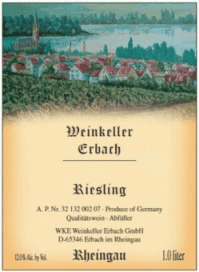
| Country: | Germany |
| Region: | Rheingau |
| Winery: | Winzer Von Erbach |
| Grape Type: | Riesling |
| Vintage: | 2011 |
| Bottle Size: | 900 ml |

Winzer von Erbach Riesling Eiswein is made from 100 percent Riesling.
The Eiswein has aromas of concentrated yellow fruit and a fruity sweetness. It's a high end product with a very long aging potential.
The grapes were picked frozen which resulted in a concentration of sugar, acidity and aromas and a low yield.
Pairs with blue cheese, fois gras, French apple cake.

Winzer Von Erbach Riesling Rheingau Erbacher Honigberg Kabinett is 100% Riesling.
This Riesling Kabinett shows hints of apple, citrus and peach and is mineral - scented.
The purity of fruit aroma combined with a unique and delicate fruit acidity makes this Riesling to a typical ambassador of one of the greatest grape varieties in the world.
Pairs well with gorgonzola, blue cheeses and pastas in a creamy sauce.

Honeyed style, rich minerality and luscious creaminess. Flavors of baked pineapple and pear. Fresh and juicy on the finish.
From the famous Erbacher Honigberg vineyard. Average of the vines is 20 years old.
Cool fermentation, matured on the lees for 2 months before bottling, with a slight filtration.
Riesling Rheingau Erbacher Honigberg Spatlese goes well with Indian Curry and blue Cheese

Winzer Von Erbach Goldmuskateller Rheingau Feinherb is 100% Goldmuskateller.
The old name for the Erbacher Honigberg was Wachholderwiesen-juniper meadows.
At the Wachholderwiesen there was an uprising of the peasants in the 16th century, all of the ringleaders were hanged.
The muskateller has a smell of elder-berries, apricots and quince, aftertaste of nutmeg.
Winzer Von Erbach Goldmuskateller Rheingau Feinherb is 100% Goldmuskateller.
The old name for the Erbacher Honigberg was Wachholderwiesen-juniper meadows.
At the Wachholderwiesen there was an uprising of the peasants in the 16th century, all of the ringleaders were hanged.
The muskateller has a smell of elder-berries, apricots and quince, aftertaste of nutmeg.
Winzer Von Erbach Goldmuskateller Rheingau Feinherb is 100% Goldmuskateller.
The old name for the Erbacher Honigberg was Wachholderwiesen-juniper meadows.
At the Wachholderwiesen there was an uprising of the peasants in the 16th century, all of the ringleaders were hanged.
The muskateller has a smell of elder-berries, apricots and quince, aftertaste of nutmeg.
The Winzer Von Erbach Riesling vineyard is located on the Southwest of the area, from slope to flat location, particularly deep loose-clay and meadow soils. This area's name is derived from the good honey-producing plants which the hill offered before being cultivated. These vineyards are situated next to the famous "Steinberg" at the same altitude level.
Round and refreshing wine with light touches of lemon and lime on the nose. Slightly sweet mouthfeel, with juicy and fruity flavors.
The Winzer Von Erbach Estate
The wine-growers association was founded in 1897. Today 45 vintners deliver grapes from the Erbach and Kiedrich vineyards to the cellar. There is close a relationship with the vintners, who are all part owners of their winery, all of whom have access to highly skilled and experienced viticultural advice. The cellar was built in 1903 in the "Art Nouveau" style. Today they are the most highly rated Wine cooperation in the Rheingau region, well known for producing high quality Riesling wines with a strong price-value relationship.
The Winzer Von Erbach Vineyard
Together with the Mosel region, Rheingau is famous for growing top quality grapes of the best German white wine varietal, the Riesling. With 3,200 hectares (7,904 acres) in a 45 kilometer stretch from Wiesbaden to Lorchhausen, it is one of the smaller wine regions in Germany.
More than 30% of their vineyards are located in the top spots of the Rheingau called "erstes Gewächs" (first growth). 50 hectares are cultivated in the following locations in Erbach and Kiedrich: Erbacher Michelmark: (12 hectares), Erbacher Steinmorgen: (8 hectares), Erbacher Honigberg: (20 hectares), Kiedricher Sandgrub: (10 hectares).

A deep and rich hue of golden straw gives the first clue that this is a serious Chardonnay. Aromas of pear, green apple, and lime peel jump out of the glass followed by more nuanced fragrances of orange blossom, ginger root, and brioche. The sensation on the palate casually demonstrates both broad depth and laser like focus. An assertive core of acid and saline minerality rests completely ensconced in rich flavors of pie crust, clotted cream, and burnt caramel. Drink now for fresh vibrance, or in ten years for wild complexity. This wine is a perfect white to be enjoyed year-round.
Review:
The 2021 MFN Blanc Chardonnay is very ripe in style with scents of banana chip, apple pie, jasmine, allspice and brown sugar. The full-bodied palate is packed with ripe, spicy fruits and plenty of refreshing acidity, and it finishes long with a satiny, mouth-coating texture. It's an old-school style reminiscent of Napa that fans of ripe, oaked Chardonnays will enjoy.
-Robert Parker 97 Points

The grapes for this wine were grown in the Oak Knoll District of Napa Valley, where soils are transitional from gravel to silty clay loam. The climate is moderate to cool with marine air until mid-morning and frequent late afternoon breezes that maintain cooler temperatures and ensure a longer growing season. Chardonnay from this region showcase flavors of crisp apple, mineral notes and tropical fruit with good acidity.
Aromas of lemon curd, sweet butter, brioche and sun-ripened peach mingle with notes of nutmeg and vanilla bean. The palate is creamy, with zesty lemon overtones and minerality persisting on the finish.



