
" We don't sell the wine without touching the vine "
| BUY MORE! SAVE MORE! | ||||||||||||||||||||
|
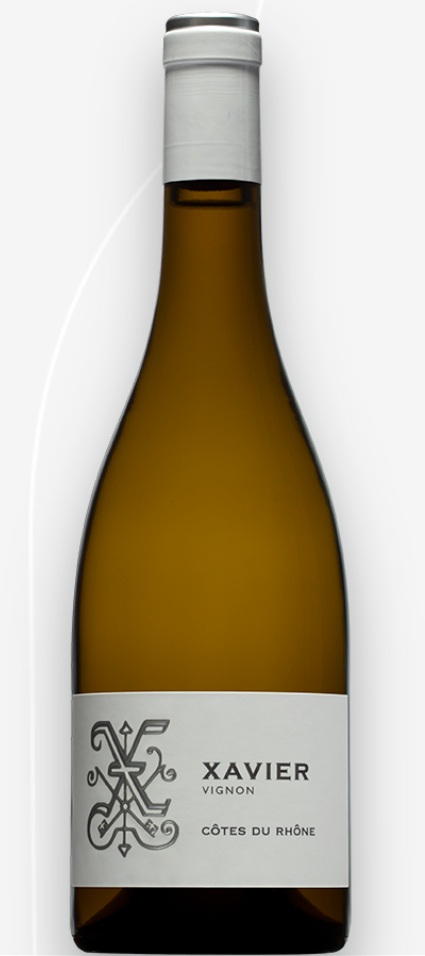
Xavier Vignon Cotes du Rhone Blanc is 40% Viognier, 30% Grenache, 20% Roussane, & 10% Picpoul.
From Vienne to Avignon, the Côtes du Rhône appellation is one of the largest in the french vineyard.
Around 6% of the area is dedicated to the production of grapes from varieties that can be vinified as white wine.
Brilliant yellow with gold highlights.
Suave and generous taste. Long saline finish with good acidity.
Perfumes of yellow fruit, citrus, white flowers with mineral notes.
A fresh, fruity and mineral wine that pairs best with French onion soup, green vegetables, risottos, light pastas and goat cheese.
For the last 15 years, oenologist Xavier Vignon has become internationally known for being the winemaker of several of the best domaines in Châteauneuf-du-Pape and around (La Nerthe, La Vieille Julienne, Beaurenard, La Mordorée, etc.)
In 2002, some friends (who are wine importers) asked him if he can create his own wine. Choosing amongst the best wines he has made, he creates a blended Rhône with different vintages, and different appellations. His ideal wine, easy to understand, modern, powerful and a great value for money, 100% Xavier was born.
As this outstanding « non vintage table wine » meets a big success Xavier adds a complete range of prestigious Appellations, still selecting and buying the best wines of the greatest domaines he knows perfectly. In 2006, Importers from the UK, Australia, Canada, and Scandinavia order almost 100,000 bottles.
As Xavier Vignon wishes to keep his main work, which is to manage his laboratory, he associates with two partners in 2007, in order to be able to develop his "Xavier wines".
Xavier Vignon Cotes du Rhone Rouge Cuvee Vieilles Vignes Organic is made from 50% Grenache, 40% Mourvèdre, 5% Syrah and 5% Cinsault.
The diversity of terroirs used in this blend allows this wine to combine freshness and balance.
We used Clay and limestone plots located on the hillside where old Grenache naturally express roasted hints. We could obtain in this wine empyreumatical hints without the use of barrels. These plots particular soils and orientation allowed grapes to reach an optimal level of ripeness while conserving a good acidity level.
We also integrated grapes coming from plots located on red rocky clay soils also named “garrigues”. These big red stone are restituting heat coming from the sun at night and bring power and structure to the wine.
Also the blend features vines coming from sandy clays, which are light and rather fresh soils: this allowed the wine to maintain a freshness and vivacity.
Bouquet of cassis, blueberries, lavender, cured meats, and graphite. It's deep, rich, medium to full-bodied, and has a great finish. The Mourvèdre keeps this tight and fresh.
Pairs with grilled beef rib - Veal Columbo - Pork ribs slightly spiced
Review:
"The spicy nose with a slew of red-fruit aromas pulls you into this full-bodied but lively and very well-balanced Cote-du-Rhone. Lovely, creamy texture that’s neatly supported by fine tannins. Long, supple finish. From organically grown grapes. Drink or hold."
- James Suckling (March 2022), 92 pts
Xavier Vignon Cotes du Rhone Rouge Vieilles Vignes is made from 70% Grenache, 15% Mourvèdre and 15% Syrah
Grenaches are almost hundred years old, Mourvèdres more than 60 years old and Syrahs are 45 years old in average.
There's a spicy, green peppercorn edge to the Cotes du Rhone Vieilles Vignes. It's medium to full-bodied, with svelte, supple tannins and plenty of plummy fruit that exhibits more savory notes and spice on the long finish.
Review:
"The deep black-cherry and ripe-blackberry fruit, plus the full, soft body push this to the edge of sweetness on the palate. However, the gentle dry tannins at the velvety finish just keep it on track. A style that now seems a bit dated, but plenty of wine drinkers love this. Drink now."
- James Suckling (March 2022), 90 pts

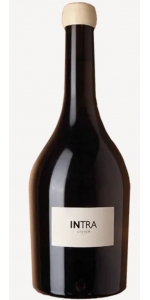
Xavier Vignon Extra white Côtes-du-Rhône NV is 40% Clairette, 30% Grenache Blanc, 20% Roussanne and 10% Picpoul.
Traditional vinification. A very long fermentation lasting several months (6 to 8 months) to allow the yeasts to release more aromatic compounds, followed by immersion in Vinarium®.
Aged in Vinarium® for 24 months: a truncated wooden vat designed to hold and immerse 5 barrels. In this way, the CO2 produced by the Intra becomes the natural preservative for the Extra.
Pale and clear yellow.
Subtly oaked with hints of toasted bread, notes of honey mixed with pear.
Fresh and lively attack, well-balanced acidity and long lemony finish on the palate.
Pairs well with fresh cheese., sushi and pesto pastas.
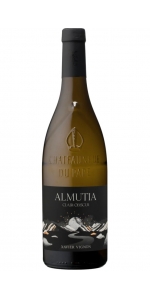
Xavier Vignon Almutia Clair-Obscur Châteauneuf-du-Pape Blanc is 40% Grenache Noir, 25% Mouvedre, 10% Roussane, 10% Grenache gris, 10% Grenache blanc & 5% Syrah.
Worn in the Middle Ages, an Aumuce was a purple cap that served as a cloak for clergymen as a way of concealing their whiteness, just as the black skin of the grape conceals its white juices. In Latin, this cape is called en Almutia. A blend of black and white grape varieties.
Almutia is the definition of vivacity, liveliness, expressed through the pulp of mainly black grape varieties. The multi-vintage approach has been choosen to bring complexity to the wine.
Pale yellow and translucent with tangy notes of apple and pear on the nose. The palate is lively and ample, revealing aromas of citrus and honeysuckle.
The grapes were harvested early, in mid-August, i.e. one month before the harvest intended for the production of red wines.
The grapes are then destemmed and crushed, then placed in vats for draining followed by settling for severals days to sediment the pigments.
Fermentation in stainless steel tanks
No ageing in wood and no stirring of the lees to maintain the perfect level of acidity.
Pairs best with scallop or lobter risotto, soft cheeses & truffle.
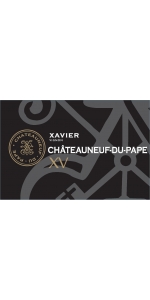
Xavier Vignon Chateauneuf du Pape XV Rouge is made from 50% Grenache, 45% Mourvèdre and 5% Syrah. From 100 year old vines.
It shows a bit of toasty oak up front but balances that with ample black cherry fruit and soft, dusty tannins. Long and harmonious on the finish, it should drink well on release in 2019 and for a decade or more after that.
Pairs with beef with mustard sauce - Pork tenderloin with winter vegetables - Roasted duck - Malaysian pork chop and spice tea.
Review:
"A lovely example of what one of the Rhone Valley's top appellations is capable of producing. A bright saturated purple in the glass, the nose and palate are highlighted by berry and cherry fruit, with hints of spice. The palate reflects the nose, with warmth and spice, in addition to the exquisite red fruit."
- Beverage Dynamics (Spring 2024), 95 pts
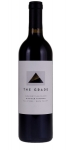
The Grade Napa Cabernet Sauvignon Winfield Vineyard is made from Napa Valley Cabernet Sauvignon.
“This wine expresses a focused balancing act of dark, rich black fruit, and a fine tannin structure, illuminated through the core with a laser-like acidity. The wine displays a deep purple-red hue with a cranberry halo. Aromas of cassis, cinnamon, citrus oil, roasted meat, and lilac swell from the glass.
“The palate is marked by a wave of jet-black brambly fruit up front, followed by an exotic spice mid-palate and a long, complex finish that lasts and lasts expressing notes of flowering jasmine, and oolong tea. The silky tannins hold everything together and will certainly allow this wine to evolve in the cellar for at least 7-10 years.” - Thomas River Brown
Review:
Coming from the Winfield Vineyard in Calistoga, the 2016 Cabernet Sauvignon is another brilliant wine from the hands of winemaker Thomas Rivers Brown. This deep purple-colored effort boasts tons of blueberry and jammy blackberry fruits as well a medium to full-bodied, concentrated, yet elegant style on the palate. It has the purity of fruit that’s the hallmark of the vintage, ripe, sweet tannins, and no hard edges, and is already hard to resist.
-Jeb Dunnuck 94 Points
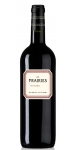
Chateau Pitray Castillon Cotes de Bordeaux Les Prairies is made from 75% Merlot, 23 % Cabernet Franc and 2 % Malbec.
Notes of ripe fruit and black tea leaves, it is a young but accomplished wine, ready to drink, whose tannins are already very well integrated.



