
" We don't sell the wine without touching the vine "
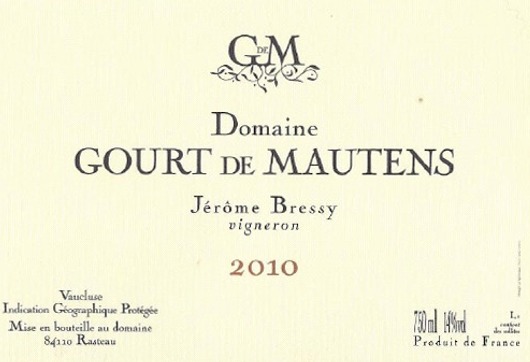
| Country: | France |
| Region: | Rhone |
| Winery: | Gourt de Mautens Jerome Bressy |
| Grape Types: | Grenache Syrah Carignan Cinsault Vaccarese Counoise Terret Noir |
| Vintage: | 2010 |
| Bottle Size: | 750 ml |
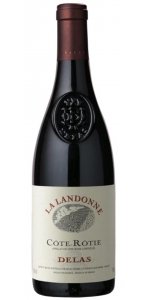
Delas Freres Cote Rotie La Landonne Rouge is made from 100 percent Syrah.
This very ancient region dates back to the Roman Era and is located on the right bank of the Rhône. It is said that during the Middle Ages, “The Seigneur de Maugiron” gave a hillside to each of his two daughters - one was brunette and the other fair - thus, were born the names of “Côte Brune” and “Côte Blonde.” Wines from the Côte Blonde tend to be more delicate and lighter in character than the fuller wines of the Côte Brune. Together, they make a wine of style and substance. This cuvée is a vineyard plot selection. The grapes come exclusively from a plot within the named slope of “La Landonne.”
This cuvée‘s first vintage was 1997. The wine is only made in the very best years. Its highly limited production never exceeds 2,500 bottles per year.
The steep, terraced hillsides along the river produce wines that are among the "biggest" reds of France. The Delas Côte-Rôtie is primarily Syrah with an addition of up to 10 to 20% of Viognier grapes in the crop. The soils of the northern part of the Côte Brune vineyard consists of extremely steep, terraced slopes of ferruginous mica schists which are covered with schist sand (arzel). The Côte Blonde has a varied geology with gneiss and granite predominating at the most southern side of the appellation. The area has dry, hot summers with regular rainfalls during other seasons. The grapes for the “La Landonne” cuvée are picked by hand at maximum maturity. Fermentation takes place in traditional open-topped concrete tanks, following three days of pre-fermentation cold maceration. Before fermentation, the maceration process continues under controlled temperatures of 82°F to 86°F. Daily cap pushing down and pumping over are carried out for about 10 days with total vatting time of up to 20 days. The wine is aged for 14 to 16 months in new or one year old oak casks. The barrels are topped up regularly.
Food Pairing: This wine pairs wonderfully with fine meats, roasted beef, water games, truffles and spicy stews. The bottle should be opened 1 to 3 hours before drinking. This wine needs at least 3 years cellaring before it can open up its complexity. In such case it is strongly recommended to decant before serving.
Tasting Notes: The wine‘s deep color is underscored by plummy hues. A complex nose shows deep, fruity aromas with hints of licorice and roasted coffee. Endowed with a dense and silky tannic structure, this is a full, fleshy wine that provides an ample and generous palate. Its lasting finish speaks of considerable ageing potential.
Reviews:
This is dark and still a bit reticent, with a cast iron cloak around the core of dark currant, plum and blackberry paste flavors, showing lots of sweet bay leaf, anise and singed apple wood notes in the background. There's serious grip through the finish. For the cellar.
-Wine Spectator 96 Points
Very open, spicy and fresh on the nose, you could almost open this now. Struck flint notes assist in teasing out notes of leaf tea, tobacco, rosemary and rose. Very full-bodied, generous but powerful on the palate, tense and mineral. Mouthcoating ripe, sweet tannin and robust amounts of sweet baking spices, along with more tobacco and black fruit on the palate. Has depth, length, power and impressive balance despite the high alcohol. Drink from now into 2022, or from 2031 to 2040. Lieu-dit La Landonne, from the Brune side (mica schist bedrock). Matured in new and one-year-old barrels for 14 months.
-Decanter 96 Points
The 2019 Côte Rôtie La Landonne comes from one of the greatest sites for Syrah in the world, the La Landonne lieu-dit located close to the center of the appellation, on the Côte Brune side. It reveals a deeper purple hue (it's slightly more opaque than the Seigneur de Maugiron) and offers a brilliant nose of ripe cassis, black raspberries, scorched earth, smoked herbs, and seared meat. Full-bodied and powerful on the palate, this is a deep, spicy, concentrated Côte Rôtie with a plush, layered mouthfeel, sweet tannins, beautiful balance, and a great, great finish. This puppy brings the fruit, opulence, and texture of the vintage yet still has a classic Côte Rôtie character.
-Jeb Dunnuck 96 Points
Fresh aromatic layers of mint sit atop crushed red cherries and wild strawberries, with light clove and thyme on the nose. The palate is rich and enticing with black cherries, plums, rhubarb, pomegranate seeds, black olives and freshly picked rosemary leaves. Tremendous texture, structure, and refreshing acidity carry this wine to a robust finish of orange zest and black tea leaves. Maisons Marques & Domaines USA.
- Wine Enthusiast 96 Points
This very ancient region dates back to the Roman Era and is located on the right bank of the Rhône. It is said that during the Middle Ages, “The Seigneur de Maugiron” gave a hillside to each of his two daughters - one was brunette and the other fair - thus, were born the names of “Côte Brune” and “Côte Blonde.” Wines from the Côte Blonde tend to be more delicate and lighter in character than the fuller wines of the Côte Brune. Together, they make a wine of style and substance. This cuvée is a vineyard plot selection. The grapes come exclusively from a plot within the named slope of “La Landonne.”
This cuvée‘s first vintage was 1997. The wine is only made in the very best years. Its highly limited production never exceeds 2,500 bottles per year.
The steep, terraced hillsides along the river produce wines that are among the "biggest" reds of France. The Delas Côte-Rôtie is primarily Syrah with an addition of up to 10 to 20% of Viognier grapes in the crop. The soils of the northern part of the Côte Brune vineyard consists of extremely steep, terraced slopes of ferruginous mica schists which are covered with schist sand (arzel). The Côte Blonde has a varied geology with gneiss and granite predominating at the most southern side of the appellation. The area has dry, hot summers with regular rainfalls during other seasons. The grapes for the “La Landonne” cuvée are picked by hand at maximum maturity. Fermentation takes place in traditional open-topped concrete tanks, following three days of pre-fermentation cold maceration. Before fermentation, the maceration process continues under controlled temperatures of 82°F to 86°F. Daily cap pushing down and pumping over are carried out for about 10 days with total vatting time of up to 20 days. The wine is aged for 14 to 16 months in new or one year old oak casks. The barrels are topped up regularly.
Tasting Notes
The wine‘s deep color is underscored by plummy hues. A complex nose shows deep, fruity aromas with hints of licorice and roasted coffee. Endowed with a dense and silky tannic structure, this is a full, fleshy wine that provides an ample and generous palate. Its lasting finish speaks of considerable ageing potential.
Food Pairing
This wine pairs wonderfully with fine meats, roasted beef, water games, truffles and spicy stews. The bottle should be opened 1 to 3 hours before drinking. This wine needs at least 3 years cellaring before it can open up its complexity. In such case it is strongly recommended to decant before serving.
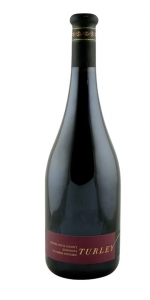
After working with the fruit for over a decade, Turkey is proud to present the first single-vineyard bottling for Turley from the Del Barba Vineyard. Contra Costa is a delta where the San Joaquin and Sacramento rivers meet, and these head-trained vines are planted in deep dehli blow sand, made up of decomposed granite coming down from the Sierra Mountains. The resulting wine embodies the best the delta has to offer: silken textures, ultra fine tannin, and dark saline fruits.
Review:
"The 2023 Zinfandel del Barba is ripe, boisterous and super-expressive. Floral overtones and bright acids run through a core of red/purplish fruit. Sandy soils confer lovely aromatic presence to this pure Zinfandel. This is an especially accessible offering from Turley."
-Vinous 91-93 Points
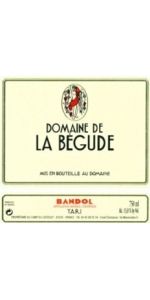
Begude Bandol Rouge is made from 90% Mourvèdre, 10% Grenache.
Eye: dark ruby colored
Nose: Intense, aromatic, fresh and elegant
Mouth: Structured on black fruits flavors, lightly woody , tanins are strong an firm in their early days (<5years) Good acidity give freshness backbone and great fruit/alcoholic balance . Delicate final on spices.
Opening: Decant 4-6 hours before serving
Soil: Clay-limestone Culture: Organic without pesticides nor chemicals additives Yield: 20 hectoliters/hectare Harvest: Manual in small cases Winemaking: Double sorting, 100% destemming, skin contact, with daily sticking in order to optimize color and aromatic extraction Alcoholic fermentation 15 days followed by malo lactic fermentation. Aging: 18 months in oak cask Bottling:
Grilled lamb, meat cooked with sauce, southern French cuisine and tasty dishes (tajines, couscous, paellas).
Review:
"Inviting spicy oak, malt and blackberry cream scents. Powerfully structured tannins, spicy liquorice and clove flavours as well as bramble fruit; very long finish. Its best years are far into the future. Terrific stuff."
- Decanter World Wine Awards 2020, 97 pts & Platinum Medal
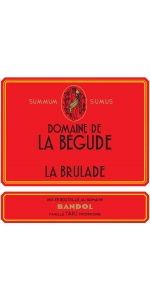
Begude Bandol Rouge La Brulade is made from 95% Mourvedre and 5% Grenache.
"La Brulade" is the name of a select slope located at an altitude of 400 meters overlooking the Mediterranean sea between La Baie d'Amour (the town of La Ciotat) in the South and La Sainte Baume in the North. This is one of the highest parcels in the Bandol appellation.
The wine is only produced in exceptional vintages. This carefully selected blend is made of 95% Mourvedre and 5% Grenache, aged in large French oak barrels for 24 months.
The wine shows a deep purple color. It is fresh and fruity on the nose with intense garrigue aromas. Structured, elegant and well-balanced on the palate with strong tannins. Licorice, ripe black fruits, garrigue flavors and some peppery freshness on the finish.
The 35-year old grapes are grown on clay and limestone soils and are farmed organically. Yield is very low - 15hl/ha. The grapes are harvested manually.
Winemaking: Double selection, destemming, crushing before skin contact fermentation. No filtration. Aging for 24 months in French oak casks (600L).
Grilled meat (lamb, beef, boar), Mediterranean cuisine, spicy dishes.
Review:
"Complex nose with deep black berry fruits, spice and hints of polish. Really lovely texture with layers of creamy red and black fruits, spices and powerful but super fine tannins. Great expression of the appellation; powerfully long."
- Decanter World Wine Award 2020 - 97 pts & Platinum Medal
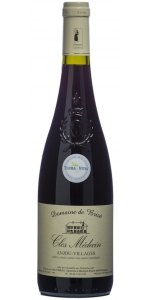
Brize Clos Medecin Anjou Villages Rouge is made from 60% Cabernet Franc and 40% Cabernet Sauvignon.
This is the flagship of the Estate. Clos Medecin has been produced at the estate for 90 years. All the grapes for this wine come from a very special parcel. The wine offers red fruit aromas. It is fresh, round and ample in the mouth.
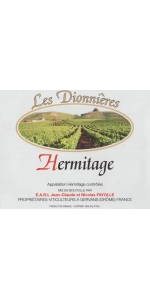
Jean-Claude et Nicolas Fayolle Hermitage Rouge Donnieres is made from 100% Syrah.
Made from 40-year-old vines planted on granitic and rocky soils in the Lieu dit "Les Donnieres" at the bottom of the Hermitage's hill.
Intense inky ruby red color.
The wine has plenty to offer with red and black fruit aromas, as well as a good minerality.
The finish is very long, clean and juicy and offers a great spicy mouthfeel.
Soil is clay, silica and round pebbles.
Hand harvested in small crates. The grapes are then pumped into tanks (full cluster, not destemmed).
It will stay in this tank for 15 days for the skin contact maceration and the Alcoholic fermentation.
Tey will also use the "rack and return" technique (delestage).
Then the wine is transfered into neutral French Oak barrels where the wine will complete the Malo-Lactic fermentation.
Delicious with grilled red meat such as venison or lamb and most cheeses.
Blend: 70% Grenache Noir and 30% various: Carignan, Mourvèdre, Syrah, Counoise, Cinsault, Vaccarèse and Terret Noir
Vinification: after the harvest, the grapes are carried in 20 kg cases; selection of every single cluster using a sorting table; Destemming.; Slow extraction in a 10-20 day maceration; All the grapes are blended together to produce a single wine, a single Cuvée.
Yield: 14 Hl/hectare
No addition of yeasts or tartar; No fining, no filtration.
Ageing: 12 months in demi-muids (300 liter barrels) and foudre (large barrels); then 18 months in concrete vats. A single bottling, at one time.
It is loaded with chocolate, black raspberries, and kirsch, intermixed with dusty, loamy soil notes, pepper, and the telltale chocolate that comes from the old vine Grenache that bakes in the sun in this high elevation appellation. This is a beauty, slightly rustic but enormously endowed.
Review:
Deeper and richer than the ’11, the 2010 IGP Vaucluse knocks it out of the park with tons of black cherry, raspberry, ground pepper, violets and hints of smoke. Full-bodied, fat, fleshy and unctuously textured, this is a beast of a wine that stays balanced and thrillingly drinkable. Give it another year or three and drink bottles through 2030.-Wine Advocate 95 Points
The Gourt de Mautens Jerome Bressy Estate
Gourt de Mautens is a family owned winery located in Rasteau that started in 1996. In 1998, Jerome Bressy took over the 13 hectares of vineyard and for him it was a dream come true. Next the winery and the ageing cellar were built.
This is the insider’s wine of the Southern Rhone. Many winemakers in the Rhone Valley, Christophe Delorme (Domaine de la Mordoree) included, feel that Jerome Bressy will be making the best wines in the entire Southern Rhone Valley in the future.
Jerome chose the options of small yields (8-15 hectoliters/hectare) and organic farming (now controlled by Ecocert) along with the use of homeopathy, which he considers essential conditions for making a great wine. Since 1989 they have not used any chemical fertilizers or pesticides on the vines, so the soil can give what it has to give in the most natural way. The yields have always been lower than average because of his father’s concern about grape quality. The estate took another step forward in the organic farming by becoming biodynamic in 2007.
The Domaine produces an average of 2,000 cases each year, red and white wine, both of equal quality (not quantity), from small different plots in Rasteau. These are homogeneous wines as each plot is farmed with the same concern for perfection, regardless of any difference in quality among them. The goal being to be at nature’s service, stepping in the process only when necessary.
The name of the Estate, "Gourt de Mautens", is the name of the area where part of the vineyard and the family farm are located. This name dates back to 1635. In provencal dialect "Gourt" means a place where the water flows from and "mautens" means bad weather. Thus, it is an area where water flows from chalky clay marly soil when it rains.
"This is one of the sensational estates in Rasteau, with proprietor Jerome Bressy farming just over 20 acres of vines. Organic farming and the naturally low yields of his old vines (8-15 hectoliters per hectare) result in wines of extraordinary concentration and intensity."
- Wine Advocate (Issue 175, Feb. 08),
The Gourt de Mautens Jerome Bressy Vineyard
The vineyard measures 13 hectares (32 acres) and is made of several parcels planted on terraces, hillsides, banks and plateaux with a northwestern and southwestern sun exposure. The soils are made of clay and limestone marls.
Most of the vines are 45-90 years old, only 1/3rd of them is 5-30 years old. On some parcels different varieties can be found on the same row, just like it used to be in the ancient times.
Red : 70% Grenache ; 30% Carignan, Mourvèdre, Syrah, Counoise, Muscardin and Vaccarèse.
White : 45% Grenache blanc, 45% Bourboulenc, 10% various
Fortified wine (Vin doux naturel): 90% Grenache and 10% Carignan
Green harvest of the younger vines. A first selection is done in the parcels during the harvest (the grapes that are not selected are left on the ground).
2021 Rossj-Bass displays the main features of the vintage well, with intense fruit concentration and floral notes. The nose shows ripe citrus notes of lemon peel and orange evolving into tropical fruits. The richness of the nose and the same notes are reflected on the palate, where remarkable acidity balances the fruit concentration. The wine is rich, full-bodied and creamy, with a long finish.
Review:
The 2021 Gaja Rossj-Bass starts off with very, crisp, green fruit and much more Sauvignon Blanc dominant aromas of grassy, bright, fragrant green apple and green pepper - all very bright and cheerful. Then Chardonnay seems to take over in the medium-full bodied and pleasing creamy texture of the wine. This is balanced again by the tangy, juicy acidity of Sauvignon. This is very elegant blend of Sauvignon Blanc aromas and zestiness and the textural comfort of Chardonnay. The name Rossj is a nickname of Angelo Gaja’s second daughter, Rossanna.
-Wine Independent 94 Points

Larroque Bordeaux Blanc is made from 73% Sauvignon Blanc and 27% Colombard.
No oak.
Color : Pale yellow with green tints.
Nose : Complex aromas of white flowers, exotic fruits, citrus and boxwood, with a touch of minerality.
Mouth : Aromatic, with a nice richness and freshness. Predominant flavors of tart, crisp fruit.
Marie-Christine, the daughter of Henri Ducourt, purchased this prestigious left-bank property in 1979, which lies on the border of the Graves appellation.
The 60-hectare vineyard was rapidly replanted and the château building, which dates from 1348, was restored.
Our family now produces three different-colored wines there: red, white and rosé.
Grown on loamy-clay soil.
Harvest : Machine harvesting in the cool, early morning
Maceration : Skin-contact maceration for several hours, depending on ripeness, and pressing
Fermentation : Beginning of the cold alcoholic fermentation (12°C / 53°F) then an increase in temperature to finish the fermentation at 20°C / 68°F.
Enjoy this wine as an aperitif or during the meal with fish, seafood or chicken salad.



