" We don't sell the wine without touching the vine "
| Country: | France |
| Region: | Languedoc |
| Winery: | Chateau de Mus |
| Grape Type: | Roussanne |
| Vintage: | 2017 |
| Bottle Size: | 750 ml |

All older vintage wines have been purchased from a single collectors cellar. Pictures can be requested before shipment.

Domaine de Beaurenard Chateauneuf-du-Pape Blanc is made from Clairette blanche & Rose, Grenache Blanc & Gris, Bourboulenc, Roussanne, Picpoul and Picardan.
Gold bright green color. Expressive nose with pear and stone fruits aromas (peach, apricot) with jasmine and roasted almonds notes. The mouth is smooth and fleshy like stone fruit we can smell, with a long a nice finish.
Review:
Bright golden yellow, silver reflections. Delicate herbal spices, a hint of chamomile and mandarin zest, pears and blossom honey are underneath. Juicy, elegant, white peach, delicate honeydew melon, mineral and harmonious, fine fruit sweetness, good ripening potential.
-Falstaff 92 Points

Domaine de la Janasse Chateauneuf-du-Pape Cuvee Vieilles Vignes is made from 65% Grenache, 20% Mourvèdre, 10% Syrah, 5% divers.
In contrast to Chaupin, which is made from old-vine Grenache on sandy soils, the cuvée Vieilles Vignes is from old vines of Grenache, Mourvedre, Syrah along with smaller percentages of other permitted varieties that are grown in these old vineyards. The wine is sourced from 4 terroirs: pebbly clay, sand, gravelly red clay and sandy limestone. Vieilles Vignes is always the most powerful and concentrated Châteauneuf-du-Pape cuvée made at Domaine de la Janasse.
Review:
The 2020 Châteauneuf Du Pape Vieilles Vignes also saw some stems (the estate started keeping some stems with the 2016 vintage) and was 75% destemmed, with the blend being 70% Grenache, 20% Mourvèdre, and the rest Syrah, Cinsault, and Terret Noir. As usual, it’s a more powerful, black-fruited wine comparted to the Cuvée Chaupin and has lots of crème de cassis, liquid violet, crushed stone, woodsmoke, and peppery herbs. It displays the vintage’s purity and freshness yet brings the concentration as well as the structure. I’ll be shocked if it’s not in the handful of top wines in the vintage.
-Jeb Dunnuck 96-98 Points
Domaine de la Janasse Chateauneuf-du-Pape Cuvee Vieilles Vignes is made from 65% Grenache, 20% Mourvèdre, 10% Syrah, 5% divers.
In contrast to Chaupin, which is made from old-vine Grenache on sandy soils, the cuvée Vieilles Vignes is from old vines of Grenache, Mourvedre, Syrah along with smaller percentages of other permitted varieties that are grown in these old vineyards. The wine is sourced from 4 terroirs: pebbly clay, sand, gravelly red clay and sandy limestone. Vieilles Vignes is always the most powerful and concentrated Châteauneuf-du-Pape cuvée made at Domaine de la Janasse.
Review:
The advantages of old vines are perhaps most evident in the more difficult vintages (whether hot and dry or cool and rainy). The 2021 Chateauneuf du Pape Vieilles Vignes is a strong effort, delivering supple, velvety waves of ripe black cherries and black raspberries. Medium to full-bodied, it's rich and concentrated without seeming at all heavy or unbalanced, finishing long and juicy. It's approximately 75% Grenache, 15% Mourvèdre, 5% Syrah and 5% other varieties, keeping in mind that up to 15% of the old Grenache vines are actually Clairette Rose.
-Wine Advocate 96 Points

Betz Family Domaine de Pierres Syrah is made from 100% Syrah.
With our long history of making single site syrah's in Washington, it made sense for us to venture into the Rocks District of Milton Freewater in the Walla Walla Valley to bring you our newest syrah, "Domaine de Pierres."
The Rocks AVA produces syrah that shows a distinct character, separating it from any other site in Washington State. One thing in particular that has drawn people here is the gallet stones present throughout the valley. They are very similar to the pudding stones that are found in Châteauneuf-du-Pape, and can be anywhere from golf ball size, to softball size or larger. Since we purchased the vineyard in 2014 we have been tilling the earth multiple times every season to expose these rocks. The gallet stones act like a heat sink, giving a little extra push to help ripen syrah in an area with marginal heat accumulation.
In the glass, Domaine de Pierres stands out from our other syrah's because of its incredibly savory profile. Notes of roasted meat, fresh herbs, olive tapenade, tobacco and graphite are supported by dark fruit, espresso, and lavendar. The wine has a lower acidity and higher PH than our other wines, which contributes to a velvety, full bodied mouthfeel. Even in the cellar, we immediately noticed a difference in the color, aromatics and flavor that these syrah grapes were able to express.
The other big reason that we are so excited about the wine from this particular AVA, is that the history of the Rocks is happening right now! Our vineyard, “Ancient Stones,” has only been planted there since 2007, and the beginning of the Rocks as a wine growing region only really started in the 1990's. There is a lot of energy and exploration going on, and it has been a fun experience for our team to be a part of it. We still have so much to learn about this region and it is very exciting to feel like we are on the upward swing!
Review:
"This red offers a steely core of crushed rock and vibrant acidity framed by handsome blackberry, cherry, green olive and licorice flavors that build tension toward medium-grained tannins. The name of this wine—French for "Field of Stones"—is apt. Drink now through 2032. - Tim FISH."
- Wine Spectator's Insider (July 6th 2022), 94 pts
All older vintage wines have been purchased from a single collectors cellar. Pictures can be requested before shipment.
Closeout:
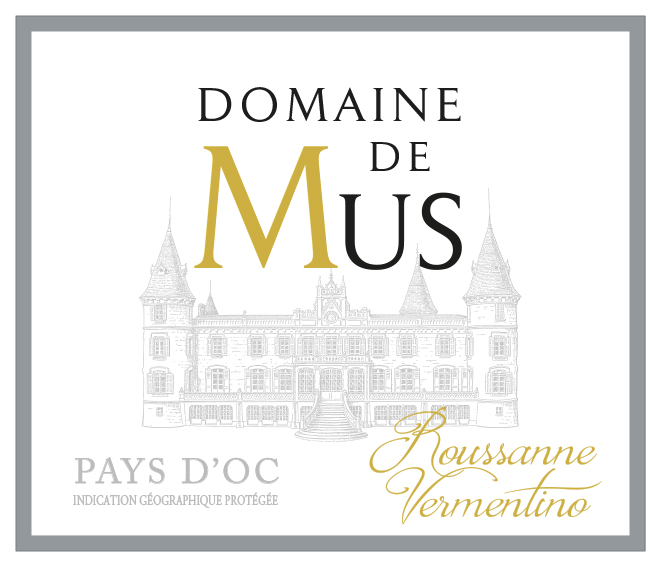
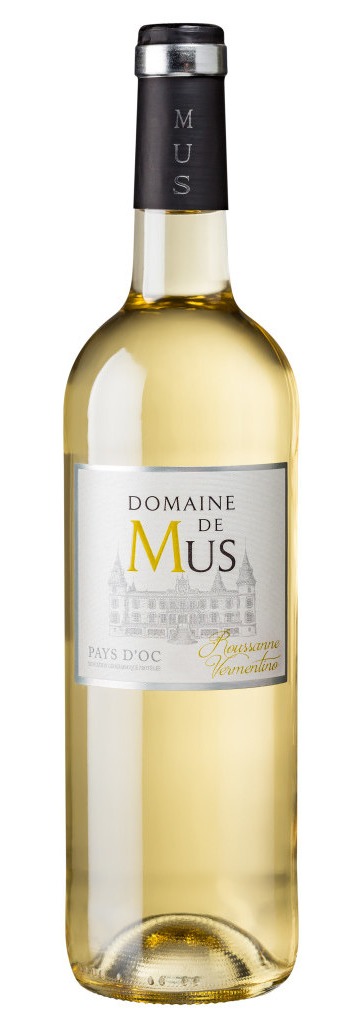
Domaine de Mus Roussane-Vermentino is an original blend of Roussanne (85%), Vermentino (15%). Separate wine-making, blending before bottling operations. No Oak.
The wine is an unoaked blend of Roussanne (85%), Vermentino (15%). Separate wine-making, blending before bottling operations. Brilliant light color. On the nose aromas dominated with orange blossom and lemon notes.Fresh and complex on the palate, with citrus flaoting on a crisp finish.
Grapes are very carefully protected against any oxidization, as soon as picked up and during the carriage into the cellar. Night harvesting, when the temperature is the lowest. Complete destalking, direct pressing into CO2 atmosphere. Stalling for 24 hours, and immediate racking at 8°C : the clearest juices only are selected. Fermenting process set off with selected yeasts addition, in stainless steel tanks, under heat monitoring, during 30 to 40 days.
Maturing on fine lees, all winter long, with regular stirring of the lees. Fining and bottling.
Review:
"Mostly Roussanne (there’s just 15% Vermentino), the 2017 Roussanne-Vermentino is a fresh, vibrant white that over-delivers at the price, giving up lots of citrus, lemon, and minty notes in a medium-bodied package. It has a touch of minerality, fleshes out nicely with time in the glass, and is an outstanding white to enjoy over the coming year or two."
- Jeb Dunnuck (March 27th 2019), 90 pts
The Chateau de Mus is located in Murviel-Les-Beziers in the Languedoc region.It is home to a gorgeous Renaissance-style castle.
The Julien Family has been working hard in the vineyards, in the cellars, but they also have a restoration project for the chapel and the castle located on the property. Today, Yannick and Brice are representing the 5th generation of winemakers in the Family.
Date Founded: 2004
Dating back at least 800 BC, the Château de Mus represents one of the largest archaeological sites in Hérault, illustrating the prehistoric, Celtic, Roman, Greek and Etruscan ages. The estate was named after an ancient fortified place called « Murus » («city wall» in Latin), built up on a promontory over the Orb river. At MUS, a Romanesque church was built in 1070 (today its restoration is in progress) such as one of the six first castles of the area. Twice destroyed during the crusade against the Cathars in the 13th C. the former mansion was replaced in 1848 by a Renaissance-style castle, prefiguring the great times of the “wine chateaux” in Languedoc.
The JULIEN'S bought the CHATEAU DE MUS in 2004
The vineyard is planted to traditional grape varieties of the Languedoc’s AOP, Grenache, Syrah, Mourvèdre, Cinsault, in the estate’s AOP area, and also of a range of different French varieties planted in the Vin de Pays area, mainly Cabernet Franc, Cabernet Sauvignon, Merlot, Petit Verdot, Malbec, Pinot Noir, Tannat, Marselan, Muscat, Grenache Gris, Sauvignon blanc, Sauvignon, Vermentino, Viognier.
The winery is modern and the temperature controlled vinification is a huge part of the quality process. Concrete tanks, stainless steel and open top fermenters are used for almost all of their wines

Dry but fruity with a complex nose of tropical fruit and enhancing biscuit flavours. Crisp acid ensures a fresh, clean and verydrinkable sparkling wine.
Serving suggestion: Well chilled to make any occasion festive.
THE LEGEND
Dispatched by Jan van Riebeek in search of the perfect place to grow provisions for the Dutch East India Company, Pieter Cruythoff stumbled upon a beautiful valley. But it was more than just the scenic beauty of this valley that had caught his eye; situated in the lee of the majestic Kasteelberg, the winters were mild, the summers were hot and the soil was uncommonly fertile. What's more, ships spotted from the lookout point on Kasteelberg were just a day away from Cape Town, and so were the wagons that went to meet them, laden with the treasures of the Riebeek Valley.
TIMELESS JEWELS
While he humbly named the valley after his patron, Jan van Riebeek, we feel it is only fitting that our valley's most coveted treasure should carry the name of its founder. So, in honour of Pieter Cruythoff, this range of fine wine bears his name.
From the vibrant whites to the seductive reds, each one is a gem gently coaxed from the fertile soil of that same magical valley. Ironically, much of the valley's bounty still finds its way to Europe, and in particular to the Netherlands, the land of Cruythoff's birth.

Gaja Ca'Marcanda 'Camarcanda' Bolgheri is made from 70% Cabernet Sauvignon & 30% Cabernet Franc .
Color : Deep garnet.Aroma : Initial aromas evoke violet, cassis, dark licorice and a spicy note of black pepper, leading to undertones of aromatic herbs, incense, dried rose petals, clove and cedar.Taste : Sleek and intense on entry with elegant herbal, light black pepper and cassis flavors on the mid palate.
Review:
After Bolgheri’s torrid and parched 2017 growing season, more moder-ate conditions in 2018 brought the vines and their wines shimmering to life. All of the wines at Ca’Marcanda fermented spontaneously in 2018, which Gaia Gaja attributes to the balance in the musts. This wine, a blend of cabernets sauvignon and franc, is taut and energetic, its flavors of crunchy plum and blackberry laced with notes of licorice, tobacco and graphite.
-Wine & Spirits 96 Points
The Ca' Marcanda estate does not make a Bolgheri Superiore, although this bottle would qualify as such. The 2018 Bolgheri Rosso Camarcanda is a blend of Cabernet Sauvignon and Cabernet Franc, and you definitely feel those full-throttle varietal aromas with big intensity and clarity. Spicy greenness comes forward as grilled rosemary and lavender essence, but the wine boasts nice depth and dimension, and enough textual richness to smooth it all out. This was a slightly cooler vintage with some sporadic rain showers throughout the summer. These conditions might explain the sharper side of those Cabernet aromas. As the wine moves over the palate, it reveals more substantial aromas of black fruit, spice and baker's chocolate. This vintage is slightly thinner than the hot 2017 expression before it and the classic 2016. However, this wine should certainly play forward positively in terms of its aging potential.
-Wine Advocate 95 Points
Dense and fluid at once, this red delivers plum, black cherry, licorice, olive, bay leaf and spice flavors. Ripe and balanced, with a lingering, spicy, tobacco-tinged aftertaste. Cabernet Sauvignon and Cabernet Franc. Best from 2023 through 2033. 1,500 cases made, 225 cases imported. — BS
-Wine Spectator 95 Points

Corne Loup Cotes du Rhone Rouge is made from 50% Grenache, 40% Syrah and 10% Mourvedre.
Color: dark red ruby.
Aromas: red berries, truffles and spices.
Flavors: complex and rich. It shows red and black fruits, with an herbal spice type of aromas coming from the surrounding vegetation (Garrigue).
The average age of the vines is 40 years. (The oldest vines are 80 years old). Yield: 40 hl/ha The soil is mainly sandy marl and small pebble stones.
Lamb, duck, turkey, red meat, game and cheese.