" We don't sell the wine without touching the vine "
| Country: | France |
| Regions: | Languedoc Pays d'Oc |
| Winery: | Cave de Pomerols |
| Grape Types: | Chardonnay Viognier |
| Vintage: | 2018 |
| Bottle Size: | 750 ml |
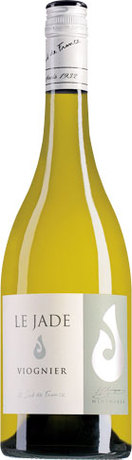
Le Jade Viognier is made from 100 percent Viognier
The wine comes from sun-drenched vineyards planted on the best terroir - specially selected for its physical and geographical characteristics - on clay and limestone hillsides called "costières" (coastal region). The vineyards are only a few miles away from the Etang de Thau, a coastal lagoon that is situated between the port of Sète and Marseillan.
The color is a wonderful brilliant yellow with pearl tints. Intense and seductive aromas of ripe fruits, especially apricot, and floral notes with a hint of rose petals. The texture is very harmonious, generous, round and long. The finish is long and balanced with a good freshness.
Perfect as an aperitif, or great with richer dishes like langoustines, smoked or marinated salmon. Great too with guinea fowl in creamy or curry sauce. Serve it also with a broccoli and Roquefort soup or for dessert with a mango and pineapple tarte Tatin. An extremely versatile wine!
Le Jade Chardonnay is made from 100% Chardonnay
The wine comes from south-facing vineyards planted on clay and limestone hills overlooking the Etang de Thau, a coastal lagoon situated between the port of Sète and Cap d'Agde.
Le Jade Chardonnay offers a wonderful yellow color, a complex nose of white flowers, mild tobacco and vanilla. Rich and full-bodied mouthfeel; concentrated with just a touch of sweetness.
Serve with a gratin of scallops, pan-fried sole, or grilled oysters with shallots, parsley and a touch of cream. Also great with goat cheese or chocolate cake!
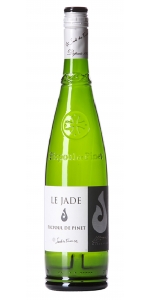
Le Jade Picpoul de Pinet is made from 100% Picpoul de Pinet
Pale straw color. Delicate white flower, citrus and juicy pear aromas. Fresh, crisp, and bright acidity with mineral and saline accents. Well-balanced and easy-drinking.
A refreshing treat laced up with snappy food-friendly acidity.
Picpoul Le Jade makes a classic match with oysters on the half shell and goes very well with exotic food in general. Picpoul means lip-smacking good.
SOIL : Clay and limestone soil just a few kilometres from the reputed Etang de Thau (salted water lagoon) overlooking the Mediterranean town of Sète.
VINIFICATION : Grapes are harvested at 12°- 13° maturity
Skin maceration for several hours
Selection of drained juice after undergoing pneumatic pressure.
Cold double decantation.
Thermoregulated fermentation at 16°C
No malolactic fermentation.
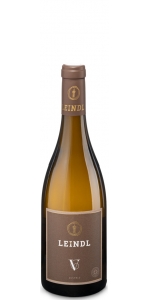
Leindl V Viognier is made from 100 percent Viognier.
Viognier is a variety that is mainly cultivated in the Rhone and produces rather strong white wines with very good aging potential.
For several years now, we have also been cultivating a vineyard with this exciting variety, which produces extremely distinctive wines year after year.
Harvested in mid-October and matured in 300l wooden barrels and stored on the fine lees for several months.
Tobacco spice, great stone fruit, honeydew melon and a strong body.

All older vintage wines have been purchased from a single collectors cellar. Pictures can be requested before shipment.
Le Jade Viognier is made from 100 percent Viognier
A refreshing treat laced up with snappy food-friendly acidity.
Picpoul Le Jade makes a classic match with oysters on the half shell and goes very well with exotic food in general. Picpoul means lip-smacking good.
The Cave de Pomerols Estate
Founded in 1932, this Cave Cooperative is located in the top commune of Pomerols, located between the garrigue of Pezenas and the sea dominated by the Mont St Clair in Sete. The co-op has merged with the Cave de Castelmau de Guers. They include 320 members and produce 55,000 hectoliters of wine (600,000 cases).
The Cave de Pomerols Vineyard
The members control 1,200 hectares of vineyard land (2,964 acres) of which 330 hectares (815.1 acres) are Picpoul de Pinet. Six communes are entitled to the name Picpoul de Pinet: Florensac, Pomerols, Pinet, Castelnau de Guers, Montagnac, Meze. The Pomerols vineyards stretch over vast sun-light terraces with clay/calcareous soils.
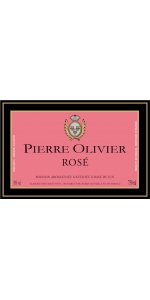
Pierre Olivier Sparkling Rose NV is a value sparkling rosé, made with Tempranillo grapes from around the French/Spanish border (next to the Pyrenees). This is a new Kysela Project.
This wine is aromatized with a very little amount of Raspberry flavor, giving a nice mouthfeel, with an extra aromatic boost.
The bubbles are obtained using the Charmat method, named after Eugene Charmat, where the second fermentation takes places in a large, closed pressurized tank. It is different from the Methode Champanoise as the secondary fermentation doesn't take place in the bottle.
"Pale pink salmon. Just a touch off-dry, this is a very pleasant sparkler that reveals aromas of spicy red apple with a hint of cinnamon that carry through to the palate. Well made and exceedingly pleasant to drink."
- International Wine Review (Annual Rosé Report / April 2013), 89 pts
Pierre Olivier Brut Vin Mousseux NV is made from 100% Airen.
A value sparkling brut, made with Airen grapes from around the French/Spanish border (next to the Pyrenees). This is a new Kysela Project.
The bubbles are obtained using the Charmat method, named after Eugene Charmat, where the second fermentation takes places in a large, closed pressurized tank. It is different from the Methode Champanoise as the secondary fermentation doesn't take place in the bottle.
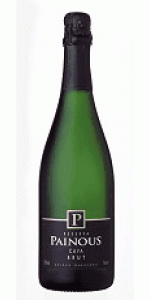
Grape varieties: Parellada 40%, Macabeo 30% and Xarel·lo 30%.
Harvest: Occurs in 3 stages. Macabeo within the first fortnight of September, Xarello during the second fortnight in September and Parellada within the first fortnight of October.
First fermentation and vinification: This is a "Methode Traditionnelle" with
soft pressing of the grapes to obtain 60% of the must (flower must). It is decanted and fermented with controlled temperatures of 18ºC for 20 days until it fully develops the primary aromas of the grapes.
Secondary fermentation: takes place in the bottle for 40 days at a temperature of 16ºC and final ageing for 20 months. Residual sugar: 7 gr. per litre.
Color: Pale yellow with green tones. Shiny and clear.
Aromas: Powerful in the nose, clean. Ageing aromas.
Taste: Soft and well structured, long aftertaste and good balance of acidity and sugar contents.
Gastronomy: It should be served chilled between 5ºC and 7ºC. A flute type glass is recommended. Excellent with pasta, red and soft meats and white fish.Painous is unique in that it is a Cava-Joven style sparkling wine, meaning, the wine receives the minimum aging of 9 months. This allows crisp, fresh aromas and flavors to be expressed. It is delicious for aperitif.
Review:
"Golden straw color. Aromas and flavors of brown butter poached pear, marzipan, lemon and apple, and floating in the pool with the grill going with a round, crisp, finely carbonated, dry medium body and an interesting, medium-length finish manifesting notes of dried apples, apricot jam, blanched almonds, and jasmine rice with no oak flavor. Layers of flavor from fruit to earth dance on the tongue for a classic expression of sparkling wine from Catalonia."
- Beverage Testing Institute (November 2022), 91 pts - Gold Medal
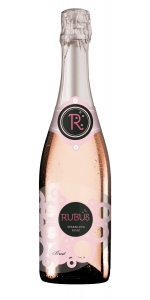
Rubus Brut Rose is made from 60% Tempranillo, 40% Bobal.
The Rubus Project was created by Fran Kysela as a way to source & sell incredible wines at value prices. All wines in this international project are hand-selected by Fran Kysela. Rubus wines are fruit driven, true-to-type values that over deliver - a true representation of quality for the consumer at an excellent price.
Stunning salmon-pink hues. The nose is intense and fine, dominated by notes of red berries. On the palate, the combination of fine bubbles and delicate aromas produces a delightfully light and silky rosé.
Machine harvest. The base wine is fermented at a low temperature. The second fermentation takes place at 14°C for 2 weeks, followed by dosing.
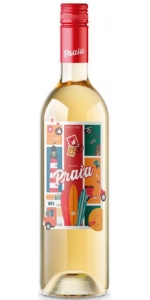
Praia Aveleda Vinho Verde NV is made from 40% Loureiro, 20% Trajadura, 20% Arinto, 20% Azal.
Praia, which means "beach" in Portuguese, is a smooth and fresh wine with delicate and lovely fruity flavors. Slightly spritzy, it is well balanced and very refreshing.
The region is typical for its unique wines that are fresh and light, combined with a very well balanced acidity. These characteristics result from the region's unique soil and climate, with a strong Atlantic influence that you will identify when you taste it.
The wine is ideal as an aperitif or throughout a meal, especially with fish, seafood, white meat and salads. Due to it freshness, it is particularly pleasant in a relaxed and informal ambiance.
Hickinbotham Trueman Cabernet Sauvignon is made from 100% Cabernet Sauvignon.
The 2019 Trueman Cabernet Sauvignon possesses aromas of mulberry, Asian spices, tapenade, espresso beans and rose petals. The flavours evolve on the palate, with notes of bittersweet chocolate framed by vibrant acidity that gives way to a luxurious mid-palate and persistent finish.
Review:
Dark as night, packed with concentrated aromas of menthol, bay leaf, tobacco, cedar, vanilla and cassis, the 2019 Trueman Cabernet Sauvignon is a rich, powerful Cabernet with notable herbal overtones. Full-bodied, ripe and velvety in texture, it finishes with hints of dark chocolate and scorched coffee. Long and structured, with dusty tannins on the finish, it should age well for at least 10–15 years.
- Robert Parker's Wine Advocate 94 Points
-James Suckling 94 Points
Elvio Cogno Cascina Nuova Barolo is made from 100 percent Nebbiolo.
Born to satisfy the curiosity of consumers keen to have a more immediate understanding of Barolo, the wine is bright garnet red in color with orange tints. Pleasing and immediate, it offers scents of flowers and light, delicate spices. The mouth is agreeably rounded, juicy and fresh, with just the right balance between pleasantness and elegance. The aftertaste is very harmonious with a mineral, aromatic finish.
Review:
This Barolo shows lavender, dried cranberries, licorice and a touch of tile on the nose. The palate is medium- to full-bodied and balanced, with lovely, succulent fruit complemented by incisive acidity. The tannins are fine grained yet chewy, but they gradually resolve toward the bright finish. Better from 2026.
-James Suckling 96 Points