" We don't sell the wine without touching the vine "
| Country: | South Africa |
| Region: | Western Cape |
| Winery: | Lismore Estate Vineyards |
| Grape Type: | Syrah |
| Organic: | Yes |
| Vintage: | 2016 |
| Bottle Size: | 750 ml |
Lismore Estate Syrah is made from 100 percent Syrah.
A careful selection of the best of the vintage that exemplifies the extraordinary terroir of Lismore.
An exotic experience which shifts your mind to another place. Cassis, brambles and succulent cherry. White pepper, classic garrigue and the strong floral perfume of crushed violets. Light and elegant, but structured with a fresh acidity. To experience the best this wine has to offer, decanting is suggested.
The grapes were fermented 40% whole bunch in a 5000 litre wooden fermenter with gentle pigeage throughout. The process allowed for a long extraction period which lends to the fruit expression of this wine. The wine was left for a 30 day extended maceration on the skins and then pressed in a traditional baskets press. Matured in 500 litre barrels for 10 months (35% new). Time in the bottle will allow integration, the deepening of layers and full expression of the fruit.
Review:
Bursting with purple flowers and savory, spicy notes, the 2022 Estate Reserve Syrah was made with 50% whole-cluster fruit, offering a crunchy, red-fruited nose that pops with delightful tertiary expressions of turned earth and pencil lead. Light to medium-bodied and with 12% alcohol, the wine compresses slightly to show an earthy, graphite edge on the palate while slightly stemmy notes sway with fine-grained tannins across the mid-palate. Flavors of potpourri with spiced cherry skin somersault with red and purple flower essences before finishing with hints of pink peppercorn over the elegant and elongated finish. Just under 5,000 bottles were produced after the wine spent 11 months in 25% new oak barrels.
-Wine Advocate 96 Points
Cassis, blackberry and cherry. White pepper, ground herbs and the strong floral perfume of crushed violets. Light and elegant, but structured with fresh acidity.
40% Whole bunch ferment in small open vats. 60% destemmed and fermented in a 5000 ltr wooden fermenter with gentle pigeage (punch down of the cap) throughout. Pressed in a traditonal wooden basket press and racked into a 3000 litre oak vat for 9 months.
"The 2017 Syrah comes from Elgin and Greyton and includes 40% whole-bunch fruit aged in 500- and 700-liter barrels (30% new). It has a gorgeous bouquet of raspberry, pomegranate, burning embers and crushed violet aromas that seem to give the olfactory senses a big hug. The palate is quite brilliantly balanced, the fine tannins framing vivid brambly red and black fruit laced with cracked black pepper, dessicated orange peel, clove and an undercurrent of garrigue that becomes more prominent on the persistent finish. A fabulous Syrah from proprietor and winemaker Samantha O’Keefe. - Neal Martin"
- Antonio Galloni's Vinous (November 2019), 95 pts
Cassis, blackberry and cherry. White pepper, ground herbs and the strong floral perfume of crushed violets. Light and elegant, but structured with fresh acidity.
40% Whole bunch ferment in small open vats. 60% destemmed and fermented in a 5000 ltr wooden fermenter with gentle pigeage (punch down of the cap) throughout. Pressed in a traditonal wooden basket press and racked into a 3000 litre oak vat for 9 months.

No Syrah terroir in Sonoma County compares with Sonoma Mountain’s northwest crown—cool fog-affected mornings, sun-bathed afternoons, cooled by persistent coastal breezes, and temperate evenings. The soils in Steiner’s Syrah blocks — ashy and moondust-like, littered with decomposing sea bed — further contribute to the unique nature of this site. After a 3-vintage hiatus, I am thrilled to be back working with Steiner Vineyard’s Syrah. By its nature, this slow-to-ripen, cool-climate site produces fabulously deep, intense, structured wines. Now, raising a big, brawny Syrah is no rare act of alchemy. It is the wonder of Steiner’s terroir — a magical elegance and beauty, informing the inherent power, depth and intensity — that makes this bottling so special. 2016 produced a classic wine that deftly balances massive flavors and texture, while retaining vital freshness, and a palpable sense of cool. Production was low, so get it while you can. Simply a “WOW” wine, not to be missed.
VINEYARD: Steiner Vineyard. Located at 1,100 ft, on the northwest crown of Sonoma Mountain. CRUSH: Early morning harvest by hand, October 1st, cluster and berry sorted, destemmed and crushed. FERMENT: 5-day cold soaks, followed by 14 day native fermentation in open-top bins. AGING: 20 months, French oak, 100% new, mixture of 300L hogsheads and barrique shapes. Never racked prior to bottling. Bottled unfined, unfiltered.
Review:
"Refined and stylish, featuring a complex core wrapped in multilayered blackberry and blueberry flavors, laced with bitter chocolate, black licorice and smoky meat notes. Drink now through 2030.- Tim FISH"
- Wine Spectator Insider (January 15th 2020), 93 PTS
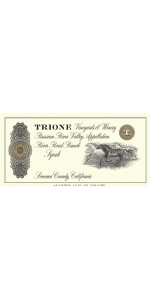
The epitome of cool climate Syrah. Intense and inviting, earthy, peaty but with concentrated fruit flavors of plums, blackberries, blueberries and black cherry all mixed together. Savory yet sweet, this wine just lingers on the palate. Paired with a rich lamb stew, smoked meats or your favorite Fall holiday meal, this wine will shine and develop beautifully for the next 5-7 years.
Review:
"This is a full-bodied Pinot, with rose petal and cinnamon peeking out of underbrush. It's savory, rich, and spicy, with an earthy finish."
- The Tasting Panel (March 2021), 93 pts
"A rich, layered pinot with strawberry, meat, cedar and smoke aromas and flavors. It’s full-bodied and rich, yet remains focused and bright at the end. Drink or hold."
- James Suckling (December 2020), 93 pts
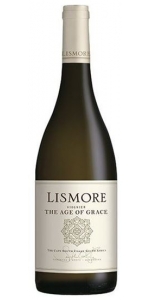
This is a Greyton WO.
Balance is the key to this wine. Viognier is an aromatic and generous varietal, it benefits from barrel maturation and lees contact with a fuller mouth feel and increased texture. This combined with the firm acid backbone and intense fruit will allow this wine to integrate beautifully and gain further complexity over the next 3-5 years.
Rich, lush and decadent. Viognier is a gorgeous variety. Honeysuckle, peaches and dried apricot with a lingering citrus finish. A clean fresh acidity supports the extravagance of the nose and the palate.
Viognier, a traditional Rhone variety is perfectly suited to Lismore’s cool-climate terrior. The vineyard block is on decomposed shale and one of the healthiest and well balanced on the farm. The entire team looks forward to the Viognier harvest and the beautiful amber tinged berries.
The grapes were picked at optimal ripeness and whole bunch pressed, slowly extracting the juice at a rate of 500ltrs per ton. The juice was settled for 48 hours and was racked into burgundian barriques (1st fill) for fermentation and maturation. The wine was left on the lees with regular “batonnage” for 11 months.
Lighter styles are often paired with curries and the like. This Viognier is different. We recommend medium bodied meals that are intense and complex. For example:
- Sesame encrusted tuna marinated in a blend of orange, lemon and lime juice spiced with sesame oil and balsamic vinegar – seared on a wood fired grill and served with griddled vegetables, or
- Free range duck breast smoked with Darjeeling tea and coriander leaves. Set on a cinnamon poached pear glazed with a gooseberry jus.
In both of these dishes, the fruit and floral aspects of the wine are complimented by the exotic and aromatic elements in the dish which are also highlighted by the spiciness from the oak fermentation; the fresh acidity freshens the palate, and yet the Lismore Viognier has the body to hold up against the weight of the duck or the tuna. It is also gorgeous with a well laid cheese platter.
Review:
"The 2021 Viognier The Age of Grace comes from Sutherland and Bot River, whole bunch pressed with 11 months on the lees using 15% concrete eggs. With pretty white peach and Mirabelle scents on the nose, this takes time to blossom, but it never fully lets go. The palate is medium-bodied with a gorgeous dried apricot, mango and spicebox entry, nothing blowsy here with a very focused, almost understated finish. Excellent. - Neal Martin"
- Antonio Galloni's Vinous (September 2022), 93+ pts
Importer Sale
Cassis, blackberry and cherry. White pepper, ground herbs and the strong floral perfume of crushed violets. Light and elegant, but structured with fresh acidity.
40% Whole bunch ferment in small open vats. 60% destemmed and fermented in a 5000 ltr wooden fermenter with gentle pigeage (punch down of the cap) throughout. Pressed in a traditonal wooden basket press and racked into a 3000 litre oak vat for 9 months.
Review:
"The 2015 has sold out so quickly that Sam O’Keefe is already on to the 2016, which is every bit as good and less funky. Bloody, rich and stony, this is focused, concentrated and well balanced, showing a lick of new oak, dark, brooding fruit flavours and a twist of white pepper. 2019-26. - Tim Atkin"
- Tim Atkin Master of Wine (SA Special Report 2016), 95 pts+ REDS - WINES OF THE YEAR 2017
Lismore Estate
Tucked into the foothills of a dramatic mountain range at the bottom of Africa is Lismore Estate Vineyards. Californian Samantha O'Keefe has found paradise and the perfect terroir. Her passion combined with vines planted at 300 meters, chilled by the winter snow and nourished by the African summer sun, produce classic cool climate wines which are rich, complex and lovingly hand crafted.
Lismore Estate Vineyards
The Overberg region is rapidly earning a reputation for premium cool climate grapes. Greyton has now been designated a ward within that district recognizing the unique terroir expression of the wine that is produced there. Lismore is the only registered wine estate in the Greyton ward. Lismore's vineyards are planted on slopes at the base of the Riviersonderend Mountain Range. The combination of elevation and climate make for an extended ripening period which is roughly 3-4 weeks later than the more traditional wine growing areas in the Western Cape. There are a total of 12.5 ha planted with Chardonnay, Syrah, Sauvignon Blanc, and Viognier.
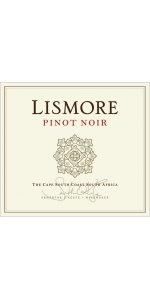
Lismore Pinot Noir is made from 100 percent Pinot Noir
Complex bouquet of crushed rose petals, wild jasmine and fresh French herbs followed by a palate full of cranberry, raspberry and a long savory finish.
The grapes were picked at optimal ripeness. 30% whole bunch fermented in large 5000 liter vats with gentle pump-overs twice a day. The process allowed for a long extraction period which lends to the fruit expression and structure of this wine. The free run wine was drained off and the fermented grapes were then pressed in a traditional wooden basket press. The wine was racked into 225, 300 and 500 liter barrels where malolactic fermentation took place and the wine was aged for 10 months. 35% new French oak was used.
Review:
"The 2018 Pinot Noir comes from Walker Bay and Kaaimansgat and includes 30% whole-bunch fruit, aged for 11 months in 25% new oak. The bouquet sports vivid red cherry and raspberry fruit that is exceptionally well defined and beautifully integrated with the oak. The palate is medium-bodied with supple tannins, well-judged acidity and a slightly fleshy texture. There is just the right amount of salinity here, and the finish is kept on a tight leash, allowing the detail and precision to be fully expressed. A slight sour edge on the finish keeps you coming back for another sip. Excellent and reassuringly classy. - Neal Martin" - Antonio Galloni's Vinous (November 2019), 92 pts
"Walker Bay and Elandskloof are the twin sources of 30% whole bunch-fermented Pinot from Sam O'Keefe. Juicy, floral and charming, it's a graceful, fruit forward style with some clove and tobacco spice and refreshing acidity. The finish is a little firmer than I remember. 2020-24"- Tim Atkin (South Africa 2020 Special Report), 92 pts
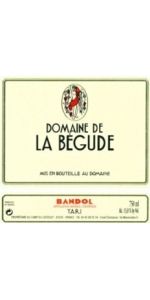
Begude Bandol Rouge is made from 90% Mourvèdre, 10% Grenache.
Eye: dark ruby colored
Nose: Intense, aromatic, fresh and elegant
Mouth: Structured on black fruits flavors, lightly woody , tanins are strong an firm in their early days (<5years) Good acidity give freshness backbone and great fruit/alcoholic balance . Delicate final on spices.
Opening: Decant 4-6 hours before serving
Soil: Clay-limestone Culture: Organic without pesticides nor chemicals additives Yield: 20 hectoliters/hectare Harvest: Manual in small cases Winemaking: Double sorting, 100% destemming, skin contact, with daily sticking in order to optimize color and aromatic extraction Alcoholic fermentation 15 days followed by malo lactic fermentation. Aging: 18 months in oak cask Bottling:
Grilled lamb, meat cooked with sauce, southern French cuisine and tasty dishes (tajines, couscous, paellas).
Review:
"Inviting spicy oak, malt and blackberry cream scents. Powerfully structured tannins, spicy liquorice and clove flavours as well as bramble fruit; very long finish. Its best years are far into the future. Terrific stuff."
- Decanter World Wine Awards 2020, 97 pts & Platinum Medal
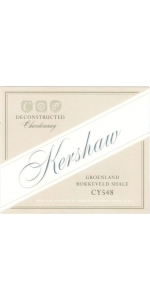
Kershaw Chardonnay Deconstructed Groenland Shale CY548 is made from 100 percent Chardonnay.
The inspiration for this Chardonnay stems from my belief that the Elgin region has both a signature grape as well as particular terroirs within its demarcated boundary that reflect regional credentials. This Chardonnay was selected from a sub-region of Elgin from a specific vineyard and an individual clone (CY548).
Tasting Notes:
Sourced from the foothills of the Groenland Mountain in Northern Elgin this clone has been taken from Corton Charlemagne cuttings. It produces wines that have aromatics oscillating between lemon blossom, white flowers, petrichor and struck stone. Full in body they exude concentration with white stone fruit yet reinforced with an austere texture and robustness that makes for excellent aging potential. The Bokkeveld Shales adds structure and concentration to the flavor.
Vineyards:
Sourced from the foothills of the Groenland Mountain in Northern Elgin this clone has been taken from Corton Charlemagne cuttings.
Winemaking:
Grapes were hand-picked in the early autumnal mornings, placed into small lug baskets and tipped directly into a press before being gently whole-bunch pressed up to a maximum of 0.6 bar or until a low juice recovery of 580 liters per ton was obtained. The juice gravity-flowed directly to barrel (no pumps were used at all) without settling. The unclarified juice had no enzymes or yeast added to it and therefore underwent spontaneous fermentation until dry, with malolactic discouraged. The wine rested in barrel for 4 months prior to judicious sulfuring and a further 7 months’ maturation in barrel before racking and bottling.
Barrel: Selection: A small number of artisanal coopers are selected from mostly Burgundy, with only French oak was chosen. Up to 40% of the oak is new with the remainder split into 2nd and 3rd fill barrels of predominantly 228 litres.
Look at pairing this with textured fish, straightforward chicken dishes, pan-fried or grilled pork dishes, soft-rind cheeses, cream or creamy dishes be it with pasta or the aforementioned fish, chicken or pork, to allow the complexity of the wine to shine through. If using mustard, preferably use Dijon mustard as it uses verjus (soured grape juice) and not vinegar. Also look to delicate herbs (tarragon, dill, basil, parsley) rather than hard stalked herbs (rosemary, thyme, oregano, etc). Avoid smoked meats or fish as well as highly spiced dishes as this can overwhelm the wine and clash with the oak. I would try oysters; Lobster grilled or boiled but not thermidor as it is too rich; turbot, dover sole, sea bass, yellowtail with a shellfish sauce; fish pie; roasted free-range chicken with tarragon; roast loin of pork with garlic and ginger; truffle risotto; pasta in a clam sauce; slice of brie de meaux.
Review:
"Perfume of flowers, minerals and citrus zest. The palate is dense and focused, almost chewy with an opulent mandarin mid palate and long, savory finish. Matured in 50% new oak that is seamlessly integrated with the wine."
- International Wine Review (Richard Kershaw Lifts Elgin To New Heights, February 2019), 94 pts
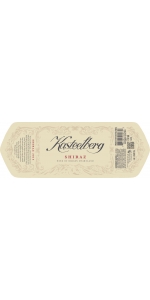
The Kasteelberg range of wines, celebrates the discovery of Riebeek and the Kasteelberg mountains in 1661. Kasteelberg stands sentinel over the fertile valley below. From the slopes of the mountains, hand-selected grapes are expertly crafted with care to produce rare and expressive wines. The Kasteelberg range truly is the pinnacle of our Winemaker's art.
Often referred to as Shiraz Country, the Riebeek Valley is renowned for exceptional Shiraz wines.
The Kasteelberg Shiraz is a lively rich wine, full bodied with a subdued smokiness on the nose and a pallet of ripe fruit and interesting spice.
Well-balanced and smooth, the aftertaste lingers with the exciting flavors of Christmas pudding.
Serve at room temperature. The perfect companion to barbequed lamb, fillet medallions and game. Lovely with Springbok stuffed with bacon, garlic and rosemary and a great match to a cheese and preserve platter.
Review:
"I'd expect to prefer the 2017 Shiraz to the 2018 bottling, but it's actually the reverse. Maybe Alecia Boshoff has just got more experience with the fruit from this Kasteelberg site. Sweet and spicy, with enticing incense and violet aromas, fine tannins, succulent red berry fruit and deftly integrated one-third new oak. 2021-26"
- Tim Atkin (South Africa 2020 Report), 92 pts
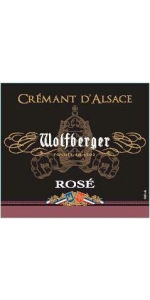
Wolfberger Cremant d Alsace Rose Brut is 100 % Pinot Noir.
The wines from Alsace date back to 589 A.D., but Cremant d’Alsace has more recent beginnings, starting in 1900. Dopff au Moulin (founded in 1574) was the first to produce Cremant d’Alsace in the Method Champenoise style. Cremant d’Alsace received AOC status for sparkling wine in 1976. Two types of Cremant are produced today, resulting in about 2.5 million+ cases of Cremant d’Alsace production annually:
Wolfberger's Cremant d'Alsace Rose Brut displays a lovely delicate salmon color with active, small bubbles. Round and full-bodied, this Cremant Rose displays beautiful watermelon and strawberry aromas cascading in a smooth finish. A minimum of 15 months bottle aging before disgorging ensures ripeness.
Domaine de la Janasse Chateauneuf-du-Pape Cuvee Vieilles Vignes is made from 65% Grenache, 20% Mourvèdre, 10% Syrah, 5% divers.
In contrast to Chaupin, which is made from old-vine Grenache on sandy soils, the cuvée Vieilles Vignes is from old vines of Grenache, Mourvedre, Syrah along with smaller percentages of other permitted varieties that are grown in these old vineyards. The wine is sourced from 4 terroirs: pebbly clay, sand, gravelly red clay and sandy limestone. Vieilles Vignes is always the most powerful and concentrated Châteauneuf-du-Pape cuvée made at Domaine de la Janasse.
Review:
The advantages of old vines are perhaps most evident in the more difficult vintages (whether hot and dry or cool and rainy). The 2021 Chateauneuf du Pape Vieilles Vignes is a strong effort, delivering supple, velvety waves of ripe black cherries and black raspberries. Medium to full-bodied, it's rich and concentrated without seeming at all heavy or unbalanced, finishing long and juicy. It's approximately 75% Grenache, 15% Mourvèdre, 5% Syrah and 5% other varieties, keeping in mind that up to 15% of the old Grenache vines are actually Clairette Rose.
-Wine Advocate 96 Points
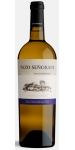
Pazo de Senorans Seleccion de Anada Albarino is made from 100 percent Albarino.
Straw yellow with greenish tints, vivid and brilliant. High intensity and very expressive. Profusion of aromas with traces of mineral. Great volume and ample body leaving a lasting impression from beginning to end.
Reviews:
The 2015 Albariño Selección de Añada is nothing short of phenomenal. For some reason, I hadn't tasted the young 2015 Albariño at the time it was released. It comes from the Los Bancales vineyard planted some 50 years ago and fermented with indigenous yeasts but without malolactic fermentation. It has a bright, almost fluorescent color and a complex, subtle and nuanced, elegant and expressive nose, with notes of sea shells and sea breeze, grass and white flowers. It's very clean, and the palate shows great balance and even feels a bit young. It has remarkable acidity and freshness (seven grams of tartaric acid) with good ripeness and 13% alcohol. This matured in tank with lees for over 30 months and was bottled in June 2024. It feels more serious and less exotic than earlier vintages. 18,000 bottles produced. This is the finest vintage that I can remember. Bravo!
-Wine Advocate 97 Points
Tech: