
" We don't sell the wine without touching the vine "
| BUY MORE! SAVE MORE! | ||||||||||||||||||||
|
| Country: | Italy |
| Region: | Piemonte |
| Winery: | Livia Fontana |
| Grape Type: | Barbera |
| Vintage: | 2018 |
| Bottle Size: | 750 ml |
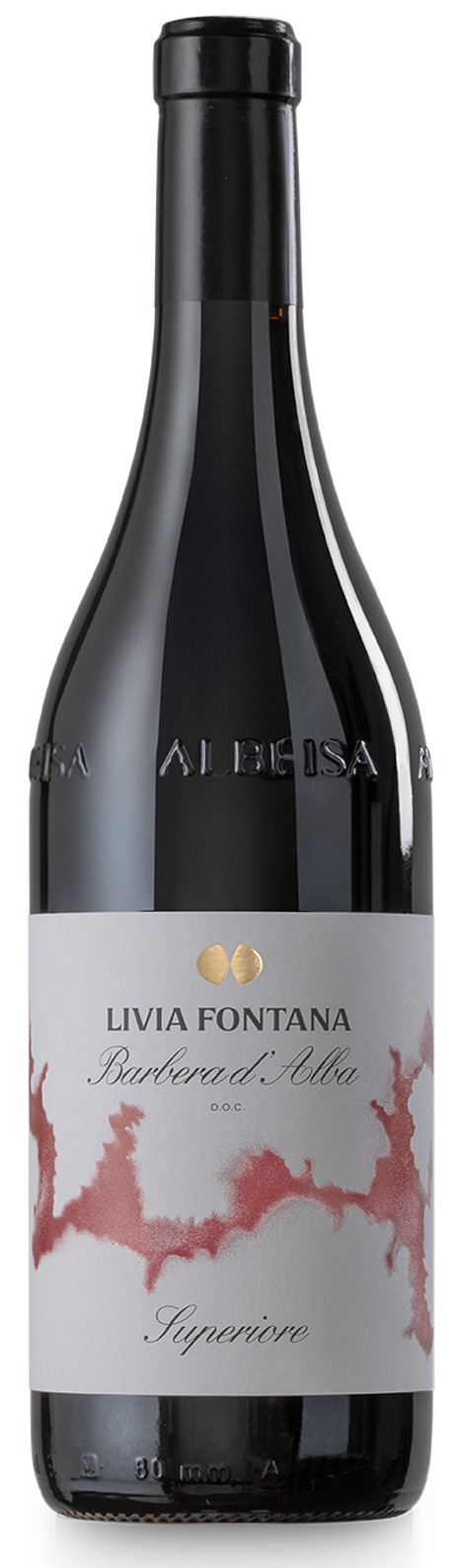
Livia Fontana Barbera d'Alba Superiore is made from 100 percent Barbera.
Organoleptic characteristics: intense ruby red color. Fresh and intense aromas with currants and berries notes. Warm, full, rich and persistent taste, full body. Suitable for long aging.
Excellent accompaniment to warm appetizers, rich first courses, red meat and the medium-seasoned cheeses.
Livia inherited the passion for viticulture from her father Ettore and she in her turn transmits with love and enthusiasm the values of those who preceded her in these vineyards. After more than two hundred years, the blood and fiber of the company are still united and today carried forward by the eighth generation while maintaining the history of the family’s objectives made with seriousness, commitment and love of the earth.
The Livia Fontana winery is a rare case in which business and family blend together blurring the boundaries of both, becoming an example of how the convergence of objectives makes the family united and the company successful. The winery is managed by Livia Fontana and her two sons, Michele and Lorenzo, who have been preceded by seven generations of the Fontana family. Each with their own roles brings energy, enthusiasm, competence and passion. The result is excellent wines that are appreciated throughout the world for the way in which tradition and new technologies merge in products of very high quality.
Alain de la Treille Pinot Noir is beautifully balanced with an elegant ruby robe. The mouth is velvety with black cherry aromas.
Average age of the vines: 25 years.
Classic red vinification and Maturation in stainless steel vats.
Malolactic fermentation.
Wine is filtered before bottling.
It delights those who prefer drinking red wine with fish and is an ideal partner with charcuterie, white meats and mild cheeses.
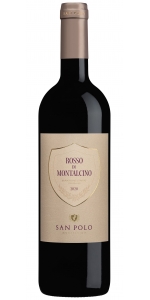
Bright and glossy ruby red in color. On the nose it reveals aromas of small fresh berries and a trace of sour cherry, melded with hints of blackberries and black cherries, followed by a hint of vanilla. A fragrant wine with satisfying intensity. On the palate it is warm, smooth and a medium-bodied with finely-balanced tannins. Dry and sinewy yet fresh with a persistent, aromatic finish.
It naturally accompanies dishes that are typical of Tuscan cuisine with its bold, authentic flavors, such as pasta and risottos made with mushrooms or truffles, pork, grilled meats and medium-matured cheeses.
Review:
Notes of ripe cherries, dried flowers and walnuts with hints of anisette and licorice. Medium- to full-bodied, compact and dense with creamy tannins and steady acidity. Weighty and structured. Drink or hold.
-James Suckling 91 Points
Visual aspect: Straw yellow color with persistent mousse.
Aromas: Fruity notes of delicious Golden apple and Kaiser pear with a pleasant citrus background.
Mouthfeel: The wine is well balanced with a nice acidity and minerality, combined with freshness and complexity.
The finish is long and very pleasant.
Area of origin: Valdobbiadene, Conegliano, Vittorio Veneto.
Soil: calcareous clayey
Varietal: Glera (known as Prosecco)
Harvest: manual harvest with grape selection
Winemaking: off skins by gentle pressing.
Primary fermentation with controlled temperature by selected yeats.
Refinement :Stainless Steel tanks
Foaming: secondary fermentation in "autoclave" (cuve close) at a controlled temperature with selected fermentation as long as a 5 bar pressure is reached.
Fining: 60 days
Training system: autochthonous called "capuccina modificata"
Bottling: isobaric bottling after sterile filtration.
It is ideal for important occasions and as an aperitif. It is also excellent with risotto and noble meat.
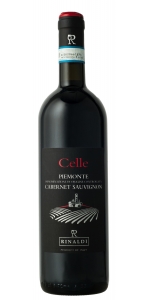
Rinaldi Celle Piemonte Cabernet Sauvignon is made from 100% Cabernet Sauvignon.
Intense red color with purple reflections. The characteristic aroma is pleasant and dominated by notes of blackberry, plum and black currant. A short passage in wood gives it elegance and complexity.
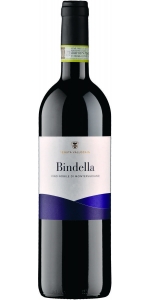
Bindella Vino Nobile di Montepulciano is made from 85% Sangiovese, 15% Colorino del Valdarno, Canaiolo nero and Mammolo.
Elegant, with typical hints of iris, rose and red berries together with balsamic notes after several years of ageing in the bottle. Balanced, pleasantly tannic and well-bodied on the palate.
A wine of great authenticity to accompany pasta with elaborate sauces, red meat, truffles and soft or mature cheeses.
SALE!
Lodi, American Viticulture Area (AVA) – The Lodi AVA is located in the northern end of the San Joaquin Valley, Central Valley California, east of the San Francisco Bay. Lodi has warm days and cool nights, similar to the Mediterranean climate. The lower temperatures that occur in Lodi result in fruit with good acidity. A wide range of soils are found in the Lodi AVA, but they generally are deep, loamy, sandy, rocky soils similar to that found in southern Rhone valley.
The Lodi appellation totals almost one half million acres, and the approximately eight hundred growers farm roughly 90,000 acres. Lodi produces more Cabernet Sauvignon, Chardonnay, Merlot, Sauvignon Blanc, and Zinfandel than any other wine region in California, but it is probably best known for its old vine Zinfandel. The vines are often head trained giving them a classic old world appearance.
Zinfandel – The Zinfandel grape is a hearty variety that produces grapes with high sugar levels, often resulting in wines with a high alcohol content. Thought to be a relative of Primitivo that is found in southeast of Italy (the boot heel), Zinfandel can be made into a wide range of wine styles, including White Zinfandel, light or full bodied red wines, and even late harvest desert style wine. However Zinfandel, especially Old Vine Zinfandel from Lodi, is usually made into a full bodied, spicy red wine with characteristics of red fruit, raspberry, and cherry.
Produced in the heart of Lodi AVA.
Rubus Zinfandel Lodi is made from 98% Zinfandel + 2% Cabernet Sauvignon
Bottled after aging in French and American oak for 9 months.
Rubus Zinfandel Lodi presents with ruby red in color, with red fruit, raspberry, and spice on the nose. This wine is medium in body, with notes of ripe cherry, cedar box, cinnamon, anise, black pepper, and hint of smoke on the palate. It has a long, silky finish.
Selected by Fran Kysela MS.
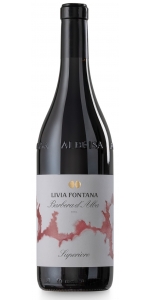
Livia Fontana Barbera d'Alba Superiore is made from 100 percent Barbera.
Organoleptic characteristics: intense ruby red color. Fresh and intense aromas with currants and berries notes. Warm, full, rich and persistent taste, full body. Suitable for long aging.
Excellent accompaniment to warm appetizers, rich first courses, red meat and the medium-seasoned cheeses.
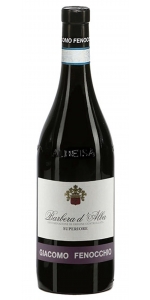
Fenocchio DOC Barbera d'Alba Superiore Bussia is made from 100 percent Barbera.
The color is a deep ruby red with garnet reflections. It has a rather intense bouquet, with scents typical of the vine and a full bodied and dry flavor, with a distinct and pleasing acidity. It becomes mature with aging, acquiring a full and balanced flavor.
Parcel is 2.5 hectares (6.2 acres) planted at 300 meters above sea level.
It pairs well with red and white meats, tagliatelle pasta and cheeses.
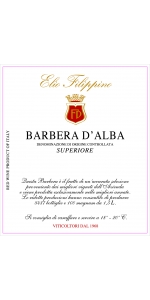
Filippino Elio Barbera d'Alba Superiore is made from 100% Barbera.
This 100% Barbera shows an intense fruity bouquet with subtle vanilla and toasty notes. Full and spicy flavors, and a good body.
The grapes are pressed and the stalks are removed. The must ferments at about 26°C for 6-9 days. After racking, before the end of fermentation, the new wine is put in 225 liter Allier barriques for long months, depending on the vintage and the wine’s structure. It is subsequently moved into stainless steel vats to rest for some months before bottling.
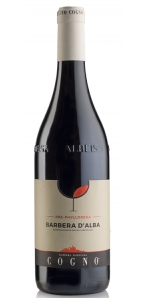
Elvio Cogno Pre-Phylloxera Barbera d'Alba is made from 100 percent Barbera.
Produced from one of the last archaic vines of the Langhe area, an open air museum of viticulture from a time gone by, the plants are over one hundred years old. The vines are not grafted but propagated through cuttings, thus maintaining, over the decades, the original Barbera characteristics.
The vineyard has an excellent exposure and sandy-chalky terrain, situated in Berri near La Morra, which guaranteed the vines a natural protection from Phylloxera and imparts unique and exclusive characteristics to the vines. The intriguing simplicity of the vines and their typical, traditional charm that derives from the microclimate and favorable altitude make a one of-a-kind wine.
The low production per hectare guarantees an intensely rare and rich organoleptic concentration. The wine is refined in oak casks that slowly develop the primary aromas. Pleasant and refined, complex even as a young wine but able to withstand bottle aging, it expresses its solid uniqueness even over the years.
A bright, rich ruby color with intense purplish highlights. The aroma is enveloping, aromatic and deep with noticeable spices on first impression and raspberry, strawberry and ripe cherry notes in background. Finish with pleasant harmonies of wild flowers. On the palate it is well structured, fresh and the acidity is excellently balanced, the tannins texture is embracing and flavors remind you of sour cherries, blackberries and prunes.
Review:
Planted in almost entirely sand, this own-rooted vineyard with some vines over 120 years old is a singular expression of Barbera. Elegant aromas of wild rose and fresh bay leaf mixed with cranberry, sour cherry and underbrush are just some of the notes you will discover in this complex wine. The palate is refined and well-balanced with fresh youthful red fruits, fresh flowers and fine tannins driving the wine home. Drink Now–2035.
-Wine Enthusiast 95 Points
Reviews:
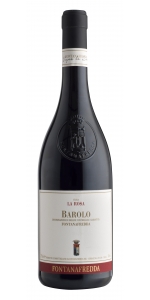
On the savory side, this red opens with freshly mowed grass, hay and eucalyptus aromas before revealing cherry, strawberry, rose and mineral flavors. Fleshy, with a matrix of dense tannins flexing their muscles on the finish. Shows excellent potential. Best from 2023 through 2042.
-Wine Spectator 96 Points
Floral and red fruit nose. Supple attack, very polished and concentrated, with fine-grained tannins and ample acidity. This has a linear drive, precision. and a very long finish. The rewards will be substantial for the patient consumer.
-Decanter 97 Points
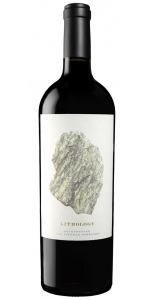
Alejandro Bulgheroni Lithology Beckstoffer Las Piedras Cabernet Sauvignon is made from 100 percent Cabernet Sauvignon.
From a St. Helena vineyard planted by early Napa settler Edward Bale more than 150 years ago, and later serving as the estate vineyard for the area’s first winery built by Henry Pellet in 1860, the Las Piedras site always gives us our prettiest wine. When placed next to Dr. Crane and To-Kalon wines, the Las Piedras show a certain elegance, with a very graceful entry and finely detailed complexity. We produce it with at least 75% new French oak, so there is a floral, spicy, and vanilla accent to the intense red and black fruits, cassis, and black cherry liqueur. What distinguishes this bottling is the beautifully fine tannins, delicate texture, and stunning purity. (Less than 100 cases made.)
Fermentation 70% Oak, 24% Concrete, 6% Puncheon
Review:
"The 2018 Cabernet Sauvignon Lithology Beckstoffer Las Piedras Vineyard comes from a world-class site outside of St. Helena and is all Cabernet that spent 20 months in 80% new oak. It offers a touch more red fruit as well ample cassis, spring flowers, loamy earth, and spice-like aromas and flavors. It has a wonderful sense of minerality, ultra-fine tannins, a dense, layered texture, and incredibly purity of fruit. It’s another just about off the charts release from this estate."
- Jeb Dunnuck 98 Points
Robert Mondavi Winery Napa Red Blend is made from 74% Cabernet Sauvignon, 13% Cabernet Franc, 9% Merlot, 4% Petit Verdot.
Robert Mondavi’s vision was to elevate Napa to the world stage. In celebration of his achievement, our Napa Tier wines are sourced from distinctive vineyards throughout the Napa Valley and truly emulate a classic Napa Valley style.
Nearly half of this year’s blend is sourced from the deep, well-drained soils of Oakville, which provides gorgeously dark, supple wines with fine tannins. Stags Leap District, Oak Knoll, Yountville, and Rutherford also find their place in the bottle, with the varying mesoclimates and soils of these vineyards integrating seamlessly into a 100% Napa Valley blend.
Review:
"Dominated by 80% Cabernet Sauvignon with smaller percentages of the other Bordeaux red grapes, this wine speaks of heritage and prestige. Broad, silky, and powerful, the graceful liquid is enhanced by dark chocolate, white pepper, black plum, violets, and sweet earth."
-Meridith May, Tasting Panel, January/February 2023 Pts. Tasting Panel
Weinkeller Erbach Riesling (liter) is 100 percent Riesling.
Round and refreshing wine with light touches of lemon and lime on the nose. Slightly sweet mouthfeel, with juicy and fruity flavors.



