" We don't sell the wine without touching the vine "
Rubus Brut Rose is made from 60% Tempranillo, 40% Bobal.
The Rubus Project was created by Fran Kysela as a way to source & sell incredible wines at value prices. All wines in this international project are hand-selected by Fran Kysela. Rubus wines are fruit driven, true-to-type values that over deliver - a true representation of quality for the consumer at an excellent price.
Stunning salmon-pink hues. The nose is intense and fine, dominated by notes of red berries. On the palate, the combination of fine bubbles and delicate aromas produces a delightfully light and silky rosé.
Machine harvest. The base wine is fermented at a low temperature. The second fermentation takes place at 14°C for 2 weeks, followed by dosing.
Rubus Prosecco Organic is made from 100% Glera.
The Rubus Project was created by Fran Kysela as a way to source & sell incredible wines at value prices. All wines in this international project are hand-selected by Fran Kysela. Rubus wines are fruit driven, true-to-type values that over deliver - a true representation of quality for the consumer at an excellent price.
Clean, light, fresh & airy. 100% Glera, Certified Organic + vegan friendly.
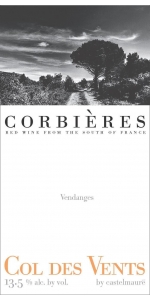
Castelmaure Corbieres Vin-Gris (Rose) is made from 80% Grenache, 10% Carignan, 10% Cinsault.
Pale pink rose color, a classic gris de gris wine with salmon hues.
Delicate strawberry nose, seamless and fine pointed.
Delicious as an aperitif, it is also great when paired with seafood, salads, Asian-Thai cuisine, grilled fish and tajines.
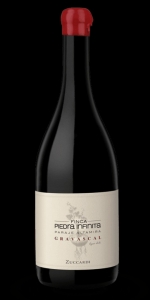
Familia Zuccardi 'Finca Piedra Infinita' Gravascal is made from 100 Malbec.
WINE DATA:
Grape Composition: 100% Malbec
Appellation: Finca Piedra Infinita, IG Paraje Altamira,Valle de Uco, Mendoze
Vinification: Manually selected grapes, filling of tanks by gravity. Fermentation with native yeasts in concrete vessels without epoxy. Aging in concrete vessels. The 2020 was a very particular vintage, characterized by limited yields and a high speed of maturity, which made it one of the fastest and most challenging on record.
In the search for the purest expression of the identity of Finca Piedra Infinita vineyard, we reached this small plot of 0.73 hectares. Located on its north-east side, it shows the typical facet of Paraje Altamira soil, with large gravels and granite stones covered with calcareous material at a depth of 50 cm.
Altitude: 3,609 feet above sea level
Soil Type: Short alluvial soil covered with calcareous materials
Alcohol: 14% Total Acidity: 5.6g/l
TASTING NOTES:
Color: Bright ruby color
Aroma: Dark berries, black olive tapenade, and iron
Flavor: Rich on the palate, with firm tanins
Despite its relative youth, Zweigelt is actually an Austrian classic. This variety was created in 1922, when Dr. Fritz Zweigelt crossed two grapes - St Laurent and Blaufränkisch. Originally, it was intended for the new variety to be called Rotburger, referring to the place where it was born, Klosterneuburg. But this name never took hold, and instead, Zweigelt was named after the man who was the key in its development.
Today, Zweigelt is the most widely planted red variety in Austria, growing in nearly 9% of this country's vineyards. It is a robust grape, highly resistant to dryness, frost and various diseases.
The wine boasts a pale rosé color, it has plenty of fruity aromas, with red cherry and wild strawberry flavors. It is medium-bodied, but it still have a nice long and pleasant finish with a light cinnamon type of spice to it.
Only the best grapes are harvested with a lot of experience and know-how and further processed. The grapes are fermented directly gently pressed and cooled. The fermentation takes place exclusively in stainless steel tanks.
Perfectly at home on any picnic, delicious with fried chicken, and tames the heat when paired with spicy dishes. There is also a slight watermelon note that makes it perfect for spring and summer. A great pairing with barbecued shrimp.
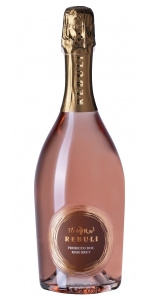
This pale rosé colored spumante boasts a rich mousse and persistent bubbles. The intense and fruity bouquet of raspberry, wild strawberry, pink grapefruit is intertwined with almond, rose petals and balsamic notes. The palate is fresh, well balanced and harmonious with full flavors of strawberry fruit and a long finish.
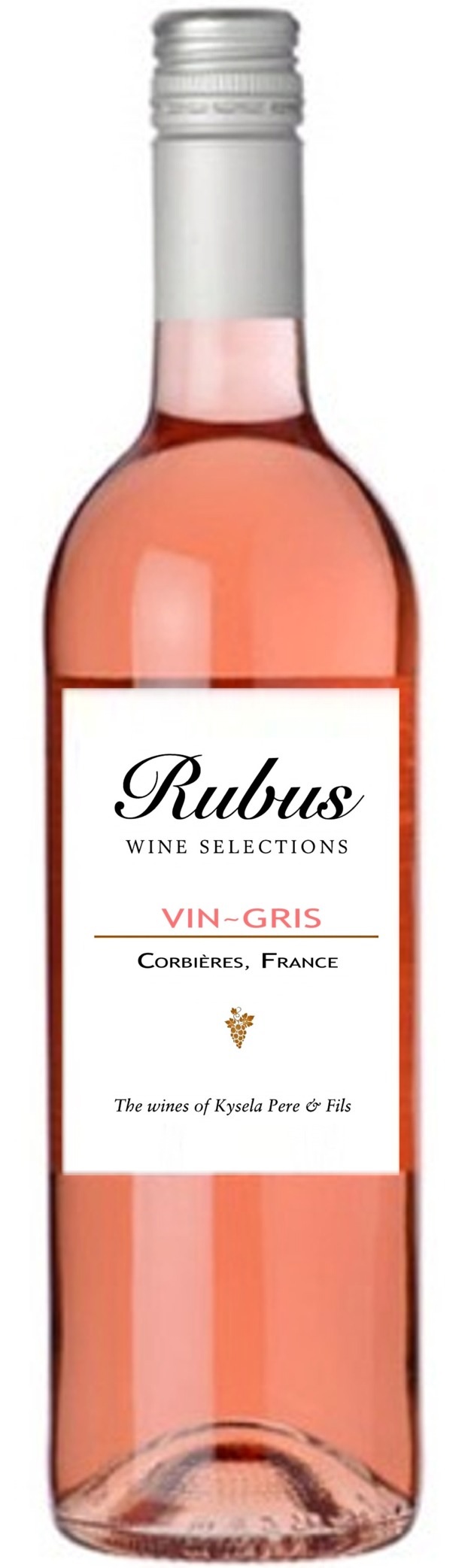
Rubus Vin-Gris Rose is made from 80% Grenache, 10% Carignan, 10% Cinsault
Pale pink rose color, a classic gris de gris wine with salmon hues. Delicate strawberry nose, seamless and fine pointed.
For this special project, the producer had to focus on the pruning technique, ploughing, lowering the yields, sorting the grapes, selecting the tanks, with a permanent focus on the respect of the environment.
All the grapes were harvested by hand. In the cellar, vats hygiene, temperature control, ultramodern pressing contribute to a better expression of the terroir.
Enjoy as an aperitif or with grilled fish, shellfish and appetizers.
The Rubus Concept
Rubus wines are a private label created and used by Kysela Pere et Fils, LTD in order to buy, bottle and market wine found at incredible quality/price ratio. All Rubus wines are selected by Fran Kysela MS.
It was first used for a superb batch of 1,200 cases of Amador county Zinfandel back in 1997. The wine sold in a few days and the Rubus brand was not used since then.
During a trip in California in 2009, when Fran Kysela tasted some incredible wines (available in bottle but without label), he decided to help resurrect the brand creating an outstanding Cabernet Sauvignon from Stag's Leaps district in Napa Valley (California) , followed by an excellent Chardonnay from Russian River Valley (California)
We then developed the Rubus Zinfandel from Lodi (California).
In 2011, we added a Shiraz/Viognier blend from the Barossa in Australia.
For 2012, the newest addition to the Rubus line is a Chardonnay from Colchagua Valley in Chile.
Rubus is now its own brand representing quality for the consumer and an incredible price along the way.
Rubus Meaning
The name RUBUS means "raspberry" in Latin and it is the name given to the genus of flowering plants in the rose family. For instance, here are some famous fruit from the Rubus family with their latin names:
Rubus fruticosus agg. – Blackberry
Rubus idaeus – European Red Raspberry
Rubus occidentalis – Black Raspberry
Rubus pensilvanicus – Pennsylvania Blackberry
Rubus strigosus – American Red Raspberry
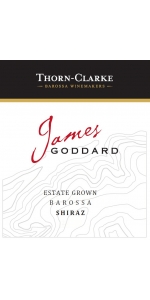
James Goddard was an ancestor of the Clarke family. Born in West Sussex, England in 1823, James spent his 74 years as a sailor, a whaler, a bullock driver, farmer, prospector, miner and hotel keeper. From an illiterate runaway living rough on the streets of London, he became a rich, successful and admired pillar of South Australian society.
James arrived in Adelaide in 1839 as a 16-year-old sailor. Twelve years later, his life changed forever with the news of gold findings. For the next 20 years, James roamed the country learning the geology that improved his chances of prospecting.
James Goddard Shiraz is made from 100 percent Shiraz.
In 1870, he tried his luck near his farm in the Barossa Valley and discovered the region’s first gold deposits, creating the prosperous Lady Alice Mine. The Lady Alice Mine, though it is no longer operational, was & still is the most successful gold mine in South Australia. From these roots, the Thorn-Clarke family has been connected to the region for the last 150 years.
James Goddard Shiraz is a blend Shiraz sourced from the Milton Park vineyard in the north of Eden Valley, and the St Kitts vineyard in the far northern area of the Barossa. Fruit is harvested in the cool of the night to maintain maximum flavour and freshness and it is fermented for 8 days. The ferment is pumped over twice daily to extract the colour and flavour from the fruit. Once finished fermentation the wine was then matured in a blend of French and American oak for a period of 10 to 12 months depending on the vintage.
Deep vibrant red with purple hues to the rim. The nose shows lifted plums, vibrant purple berries and a delicate spice note. The palate has concentrated satsuma plum, blackberry with lovely charry oak in the background. Long, juicy and even with plush fruit on the finish.
Review:
“Blended from two estate vineyards, St. Kitts and Milton Park, this shiraz offers its richness without any aggression or overt perfume. It’s just lush and delicious, a friendly embrace of firm tannins and purple-red fruit. The texture and flavor combine in a saturated meatiness, for Korean barbecue.”
- Wine & Spirits Magazine, 92 points
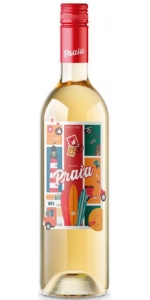
Praia Aveleda Vinho Verde NV is made from 40% Loureiro, 20% Trajadura, 20% Arinto, 20% Azal.
Praia, which means "beach" in Portuguese, is a smooth and fresh wine with delicate and lovely fruity flavors. Slightly spritzy, it is well balanced and very refreshing.
The region is typical for its unique wines that are fresh and light, combined with a very well balanced acidity. These characteristics result from the region's unique soil and climate, with a strong Atlantic influence that you will identify when you taste it.
The wine is ideal as an aperitif or throughout a meal, especially with fish, seafood, white meat and salads. Due to it freshness, it is particularly pleasant in a relaxed and informal ambiance.
SALE!
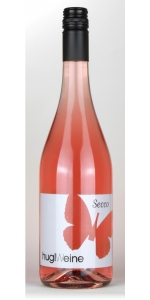
Hugl Zweigelt Secco Rose is made from 100% Zweigelt
Despite its relative youth, Zweigelt is actually an Austrian classic. This variety was created in 1922, when Dr. Fritz Zweigelt crossed two grapes - St Laurent and Blaufränkisch. Originally, it was intended for the new variety to be called Rotburger, referring to the place where it was born, Klosterneuburg. But this name never took hold, and instead, Zweigelt was named after the man who was the key in its development.
Today, Zweigelt is the most widely planted red variety in Austria, growing in nearly 9% of this country's vineyards. It is a robust grape, highly resistant to dryness, frost and various diseases.
Lively, fruity bouquet of strawberry, cherry and floral aromas. Refreshing and beautifully balanced, this is a great wine to enjoy as an aperitif. This is a Secco for the whole day and the whole night
The wine is made of 100% Zweigelt grapes of 15-35 years old (25 years old in avarage).
The soil is mainly loam and loess.
It is made using the Charmat method and the wine is aged for 3 months on the lees in stainless steel tanks.
The wine is slightly filtered before bottling.
Drink by itself as an aperitif, it is also a great picnic or brunch wine and will be a good pick to celebrate any occasion.
The Factor is predominantly from the Gomersal and Marananga sub-regions of the Barossa, providing dense texture and richness to the palate with subtle notes of olive tapenade, saddle leather and minerals. Ripe aromas of plum and wild blackberries, olive, pepper and spice are all supported by a dark core of espresso roast, ripe blackberries and saltbush. Brooding and densely packed, this lavish wine has ample generosity to cellar for many years, where it will slowly unravel.
Review:
Offers a dense, powerful mix of violet, bittersweet chocolate and sandalwood-infused morello cherries in syrup. Blueberry, blackberry and date-nut bread flavors are plump on a frame of polished and toothsome tannins. Clove and Saigon cinnamon notes linger, with a powerful crescendo on the finish. Shiraz.
Wine Spectator 96 Points
Robert Parker's Wine Advocate 96+ Points
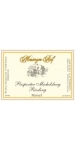
Weller-Lehnert Piesporter Michelsberg Riesling is made from 100 percent Riesling.