" We don't sell the wine without touching the vine "
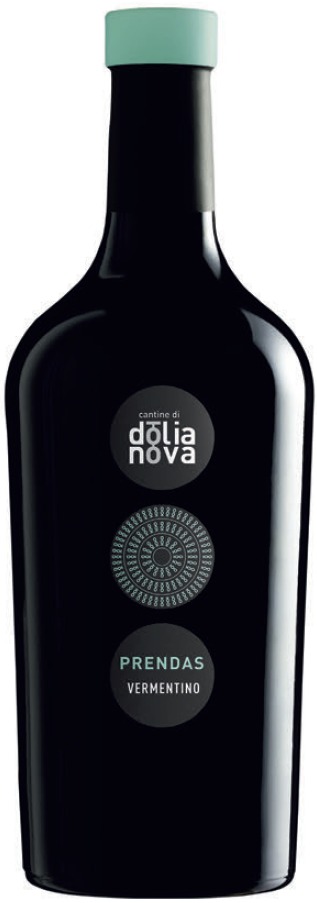
| Country: | Italy |
| Region: | Sardegna |
| Winery: | Cantine di Dolianova |
| Grape Type: | Vermentino |
| Vintage: | 2017 |
| Bottle Size: | 750 ml |

Kershaw Syrah Deconstructed Lake District Cartref SH22 is made from 100 percent Syrah.
The inspiration for this Syrah stems from my belief that the Elgin region has both a signature grape as well as particular terroirs within its demarcated boundary that reflect regional credentials. This Syrah was selected from a sub-region of Elgin from a specific vineyard and an individual clone.
Sourced from a single parcel in the Western part of Elgin, the 22 clone produces fuller, well-colored yet finely structured wines. They tend to be more concentrated as yields are low with more black fruit, black pepper and meaty notes. The Cartref soils, a mixture of decomposed sandstone, pebbles and quartz, add gracefulness and heighten the fruit intensity.
The grapes were handpicked under autumnal skies into small lug baskets and then manually sorted on a conveyor before the stems were removed. The destemmed berries fell onto a vibrating table in order to remove jacks and substandard berries before dropping uncrushed into a small 500kg conical hopper and forklifted into open-topped fermenters. The grapes underwent a 3-day maceration before spontaneous fermentation began. A gentle pigeage (punch-down of the cap) program was charted and the grapes remained on skins for 26 days. The wine was then racked to barrel under gravity and the remaining pomace basket-pressed. Malolactic then proceeded in barrel followed by a light sulfuring and 17-month maturation. No finings were necessary and the wine was simply racked and bottled unfiltered.
Review:
-Tim Atkin 95 Points
-Antonio Galloni's Vinous 93 Points

Paradigm Cabernet Sauvignon is made from 90% Cabernet Sauvignon, 8% Merlot, 1% Petit Verdot, 1% Cabernet Franc
20 months in French oak (only about a third of that is new oak) and for 20 more months in bottle before release
Our winemaking "style" is solely determined by this place or terrior we call "Paradigm." Winemaking is agriculture when you own your vineyards and are able to farm them to promote the very best Earth will give you. All of our selections of wines are made from five varietals on the estate. Every wine is 100% farmed and grown by us.
Complexity in our wines supported by luscious fruit and acidity is our hallmark. Our efforts during harvest and barrel cellaring concentrate on maintaining the freshness from the first day we handpicked each vineyard block. Simple winemaking protocols are employed while crucial “timing” oriented winemaking decisions rule each day.
Review:
-Wine Enthusiast 94 Points
-Joe Czerwinski (Robert Parker) 92 Points

Tenute Cisa Asinari Marchesi di Gresy Gaiun Martinenga Barbaresco 2016.
Bright garnet red with slight orange reflections. Intense and pleasant hints of plum and cherry blend sinuously with balsamic nuances of mint, tea leaves, dried flowers and blond pipe tobacco.

Appasionata Andante Pinot Noir Willamette Valley is made from 100 percent Pinot Noir.

Inspired by the historical winemaking techniques of Erni Loosen’s great-grandfather, the Appassionata Riesling GG is made in the same way as the Dr. Loosen Grosses Gewächs (“Great Growth”) Rieslings he produces in Germany. The GG designation indicates a dry-style wine from a vineyard of special distinction — in this case, the old-vine Medici vineyard, planted in 1976. We farm this exceptional site, which is just a few miles east on the Chehalem Mountain ridge.
The fruit for this wine was harvested from old Rieslng vines (planted in 1976) in the Medici Vineyard, which is also in the Chehalem Mountains AVA, just a few miles from the winery. We lease this vineyard and have been farming it organically since 2015. The wine was fermented in a 3,000-liter German oak cask, and rests on the full lees for 12 months before bottling. The extended lees contact allows the wine to clarify and find its own harmonious balance naturally.
Production notes:
Whole-cluster pressing; natural fermentation in a neutral 3,000-liter oak cask; matured on the full lees for 12 months; no bâtonnage.
Review:
If you prefer a thinking person's wine you'll run out of superlatives to describe this Riesling from Dr Loosen's Oregon project with J Christopher Wines. From a personal favourite, the old vines of the Medici Vineyard, the winemaking shows serious patience and determination. Fermented in a 3,000-liter, neutral oak German Fuder cask. It rests on the full lees for two years and is then held in bottle for three to five years before release. Aged, savoury and delicious. Aromas are savoury and saline. Lanolin, dandelion, seafoam, and beeswax with hints of fresh herbs and dried lemon peel. The palate is brilliant, savoury and bright and complex. Energetic flavours of wet slate, savoury bee pollen, white tea and lanolin notes. The finish offers crushed stone vibrancy.
-Decanter 93 Points
"This energetic and fully dry Riesling is made in the same way as the Dr. Loosen Grosses Gewächs (“Great Growth”) Rieslings are produced in Germany and was raised in a 3000-liter oak cask. The 2017 Riesling GG Chehalem Mountains offers a pale straw hue and is forward and expressive with aromas of flint, ripe apricot, petrol, and wild herbs. Medium-bodied, it offers a fantastic, rich core of concentration along with a mineral, soft, stony texture and a long finish. If opening now, it will do well to decant this serious style of white. It’s certainly another age-worthy wine from Ernst Loosen. Drink 2025-2045."
-Jeb Dunnuck 96 Points
Dolianova Vermentino di Sardegna is 100% Vermentino and shows a pale straw yellow color with slight greenish glints. Intense floral, fresh and fruity aromas. The palate is intense and persistent with good acidity, typical delicate bitter notes on the finish.
The grapes come from the territory surrounding the winery, characterized by medium textured soils composed of clayey limestone of Miocene origin, medium height slopes, sub-arid climate.
After a careful selection of the most suitable plots, grapes are de-stemmed, crushed then gently pressed. The obtained must is clarified by cold static decanting and selected yeasts are added to the clean part. Fermentation takes place at a temperature of 14-16°C for about fourteen days. When fermentation is complete, the wine remains on the fine lees for about 45 days and is bottled in the Spring following the harvest to keep its fresh characteristics intact. In perfect storage conditions, it can be aged for a further period of 2 years from bottling date.
Seafood appetizers, grilled and stewed fish.
Cantine di Dolianova was founded in 1949 on the union of 35 growers who joined forces to realize a common dream. Nowadays, the Cantine boasts over 300 associates; many of whom are the children and grandchildren of the founding members who carry on their fathers’ dreams with their commitment. Cantine di Dolianova was established to continue and promote the winemaking tradition.
In 2019 the wineries will celebrate their 70th anniversary. It is no coincidence that the history begins precisely in Dolianova, in the heart of Parteolla. In fact, recent discoveries have certified the presence of a winemaking culture in the territory, dating back to the Nuraghic period - an ancient tradition that renders the Winery’s history even more important.
70 years of history, 3,000 years of tradition.
In Sardinia, the name Dolianova has always been linked to the production of quality wines. The first evidence of wine-growing in the area dates back to over a thousand years ago, according to the Nuraghic artefacts (jugs, wine presses) found in the area.
The Cantine’s family album is full of images that show the Cooperative’s evolution and tell its winemaking story. Photos of the grape harvests, historic bottles and the first awards that they won. The faces of the past are superimposed with those of today, as the Cantine’s associates are often the children and grandchildren of the initial founders.
It has been easy to pass down the Cantine’s values from father to son over the last 70 years: love for the land, passion for the vines and commitment to always improve by aiming to produce superior quality wine. Today, like then, we work to give those who love our labels all the quality of the best Sardinian vines.
So many years of history have taught us that quality cannot be improvised. Cantine di Dolianova is ready to look to the future, with the strength and awareness that 70 years of history has brought us, along with the wisdom of an area that boasts 3,000 years of wine-making tradition.
The vineyards are mainly planted in Parteolla, in southeastern Sardinia - one of the sunniest parts of the island. The vineyards are located in the towns of Dolianova, Serdiana, Donori, Ussana and Soleminis. The most typical grape varieties of Sardinian traditions - Cannonau, Monica, Vermentino, Nuragus and Moscato - have found an ideal habitat here. The area is characterized by low hills and rolling terrain. Here, in the lower Campidano region, mild and moderately rainy winters alternate with hot, dry summers, with average minimum temperatures of approximately 12° C (rarely dropping below zero) and average maximum temperatures of 22° C (reaching maximums of 40° C at times).

Chavy-Chouet Meursault Premier Cru Les Genevrieres is made from 100 percent Chardonnay.
Fruity flavors and typical nutty nuances. The Genevrières parcels are located in the heart of Meursault's southern premiers crus. "Genevrieres" takes its name from the presence, years ago, of the juniper bushes which covered its slope, and it is sometimes said that the tang of this aromatic berry can be detected in the wine.

The Cotes du Rhone Reserve from Domaine Grand Veneur — the Alain Jaume family's estate in Orange — is a Grenache-led blend with Syrah, Cinsault and Mourvedre off the appellation's limestone, sand and red-clay terraces. Vinified in tank and bottled young, it's all wild raspberry, blackcurrant and blackberry with a lick of licorice and pepper: a supple, everyday southern Rhone red. Shown here in the 375ml half-bottle.