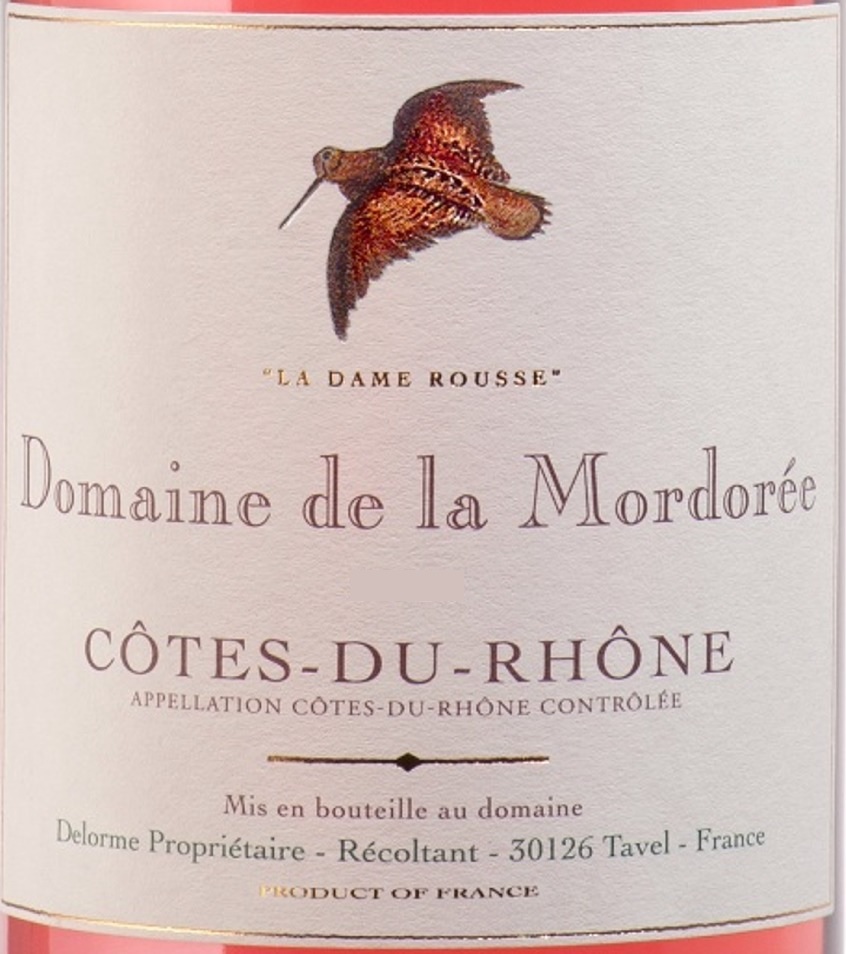
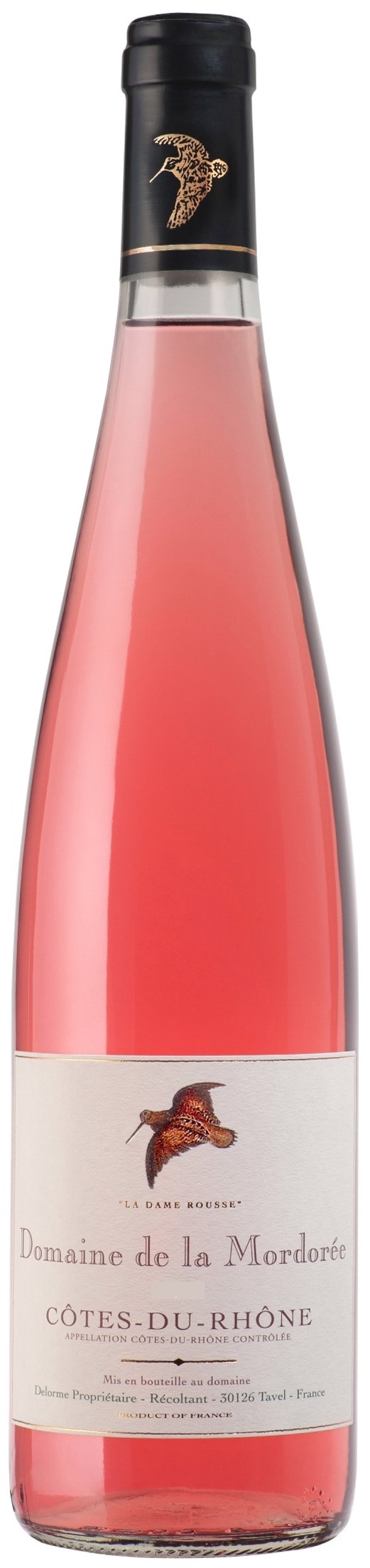
" We don't sell the wine without touching the vine "
Mordoree Cotes du Rhone Rouge La Dame Rousse is made from 40% Grenache, 30% Syrah, 15% Cinsault, 10% Carignan, 5% Counoise.
20 year old vines.
100 % destemming, 15 day maceration with a maximum of 30° C temperature
Deep red color. Blackcurrant and violet aromas. Melted and fine tannins, good finish.
Food pairing: cold meats and delicatessen, grilled meats, semi-mature cheeses.
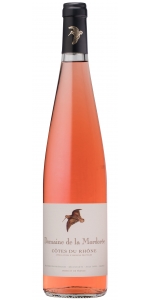
Mordoree Cotes du Rhone Dame Rousse Rose is made from 40% Grenache, 35% Syrah, 15% Cinsault, 5% Carignan, 5% Mourvèdre
Domaine de La Mordoree Cotes du Rhone Rosé is produced from organically and biodynamically farmed vineyards. This dry, crisp, light, salmon-colored offering exhibits fruity aromas of strawberry and raspberry, citrus fruits and floral notes. It is round, fresh and well-balanced in the mouth, with a long finish.
Food pairing: cold meats and delicatessen, fowl, white meats, grilled lamb with Provence herbs, fish soup, fried fish, pastas, pizzas and all Asian dishes.
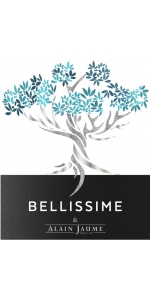
Alain Jaume Bellissime Cotes du Rhone Rose is made from 50% Grenache Noir, 25% Cinsault, 20% Syrah and 5% Mourvedre
Salmon-pink color, clear and brilliant. The nose is fruity and spicy, reminiscent of wild strawberry and fine Provencal spices. The palate is full, well-balanced and fruity, with a long, fresh finish. A beautiful and delicate rosé.
A part is drawn off the skins with short maceration and the other part is from direct press. Fermentation in stainless steel at cool temperature. Bottling 5 months after harvest.
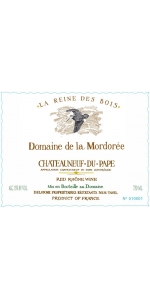
Mordoree Chateauneuf-du-Pape La Reine des Bois is made from 80% Grenache, 10% Mourvèdre, and the rest equal parts Syrah and Vaccarèse .
This premium cuvee - whose name means "Queen of the Woods" - is from 65-year-old vines, planted on Villafranchian-era terrasses. Yield is 30 hl/ha.
Deep ruby red; opaque. Aromas of red fruits change to wooden touches of leather, black truffles and coffee. Fat, concentrated and full flavored with a very long liquoriced and fruity finish.
Review:
The 2022 Châteauneuf du Pape Cuvée De La Reine Des Bois is based on 75% Grenache, 10% each Syrah and 10% Mourvèdre, and the rest Counoise and Vaccarèse. It's not massive yet just exudes class and elegance, with both red and black fruits that give way to more spice, peppery garrigue, and leather, with classic background licorice and black olive notes. Medium to full-bodied, beautifully balanced, and elegant, with silky tannins, this brilliant Châteauneuf du Pape will evolve for two decades.
Number 36 in Dunnuck's Top 100 and 97 Points
"Huge and powerful, but so fresh. This has great driving intensity, with even bigger, more structural tannins than the domaine’s other cuvée. A rampaging Châteauneuf that will take time to settle, and will always be wild. Long, vibrant and chiselled. An absolute beast. Mordorée has been massive but overripe in the past; it's still massive but with this vintage the ripeness is more controlled, and it has transformed into something extraordinary. Fermented and aged 80% in stainless steel, the rest in old barrels. - Matt WALLS"
- Decanter Magazine (September 17th 2023, Part of Châteauneuf-du-Pape 2022: Report and top-scoring wines), 98 pts
Mordoree Chateauneuf-du-Pape La Reine des Bois is made from Grenache 75 %, Mourvèdre 10%, Syrah 10 % , Counoise 3% & Vaccarese 2%.
This premium cuvee - whose name means "Queen of the Woods" - is from 65-year-old vines, planted on Villafranchian-era terrasses. Yield is 30 hl/ha.
Deep ruby red; opaque. Aromas of red fruits change to wooden touches of leather, black truffles and coffee. Fat, concentrated and full flavored with a very long liquoriced and fruity finish.
Pairs with red meats, sauce dishes, game animals (woodcock, wild boar) and semi mature cheeses.
Review:
"Huge and powerful, but so fresh. This has great driving intensity, with even bigger, more structural tannins than the domaine’s other cuvée. A rampaging Châteauneuf that will take time to settle, and will always be wild. Long, vibrant and chiselled. An absolute beast. Mordorée has been massive but overripe in the past; it's still massive but with this vintage the ripeness is more controlled, and it has transformed into something extraordinary. Fermented and aged 80% in stainless steel, the rest in old barrels. - Matt WALLS"
- Decanter Magazine (September 17th 2023, Part of Châteauneuf-du-Pape 2022: Report and top-scoring wines), 98 pts
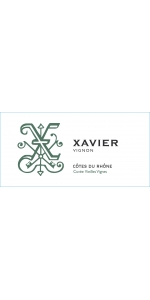
Xavier Vignon Cotes du Rhone Rouge Cuvee Vieilles Vignes Organic is made from 50% Grenache, 40% Mourvèdre, 5% Syrah and 5% Cinsault.
The diversity of terroirs used in this blend allows this wine to combine freshness and balance.
We used Clay and limestone plots located on the hillside where old Grenache naturally express roasted hints. We could obtain in this wine empyreumatical hints without the use of barrels. These plots particular soils and orientation allowed grapes to reach an optimal level of ripeness while conserving a good acidity level.
We also integrated grapes coming from plots located on red rocky clay soils also named “garrigues”. These big red stone are restituting heat coming from the sun at night and bring power and structure to the wine.
Also the blend features vines coming from sandy clays, which are light and rather fresh soils: this allowed the wine to maintain a freshness and vivacity.
Bouquet of cassis, blueberries, lavender, cured meats, and graphite. It's deep, rich, medium to full-bodied, and has a great finish. The Mourvèdre keeps this tight and fresh.
Pairs with grilled beef rib - Veal Columbo - Pork ribs slightly spiced
Review:
"The spicy nose with a slew of red-fruit aromas pulls you into this full-bodied but lively and very well-balanced Cote-du-Rhone. Lovely, creamy texture that’s neatly supported by fine tannins. Long, supple finish. From organically grown grapes. Drink or hold."
- James Suckling (March 2022), 92 pts
Mordoree Cotes du Rhone Dame Rousse Rose is made from 40% Grenache, 35% Syrah, 15% Cinsault, 5% Carignan, 5% Mourvèdre
Color : rosé, slightly orange (mordorée colour).
Aromas : crystallized oranges and cherries, slightly aniseed.
Palate : very rounded, fresh and long finish.
Ageing potential : 2 to 3 years
Surface : 14 Ha. Yield : 45 Hl./Ha. Vineyard age : 20 years Terroir : clay / chalk,clay / limestone and sandy with pebble stones. Harvest : by hand. Vinification : vat bleeding, temperature control. Estate bottled.
Food pairing: cold meats and delicatessen, fowl, white meats, grilled lamb with Provence herbs, fish soup, fried fish, pastas, pizzas and all Asian dishes.
Review:
"This rosé appears so pretty in the glass with its watermelon hue and presents a refreshing summery nose. Find notes of watermelon slices and yellow peaches sprinkled with sea salt. Think of pairings similar to prosciutto-wrapped melon. This is a solid rosé to enjoy all summer long."
- Wine Enthusiast (May 2023), 91 pts
The Mordoree Estate
This is arguably the top estate in our Portfolio. Domaine de la Mordoree (woodcock), located in the town of Tavel, in the Southern Rhone Valley, is the most consistent producer of top quality wine in my entire selection. In 1986, the brothers Christophe and Fabrice Delorme decided to dedicate themselves to their passion for wine. They started their own estate with the objective to produce the best wines in each appellation while preserving the environment
The Mordoree Vineyard
The vineyard consists of 55 hectares (135 acres), on 38 different parcels, which provide with a rich, wide range of soils and climates. The soil is a mix of clay, chalk and sand with pebble stones. The improvements at the Domaine have been incredible: new pneumatic presses, new stainless steel vats, new destemmer, new vinification and aging plant, and aging in oak barrels for the top wines. All the grapes are raised by culture raisonnée which is very close to organic viticulture (intervention in the vineyard only when necessary). The yield is reduced in the vineyard by ébourgeonnage (de budding in spring) and vendanges vertes in summer (green harvesting). Oak aging for the top wines in special barrels like “jupille” for 10 months. No expense is spared at this Domaine to achieve quality.
-150x300.jpg "Valminor Albarino Rias Baixas 2024")
Valminor Albarino Rias Baixas is made from 100 percent Albarino.
Albariño is a Portuguese grape, native to the Miño River region, which separates Galicia & the Rias Baixas DO from Portugal. Albariño has a characteristic citrus aroma & high acidity.
Valminor Albarino presents a yellow straw color. On the nose, the wine shows a wide fruity range of aromas, with notes of fresh grapefruit, apricot and melon. In the mouth, Valminor combines fruity flavors and freshness with a rounded acidity, resulting in a balanced wine that boasts an opulent taste and slight spritziness.
Review:
"Elaborate swirls of lime, lemon, passionfruit and white peach entice the nose whilst the pristine purity of acidity and mineral freshness disarms the terroir-driven palate. Salty, linear and tangy, demonstrating Atlantic style at its best."
- Decanter World Wine Awards 2025, 97 pts and Platinum Medal
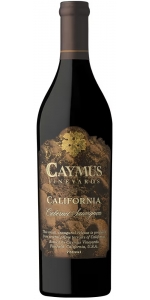
I feel this wine expresses the greatness of California and its hidden pockets where Cabernet can excel. The cold Pacific Ocean running the entire length of the state presents maritime influences – and with each small distance eastward the climate warms. Stony soils, south facing slopes and moderately warm conditions are the keys to producing dark, rich and good tasting Cabernet.
A small release from Caymus Vineyards, this wine is a California-appellation Cabernet Sauvignon – supple, dark and rich, bearing the signature hallmarks of Caymus. It is sourced from sites throughout the state which feature climatic conditions, soils and topography that are ideally suited to Cabernet. This project stems from excitement over California's diverse vineyard land, often in lesser-known areas, with the potential to produce exceptional Cabernet.

Inviting aromas of mint, marshmallow and Asian pear pull you into this drink. Surprisingly dry, this Nigori (cloudy) style sake has a rich, chewy texture. The intriguing mid palate features mint, white chocolate, and tart cherries. The finish belies our expectations with an elegant, softness of minerals that settles in a dry finish.
Pair with roast duck, dry-rub ribs, full flavored country pate, and fruit and nut desserts of light sweetness.
Mildly ripe Coulommiers or Brie, Italian Raschera.
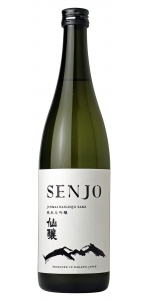
Juicy & Refreshing. Full of fruity flavors with clean sweetness. Brewed with Hitogokochi, the special sake rice harvested in Nagano, and natural water slowly filtered down the Japan Alps. In 1866, toward the end of the Edo period, Matsujirou Kurogouchi and his family started a small sake brewery currently called Senjo named after Senjo Ga Take, a 3000-meter peak in the Japanese Alps. Today Senjo Brewery strives to combine art with science and old skill with new technology by adding modern twits to the rich historical traditions of Sake brewing.
Pair with Deep-fried fish with sweet & sour sauce, Young sweetfish tempura (chiayu tempura), Caesar salad.
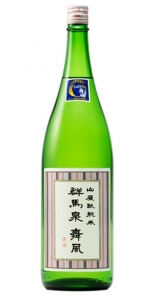
Savory nuances of toasted quinoa, banana bread, and nutmeg are present in the nose. On the palate, this sake is layered, lifted and complex, with flavors of plantain, dried cranberry, nougat, white Mushroom and almond.
POLISHING RATIO: 60%
ALCOHOL: 15-16%
SMV +/-: +3.0
RICE KAKE: 50% WAKAMIZU 50% LOCALLY FARMED JAPANESE RICE
YEAST STRAIN: PROPRIETARY
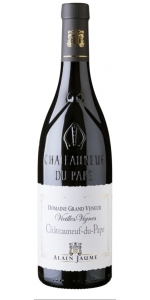
Grand Veneur Chateauneuf Du Pape Vieilles Vignes is made from 50% Grenache, 40% Mourvedre, 10% Syrah
Matured in concrete vats (40%) and oak casks (60%)
It boasts an inky/purple color in addition to a gorgeous perfume of crushed rocks, jammy black fruits, charcoal and graphite. Blackberry aroma with an air of dates pressed in alongside – this is sweet-noted. It is easy to appreciate, a sleek and stylish start. The palate holds excellent fruit that runs well and has kick. Its tannins move round freely and a minted finale comes forward. Its dark fruit is tasty, darkens on the finish, where tar and char from its oak enter. It is all very much together, a bundle of harmony, and will gain local attributes as it ages.
An outstanding Chateauneuf du Pape which display the best of its terroir.
The vines are 50 to 100+ year old. They are planted on red clay soils covered with pebble stones.
Harvest is destemmed and crushed. Fermentation temperature is controlled at 30°C. Vatting period of 18 to 20 days. Matured in concrete vats (40%) and oak casks (60%).
The vineyards are located in the north of Châteauneuf du Pape. GRAND VENEUR «Vieilles Vignes» cuvee is produced from the older vines. Thanks to time and an organic growing, roots go very deep in the soil. Yields are naturally low and grapes highly concentrated.
The vines are 50 to 100+ year old. They are planted on red clay soils covered with pebble stones.
Winemaking and aging
Harvest is destemmed and crushed. Fermentation temperature is controlled at 30°C. Vatting period of 18 to 20 days. Matured in concrete vats (40%) and oak casks (60%).
Pair with venisson, duck, braised lamb or strong cheese.
Review:
"Up with the crème de la crème of the vintage, the 2018 Châteauneuf Du Pape Vieilles Vignes is a bigger, richer wine than the Les Origines cuvée and has a beautiful core of smoked black fruits, candied violets, peppery garrigue, and scorched earth-like aromas and flavors. Playing in the medium to full-bodied end of the spectrum, it’s flawlessly balanced and has terrific tannins, a stacked mid-palate, and a great finish. It certainly shows the more front end-loaded, fleshy, mildly concentrated style of the 2018 vintage, yet the balance is top-notch, and it’s just a thrill to drink today. It should evolve nicely for 10-15 years."
- Jeb Dunnuck (October 2020),96 pts
Alain Jaume Gigondas Terrasses de Montmirail is made from 65% Grenache the rest Syrah, Mourvèdre by less than 15%.
Deep red garnet color. Aromas of ripe and black fruits. On the palate the wine is rich, powerful and harmonious - well balanced with wild berry and pepper dominating.
Soil types
Located in and around the famous area called “Dentelles de Montmirail”, the landscape typicity is made by a rocky bar (between 100 and 600 meters high). Soils are made of clay and sand with limestone. The “Dentelles” appeared thanks to the pressure between the Pyrenees and Alps mountains. This is a land of predilection to produce both powerful and fresh wines. Nights are cooler and the grapes ripeness usually comes in late September.
Winemaking & aging
Traditional wine-making in stainless and concrete vats. Crushed and destemmed grapes. Average of 18 days of vatting with pigeages. Ageing in vats mostly and oak barrels. Bottling after 12 – 14 months.
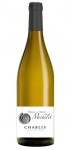
Michelet Chablis Premier Cru Beauroy is made from 100 percent Chardonnay.
Chablis is the northernmost wine region of Burgundy, renowned for producing some of the world's finest and most mineral-driven Chardonnay. The Premier Cru 'Beauroy' vineyard is located on the right bank of the Serein River on slopes with Kimmeridgian clay and limestone soils rich in fossilized oyster shells.
This wine displays a brilliant pale gold color with green reflections. The nose offers aromas of citrus, white flowers, and characteristic flinty minerality. On the palate, it is precise and elegant with bright acidity, flavors of green apple and lemon, and a long mineral finish.
Pairs excellently with oysters, shellfish, sushi, or simply prepared white fish.