" We don't sell the wine without touching the vine "
Mordoree Tavel Rose Plume de Peintre is made from 60% Grenache, 20% Syrah, 20% Clairette.
Deep rosé color. Complex and intense aromas of red fruits. The palate is elegant and offers a great balanced acidity. The wine has a long lasting finish.
Risotto with crayfish and asparagus, duck breast roasted with honey, poultry with morels.
Review:
Mordoree Tavel Rose Reine des Bois is made from Grenache
Nose: Steady rose, brilliant and cristal clear.
Aromas : very complex : from flowers, white fruits and red fruits (strawberries, pomegranate, rapsberry). Slightly mentho-lated
Palate : fresh, classy, elegant, very long.
Aging capacity : 8 to 10 years.
This wine comes from a parcel planted on a pebbled soil covered with stones, whose geology is typical of the grands crus from the Rhone Valley (a base made of marine molasse from the Miocene period covered with an alpine diluvium from the Villafranchian period). 100 % destemming, cold maceration during 48 h., pneumatic pressing, fermentation at 18° C.
To pair with: roasted and or spicy chicken, duck, goose, fish soup, white meat, seafood and a lot of fishes (tuna, John Dorry, red mulet, etc...).Quite all Asian cuisine. Dishes with garlic, dishes with tomatoes.
Review:
Mordoree Tavel Rose Reine des Bois is made from 60% Grenache, 15% Clairette, 10% Syrah, 10% Cinsault, 5% Bourboulenc (biodynamically farmed on a rocky/sandy plateau over clay).
This wine comes from a parcel planted on a pebbled soil covered with stones, whose geology is typical of the grands crus from the Rhone Valley (a base made of marine molasse from the Miocene period covered with an alpine diluvium from the Villafranchian period). 100 % destemming, cold maceration during 48 h., pneumatic pressing, fermentation at 18° C.
To pair with: roasted and or spicy chicken, duck, goose, fish soup, white meat, seafood and a lot of fishes (tuna, John Dorry, red mulet, etc...).Quite all Asian cuisine. Dishes with garlic, dishes with tomatoes.
In the glass the wine is deeply colored pink, almost orange/salmon. Complex aromas of white flowers, raspberry, pomegranate, strawberry, minerals, and citrus rise from the glass. Palate is full-bodied and voluptuous yet retains elegance while delivering great fruit intensity balanced by minerals and citrus. Light tannins appear mid-palate and carry through to the finish, giving it serious structure. Fresh, complex, and very long on the finish. Overall, powerful, textured, and food-driven — a “serious” Tavel that can age 1–5 years. Best enjoyed from June/July 2026 onward.
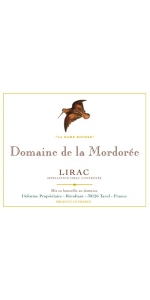
Color: Deep Red
Nose : Red fruits (raspberry, black-current) and flowers (violet).
Palate : Full, rich and ample, long finish, nice concentration.
Aging potential : 7 to 9 years
Surface : 22 Ha. Yield : 40 Hl./Ha. Vineyard age : 40 years Terroir : Clay / chalk, clay / limestone and sandy with pebble stones. Harvest : by hand Vinification : 100% destemmed , long 30 days maceration with a maximum of 34°C temperature
Pairs well with red meats, grilled meats, game and cheeses.
Review:
"Aromas of spiced cherries, forest berries and sweet spices. Medium body with fine tannins. Layered and textured with a velvety mid-palate. Balanced and harmonious with a focused finish and excellent length. From biodynamically grown grapes with Demeter certification. Drink or hold."
- James Suckling (May 2023), 93 pts
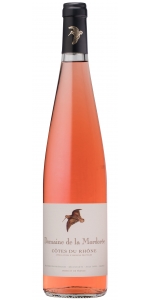
Mordoree Cotes du Rhone Dame Rousse Rose is made from 40% Grenache, 35% Syrah, 15% Cinsault, 5% Carignan, 5% Mourvèdre
Domaine de La Mordoree Cotes du Rhone Rosé is produced from organically and biodynamically farmed vineyards. This dry, crisp, light, salmon-colored offering exhibits fruity aromas of strawberry and raspberry, citrus fruits and floral notes. It is round, fresh and well-balanced in the mouth, with a long finish.
Food pairing: cold meats and delicatessen, fowl, white meats, grilled lamb with Provence herbs, fish soup, fried fish, pastas, pizzas and all Asian dishes.
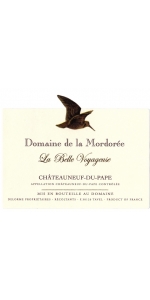
Mordoree Chateauneuf du Pape Rouge Dame Voyageuse is made from Grenache 90 % Mourvèdre 4% Syrah 4 % Counoise 1% Vaccarese 1% .
Mordoree Chateauneuf du Pape Rouge Dame Voyageuse is a more approachable version of the La Reine des Bois. It is meant to be enjoyable early compared to her sister Cuvée which is made for the long run.
Color : deep ruby red, opaque.
Aromas : red fruits, changing to touches of leather, black truffles and coffee.
Palate : fat, concentrated and full flavored with a very long liquoriced and fruity finish.
Ageing potential : 6 to 10 years.
Surface : 5 Ha.
Yield : 30 Hl./Ha.
Vineyard age: 60 Years
Terroir : Clay-siliceous on pebble stones
Harvest : by hand
Vinification : 100 % destemmed, long 30 days maceration with a maximum of 34° C temperature.
Estate bottled
Review:
"Moving to the 2019s from bottle, the Grenache-heavy 2019 Châteauneuf Du Pape La Dame Voyageuse offers a beautiful array of both red and black fruits as well as classic Provençal notes of lavender, peppery garrigue, and flowers. Rich, medium to full-bodied, and beautifully textured on the palate, this is another terrific vintage for this cuvée, which remains an incredible value in the market today. It will drink nicely for 10-12 years if stored correctly."
- Jeb Dunnuck (November 2021), 95 pts
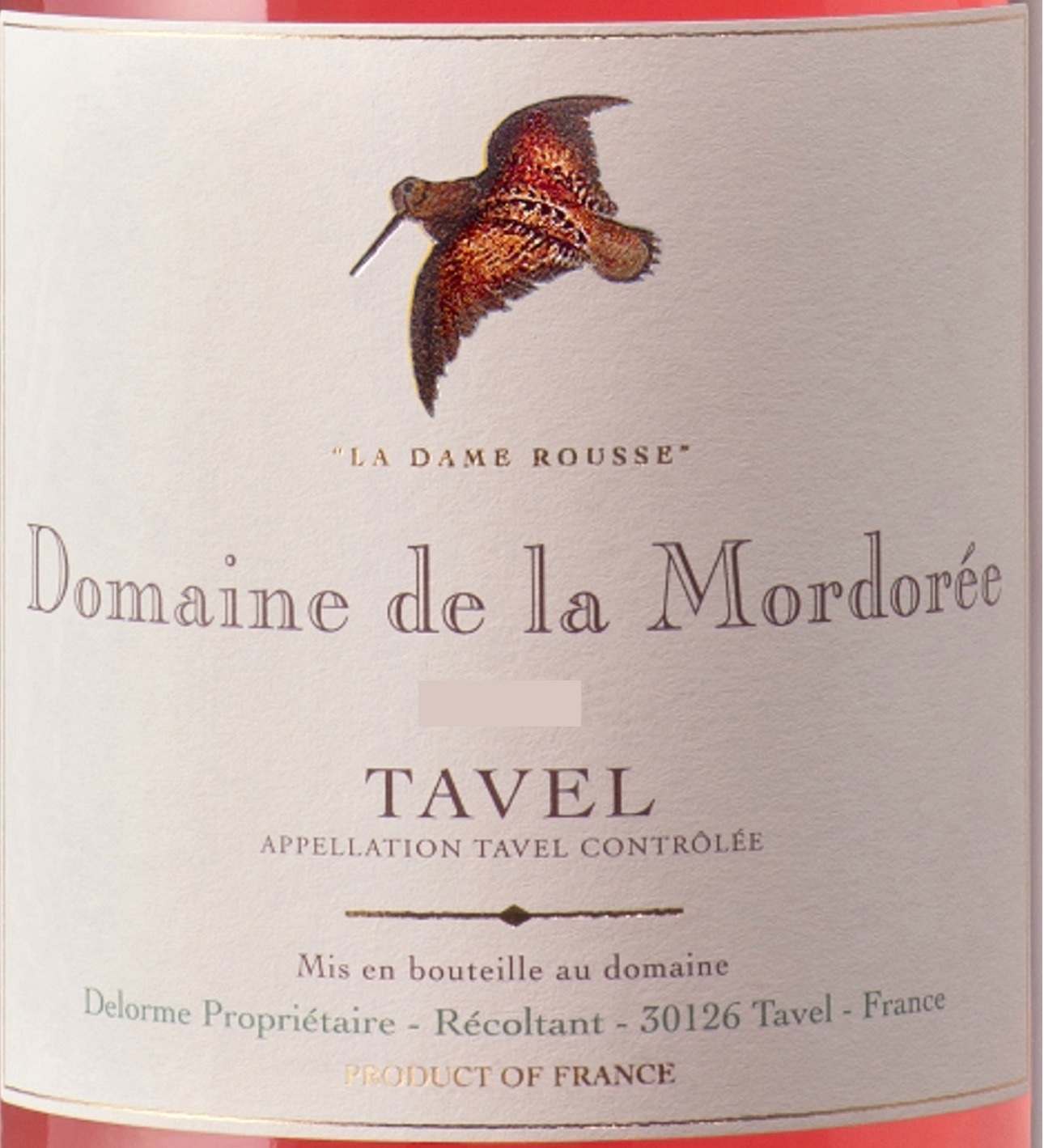
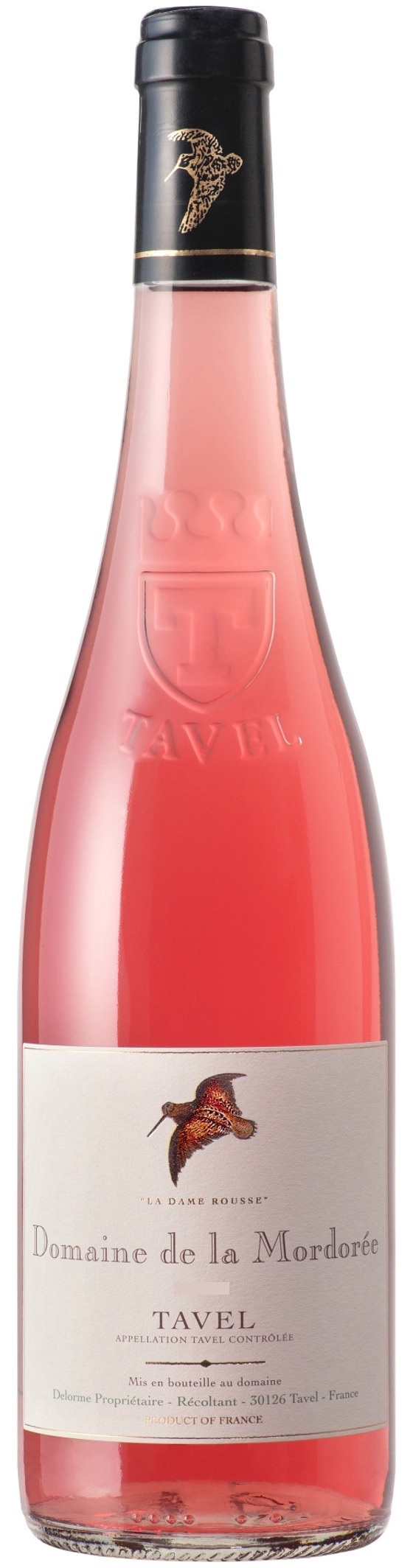
Mordoree Tavel Rose Dame Rousse is made from Grenache 60%, Cinsault 10%, Mourvedre 10%, Syrah 10%, Bourboulenc 5%, Clairette 5%
Nose : steady rose, brilliant and limpid.
Aromas : very complex with flowers, red and white fruits aromas.
Palate : rounded, full bodied with a long lasting aniseed and fruity finish.
Ageing potential : 4 to 6 years
Surface : 9 Ha. Yield : 44 Hl./Ha. Vineyard age : 40 years Terroir : Clay / chalk and sandy with pebble stones. Harvest : by hand Vinification : 100% destemming, cold maceration during 48 h., pneumatic pressing, fermentation at 18° C. Estate bottle
Food pairing: cold meat and delicatessen, poultry, white meats, grilled meats, fried fish, fish soup, pastas, pizzas and all Asian cuisine.
"The base Tavel is the 2018 Tavel La Dame Rousse, which slightly lighter colored than the Reine Des Bois, with notes of ripe cherries, white flowers, peach, and honeysuckle. Elegant, seamless, and beautifully balanced, it doesn't have the power of the top cuvée yet has integrated acidity and a great finish. Rosé doesn't get much better."
- Jeb Dunnuck (August 16th 2019), 91 pts
"Medium pink rose. Made from 40 year old vines cultivated biodynamically, this is classic Tavel with alluring scents of red cherry skin and ripe, sun-drenched raspberry. A crisp attack introduces the medium weight palate with lovely, fresh dark red plum and berries complemented by spice and savory notes. Finishes very long. A blend of 60% Grenache, 10% Cinsuat, 10% Syrah, 10% Mourvedre, 5% Clairette, and 5% Bourboulenc. Consistently one of our favorite Tavels."
International Wine Review (May 2019), 91 pts
The Mordoree Estate
This is arguably the top estate in our Portfolio. Domaine de la Mordoree (woodcock), located in the town of Tavel, in the Southern Rhone Valley, is the most consistent producer of top quality wine in my entire selection. In 1986, the brothers Christophe and Fabrice Delorme decided to dedicate themselves to their passion for wine. They started their own estate with the objective to produce the best wines in each appellation while preserving the environment
The Mordoree Vineyard
The vineyard consists of 55 hectares (135 acres), on 38 different parcels, which provide with a rich, wide range of soils and climates. The soil is a mix of clay, chalk and sand with pebble stones. The improvements at the Domaine have been incredible: new pneumatic presses, new stainless steel vats, new destemmer, new vinification and aging plant, and aging in oak barrels for the top wines. All the grapes are raised by culture raisonnée which is very close to organic viticulture (intervention in the vineyard only when necessary). The yield is reduced in the vineyard by ébourgeonnage (de budding in spring) and vendanges vertes in summer (green harvesting). Oak aging for the top wines in special barrels like “jupille” for 10 months. No expense is spared at this Domaine to achieve quality.
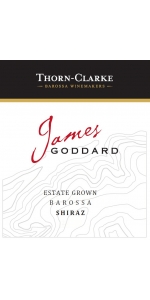
James Goddard was an ancestor of the Clarke family. Born in West Sussex, England in 1823, James spent his 74 years as a sailor, a whaler, a bullock driver, farmer, prospector, miner and hotel keeper. From an illiterate runaway living rough on the streets of London, he became a rich, successful and admired pillar of South Australian society.
James arrived in Adelaide in 1839 as a 16-year-old sailor. Twelve years later, his life changed forever with the news of gold findings. For the next 20 years, James roamed the country learning the geology that improved his chances of prospecting.
James Goddard Shiraz is made from 100 percent Shiraz.
In 1870, he tried his luck near his farm in the Barossa Valley and discovered the region’s first gold deposits, creating the prosperous Lady Alice Mine. The Lady Alice Mine, though it is no longer operational, was & still is the most successful gold mine in South Australia. From these roots, the Thorn-Clarke family has been connected to the region for the last 150 years.
James Goddard Shiraz is a blend Shiraz sourced from the Milton Park vineyard in the north of Eden Valley, and the St Kitts vineyard in the far northern area of the Barossa. Fruit is harvested in the cool of the night to maintain maximum flavour and freshness and it is fermented for 8 days. The ferment is pumped over twice daily to extract the colour and flavour from the fruit. Once finished fermentation the wine was then matured in a blend of French and American oak for a period of 10 to 12 months depending on the vintage.
Deep vibrant red with purple hues to the rim. The nose shows lifted plums, vibrant purple berries and a delicate spice note. The palate has concentrated satsuma plum, blackberry with lovely charry oak in the background. Long, juicy and even with plush fruit on the finish.
Review:
“Blended from two estate vineyards, St. Kitts and Milton Park, this shiraz offers its richness without any aggression or overt perfume. It’s just lush and delicious, a friendly embrace of firm tannins and purple-red fruit. The texture and flavor combine in a saturated meatiness, for Korean barbecue.”
- Wine & Spirits Magazine, 92 points
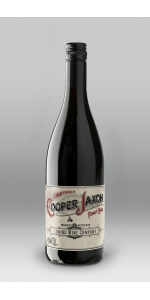
Loring Cooper Jaxon Pinot Noir is made from 100% Pinot Noir
Aged 10 Months in French Oak (15% New)
A special blend in honor of Cooper Jaxon Loring - the next generation of Loring. We don't limit the wine to any
specific AVA, but rather look for a blend that is big, bold, and super tasty!
Juicy and vibrant, with aromas of raspberry puree, blackberry and spring flowers.
Vines are planted on Arroyo Seco Sandy Loam soils on the following vineyard sites: Rancho La Viña, Kessler-Haak, Clos Pepe, John Sebastiano, Aubaine, Rosella's and Sierra Mar.
Vinification is traditionnal with minimal intervention.
Wine went thought Malo-Lactic fermentation and was bottled without filtration.
pH 3.61
Clones: Pisoni, 113, 115, 667, 777, 23
Pairs well with steak and lamb, spicy foods & mild cheeses.
Review:
"This fun and whimsical label from Brian Loring delivers his rich style of Pinot Noir at an affordable price, offering aromas of black cherry, forest herbs, damp sage and crushed slate. The palate is earthy, offering flavors of dark berry, fennel frond, roasted meat and clove. Matt Kettmann"
- Wine Enthusiast (June 2019), 92 pts - Editors' Choice
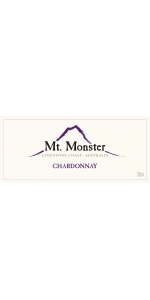
Mt Monster Chardonnay is made from 100 percent Chardonnay.
Gentle pressing and free run juices create the base of this wine.
Traditionally Mt Monster Chardonnay is 100% fermented and matured in stainless steel, this receives some lees contact to add texture and complexity to the palate, but essentially this wine is pure Chardonnay fruit.
Review & Tasting notes:
Bright straw color, with hints of lime green. Fresh figs and melon, with vibrant lemon citrus fruit. The nose also shows some yeast complexity from extended lees contact. Fresh tangy melon fruit flavors, & a clean acid finish. Although it may benefit from up to 2 years maturation in bottle, this wine is best consumed when young and fresh.
- Australian Wine Showcase (December 2016), 94 pts
Paul Hobbs Chardonnay Russian River Valley is made from 100 percent Chardonnay.
Crafted with precision from six pedigreed sites comes a wine that beams with pale straw hue. The newest vintage brings wonderful aromatic intensity: candied lemon peel, white florals followed by crisp green apple. A creamy and viscous texture on the palate is buoyed by white nectarine and dried apricot that’s balanced with a vibrant acidity, bringing focus to the wine’s finish that lingers with hints of flinty mineral notes.
Review:
-James Suckling 94 Points
Brize Cabernet d'Anjou Rose Louresses is made from Cabernet Franc.
Cabernet d'Anjou is a semi-sweet rosé wine from the Loire Valley, produced from Cabernet Franc and/or Cabernet Sauvignon grapes. The 'Louresses' designation refers to the specific vineyard parcel at Domaine de Brize.
This charming rosé offers a beautiful salmon-pink color with delicate aromas of strawberry, raspberry, and rose petals. On the palate, it is fresh and fruity with a hint of sweetness balanced by crisp acidity.
Perfect as an aperitif, or pair with Asian cuisine, spicy dishes, or fresh fruit desserts.